
Nestled in the northeastern lap of the Eastern Himalayas, Sikkim is a beautiful mountain state. It is bordered by Bhutan to the east, Tibet to the north, Nepal to the west, and West Bengal to the south. It is a sanctuary of ancient Buddhist monasteries, glacial alpine lakes, rich organic farmland, and terraced valleys. Whether you are looking for a peaceful getaway or a high-altitude trekking adventure, from top destinations to amazing experiences, this Sikkim guide will cover what Sikkim is famous for.
Sikkim Tourist Attractions
Gangtok
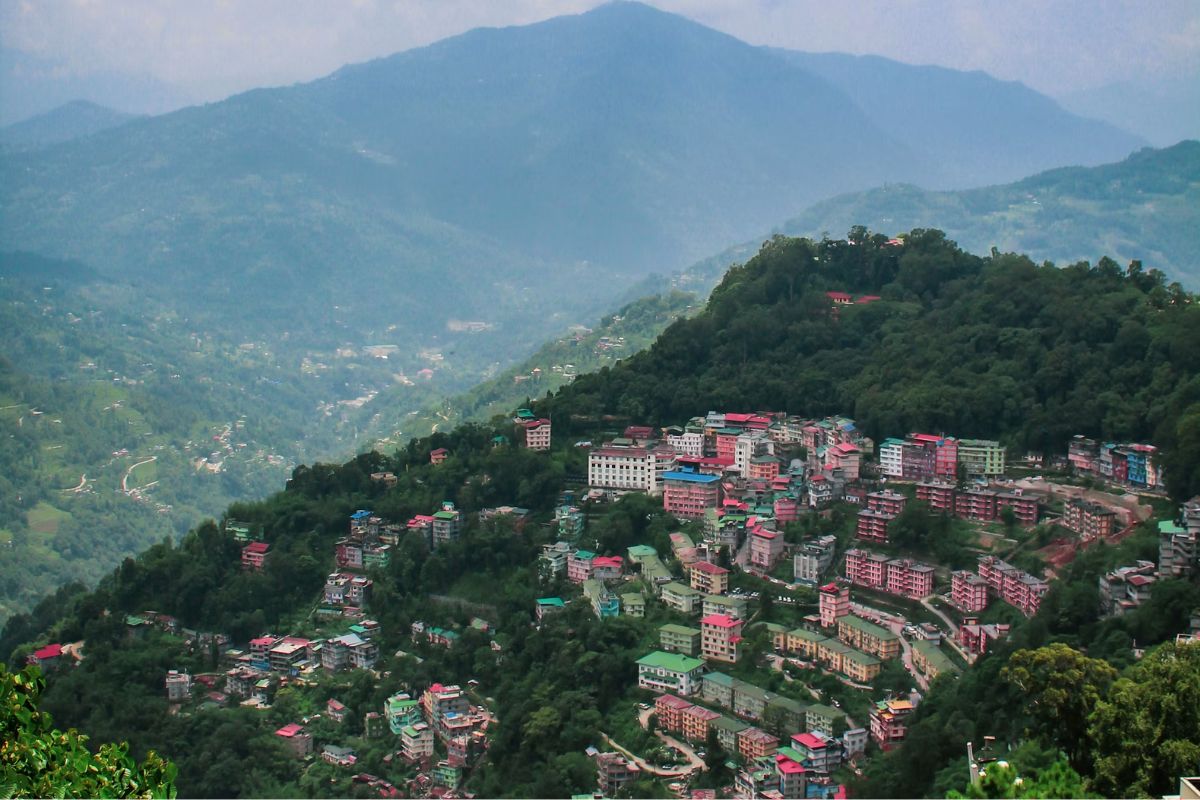
Perched at an elevation of 5,410 feet, Gangtok is known as the cultural heart of Sikkim. It is a vibrant capital that blends deep-rooted Buddhist heritage with modern urban charm. You can explore the pedestrian-friendly MG Marg, which is known as the town’s bustling center. It offers a vehicle-free, clean stretch with shops, local eateries, and colorful cafes. You can also visit historic monasteries like Enchey and Rumtek. It is known for housing sacred Buddhist relics and intricate Tibetan architecture. The city is also home to the Himalayan Zoological Park and the Namgyal Institute of Tibetology. Do not miss out on the cable car rides across the valley as well as viewpoints like Tashi View Point. They are known to offer breathtaking views of Mount Kanchenjunga on clear days.
Tsomgo Lake & Nathu La Pass
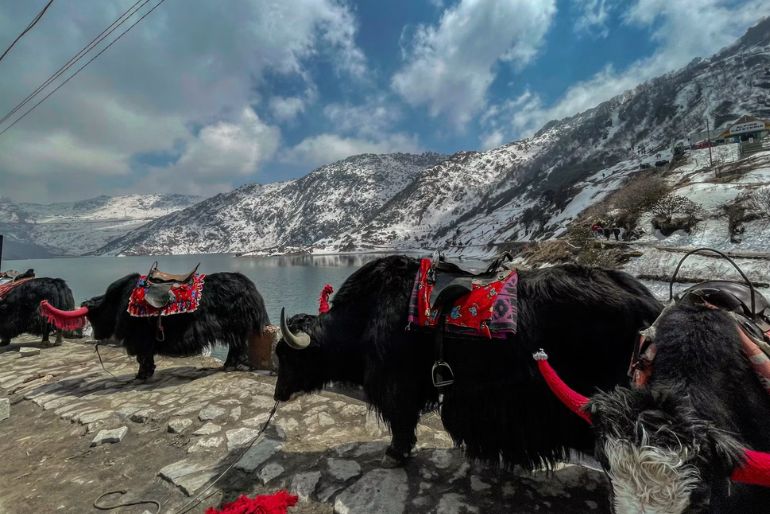
Tsomgo Lake is a sacred glacial lake located roughly 38 km from Gangtok at 12,310 feet. It is known for changing colors with the changing seasons. The lake is enclosed by snow-capped peaks, and it also freezes during the winter season. It is also bordered beautifully by colorful alpine flowers during the spring season. If you travel 16 km further up the Old Silk Route, you will reach the Nathu La Pass. It is situated about 14,140 feet along the Indo-China border. This strategic pass offers a glimpse into India’s international border outpost and views of the Tibetan mountain ranges. Do not miss out on visiting the Baba Harbhajan Singh Mandir and taking yak rides along the Tsomgo Lake. Remember that visiting both these destinations means you will need a special Protected Area Permit (PAP).
Also Read: How Many Days Are Enough For Sikkim? 5, 7 & 10-Day Itineraries
Yumthang Valley
Situated at an altitude of 11,800 feet in North Sikkim, Yumthang is known as the valley of flowers with a Himalayan crest. If you visit this valley between April and May, you will see the valley transform into a colorful carpet of more than 24 species of poppies, primulas, and rhododendrons as they come into full bloom. There are glacial river streams along with gentle pasture lands where you can spot yaks grazing. This area also houses natural thermal hot springs, which are believed to have medicinal properties. From Yumthang to Zero Point (Yumesamdong), travelers often extend their journey. You can reach this valley via the picturesque village year-round. This valley is said to be one of the most visually stunning spots in North Sikkim.
Gurudongmar Lake
Resting at an incredible 17,100 feet above sea level, Gurudongmar Lake is known as one of the high-altitude natural lakes in the world. The lake is known to hold immense spiritual importance for Hindus, Sikhs, and Buddhists alike. According to a local legend, Guru Padmasambhava blessed this lake, and hence a part of it remains unfrozen even in sub-zero winters. The surrounding area is a windswept, high-altitude cold desert terrain that looks a lot like the Tibetan plateau. Due to low oxygen levels and extreme altitude, visiting this place requires acclimatization overnight. The beautiful sight of snow-capped mountains with clear blue lake waters makes it an unforgettable experience.
Peling & Yuksom
Pelling and Yuksom are located in West Sikkim and are known as the historic, ecological, and spiritual heartland of the state. Pelling is known for its panoramic, close-up views of Mount Kanchenjunga. It also has other attractions like the historic Pemayangtse Monastery and the glass Pelling Skywalk. You can also visit the Rabdentse Ruins, which is located just a short walk away from here. It is the archaeological remains of Sikkim’s second royal capital and is hidden within the dense forest groves. Yuksom also holds a lot of importance as the first capital of Sikkim. Here, three revered monks consecrated the first Chogyal, or monarch, in 1642. It serves as the trailhead for high-altitude treks.
Also Read: Which Destinations In North Sikkim Should Be On Your List? Here’s Are Top 10 Places To Add
Namchi & Ravangla
Located in South Sikkim, the towns of Ravangla and Namchi are known as major eco-tourism and spiritual hubs. Both these places are beautifully surrounded by rolling green hills and tea gardens. Namchi is famous among people for Siddeswar Dham, located atop Solophok Hill. It is a grand pilgrimage complex that features a 108-foot statue of Lord Shiva. Ravangla, on the other hand, is nestled at the base of Maenam Hill, which is known for the Buddha Park. This park houses a colossal 130-foot copper flipped statue of Lord Buddha set between manicured gardens. This region is also home to Temi Tea Garden, which is the only organic tea estate in Sikkim.
Sikkim Travel Experiences
Himalayan Trekking
Trekking in Sikkim offers you access to the untouched Himalayan wilderness, up-close views of Mount Kanchenjunga, and ancient mountain passes. The world-famous Goechala Trek takes you through dense rhododendron forests and high alpine meadows right to the foot of Kanchenjunga (southeast). You can also opt for shorter trails like the Dzongri Trek, which has a challenging climb that offers unbelievable sunrise vistas. If you are a nature enthusiast, you must go for spring trekking through the Barsey Rhododendron Sanctuary. There are trails that take you through the UNESCO World Heritage Site, Khangchendzonga National Park. It is home to rare wildlife like Himalayan red pandas and snow leopards.
Also Read: 10 Best Cafes & Restaurants In Gangtok You Need To Visit On Your Trip To Sikkim
Sikkimese Cuisine
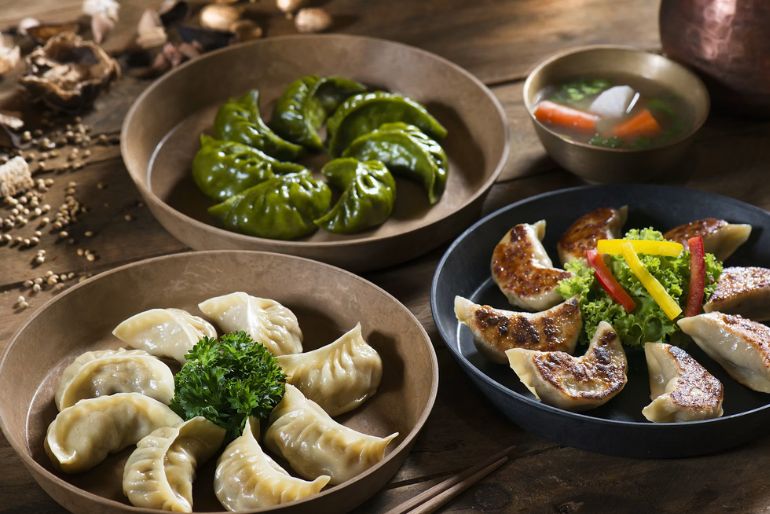
Sikkimese cuisine reflects a blend of Bhutia, Nepalese, and Tibetan traditions. It is heavily reliant on fresh organic local ingredients. Steaming bowls of thukpa and steamed momos filled with meat or vegetables are some of the staple comfort food which is enjoyed across the state. Unique local specialities include Phagshapa and fermented food like gundruk. The cuisine frequently features one of the world’s hottest red chilli peppers, Dalle Khorsani, which is turned into spicy chutneys. Traditional ring-shaped rice bread called Sel Roti is prepared freshly during festive occasions. You can also sip Tongba, which is a comforting millet beer served in wooden containers.
White Water Rafting
If you are someone who looks for adventure, Sikkim is surely the right place for you. Teesta and Rangeet rivers offer one of Northeastern India’s most exciting adventure activities known as white water rafting. The river currents feature rapid grades ranging from Class II to IV which can easily accommodate both seasoned and first-time paddlers. You get to experience rafting on foaming rapids surrounded by deep gorges, dense alpine rainforests, and remote sandy riverbanks. The professional river guides ensure strict safety protocols while navigating through it.
Cultural Festivals
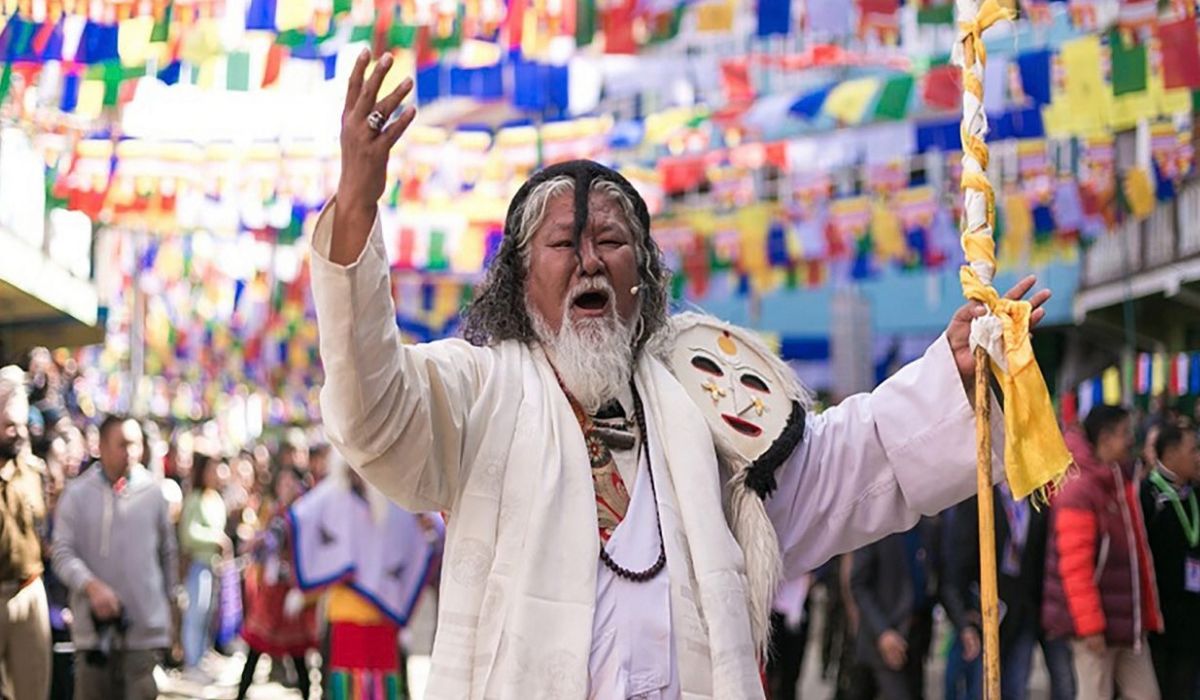
Sikkim is best experienced through its deeply spiritual and vibrant cultural festivals, which are celebrated throughout the year. The Tibetan New Year, Losar, fills monasteries with intricate prayers, sacred Cham mask dances, and butter sculptures. The most sacred Buddhist event, Saga Dawa, celebrates the birth, enlightenment, and parinirvana of Lord Buddha with grand street processions. They also celebrate Pang Lhabsol, a festival dedicated completely to paying homage to Mount Kanchenjunga as the divine guardian of Sikkim.
Also Read: What Is the Best Time To Visit Sikkim? Month-by-Month Guide
Summing Up
Sikkim is a paradise of snow-capped mountains, vibrant monasteries, pristine lakes, and rich cultural heritage. It is one of those states that should be on every traveler’s list for its natural beauty, adventures, and history.