
Sikkim, for the most part, is one of the most underexplored destinations in India. With mountainous landscapes, ancient monasteries, and tranquil, high-altitude lakes, Sikkim is ideal for those looking for a peaceful mountainside escape. And if you’re planning to visit Sikkim, you must plan it in advance and take note of the peak and off-season. Which is why, in this blog, we’ll share with you information about the best time to visit Sikkim. Let’s get started!
When Is The Best Time To Visit Sikkim?
Generally, March to May and September to mid-December are considered the most favorable periods for a Sikkim trip. These months are ideal for travelers looking for pleasant weather, clear mountain views, and easier sightseeing. Roads, tunnels, and most shops and restaurants are open during these months. However, every season has its own appeal.
Here’s a month-by-month guide to help you decide when to visit Sikkim.
Best Time To Visit Sikkim: At A Glance
The ideal time depends on what you want to experience.
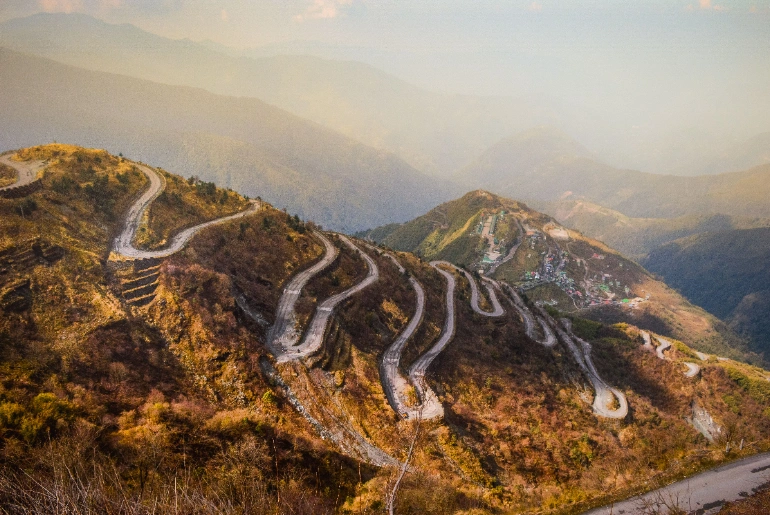
- March to May: Best for flowers, nature walks and comfortable sightseeing
- June to September: Monsoon season; lush landscapes but frequent rain and possible travel disruptions
- September to November: Best for clear skies, mountain views and trekking
- December to February: Best for snow experiences and winter landscapes
Now, let’s take a closer look at Sikkim through the year.
March: The Beginning Of Spring
March marks the arrival of spring in Sikkim. Temperatures begin to rise but mornings and evenings can be chilly, especially in Gangtok and higher areas. The landscape comes alive with vibrant flowers, including rhododendrons and orchids. March, is therefore, a good month for nature enthusiasts looking to enjoy spring in Sikkim.
It is also a good time for sightseeing around Gangtok and exploring monasteries and lower-altitude destinations without the intense cold of winter.
April: One Of The Best Months For Sikkim
April is often considered to be one of the best months to visit Sikkim. Spring is in full-swing and temperatures are pleasant enough for day-round sightseeing. Rhododendron, orchids, and other colorful flowers carpet the lush green hills. The weather is also generally suitable for exploring places around Gangtok and traveling to destinations in South and West Sikkim. If you want a balance of pleasant weather, greenery and blooming flowers, April is an excellent choice.
May: Pleasant Weather And Lush Landscapes
May continues the streak of pleasant weather and lush, vibrant landscapes. This is a popular period marked by plenty of tourist arrivals. The weather is well suited to sightseeing, short hikes, and exploring destinations like Pelling, Namchi, and Ravangla. The month is ideal for enjoying most of Sikkim’s outdoor attractions and mountain viewpoints. However, you are likely to encounter considerable tourist crowds as May is one of the peak months for sightseeing.
June: The Monsoon Begins
June marks the beginning of light rain showers in Sikkim. Rainfall gradually becomes more frequent as June ends, particularly in the lower and middle-altitude regions.
The hills turn exceptionally green during this time. However, heavy rains can sometimes affect road conditions, visibility, and ultimately, travel plans! If you’re visiting Sikkim in June, remember to keep a tab on weather updates and local news.
July: Peak Monsoon
July is one of the wettest months in Sikkim. The rain transforms the landscape into different hues of green but travel can become challenging, especially during heavy downpour. Landslides, slippery roads, and poor visibility are common problems you’ll likely face in the month of July. High-altitude excursions can also be disrupted depending on weather and road conditions.
For this reason, July is definitely not the best time to visit Sikkim. However, if you enjoy monsoon landscapes and don’t mind changing your plans, July can be enjoyable.
August: Rainy And Quiet
August continues the monsoon season, with frequent rainfall across much of Sikkim. While there might be ample greenery, frequent landslides, road blockages, and heavy rains make a Sikkim trip almost unfavorable in August.
If you plan to visit during August, avoid packing your itinerary too tightly. Allow extra time for road journeys and keep alternative plans ready.
Also Read: Best Offbeat Villages In Sikkim
September: The Weather Starts Improving
September is when the rain breathes easier and conditions begin improving for Sikkim sightseeing. While it is not the best time to visit Sikkim, the month acts like a bridge between the fading monsoon season and the upcoming brief autumn season. Towards the end of September, the weather usually becomes pleasant, with clearer skies and only gradual rain showers.
For travelers hoping to avoid the busiest period while still enjoying improving weather, late September can be a good option.
October: Peak Travel Season
While September is when the weather begins to improve, October marks the beginning of the tourist season. The monsoon has largely withdrawn, skies are clearer and temperatures are pleasant. This is an excellent period for exploring Gangtok, Pelling, Ravangla, and other popular destinations. But do note that this is the tourist season and you’re likely to encounter larger crowds.
November: Clear Skies And Crisp Weather
November continues the favorable autumn season. The weather becomes cooler, but daytime conditions are generally comfortable for sightseeing. Pack warm layers, especially if you plan to travel to higher elevations or spend time outdoors early in the morning and after sunset. With favorable weather conditions in November, Sikkim is one of the best autumn destinations in India.
December: Winter Arrives
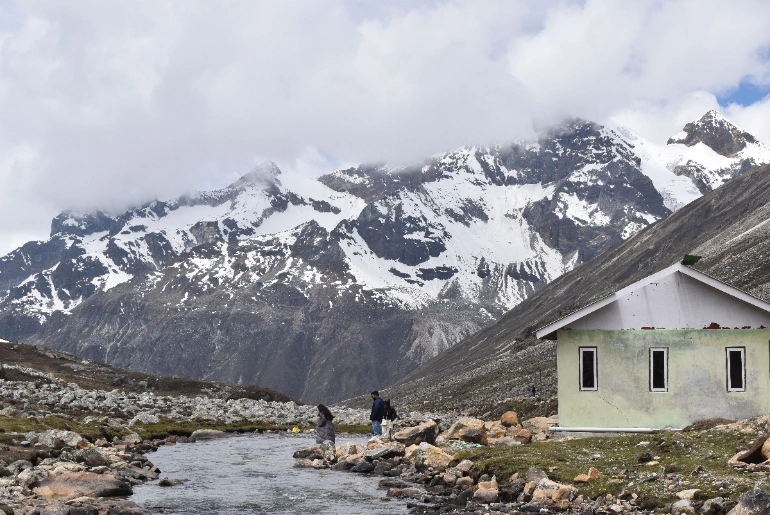
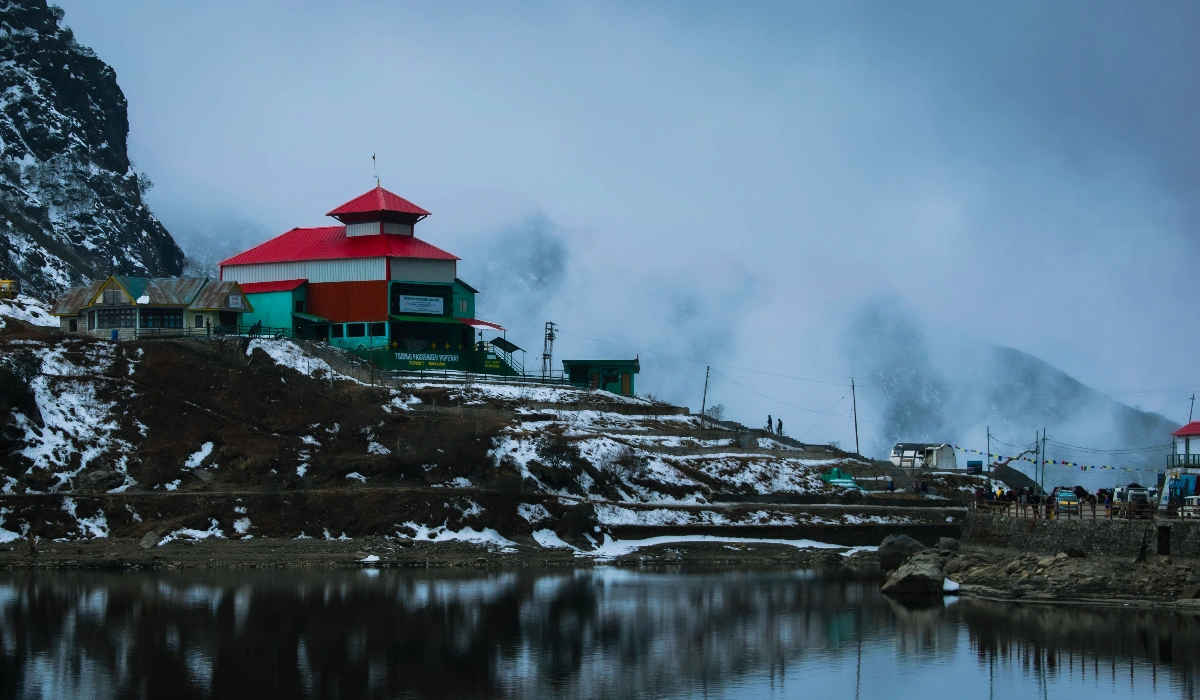
December marks the beginning of winter in Sikkim. Temperatures drop significantly and at higher elevations, some areas may experience Sikkim snowfall season. Gangtok can be cold, while North Sikkim can be considerably colder. Naturally, road conditions can become worse, with road blockages due to snow being common in high-altitude areas of Sikkim. Just make sure you are prepared with warm clothing and check accessibility before heading to high-altitude destinations.
January: For Snow Lovers
January is one of the coldest months in Sikkim. High-altitude destinations can experience heavy snowfall. This can turn destinations like Yumthang Valley, Gurudongmar Lake, and Lachung into spectacular winter landscapes. However, snow can also mean road closures and restricted access. Not every high-altitude destination will necessarily be accessible during severe weather.
February: Winter Begins To Ease
February remains cold but conditions begin transitioning towards spring. Snow can still be found in higher areas, while lower-altitude destinations can become snow-free. It is a relatively quieter period compared with the peak spring and autumn seasons, making it appealing to travelers seeking fewer crowds.
Also Read: Adventure Sports In Sikkim
Which Is The Best Season To Visit Sikkim?
Spring: March To May
Spring is ideal if you want to experience pleasant weather, blooming flowers, and green mountain landscapes. It is particularly attractive for photographers, nature lovers, and those who want to experience spring in Sikkim.
Monsoon: June To September
Monsoon brings dramatic greenery and waterfalls but also unpredictable weather. During monsoon season, road blockages and landslides can be common problems, so this season requires flexibility.
Autumn: September To November
Autumn is arguably the best time to visit Sikkim for most travelers. Clear skies, crisp weather, and excellent mountain scenery make it perfect for sightseeing in this window.
Winter: December To February
Sikkim in winter is best suited for travelers who specifically want snow and cold-weather experiences. Between December and February, higher-altitude areas can be spectacular but can experience snowfall.
Do you know about this village in East Sikkim that has become India’s first digital nomad village?
Author’s Note
Sikkim is a destination that has something to offer for all kinds of tourists. And with four distinct seasons, the state offers diverse experiences for tourists. If dramatic mountain views and trekking are your priorities, autumn is a safer bet. And if snow-covered landscapes are what you’ve been dreaming about, winter can be worth the cold.
Summing Up
Sikkim’s weather can vary significantly with altitude. Conditions in Gangtok may be completely different from those in Lachung, Yumthang or Gurudongmar Lake. Always check current weather and road conditions before travelling to high-altitude areas.