
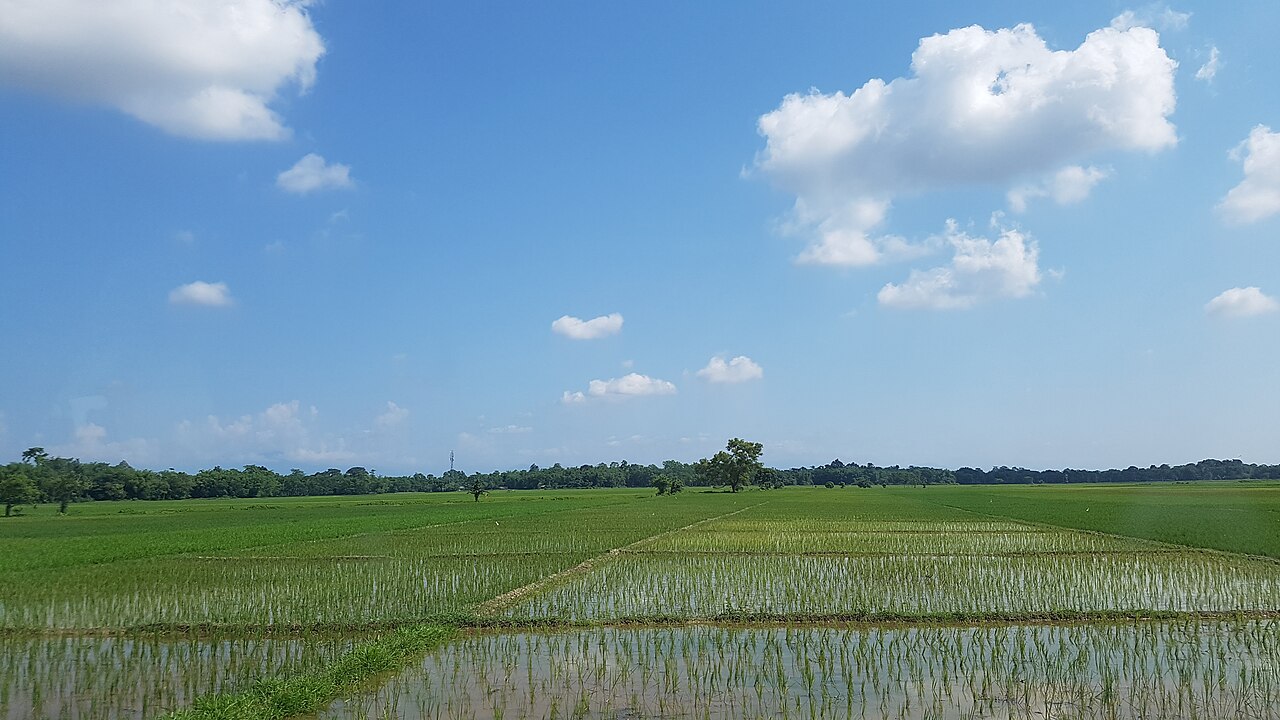
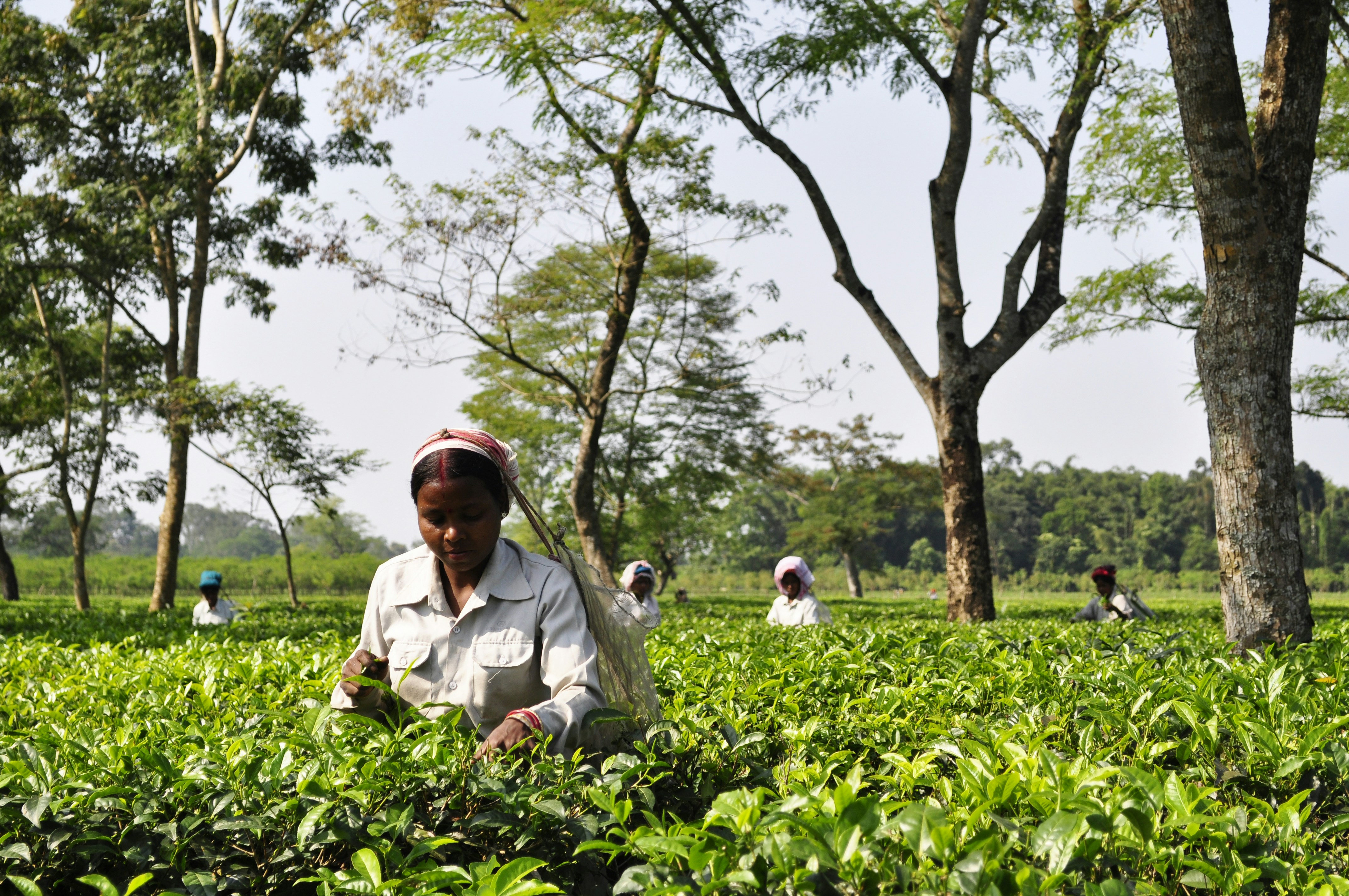
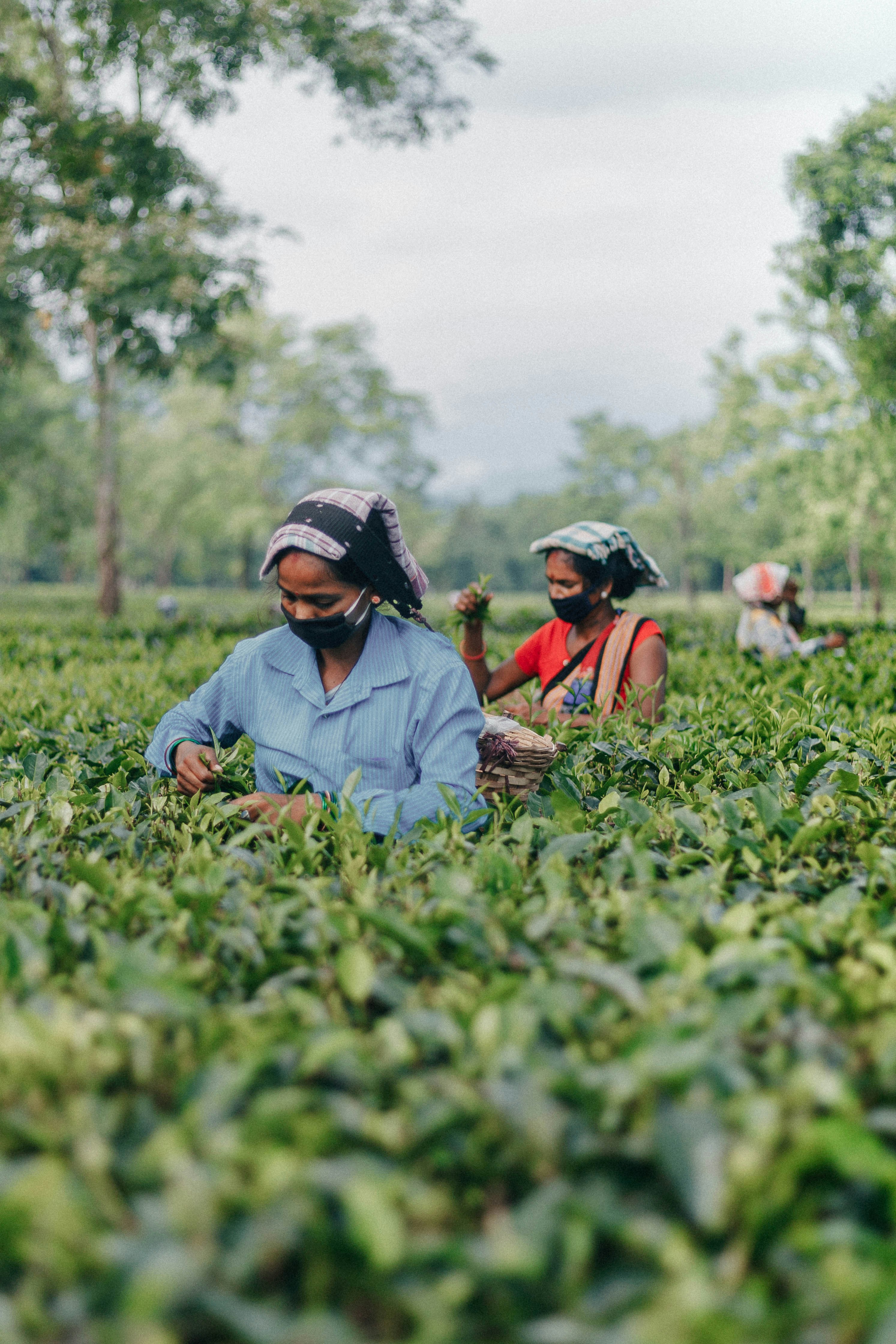
Located along the beautiful Brahmaputra and Barak River Valleys, Assam is a state that is in the Northeast of India, one among the seven sisters in our country. Assam, with its vast and evergreen tea plantations, hosts a wide range of stunning flora and fauna and boasts a cultural and natural history unmatched by any.
Known for more than just its tea and Bhoot Jolokia pickles, Assam is truly a sight to behold. Planted south of the eastern Himalayas, the state is a cultural beacon that is home to multiple World Heritage Sites, national reserves, and parks. It also houses a sanctuary with several rare and endangered species of animals and plants like the one-horned Indian rhinoceros, pygmy hog, golden langur, three-keeled Asian turtle, the Asian elephant, and many more.
For tourists, Assam offers the best of both worlds! There are the lush green rolling plains that offer a once-in-a-lifetime respite in the lap of nature for the nature-lovers, as well as a strong urban presence with cities like Guwahati. Guwahati, or the capital of the state, is today considered one of the fastest-growing cities and is popularly dubbed ‘Gateway to Northeast India’ as people who want to reach many of the less connected neighboring states often take the passage through Guwahati, owing to its high connectivity. It’s a huge commercial center and elevates the national significance of Assam with its wide array of temples and marketplaces.
ALSO READ | India’s First Vande Bharat Sleeper Train Unveils Menu Featuring Authentic Bengal And Assam Flavours
History And Culture Of Assam
Assam’s history dates back to the Stone Age! The name itself is said to be derived from the Ahom Dynasty, which was previously called ‘Shan’. Assam, as a region, was passed from one dynasty to another for centuries before it gained the state autonomy that it has today. First, the Bodo-Kachari Dynasty was followed by the Ahom (Shan) dynasty, after which Koch from Bodo-Kachari, once again, established sovereignty in the early fifteenth century.
The British government allowed land to be rented out from Assam in early 1835-36, marking the beginning of the region’s tea plantation history. The salubrious climate, as well as its large area, made it possible for tea plantations to flourish. Although initially, Assam was just a part of the first Bengal Presidency and the Eastern Bengal and Assam province, it was only after the partition of 1947 that Assam became a constituent state of India.

Because of its long legacy and aboriginal and tribal residence, Assam’s culture is extremely diverse. It’s a confluence of many different cultural practices and rituals stemming from various racial and tribal groups. Today, there are multiple tribes like Miri, Bodo, Kachari, Karbi, Mishimi, Rabhaco co-existing within the state and making its cultural fabric all the richer.
ALSO READ | 7 Fun Things To Do In Assam During Monsoon
As for religion, Assam has a majority of Hindus followed by Muslims, Christians, Buddhists, Jains, and Sikhs (in that order). Assamese is the traditional language of Assam, spoken by over 23 million speakers, followed by Bengali, Bodo, and Hindi. The traditional attire for men in the state is the classic white dhoti-gamosa, while women can be observed wearing the mekhela chador, which is a two-piece variant of a saree and is traditionally woven with complex patterns of animal, plant, and bird motifs called ‘Paari’.
Assamese cuisine, like most Northeastern cuisines, rests fundamentally on the staple of rice. People often pair rice with scrumptious preparations of meat, lentils, or vegetables. A few authentic delights you ought to try while visiting the region include Khaar (meat prepared with papayas, taro, and pulses), Hanhor Mangkho (roasted duck cooked in ash grounds garnished with sesame, lentils, and pumpkins), Masor Tenga (slow-cooked fish curry that comes with a heavy tomato broth), Aloo Pitika (mashed potatoes in mustard oil, green chilies, and coriander), Silkworm preparations, and Baanhgajor Lagot Kukura (chicken meat cooked with bamboo shoots and paired with sticky rice).
ALSO READ | A 14-Day Guide To Backpacking Through Northeast India
How To Get To Assam
By Air: The state’s international airport is located centrally in the city of Guwahati and is called the Lokapriya Gopinath Bordoloi International Airport. For international (and domestic) fliers, it’s easiest to book a flight to this airport and then cover the rest of the distance to their destination through either bus or prepaid taxicab services available at the airport.
For domestic flights, it’s easier to access the Dibrugarh Airport at Mohanbari, which has frequent flights to and from all the other major cities in the country. You can easily avail prepaid taxicab services from designated booths at the airport.
By Train: The Guwahati Railway Station is an exceptionally central railhead that is not more than 5 kilometers away from the city center. This railway station is quite well-connected with other major cities in the country, like Kolkata, Chennai, Delhi, Mumbai, and Bangalore.
By Road: Guwahati is a fairly well-advanced city that boasts a sturdy road network. Private and public buses ply regularly and even have stops in the smaller towns of the state. A few major National Highways that connect Assam with the rest of the country are NH 31, 37, 38, 40, and 52. However, during the monsoons, waterlogging and road blockages can make road travel quite difficult.
ALSO READ | Try Famous Food In Assam To Satiate Your Taste Buds
Best Time To Travel To Assam
Assam has a humid subtropical climate, which makes it a pleasant place to visit in the spring and winter. The winter season in the state is quite cold and refreshing and offers solace to those escaping the heat of the rest of the subcontinent, with temperatures ranging between 8°C and – 25°C.
The winter months offer the perfect opportunity to experience the famous Bihu festival (a regional offshoot of Makar Sankranti), typically celebrated in January or February, making it well worth the visit. The Bihu festival is a harvest festival that is a melange of traditional folk music, folk dance, and regional cuisine, including Khaar, Maangsho, Xaak, etc.
Avoiding the region in the monsoon season is the smartest, as even though the rains make the plantations more lush, it can be quite difficult to travel and explore the exteriors of the state because of the incessant rains and blocked traffic.
ALSO READ | 7 Unique Festivals In Northeast India That Deserve A Spot On Your Travel Calendar
Getting Around Assam
By Taxi: Taxicab services are available across the state and not just in the more developed cities of Guwahati and Silchar. If you’re a traveler from out of state, you can hire these cabs from the railway stations or airports to reach your desired destination. You could also hire the services of car-rental agencies for a clean, hassle-free mode of exploring the various tourist spots in the region.
By Rickshaws: Auto rickshaws are yet another mode of cheap and easily accessible transportation that not only helps you reach the place of your desire, but also gives you a more grounded local flavor of commuting in the state. Additionally, some regions of Assam also have the ‘Pink Autos’ run by and for women to ensure safety and empowerment for female rickshaw drivers and travelers.
By Bus: The Assam State Transport Corporation (ASTC) is the body that is responsible for enacting a public transport system in the state. Assam has several state and local buses that ply regularly and touch even the less developed, smaller towns, making public transport an inexpensive mode of sightseeing while you’re there. You could also hire the services of private bus rentals that will take you through the major tourist spots that the state is home to.
ALSO READ | India’s First Vande Bharat Sleeper Train To Run Between Guwahati-Howrah
On Foot
Known for its tea plantations and wide, rolling plains, Assam makes a great city to explore on foot. It offers plenty of opportunities for walking tours, including several vibrant bazaars and markets like Fancy Bazaar, Maati Centre, and Pan Bazaar, where you can explore and savor the sights on foot.
Breaking Stereotypes About Assam
“Assamese cuisine offers nothing for vegetarians.”
While the Northeast Indian cuisine typically revolves around a set of delectable meat and fish preparations like pork in tamarind sauce, Masor Tenga, etc. Assamese cuisine also involves several culinary options for vegetarian visitors. People across the country renowned Assamese vegetarian thalis for their taste, flavor, and fragrance. Typical accompaniments in the thali include potato bhaji, cabbage and beetroot preparations, steamed and salted eggplant and potatoes, as well as some Bhoot Jolokia pickles to bring some heat.
ALSO READ | 10 Offbeat Places In Northeast India You Must Visit In 2026
Mouthwatering already? Well, what if we tell you that, with a spectacular range of regional desserts, Assam is also a sweet-lover’s haven? Some vegetarian sweets include Bora Chaulor Payas (a dessert made out of sticky rice, milk, and cardamom), Narikol Pitha (coconut, milk, and sugar balls roasted in flour), Xutuli Pitha (fried dumplings stuffed with sesame seeds and rolled in sugar), and Qubani Ka Meetha (a thick, sweet apricot soup topped with almonds and malai).
Kaziranga National Park
Located in Golaghat, Karbi Anglong, and Nagaon districts, the Kaziranga National Park is a world heritage site. The park is today home to two-thirds of the world’s great one-horned rhinoceros population. Other breathtaking varieties of wildlife the sanctuary houses include wild water buffaloes, Indian elephants, capped langurs, Rhesus macaque, the orange-bellied Himalayan squirrel, western hoolock gibbons, Indian muntjac, and the Bengal fox, among numerous others.
There is no denying that this national park is one of India’s crowning gems in terms of natural wildlife and preservation. It also has a large number of rare birds. The landscape boasts gorgeous natural beauty, with large trees, tall elephant grass and reeds, and mesmerizing shallow pools. The National Park is a life-changing experience to visit, especially if you’re an ardent nature-lover or if you simply love to explore the outdoors and the mysteries it holds!
ALSO READ | 8 Must-Go Treks In Northeast India For That Adventurous Holiday
Sualkuchi
Sualkuchi, known as the ‘Manchester of Assam,’ lies tucked in the Kamrup district of Assam. The town boasts a rich history of handlooms and currently serves as the textile hub of the entire state. It’s a weaver’s village that regularly produces the different kinds of silk that the region is famous for, including the Muga silk, the Pat silk, as well as the Eri silk.
Visiting this little town is a great experience in seeing the local people work towards the industry of silk with years and years of love and experience. It’s a great place to get a vibrant, colorful insight into the history of silk and how it is such an indispensable part of Assam’s clothing legacy!
Majuli Island
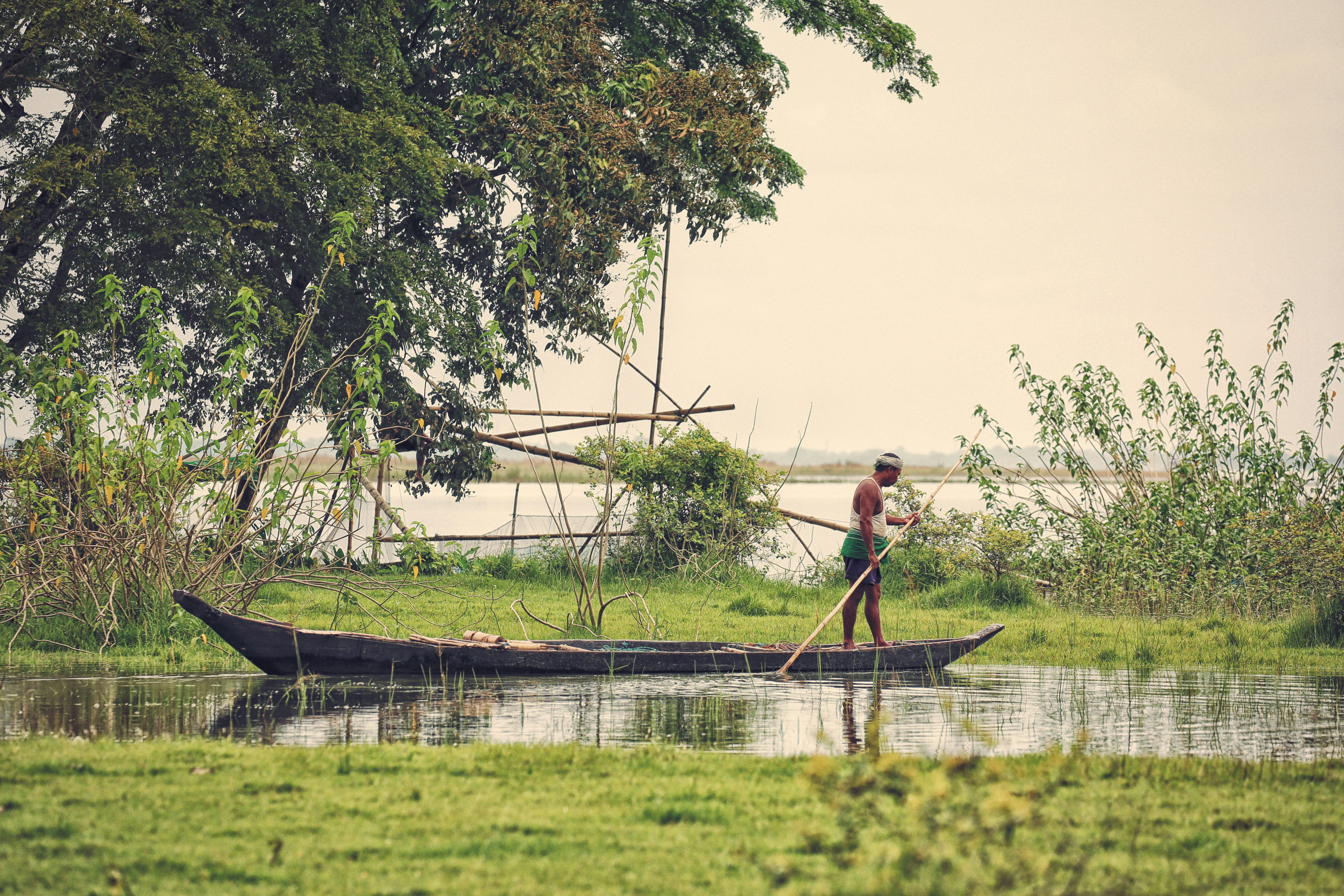
Majuli Island, a large freshwater island in the state of Assam, offers a splendid view of the pristine blue waters and remains entirely pollution-free! Regarded lovingly as the cultural capital of the state, Majuli thrives with the distinct tribal culture of the region, making it incredibly diverse and animated. You can explore the island on foot, and the Brahmaputra River through the ferry services that usually run from 8:00 am to 4:00 am.
ALSO READ | Diwali Special Trains 2026: Indian Railways Announces 100+ Services Across Major Routes