

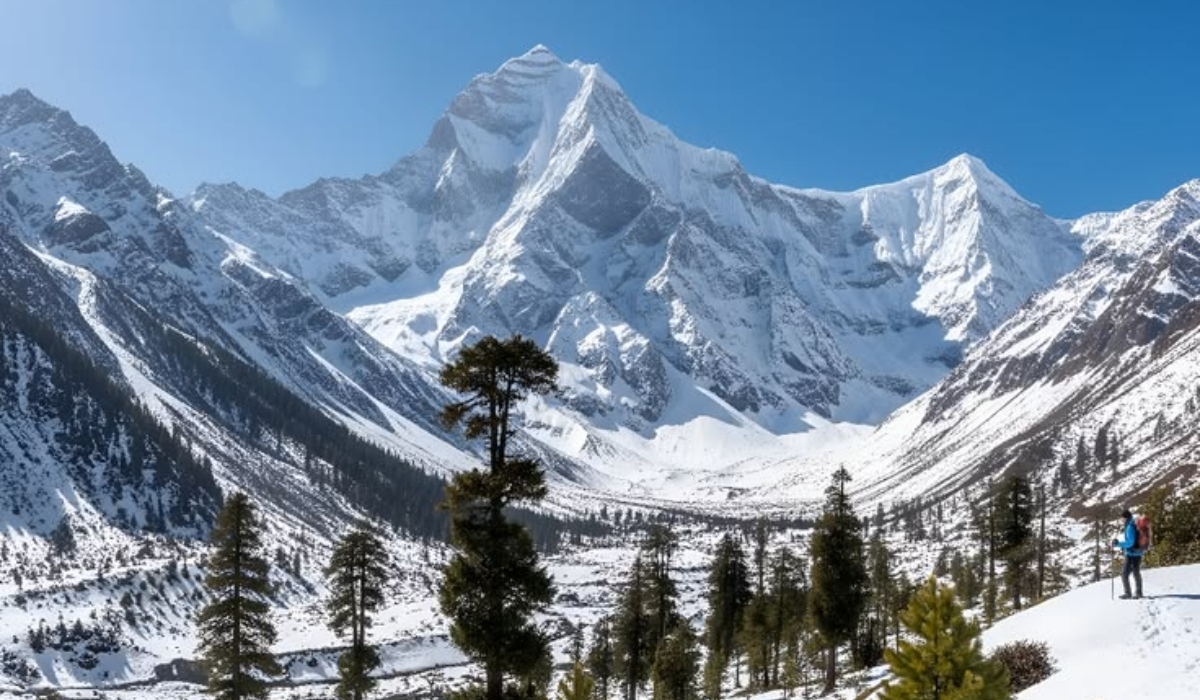
North Sikkim is the part of the state where journeys become longer and landscapes more dramatic. Mountain villages lead to alpine valleys, high-altitude lakes, snow-covered terrain, and roads that reach some of Sikkim’s most remote corners. Lachung and Lachen are the two main bases for exploring the region, but there is much more to see beyond these villages.
Use this North Sikkim travel guide to understand the major destinations and build a route that suits the time you have. Permits, altitude, weather, and road conditions can all influence where you can go. Instead of trying to cover everything at once, start with these 10 places and build a route that suits the time you have.
What Are The 10 Best Places To Visit In North Sikkim?
1. Lachung
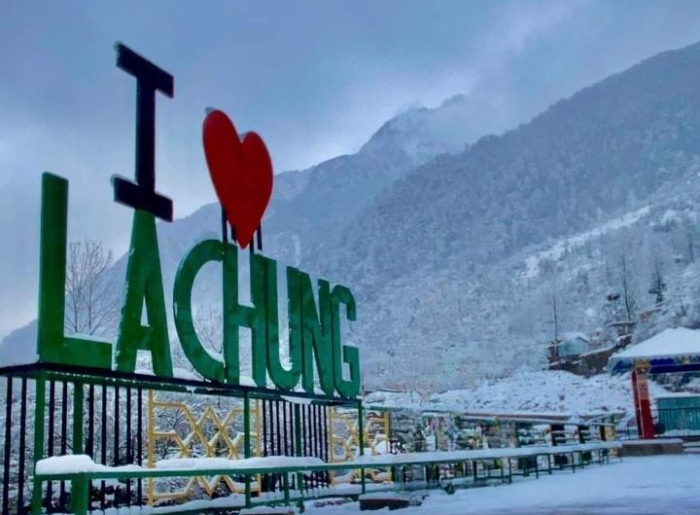
Lachung is more than an overnight halt on the way to Yumthang Valley. At around 8,800 feet, the village sits amid steep mountains, forests, waterfalls, and the Lachung River, giving travelers their first real taste of North Sikkim’s mountain landscape. Spend some time around the village and visit Lachung Monastery before heading farther north. In spring, the surrounding region becomes particularly colorful as rhododendrons begin to bloom.
2. Yumthang Valley
If there is one landscape that defines the Lachung side of North Sikkim, it is Yumthang Valley. Located at around 11,800 feet, the valley opens into alpine meadows framed by mountains, with a river running through the landscape. Spring is famous for rhododendrons and other seasonal flowers, while winter can transform the valley into a snow-covered expanse. Most visitors leave Lachung early in the morning and explore Yumthang as a day trip.
3. Zero Point
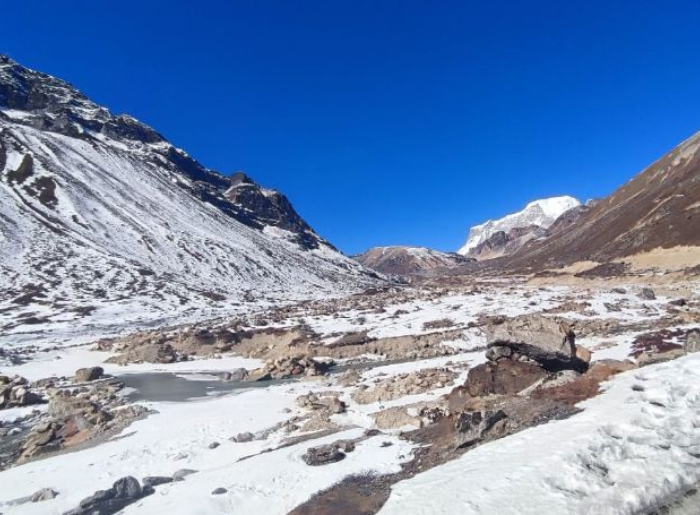
The journey does not necessarily end at Yumthang. Farther ahead is Zero Point, or Yumesamdong, where the motorable road reaches its end near the Indo-China border at approximately 15,300 feet. Trees become scarce at this altitude, and the scenery shifts toward bare mountains and snow-covered terrain. It feels noticeably more remote than Yumthang, which is precisely why many travelers add it to their North Sikkim itinerary.
4. Lachen
Lachen is usually associated with the journey to Gurudongmar Lake, but the village deserves more than a late-night arrival and early departure. Sitting at roughly 9,000 feet, it has wooden houses, mountain paths, rhododendron forests, and views across the surrounding peaks. Lachen Monastery is another worthwhile stop. The village also marks the transition from greener North Sikkim landscapes to the increasingly stark terrain encountered on the journey toward Gurudongmar.
5. Gurudongmar Lake
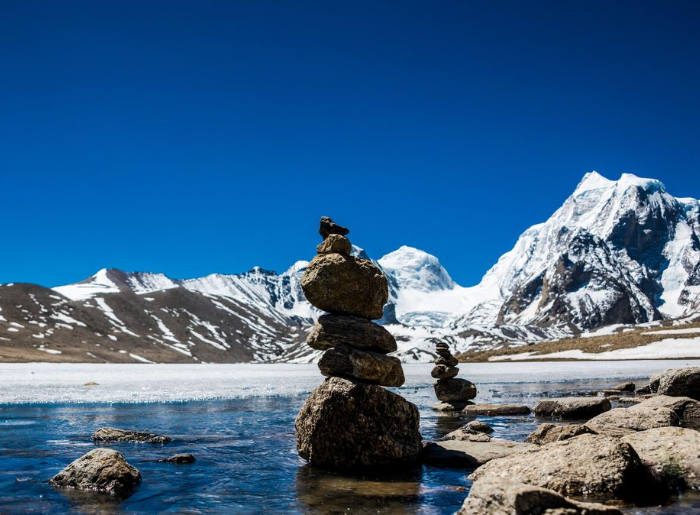
Gurudongmar Lake is one of the most demanding but memorable journeys in North Sikkim. Located at around 17,800 feet, the lake is surrounded by rugged mountains and snow-covered peaks, with very little vegetation at this elevation. It also holds religious significance for local communities. Travelers generally spend the previous night in Lachen and leave early the next morning. The extreme altitude is an important consideration, so this is not a place to rush through or treat casually.
6. Chopta Valley
Chopta Valley is easy to overlook when Gurudongmar Lake is the main objective, but it adds another dimension to the Lachen route. Located near Thangu, the valley combines alpine meadows, seasonal wildflowers, and broad views of the surrounding Himalayan peaks. Its landscape also changes considerably with the seasons. Rather than planning a separate stay, travelers can experience Chopta as part of the journey through the higher reaches of North Sikkim.
7. Chungthang
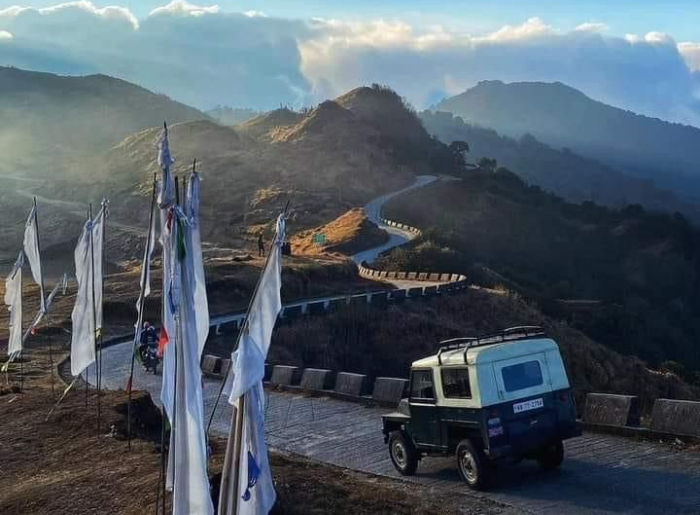
Nearly every journey toward Lachen or Lachung brings travelers through Chungthang. The town stands where the Lachen and Lachung rivers meet, surrounded by forested mountains and waterfalls. It also has religious importance, with local traditions connecting the area to Guru Padmasambhava. Instead of treating Chungthang simply as a road junction, use the stop to see the river confluence and appreciate how the route divides toward two very different parts of North Sikkim.
8. Kala Patthar
Kala Patthar shows a much harsher side of North Sikkim. Located beyond Thangu, this high-altitude viewpoint is characterized by exposed mountains, rocky terrain, snow, and wide Himalayan panoramas rather than forests or green valleys. It is particularly appealing to travelers who want to experience the dramatic landscape found at the upper reaches of the Lachen route. Conditions can be difficult, however, and access should always be confirmed locally.
9. Sanglaphu Lake
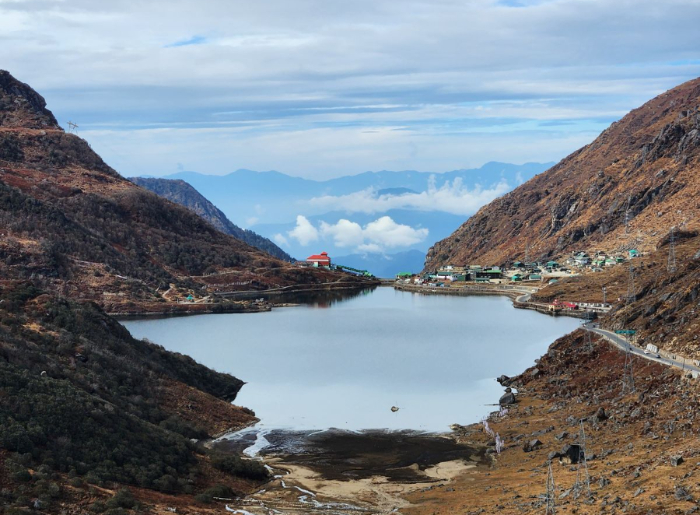
Sanglaphu Lake offers a quieter high-altitude experience near Zero Point. The lake lies amid rugged Himalayan terrain, with clear water and mountains dominating the surroundings. Its relative remoteness is a large part of the appeal, particularly for travelers looking beyond the standard Lachung and Yumthang circuit. Access can depend on current restrictions, weather, and road conditions, so it should be treated as an optional addition rather than a guaranteed stop.
10. Katao
Katao is a worthwhile addition if you are staying in Lachung and have time to explore beyond the usual Yumthang route. The high-altitude area is known for mountain panoramas, open valleys, and seasonal snowfall. During colder periods, snow can completely change the appearance of the landscape. Its location near Lachung makes it relatively easy to consider as an additional excursion, although road and access conditions should be checked before setting out.
Which North Sikkim Places Can You Cover Together?
The easiest way to plan a trip to North Sikkim is to focus on its two main routes. From Lachung, travelers can explore Yumthang Valley and consider Zero Point and Katao depending on access. Lachen is the better base for Gurudongmar Lake and places along that route, including Chopta Valley and Thangu. Chungthang is an important junction connecting the journeys toward both Lachen and Lachung.
Trying to fit every destination into a short itinerary can make the trip unnecessarily exhausting. If time is limited, concentrate on one side rather than spending most of the holiday inside a vehicle. Wondering what to explore around the capital? Here are seven places to visit in and around Gangtok for your next Sikkim trip.
How Many Days Are Enough For North Sikkim?
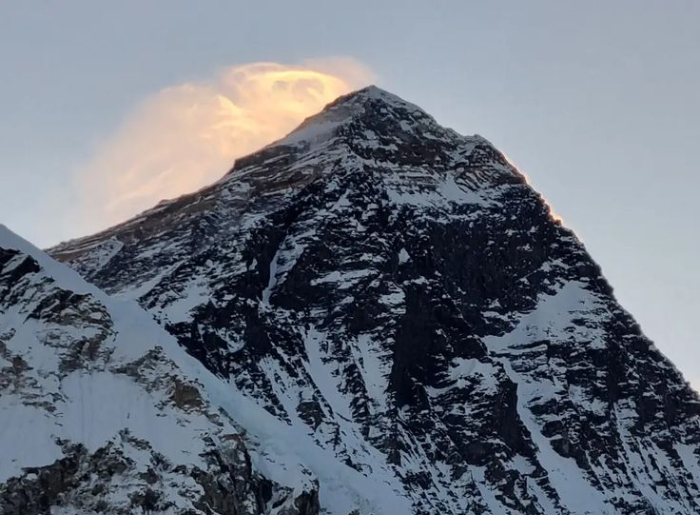
The number of days depends on how much of the region you want to explore. A shorter trip can focus on Lachung and Yumthang Valley, while travelers combining the Lachung and Lachen routes need additional time. The distances in the mountains can be misleading, as a relatively short distance may still take several hours of driving due to winding roads, weather, traffic, or temporary disruptions. Keeping some flexibility in the itinerary is more practical than planning every day too tightly.
When Is The Best Time To Visit North Sikkim?
Spring is usually the best time to visit Sikkim. Autumn is another popular period, with clearer skies improving the chances of good Himalayan views. Winter brings snowfall to destinations including Lachung and Lachen, but snow can also restrict access to higher areas.
Monsoon requires greater caution. Heavy rain can trigger landslides, disrupt roads, and affect access to North Sikkim, so travelers visiting between July and September should keep their plans flexible. Planning a trip to Sikkim? Here’s how to reach Sikkim by flights, trains, road trips and transfers.
Do You Need A Permit To Visit North Sikkim?
Several protected and high-altitude destinations in Sikkim require permits. These can vary by destination and traveler, and the rules may change. Confirm the latest permit requirements before departure rather than assuming that one approval covers every place on your itinerary.
What Should You Know Before Visiting North Sikkim?
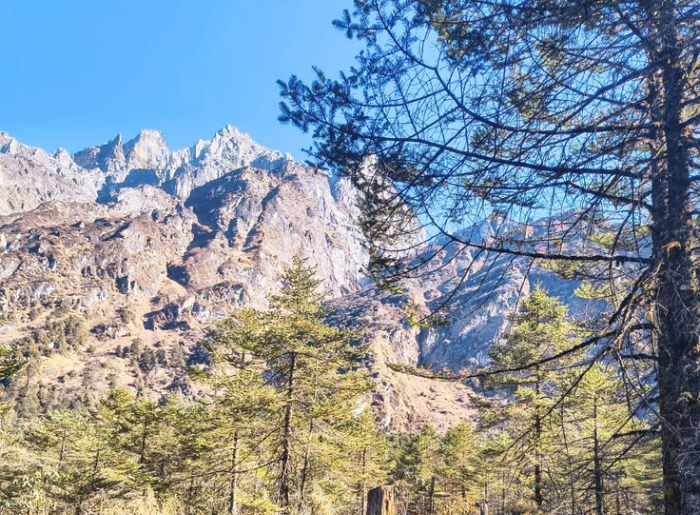
Altitude is one of the biggest considerations, particularly when traveling toward Gurudongmar Lake, Zero Point, and other high-altitude locations. Allow your body time to adjust and avoid treating the journey as a race between sightseeing stops. Weather can also change quickly, while road closures may alter a planned route. Carry suitable warm clothing, keep essential medicines with you, and confirm current road and permit conditions before leaving for remote areas.
Author’s Note
North Sikkim is one of those places where the journey matters just as much as the destination. Long mountain roads, changing landscapes, unpredictable weather, and high altitudes are all part of the experience. Keep the itinerary realistic, leave some room for changes, and avoid trying to squeeze every possible stop into a single trip. Curious about Sikkim’s sustainable tourism story? Discover why Sikkim is India’s only fully organic destination and what makes it stand out.
Summing Up
The best places to visit in North Sikkim offer a wide range of experiences, from the villages of Lachung and Lachen to the alpine scenery of the Yumthang Valley and the high-altitude landscapes around Gurudongmar Lake and Zero Point. The key is not to cover all 10 destinations at any cost. Choose a realistic route based on your available days, permits, weather, and current road conditions, and leave enough time to enjoy the journey rather than rushing.




2 Responses