
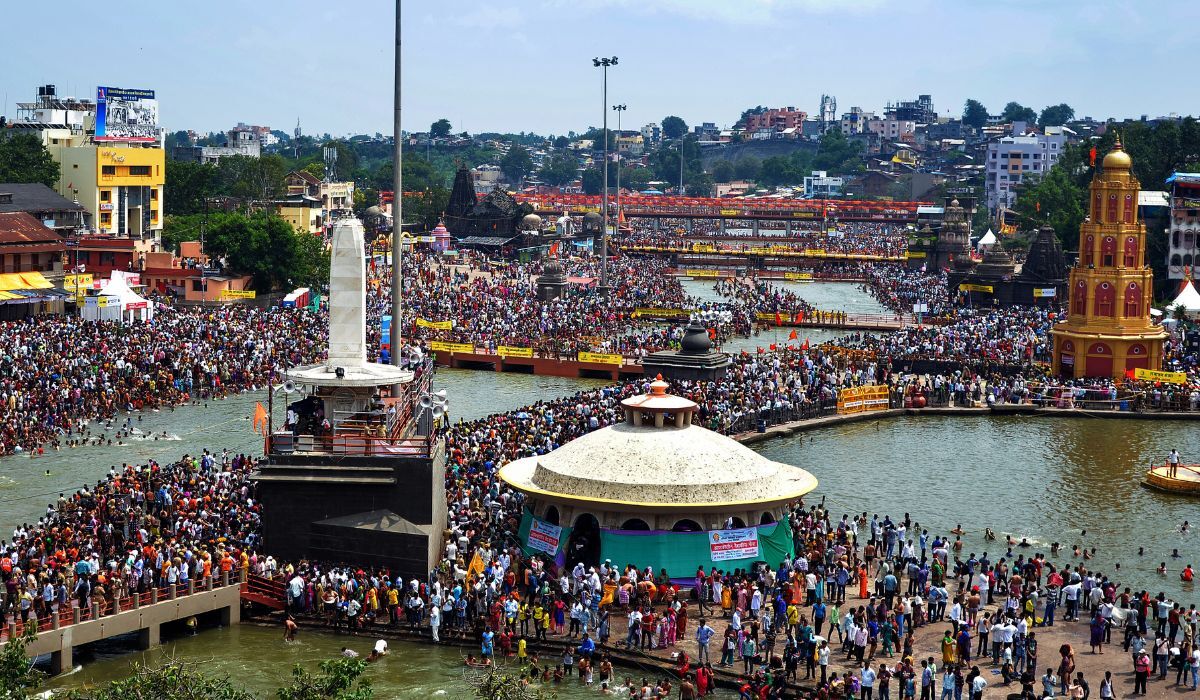
The Simhastha Kumbh Mela in Nashik and Trimbakeshwar, commonly known as the Nashik Kumbh Mela, is one of the largest spiritual gatherings on the planet. It is celebrated once every 12 years when Jupiter enters the zodiac sign of Leo or Simha Rashi. Hordes of pilgrims, ascetics, and travelers from around the globe converge on the banks of the sacred Godavari River to take a holy dip believed to cleanse sins and grant spiritual liberation or moksha. The actual rituals for the Nashik-Trimbakeshwar Simhastha Kumbh Mela begin with the ceremonial flag hoisting, which is Dhwajarohan, on October 31, 2026. This mela will then go on till July 24, 2028! Here are more details about this incredible festival.
Main Dates And The Amrit (Shahi) Snan Calendar
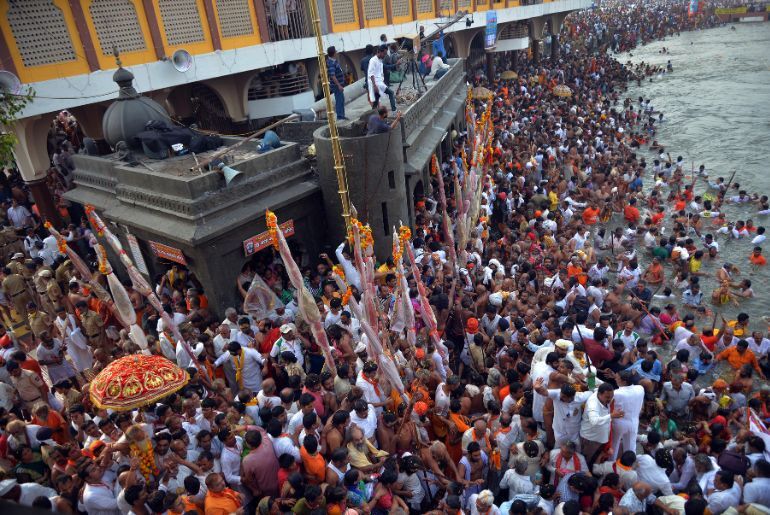
The holy Amrit Snan is different from the daily bathing in the Godavari that occurs throughout the 21-month period. The former is when saints, Mahamandaleshwars, and Naga Sadhus of various Akhadas lead royal processions into the water during the astrologically supreme moments. After this grand ceremony, the open public bathing commences.
Dhwajarohan (Flag Hoisting)
This is the ceremonial commencement that takes place at Ramkund (Nashik) and Kushavarta Kund (Trimbakeshwar).
Date: October 31, 2026
First Amrit (Shahi) Snan
This takes place on the Ashadh Somvati Amavasya and marks the grand opening royal bath at Ramkund and Kushavarta.
Date: August 2, 2027
Second Amrit (Shahi) Snan
Taking place on the Shravan Amavasya, it marks the central, largest single bathing day of the entire Kumbh.
Date: August 31, 2027
Third Amrit Snan (Vaishnava)
This auspicious occasion falls on the Bhadrapada Shuddha Ekadashi and is dedicated to the dedicated to Vaishnava Akhadas and the rituals take place at Ramkund in Nashik.
Date: September 11, 2027
Third Amrit Snan (Shaiva)
Falling on the Bhadrapada Dwadashi, the rituals on this day take place at Kushavarta Kund, Trimbakeshwar, and are dedicated to theShaiva/Naga Akhadas.
Date: September 12, 2027
Dhwajavarohan (Flag Lowering)
This marks the official conclusion of the Simhastha Kumbh Mela.
Date: July 24, 2028
Also Read: Attend These 5 Winter Festivals In India: Pushkar, Hornbill Festival, Jaipur Lit Fest & More
Understanding the Dual Venues: Ramkund vs. Trimbakeshwar
This particular festival, which is also often referred to as the Nashik Simhastha, takes place across two distinct locations situated 30 km apart.
Ramkund, Panchavati, Nashik City
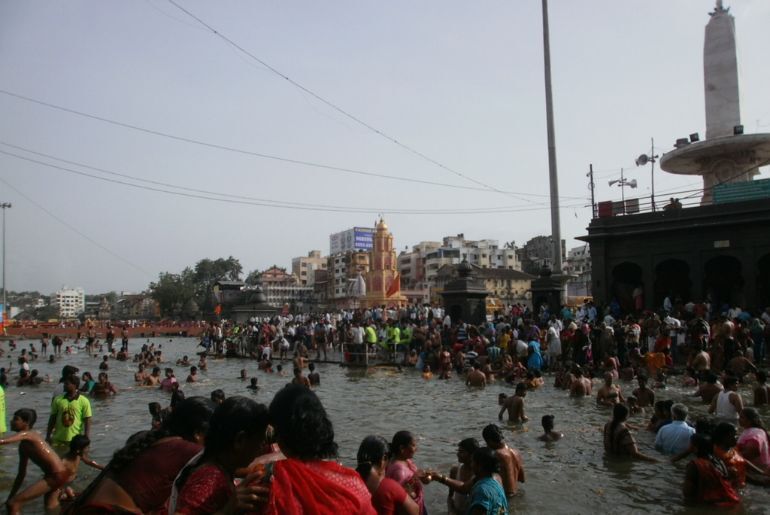
Ramkund is located in the heart of Nashik city along the main riverfront. Celebrations here are mainly by the Vaishnava Akhadas, who are the followers of Lord Ram, Krishna, and Vishnu. The region is famous for the sacred bend where Lord Rama is believed to have taken his daily bath during exile.
It is ideal for families, general pilgrims, elderly travelers, and cultural tourists seeking accessible city infrastructure.
Kushavarta Kund, Trimbakeshwar
Located at the foot of the Brahmagiri Hills near the ancient Trimbakeshwar Jyotirlinga Temple, the celebrations here are mainly carried out by the Naga Sadhus and Shaivas, who are the followers of Lord Shiva. The Kushavarta Kund festivities are ideal for spiritual seekers, photography enthusiasts, and devotees wishing to perform special Vedic rituals like Kaal Sarp Dosh Nivaran or Narayan Nagbali alongside their holy bath.
Itinerary And Travel Planning
How to Reach Nashik And Trimbakeshwar
By Air
The nearest domestic airport is the Nashik International Airport ISK, Ozar. It is located 24 km from the city center.
By Rail
The Nashik Road Railway Station is the nearest railway connection and has links to central railway lines to Mumbai, Pune, Delhi, Kolkata, and South India. Express shuttle trains run frequently during peak Mela months.
By Road
Nashik has seamless connections to and from Mumbai, Pune, and Dhule. During Amrit Snan days, state authorities enforce vehicle-free outer holding rings five km to ten km outside the inner ghat zones.
Accommodation Options
Around the time of the festival, temporary eco-tent townships are established by Maharashtra Tourism (MTDC) and private operators near Panchavati and along the Trimbak road, offering basic to luxury glamping setups.
If tents are not your preference, you should try booking hotels in Central Nashik, Satpur, and Ambad, which sell out six to nine months ahead of key Amrit Snan dates. Booking early is essential.
Also Read: How To Plan A Varanasi Trip During The Festive Season: Ganga Aarti, Temples And More
Summing Up
The Nashik Kumbh Mela is one of the largest festivals in the country. If you do visit, make sure you utilize local and public transport as much as possible. Navigating the festival with a private car can be quite tricky. If you’re traveling with a child or an elderly member of the family, make sure you keep an eye on them. It is easy to lose people in the crowd.