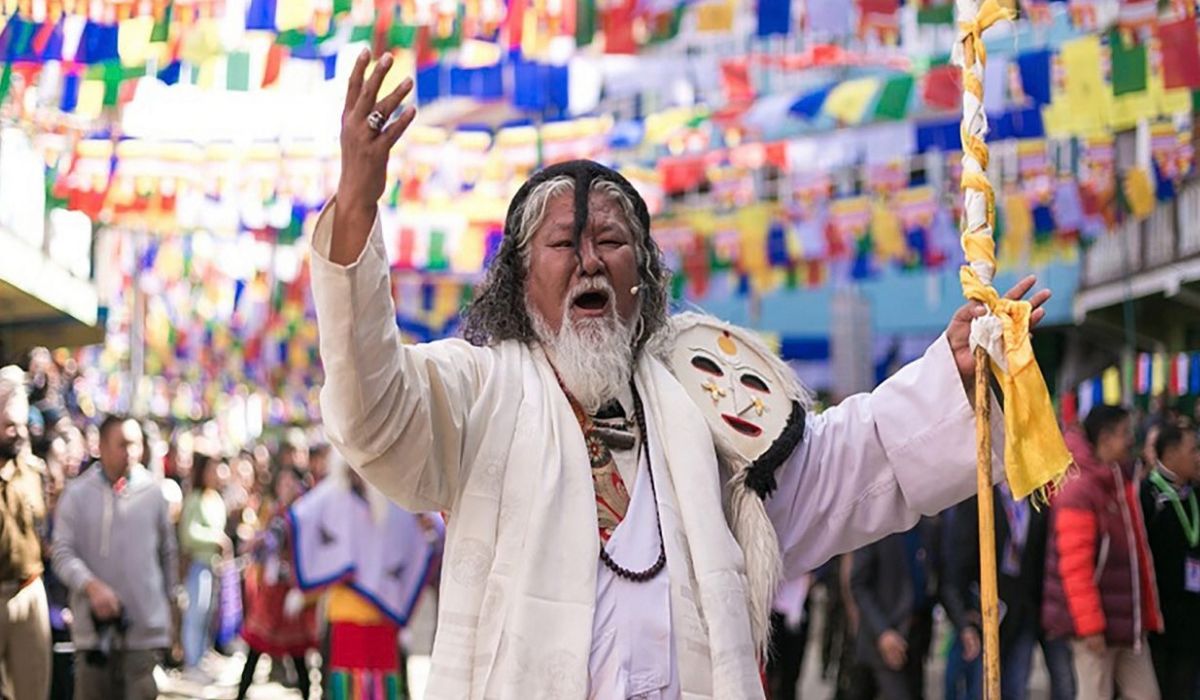

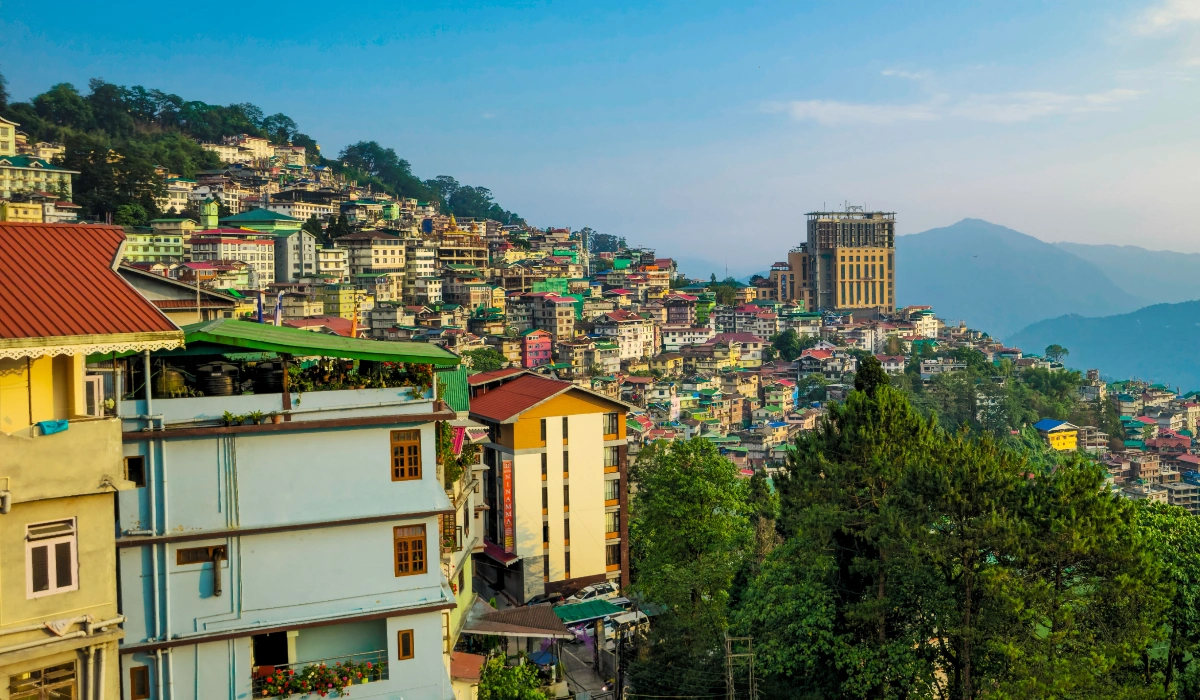
Gangtok in Sikkim is the kind of destination that is not made for fast-paced itineraries. However, if you’re visiting Gangtok as part of a larger itinerary, it can be ideal to spend somewhere between a day or 3 days in the city. The capital city combines dramatic mountain views with colourful monasteries, winding roads, lively markets and easy access to some of Sikkim’s most beautiful landscapes. Whether you have just a day to spare or an entire long weekend, Gangtok can be planned around your schedule.
In this article, let’s take a look at suitable 1-day, 2-day, and 3-day itineraries for Gangtok.
How Many Days Do You Need In Gangtok?
For most first-time visitors visiting Gangtok, 2 to 3 days is the sweet spot.
One day is enough for exploring the city in a quick tour and a few cafes. With two days, you can explore Gangtok more comfortably and include more attractions.
With three days, you can keep one day only for sightseeing attractions outside the main city, such as Tsomgo Lake and Baba Harbhajan Singh Mandir, subject to permits and road conditions.
Keep in mind that travel times in Sikkim can be unpredictable, especially in the winter and monsoon seasons. Mountain roads, weather and traffic can affect your plans, so avoid packing too many attractions into a single day.
Gangtok 1 Day Itinerary
If you’re spending just one day in Gangtok, it is recommended to explore the local city attractions without venturing too far outside the city.
Morning: Tashi View Point & Ganesh Tok
Start your day with breathtaking views from Tashi View Point. It is a popular viewing spot in Gangtok. From there, head to Ganesh Tok, a small hilltop temple and viewpoint.
If you’re an early riser, you can simply head out for a morning stroll and observe the local life during early morning hours.
Late Morning: Enchey Monastery
After having a delicious breakfast at one of the restaurants or cafes, you can head to the Enchey Monastery, one of Gangtok’s important Buddhist monasteries. The monastery is surrounded by hills, making it a peaceful retreat from the city’s busier areas. Surrounded by hills and greenery, it offers a peaceful break from the city’s busier areas.
Take some time to appreciate the monastery’s architecture, prayer wheels and quiet surroundings before heading towards the center of Gangtok.
Afternoon: Namgyal Institute of Tibetology
Spend your afternoon visiting the Namgyal Institute of Tibetology. It is a world-renowned research center and museum in Gangtok, Sikkim, India, dedicated to the study of Tibetan culture, language, and Mahayana Buddhism.
It houses magnificent traditional Sikkimese and Tibetan woodcraft, murals, and Tibetan books and manuscripts. In fact, it holds one of the largest collections of Tibetan books, manuscripts, and xylographs outside of Tibet, including over 60,000 volumes. There is also a rich collection of rare thangkas (cloth paintings), statues, old coins, and ritual objects, highlighted by a majestic image of Manjushri (the Bodhisattva of wisdom)
Evening: Local Food & MG Marg
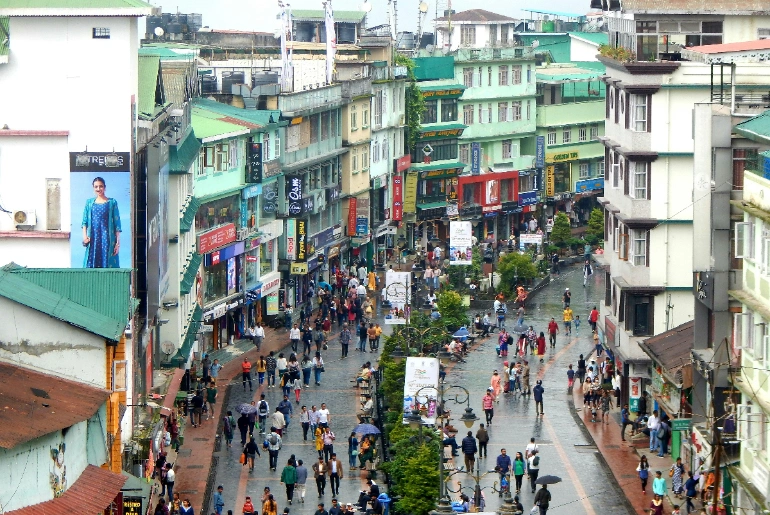
Come to MG Marg in the evening when the area becomes livelier. Try local Sikkimese and Tibetan-inspired dishes such as momos, thukpa and other regional specialities.
If you’re only spending one day in Gangtok, ending the evening here gives you a taste of the city’s atmosphere without rushing between distant attractions.
Also Read: 10 Best Cafes & Restaurants In Gangtok You Need To Visit On Your Trip To Sikkim
Gangtok 2 Day Itinerary
Two days gives you a much better introduction to Gangtok. You can dedicate one day to local sightseeing and spend the other day exploring nearby attractions.
Day 1: Explore Gangtok
Follow the same itinerary as mentioned above, visiting Tashi View Point, Ganesh Tok, Enchey Monastery, Namgyal Institute of Tibetology, and MG Marg. Keep your evening relaxed. Gangtok is best experienced at a slower pace, particularly after a day of travelling on winding mountain roads.
Day 2: Tsomgo Lake & Baba Harbhajan Singh Mandir
Start early for a day trip towards Tsomgo Lake, a glacial lake located at a high altitude.
The journey itself promises spectacular views, with the landscape changing as you climb higher. Fed by the melting snow from nearby mountains, the glacial lake is about a kilometer long. The lake holds special significance in local Sikkimese culture.
From Tsomgo Lake, you may continue towards Baba Harbhajan Singh Mandir, a shrine associated with the Indian Army and a popular stop on this route.
Located between Nathula Pass and Jelep La, this shrine is dedicated to Captain Harbhajan Singh, an army captain who lost his life while escorting mules. His fellow soldiers later built a shrine after believing his spirit guided and protected them.
Return to Gangtok by evening and keep the rest of the night easy.
Gangtok 3 Day Itinerary
A Gangtok 3 day itinerary lets you breathe even easier, as you have three full days to explore the city and nearby attractions. A Gangtok 3 day itinerary is ideal for culture enthusiasts, nature lovers, and those wanting to explore more of this city.
Day 1: Gangtok Sightseeing
As mentioned above, you can follow the same 1 day Gangtok itinerary covering these spots:
- Tashi View Point
- Ganesh Tok
- Enchey Monastery
- Namgyal Institute of Tibetology
- MG Marg
Day 2: Tsomgo Lake Excursion
Set aside the entire second day for the Tsomgo Lake-Baba Harbhajan Singh Mandir day trip.
Leave early and keep the schedule flexible. The altitude and mountain conditions mean that this can easily turn into a day-long excursion.
Return to the city and evening and spend the night exploring local cafes and restaurants.
Day 3: Monasteries, Markets & Slow Travel
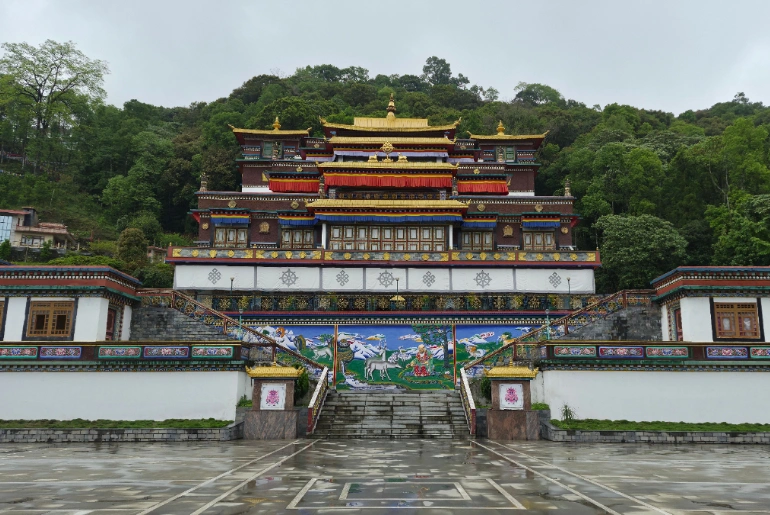
Use your final day of the Gangtok itinerary to explore the city. You can enjoy the Gangtok ropeway, visit the Rumtek Monastery outside Gangtok and visit the Banjhakri Falls for a thrilling experience.
Alternatively, you can just simply stroll along the streets and visit local shops, cafes, and restaurants. You can join local heritage walks, participate in a Tibetan cooking class, or shop for handicrafts. This is also the day to leave some room for unexpected discoveries. Gangtok isn’t a destination where you need to be constantly checking attractions off a list.
Also Read: How To Reach Sikkim: Flights, Trains, Road Trips & Transfers Explained
When Is The Best Time To Visit Gangtok?
The best time to visit Gangtok depends on what you want from the trip.
March to May: Popular for pleasant weather and spring landscapes. It is a good period for sightseeing but expect tourist crowds.
October to November: This brief period is good for exploring Gangtok with less tourist crowds. The post-monsoon skies can offer spectacular Himalayan vistas.
June to September: These months are generally not recommended due to heavy rain and increased chances of landslides and bad weather conditions.
December to February: This period marks the winter season in Gangtok. While Gangtok in winter is pretty and worth visiting, higher-altitude destinations can experience snowfall and restricted access.
Read more in our best time to visit Sikkim guide.
Author’s Note
Overall, I would recommend spending 2 or 3 days in Gangtok to fully explore the city. With a number of cafes and restaurants, shopping avenues, and local experiences, a 2 day Gangtok itinerary or 3 day Gangtok itinerary can be ideal for most travelers. But remember not to overstuff your itinerary with too many places or you could easily fall prey to a travel burnout!
Summing Up
In the end, how many days you wish to spend in Gangtok depends on your travel goals. If you’re including Gangtok in a larger Sikkim itinerary, spending one or two days here is just fine. If your sole intention is to visit Gangtok, you must spend three days to fully explore the city’s vibrant local culture.