

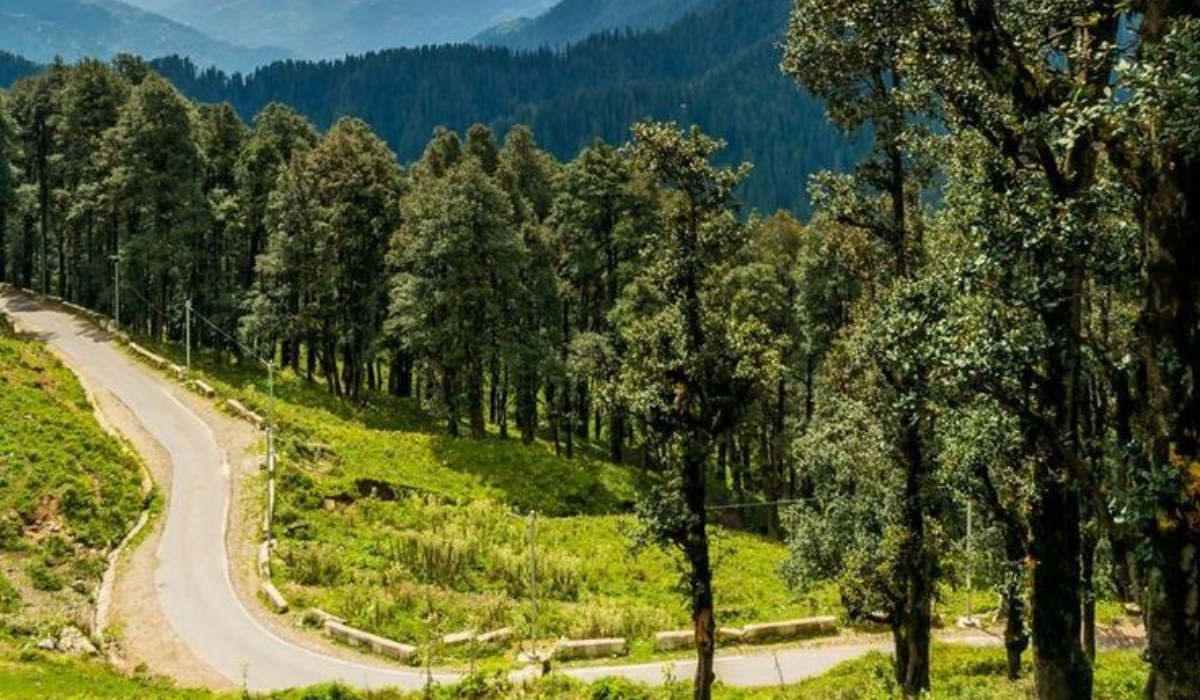
Tirthan Valley is one of Himachal Pradesh’s quieter mountain escapes, especially for travelers interested in trekking, fishing, birdwatching, and a few days away from busier hill stations. Located in Kullu district near the Great Himalayan National Park, the valley is connected to Delhi mainly by road, and travelers arriving by train or flight still need to complete the final leg by road.
If you are planning a trip from Delhi, the route is straightforward once you know where to change buses, trains, or taxis. Here is the most practical way to reach Tirthan Valley from Delhi by road, bus, train, and air, along with a few things worth doing after you arrive.
How Far Is Tirthan Valley From Delhi?
Tirthan Valley is roughly 480-500 km from Delhi, depending on where you are staying in the valley and the route you take. A road journey can take around 10 to 12 hours or longer, depending on traffic, weather, road conditions, and stops along the way.
Most travelers heading toward Tirthan follow the Delhi-Chandigarh-Mandi route before turning off the main highway at Aut. From Aut, the road continues toward Banjar and settlements in the Tirthan Valley such as Gushaini.
How To Reach Tirthan Valley From Delhi By Road?
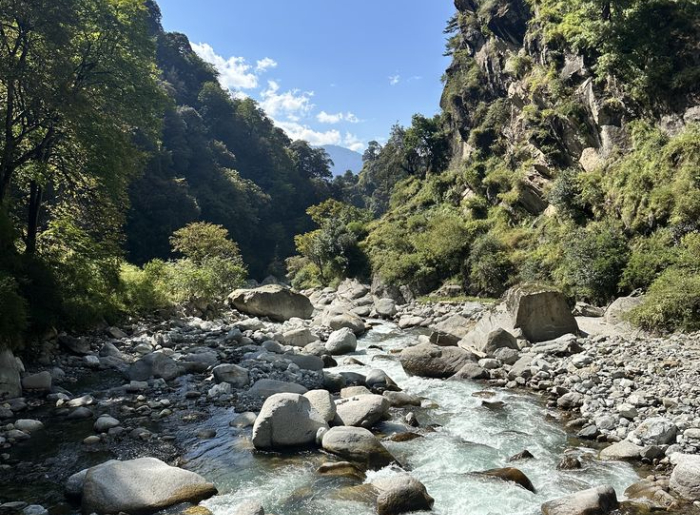
By Cab Or Car
Traveling by road remains one of the simplest ways to reach Tirthan Valley from Delhi. You can drive your own vehicle or book a private cab, which gives you the freedom to stop along the way and go directly to your accommodation.
A private vehicle can also be convenient when traveling with family or a group, particularly if you are carrying trekking equipment or luggage. The mountain section after Aut requires more attention, so avoid rushing the final stretch and check road and weather conditions before starting. Cab prices can vary considerably depending on the vehicle, season, pickup point, and whether you are booking a one-way or round trip. It is better to compare current quotes rather than depend on a fixed fare.
By Bus
Another convenient way to reach Tirthan Valley from Delhi is by bus. Buses traveling toward Kullu and Manali use the highway through Aut, which serves as an important access point to Tirthan Valley and the Great Himalayan National Park. Official Himachal Tourism information also identifies Aut as the gateway town for this area.
From Aut, continue toward Banjar and your final destination by local bus or taxi. Travelers staying at a homestay can also ask the property whether a pickup from Aut can be arranged. Bus schedules, boarding points, and fares can change, so check the latest schedules from HRTC, HPTDC, or the operator before leaving Delhi rather than relying on an old timetable.
How To Reach Tirthan Valley From Delhi By Train?
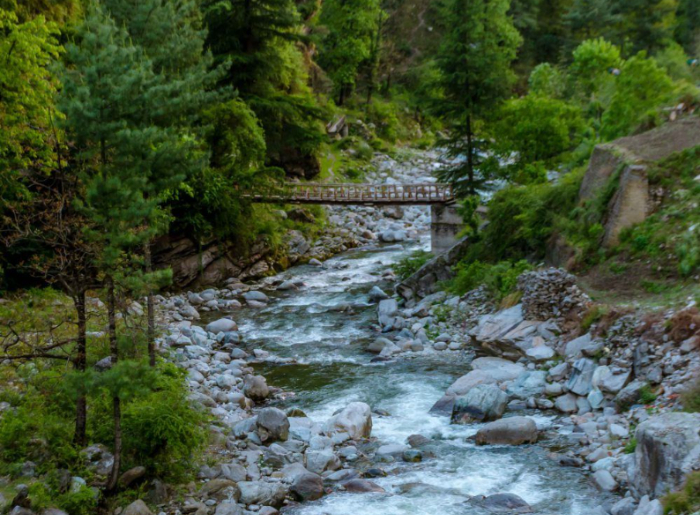
Traveling entirely by train is not possible because Tirthan Valley does not have a railway station. Joginder Nagar is the nearest narrow-gauge railhead in the wider region, and the line connects it to Pathankot. Himachal Pradesh Tourism also identifies Joginder Nagar as the nearest narrow-gauge railway option for Great Himalayan National Park.
Travelers from Delhi can reach Pathankot by train, then continue to Joginder Nagar on the narrow-gauge railway, and finally take a road journey to Tirthan Valley. However, this involves multiple changes and takes considerably longer than traveling directly by road. If the aim is to reach Tirthan Valley efficiently, the train route may not be the most practical choice. It makes more sense for travelers who enjoy railway journeys and do not mind adding extra travel time.
How To Reach Tirthan Valley From Delhi By Air?
The nearest airport is Kullu-Manali Airport at Bhuntar. Himachal Pradesh Tourism confirms that flights connecting Bhuntar with Delhi are available, although schedules may be more limited than at larger airports. After landing at Bhuntar, the rest of the journey has to be completed by road. Aut is around 20 km from Bhuntar, after which the route continues toward Tirthan Valley. Taxis are generally the simplest option if you are carrying luggage, although local road transport is also available. Since mountain flight schedules can be affected by weather and availability, check the latest flight timings before building the rest of the itinerary around a Bhuntar arrival.
What Are the Best Things to Do in Tirthan Valley?
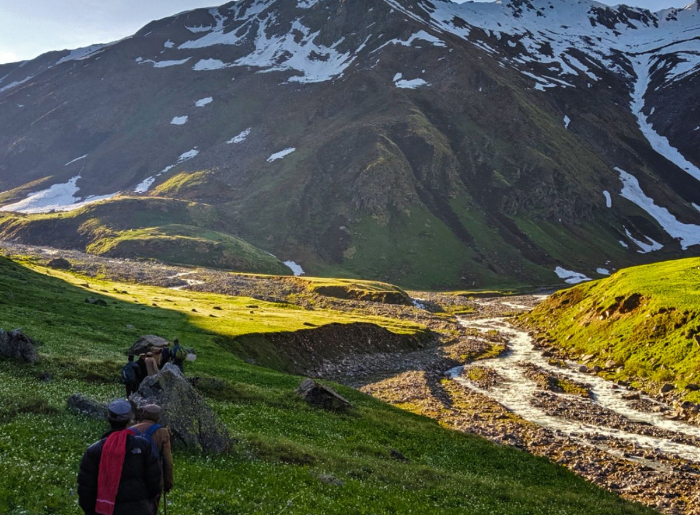
Trek In The Great Himalayan National Park
The Great Himalayan National Park is a UNESCO World Heritage Site and one of the main reasons adventure travelers visit the region. There are several trails ranging from shorter eco-zone walks to multi-day treks through forests and mountain terrain.
Official Himachal Tourism information lists routes such as the Gushaini-Tinder Village trail, Tirthan Valley-Morahani Trek, Tirthan Valley-Tirath Trek, and Gushaini-Rakhundi Trek. Permits are required for entering the national park and are issued by the relevant park authorities.
Go Trout Fishing
The Tirthan River is well known for trout fishing, particularly rainbow and brown trout. Himachal Pradesh Tourism identifies the Largi-Nagni stretch of the river as one of the state’s designated trout waters.
Fishing is regulated, and anglers need a license. Rules and seasonal restrictions can change, so check the latest local fisheries regulations before planning an angling session rather than relying on older closure dates.
Go Birdwatching
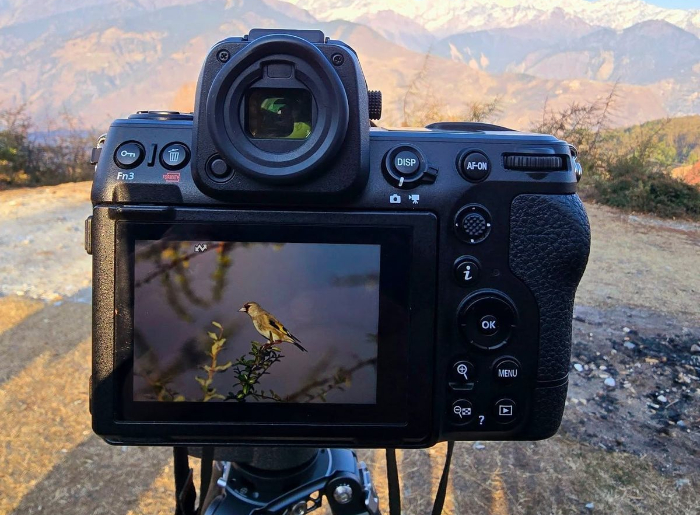
Tirthan Valley and the wider Great Himalayan National Park landscape are particularly rewarding for birdwatchers. The protected region supports a large variety of birdlife, including several Himalayan species. Official tourism information records more than 200 bird species within GHNP.
Early mornings around forest trails and quieter stretches of the valley are generally a good time to head out with binoculars, particularly if birdwatching is one of the main reasons for visiting.
Explore The Villages Around Tirthan Valley
Tirthan is also a good place to slow down and explore smaller mountain settlements rather than filling every day with a major attraction. Walk through villages, spend time by the river, try local Himachali food, or set aside part of the day to explore on foot.
You can also plan a trip toward Jibhi, Jalori Pass, and Serolsar Lake. Jalori Pass is particularly useful for travelers interested in hiking, although access is seasonal. Himachal Pradesh Tourism notes that heavy snow generally closes the pass to traffic during winter, so road conditions should be checked before setting out.
What Should You Know Before Traveling To Tirthan Valley In 2026?
Road conditions in the mountains can change quickly because of rain, landslides, snowfall, and maintenance work, so leave some flexibility in the itinerary. This is particularly important during the monsoon and winter months. For trekking in Great Himalayan National Park, official tourism guidance identifies April to June and September to November as favorable periods because weather and visibility are generally better.
It is also worth confirming bus schedules, flight timings, railway services, and pickup arrangements shortly before traveling. If you plan to enter GHNP or go fishing, check the latest permit and licensing requirements separately, rather than assuming access is automatically included with a stay or trek.
Summing Up
Knowing how to reach Tirthan Valley from Delhi makes planning the trip considerably easier. Road travel remains the most straightforward option, while buses offer an alternative for travelers who do not want to drive. Flying to Bhuntar can reduce the initial travel time, while the train route through Pathankot and Joginder Nagar is better suited to travelers who do not mind a longer journey.
Whichever route you choose, keep some flexibility for mountain weather and changing transport schedules. Once you arrive, trekking around Great Himalayan National Park, fishing along the Tirthan River, exploring nearby villages, and taking a day trip toward Jibhi or Jalori Pass can easily fill a few days without making the trip feel rushed.



One Response