

A long road trip to or from Penang can quickly become uncomfortable when nausea, dizziness, sweating, or a headache begins halfway through the journey. Motion sickness occurs when the movement detected by the inner ear does not match what the eyes see, which is why reading a book or looking at a phone in a moving car can make some people feel worse.
Fortunately, where you sit, what you look at, what you eat, and even how rested you are before leaving can make a difference. Here are five practical ways to manage motion sickness and make long drives in and around Penang a little more comfortable.
5 Tips To Avoid Motion Sickness
1. How Can Fresh Air Help With Motion Sickness?
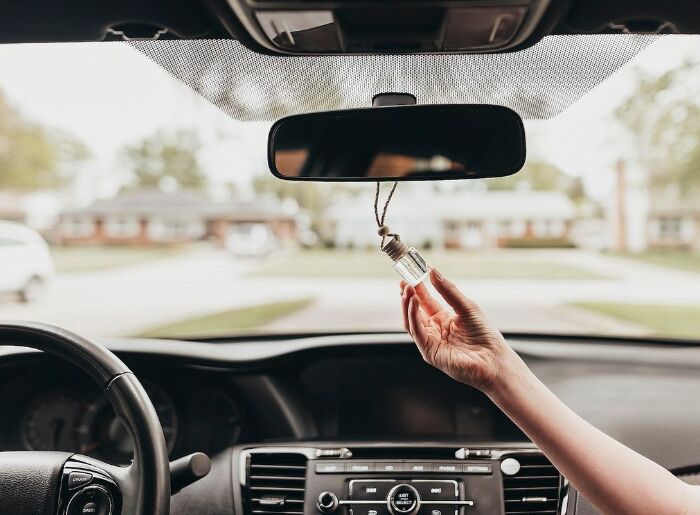
A stuffy car can make an already uncomfortable journey feel worse. If possible, open a window for fresh air or direct the car’s air vents toward your face. On warmer Penang drives, keeping the cabin comfortably cool can also help when nausea begins. The CDC also recommends staying hydrated during travel and limiting alcohol and caffeinated drinks. On a longer road trip to or from Penang, regular stops can help too. Step outside, drink some water, walk around for a few minutes, and give your body a break from the continuous movement.
Getting ready for your next drive? Here are eight of the best road trip gadgets to pack before hitting the road.
2. Where Should You Sit If You Get Carsick?
Where you sit can make a noticeable difference. The front passenger seat is generally a better choice for someone prone to motion sickness because it makes it easier to look ahead and see the vehicle’s direction of travel on Penang roads. If you start feeling unwell, look straight ahead rather than concentrating on objects inside the car. Keeping your head relatively still or closing your eyes for a while may also help. If you have taken medication that causes drowsiness, dizziness, blurred vision, or problems concentrating, do not drive.
3. What Should You Eat Before A Long Road Trip?
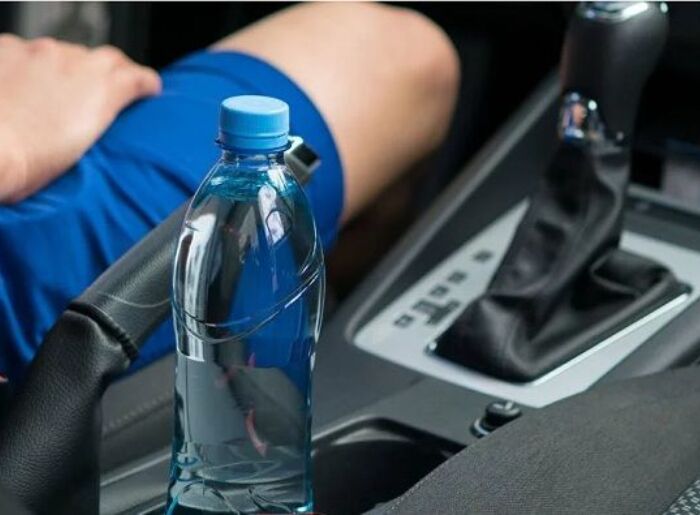
A heavy meal just before getting into the car is not a great idea if you already know you are prone to motion sickness. Avoid heavy and spicy foods shortly before or during the journey. Eating smaller amounts rather than one large meal may be easier to manage. Keep water nearby and consider carrying a few simple snacks for a long drive around Penang. Alcohol is also best avoided, particularly because it can worsen motion sickness and may increase drowsiness when combined with some motion-sickness medicines.
4. Why Should You Avoid Reading Or Using Your Phone?
Scrolling through Instagram, answering messages, reading a book, or watching a movie might seem like an easy way to pass several hours in the car, but these activities can worsen motion sickness on a Penang drive. Your eyes are focused on something that appears stationary while your inner ear continues to detect movement. Instead, look ahead at a fixed point such as the horizon. If that does not help, closing your eyes, resting, listening to music, or sleeping may be more comfortable. The CDC’s 2026 Yellow Book also notes that controlled breathing may help reduce symptoms.
Looking for a different way to explore the country? Discover six of the best caravans in India for your next road adventure.
5. Can Medication Help With Motion Sickness?
Medication can be useful for people who regularly experience motion sickness, but it is worth discussing the appropriate option with a doctor or pharmacist before traveling to Penang. Common medicines used for motion sickness include dimenhydrinate and scopolamine. These treatments generally work better when taken before exposure to motion rather than waiting until significant nausea has already started.
Drowsiness is a common side effect of several motion-sickness medicines, which is particularly important on a road trip. Anyone who becomes sleepy, dizzy, has blurred vision, or finds it difficult to concentrate after taking medication should not drive.
Natural remedies need a little more caution than the old advice sometimes suggests. Ginger is commonly used for nausea, but current evidence for its effectiveness specifically against motion sickness remains weak and contradictory. Acupressure wristbands may work for some individuals, but controlled laboratory research has not found them more effective than placebo.
What Has Changed In The Latest Motion Sickness Advice?

One useful update from the CDC Yellow Book 2026 is the emphasis on preventing symptoms before they become severe. Medication, when appropriate, is generally more effective when taken before exposure to motion because once nausea develops, the stomach may absorb oral medication less effectively.
Sleep also matters. Being sleep-deprived can worsen motion sickness, so getting enough rest before a long drive to Penang may help. Alcohol and smoking should also be avoided because both can increase susceptibility to motion sickness. For non-medication approaches, looking toward the horizon, getting fresh air, staying hydrated, listening to music, and controlled breathing remain practical options.
Planning a long drive? Here are five of the best car accessories for long drives and road trips to make the journey more comfortable.
Summing It Up
Motion sickness doesn’t have to ruin your road trip experience. By making smart seating choices, focusing on external visual cues, optimizing your in-car environment, watching your pre-trip meals, and exploring remedies, you can keep discomfort at bay. Road trips are about freedom, fun, and discovery; don’t let nausea hold you back. Armed with these tips, you’re ready to hit the road feeling refreshed, relaxed, and ready to enjoy the ride. Buckle up and embrace the journey!