

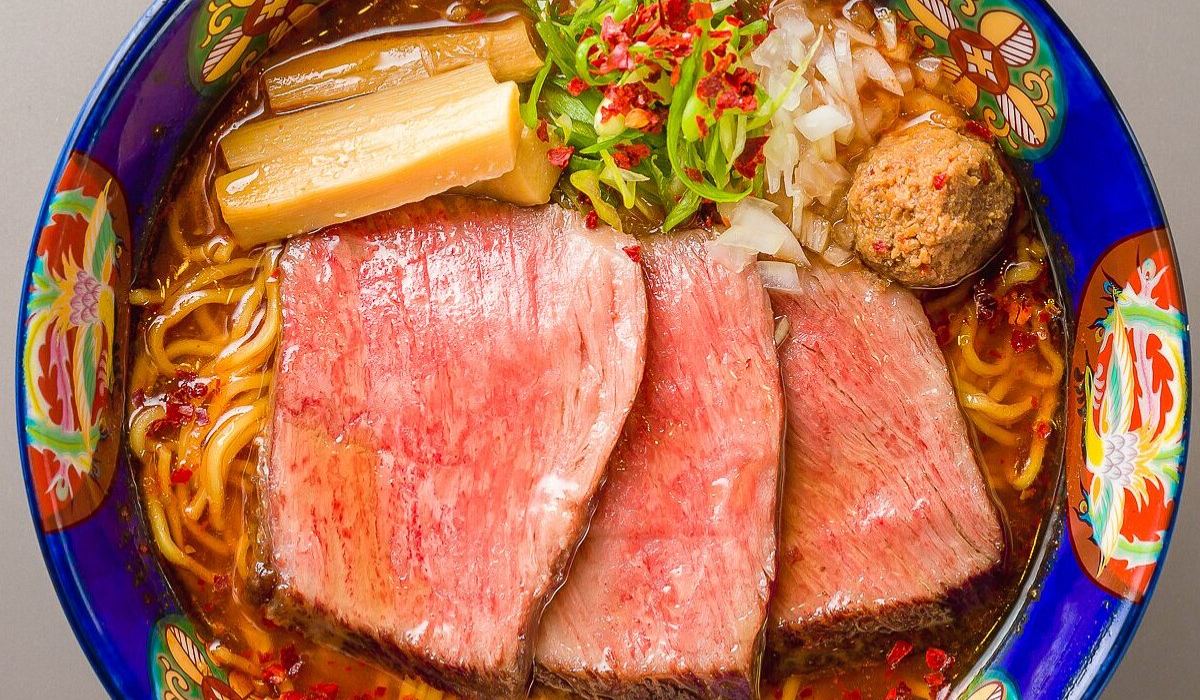
Japan’s food scene is a major part of any trip, and travelers looking for halal options can now enjoy a growing variety of Japanese favorites, particularly in Tokyo, Osaka, and Kyoto. This makes it easier to include halal food in a regular sightseeing itinerary in Japan. The choice is still smaller than in destinations where halal dining is more widespread, and restaurant practices can differ. Some places are halal-certified, while others describe themselves as Muslim-friendly or provide selected halal dishes. Checking ingredients, certification, alcohol policies, and preparation practices can help when deciding where to eat.
Is It Easy To Find Halal Food In Japan?
Major cities and tourist areas offer the widest choice of halal restaurants in Japan, while options can become more limited outside larger urban centers. Halal or Muslim-friendly meals can also be available at major airports and some larger hotels, although certain establishments may require reservations or have limited booking availability.
Japanese dishes can sometimes contain ingredients that are easy to overlook. Sushi rice may contain mirin, while ramen and meat dishes can include pork, animal fat, sake, mirin, or other ingredients that may not meet halal requirements. Even soups, pickles, breads, snacks, and desserts can contain alcohol, gelatin, or animal-derived ingredients. Asking about ingredients is useful whenever the preparation is unclear.
Where Can You Find Halal Restaurants In Tokyo?
Tokyo has one of the broadest selections of halal Japanese food, with options spread across neighborhoods such as Shinjuku, Shibuya, Asakusa, Ueno, Ikebukuro, Ginza, and around Tokyo Station. This makes it easier to combine sightseeing, shopping, and meals without building an entire day around finding a restaurant. Shibuya is a good place to look for Wagyu dishes, while Asakusa offers Japanese food close to some of the city’s best-known sights. Ueno and Ikebukuro also have casual dining options. As a result, several of Tokyo’s popular tourist areas now offer halal choices.
1. Gyumon Halal Wagyu Ramen Shibuya
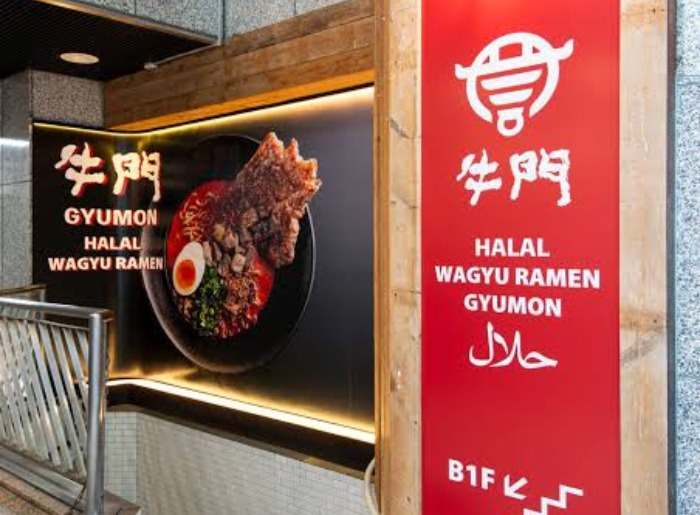
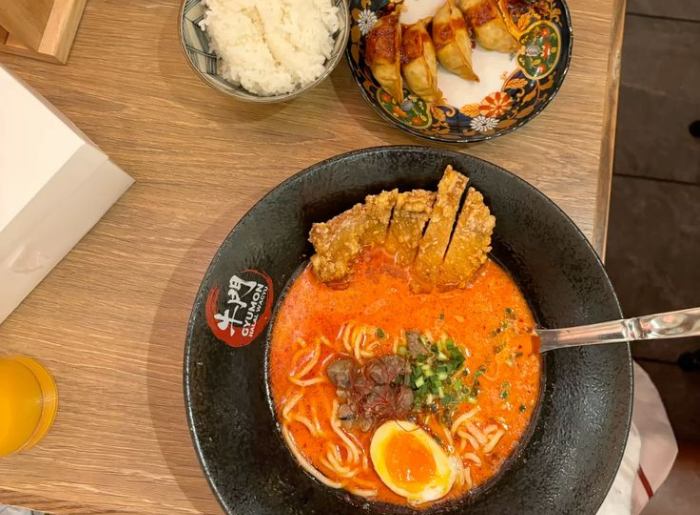
Wagyu is high on many Japanese food lists, and Gyumon Halal Wagyu Ramen Shibuya offers a way to try it in one of Tokyo’s busiest neighborhoods. The restaurant serves premium A5 halal Wagyu ramen, spicy ramen, and beef cutlet, so there are several choices beyond a single signature bowl.
The setting combines counter and table seating, making it suitable for anything from a quick meal between sightseeing stops to a more relaxed lunch or dinner. The restaurant is pork-free and alcohol-free and also has a prayer room with wudu facilities. Reservations may be useful during busy periods.
Address: 106 Tokyo Building B1F, 2-19-17 Shibuya, Shibuya-ku, Tokyo 150-0002
Price: Around JPY 2,000 to JPY 6,000 per person or INR 1,200-3,650 per person
2. Halal Wagyu Ramen Shinjuku-Tei Asakusa Tokyo
Asakusa is already one of Tokyo’s busiest sightseeing neighborhoods, and Halal Wagyu Ramen Shinjuku-Tei provides a convenient Japanese meal option while exploring the area. The menu includes 100% halal A5 Wagyu ramen, as well as Wagyu sushi and fried chicken sets.
The restaurant has a dedicated prayer room, while its kitchen and seasonings are independently halal-certified. Reservations may be recommended at certain times, making it useful for diners who want to enjoy ramen and Wagyu while also easily checking the restaurant’s halal practices.
Address: YN Building 2F, 1-10-2 Asakusa, Taito City, Tokyo 111-0032
Price: Around JPY 2,000 to JPY 6,000 per person or INR 900-3,650 per person
3. Sankyu Halal Ramen Japanese Food Ueno
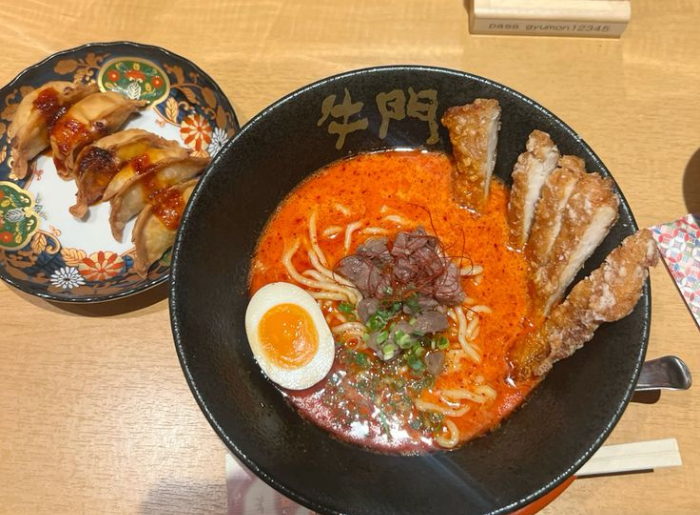
Ueno is another practical area to stop for a halal Japanese meal, particularly when a sightseeing day already includes the neighborhood. Sankyu Halal Ramen Japanese Food Ueno serves signature beef-bone soy sauce ramen, spicy beef ramen, and fried chicken.
The restaurant has a quieter, family-friendly atmosphere and is pork-free and alcohol-free. English- and Indonesian-speaking staff can also make it easier for international visitors to ask questions about dishes and ingredients.
Address: Hara Building 1F, 1-2-9 Ueno, Taito City, Tokyo 110-0005
Price: Around JPY 1,000 to JPY 3,000 per person or INR 600-1,800 per person
4. Halal Wagyu Ramen Shinjuku-Tei Ginza Tokyo
Ginza may be better known for shopping and upscale dining, but travelers looking for halal Japanese food can also stop at Halal Wagyu Ramen Shinjuku-Tei. The restaurant focuses on Wagyu ramen and also serves Wagyu sushi and fried chicken, giving diners several Japanese dishes to choose from during a meal.
Address: Uracori 2F, K Section, 1-6-6 Uchisaiwaicho, Chiyoda City, Tokyo 100-0011
Price: Around JPY 2,000 to JPY 6,000 per person or INR 1,200-3,650 per person
5. Halal Wagyu Ramen Shinjuku-Tei Tokyo Shibuya
Halal Wagyu Ramen Shinjuku-Tei also has a Shibuya location, making it convenient for travelers spending the day around the neighborhood. The restaurant serves halal Wagyu ramen and Japanese comfort food, providing another option for anyone who wants to try familiar local dishes while exploring Tokyo.
Address: DIX Jinnan Building B1F, 1-17-2 Jinnan, Shibuya-ku, Tokyo 150-0041
Price: Around JPY 1,500 to JPY 6,000 per person or INR 900-3,650 per person
6. Shinjuku Gyoen Ramen Ouka
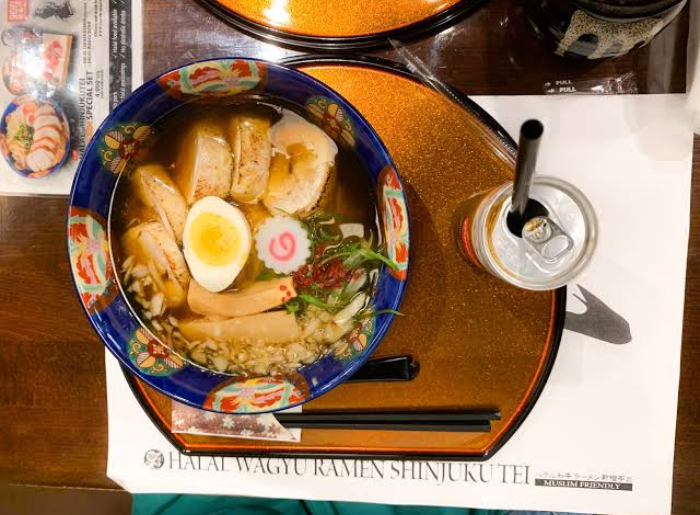
Shinjuku Gyoen Ramen Ouka is another place to consider for halal ramen in Tokyo, particularly when exploring the Shinjuku area. Its ramen uses alternatives to the pork-based broths commonly associated with the dish, allowing diners looking for halal food to experience another version of this Japanese favorite.
Address: 1F, 1-11-7 Shinjuku, Shinjuku City, Tokyo 160-0022
Price: Around JPY 2,500 per person or INR 1,500 per person
Where Can You Find Halal Food In Osaka?
Osaka is a city where food often becomes part of the sightseeing experience, and travelers looking for halal dining have Japanese options to consider. While the selection is not as extensive as Tokyo’s, Osaka still offers ramen, Wagyu, rice bowls, and other familiar dishes.
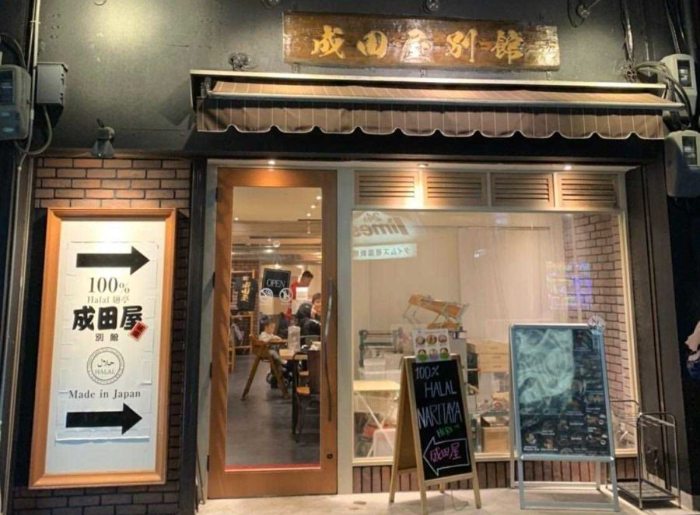
7. Halal Ramen Naniwaya
Located in Nishi-Shinsaibashi in Osaka’s Chuo Ward, Halal Ramen Naniwaya is a compact restaurant serving casual Japanese food. The menu includes halal Wagyu yakiniku rice bowls, spicy miso ramen, and gyoza, giving diners more variety than a ramen-only menu.
The restaurant is certified by Masjid Istiqlal Osaka and also has an on-site prayer room. Its central location makes it an easy meal option to consider when planning a day around Osaka, though reservations may be helpful if you are visiting at busy times.
Address: 2-7-22 Nishishinsaibashi, Chuo Ward, Osaka 542-0086
Price: Around JPY 1,000 to JPY 2,000 per person or INR 600–1,200 per person for standard options, with premium Wagyu dishes and sets costing more.
Where Can You Find Halal Food In Kyoto?
Kyoto’s sightseeing days can be long, so deciding where to eat beforehand can save time between temples, shopping streets, and other stops. The number of options is smaller than in Tokyo, but travelers searching for halal food in Kyoto can still find restaurants specializing in Japanese dishes, making for a planned break.
8. Halal Ramen Honolu Premier Kyoto Nishiki
Halal Ramen Honolu Premier Kyoto Nishiki in Nakagyo Ward provides another opportunity to try Japanese-style ramen while visiting Kyoto. The restaurant serves halal ramen bowls and traditional side dishes in a welcoming, relaxed setting.
Its pork-free approach and focus on halal dishes make it a straightforward option for diners seeking Japanese food that meets their dietary requirements. The location also works well when exploring central Kyoto, and reservations may be worth checking in advance.
Address: Satake Building 2F, 571 Obiyacho, Takakura-dori Nishiki-koji-sagaru, Nakagyo Ward, Kyoto 604-8124
Price: Approximately JPY 2,000-3,000 per person or INR 1,200-1,800 per person
What Does “Halal” Or “Muslim-Friendly” Mean At Japanese Restaurants?
The terms are worth checking rather than treating them as interchangeable. A restaurant may be halal-certified, offer a dedicated halal menu, avoid certain ingredients, or describe itself as Muslim-friendly. Kitchen arrangements can also vary, including whether halal and non-halal dishes are prepared separately.
This does not have to make eating out complicated. Diners can check the details that matter to them before ordering, particularly whether halal meat is used, whether dishes contain alcohol or mirin, and whether cooking utensils or preparation areas are shared. Restaurant practices can also change, so checking current information before visiting is useful.
Planning a Japan trip without overspending? Find out whether Japan can be a budget-friendly international destination for Indian travelers.
Which Halal Japanese Foods Are Worth Trying?
Ramen is one of the easiest places to start. While traditional versions can contain pork-based ingredients, halal variations can use chicken, fish, or beef broths instead. Some restaurants also adapt their seasonings and sauces to remove ingredients such as sake or mirin.
There are plenty of other possibilities too. Halal Wagyu yakiniku and Wagyu ramen give diners a chance to try one of Japan’s best-known meats, while halal versions of sushi, Japanese curry, tempura, fried chicken, and other dishes broaden the choice considerably. Rather than limiting the Japanese food experience, the growing number of halal options provides another way to explore it.
What Should You Know Before Looking For Halal Food In Japan?
A little planning goes a long way, particularly outside Tokyo, Osaka, Kyoto, and other major cities. Dedicated halal and Muslim-friendly restaurants can be harder to find in smaller destinations, while halal products are not necessarily available in an average supermarket. Stores that do carry them may have a stronger selection of frozen meat and ingredients than ready-to-eat meals, so they are less suited to spontaneous stopovers.
Travelers staying in apartments or hotel rooms with kitchenettes also have the option of preparing their own food. For restaurant meals, keeping a list of suitable places near planned sightseeing areas can make each day easier without requiring food stops to dictate the entire itinerary.
Planning to explore Japan by train? Here’s what Indian travelers should know about the Japan Rail Pass price hike taking effect from October 2026.
Author’s Note
Having visited Japan, I’ve had the chance to try many different types of Japanese dishes, and food was one of the highlights of the trip. For travelers looking for halal food in Japan, a little planning can make a big difference, as ingredients and preparation methods can vary between restaurants. The growing number of halal and Muslim-friendly options in Tokyo, Osaka, and Kyoto makes it easier to explore Japanese food while finding places that suit individual dietary requirements.
Planning a trip to Japan? Here’s a Japan visa guide for Indians covering requirements, eVisa applications and VFS fees.
Summing Up
Exploring halal restaurants in Tokyo, Kyoto, and Osaka can easily become part of the wider Japanese food experience rather than something separate from it. Restaurants such as Gyumon, Shinjuku-Tei, Sankyu, Naniwaya, and Honolu offer familiar Japanese favorites including ramen, Wagyu, rice bowls, gyoza, and fried chicken while fitting neatly into sightseeing days and stopovers.
The main thing to remember is that halal-certified and Muslim-friendly can mean different things depending on the restaurant. Checking ingredients and preparation practices allows diners to choose according to their own requirements, while Japan’s expanding halal dining scene means there are increasingly more opportunities to enjoy halal Japanese food alongside the country’s wider culinary culture.