

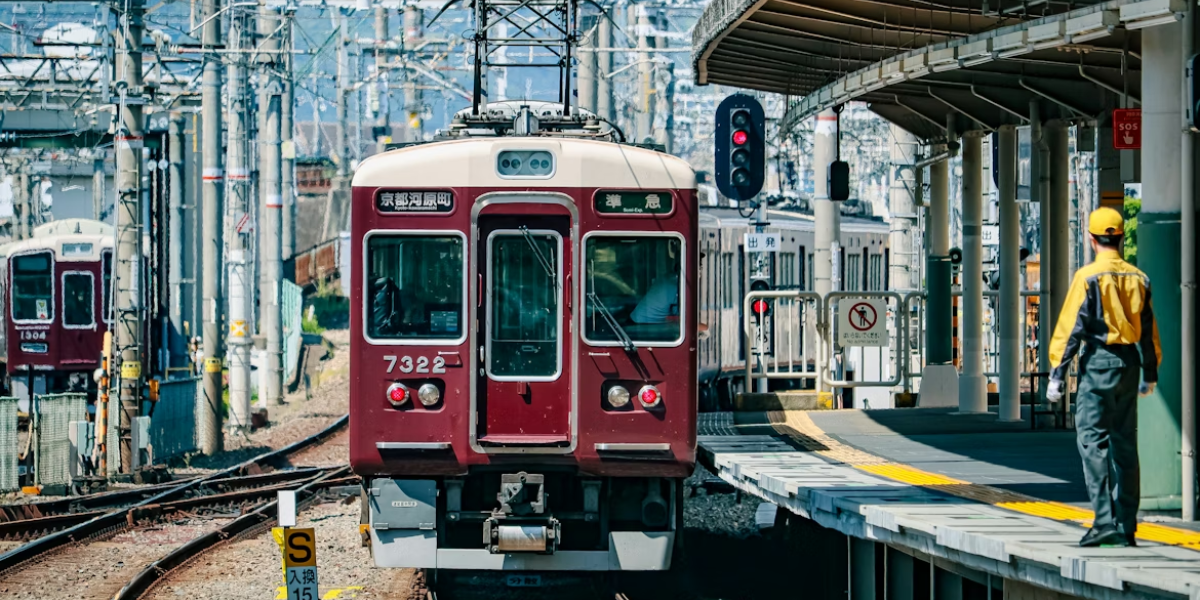
For many Indian travellers, a trip to Japan has long been a dream defined by cherry blossoms, bullet trains, and seamless travel experiences. One of the easiest way to travel in the country has been the Japan Rail Pass, a cost-effective ticket that allowed unlimited travel across the country’s extensive railway network. But starting October 1, 2026, that convenience will come at a higher price, prompting Indian tourists to rethink their travel budgets.
Japan Rail Pass To Get Expensive
The Japan Rail Pass, commonly known as the JR Pass, has been a favourite among international visitors, including Indians, for its simplicity and value. It offers unlimited rides on most trains operated by the Japan Railways Group, including the iconic Shinkansen. For travellers trying to cover multiple cities like Tokyo, Kyoto, and Osaka in one trip, the pass has often been a no-brainer.
Also Read: Indian Passport & Japan Visa: Top 5 Underrated Countries Indians Can Visit With A Japan Visa
However, the JR Group has now announced a price increase of around 5 to 6 percent across all pass categories. While this may not sound dramatic at first, the impact becomes clearer when you look at the revised pricing. The 7-day Standard Pass will now cost 53,000 yen, up by 3,000 yen, while the premium Green Car option will rise to 74,000 yen. Longer-duration passes have also seen noticeable jumps, with the 14-day pass priced at 84,000 yen and the 21-day pass climbing to 105,000 yen.
What This Means For Indian Travellers
For Indian travellers, especially those planning longer holidays, this increase could translate into a significant addition to overall trip expenses. With the yen-rupee exchange rate already playing a role in budgeting, even a few thousand yen more can impact decisions on accommodation, food, or experiences.
There are several reasons behind this hike. Maintaining Japan’s railway system, widely regarded as one of the most efficient in the world, comes with rising operational and maintenance costs. Earlier this year, the East Japan Railway Company also implemented its first major fare increase since 1987, raising prices by an average of 7.1 percent. At the same time, Japan is experiencing a tourism boom, leading to overcrowding on popular routes, particularly high-speed lines. The price adjustment is seen as a way to manage demand while maintaining service quality.
Also Read: Japan Travel Guide For Indians: Top Day Trips From Tokyo And Osaka
So, what does this mean for Indian travellers? The JR Pass is no longer the automatic budget hack it once was. Instead, it requires more careful planning. Travellers will need to compare the cost of individual tickets with the pass, especially if their itinerary is limited to fewer cities. In some cases, regional passes or point-to-point tickets may offer better value.
Summing Up
That said, the JR Pass still offers unmatched convenience, particularly for first-time visitors navigating Japan’s complex rail system. For Indians planning a multi-city itinerary, it can still be worth considering, but only after a closer look at the numbers.
As Japan continues to grow in popularity among Indian tourists, smarter planning will be key to making the most of the journey without stretching the budget too far.