India's Tourist Visa Is Being Renamed: What Changes For Visitors?
India has renamed its Tourist Visa as Visitor Visa introducing V-1 and V-2 categories. Here's what foreign travellers need to know about validity and new rules.
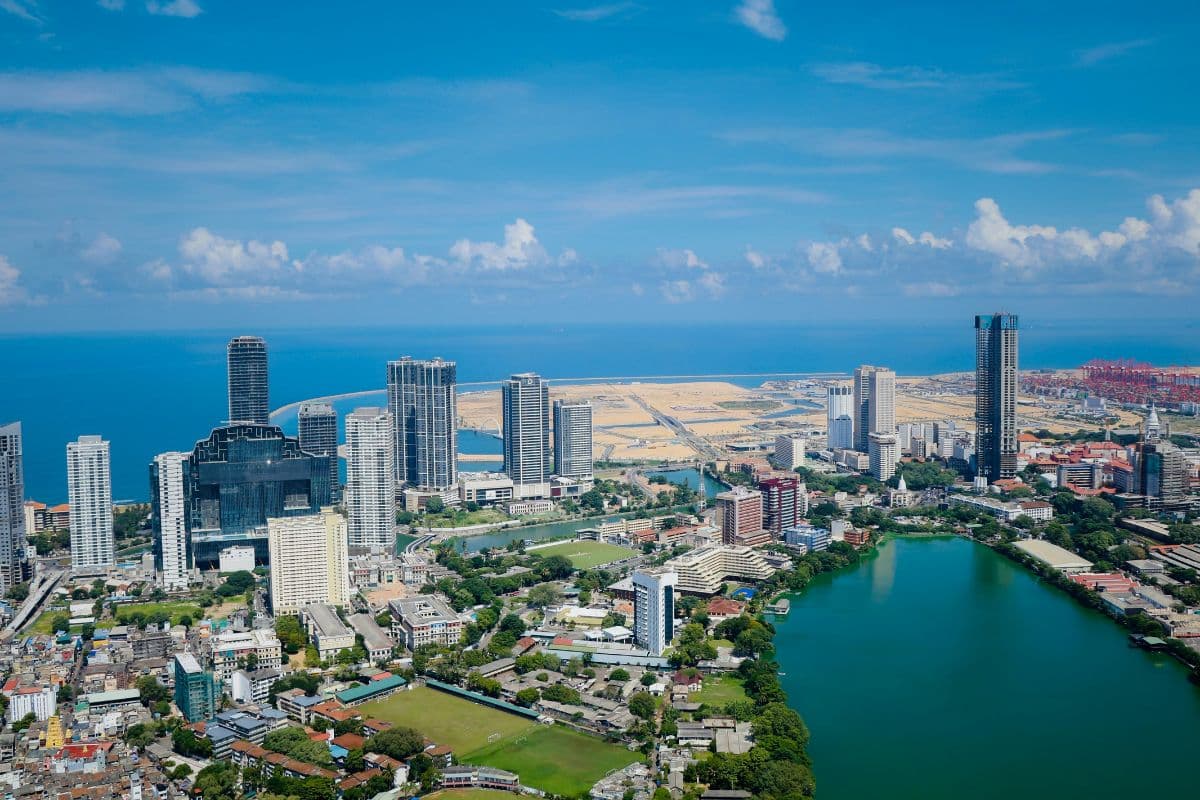
For representational purposes only | Image Credits: Canva
India’s visa regimes have undergone massive restructuring. Under the revised framework, India's longstanding Tourist Visa is officially being renamed the "Visitor Visa". Other major changes by the Ministry of Home Affairs include consolidating main visa categories from 13 to nine, and sub-categories from 49 to 23. It is also slashing visa application form fields by 65 percent to 70 percent. Here is a detailed look at what changes have been made to India's visa regime and why.
Why Was The Tourist Visa Renamed "Visitor Visa"?
One of the major reasons why officials felt this change was necessary was owing to the confusion felt by foreign travelers resulting from the strict boundaries between leisure tourism, brief business meetings, wellness retreats, and short cultural courses. These categories created confusion about which sub-category to select.
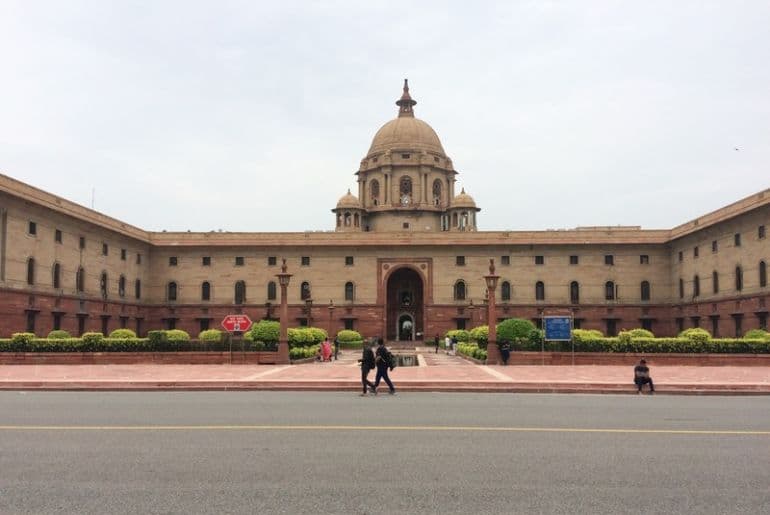
Ministry of Home Affairs | Image Credits: Wikimedia Commons
By renaming the Tourist Visa to the Visitor Visa, the MHA has broadened the legal scope of a single visa. Travelers can now combine conventional sightseeing with a wider range of legitimate short-term activities in one unified visa.
This new Visitor Visa structure, which is undergoing final IT system upgrades as of now, is slated to go live across Indian missions and the e-Visa portal by the end of 2026.
Understanding The Two New Sub-Categories: V-1 Vs. V-2
As per the new rationalized system, the Visitor Visa is divided into two clear, duration-based sub-categories. They are the V-1 Visitor Visa, which is for short stays, and the V-2 Visitor Visa, which is for longer stays. Here is a detailed look at both:
V-1 Visitor Visa: Short-Term Visits
This particular visa has a validity of up to 30 days and allows multiple entries on the same visa. Visitors who have this visa can undertake activities such as conventional leisure tourism, sightseeing, and visiting friends or family, attending brief business meetings, medical consultations and short-duration medical treatment, wellness retreats and short-duration yoga programs, short-term courses in Indian languages, music, dance, cookery, art, and craft, and transit travel.
V-2 Visitor Visa: Long-Term Visits
The latter is valid for one, five, or ten years, depending on the applicant’s eligibility and nationality, and can also be used for mountaineering, in addition to all the activities listed under the V-1 visitor visa. If the applicant is traveling specifically for a mountaineering expedition, they will be granted a six-month, multiple-entry visa.
What Documents Do You Need?
Documents required for the Indian visitor visa include a passport with at least six months of remaining validity, photographs, return or onward flight ticket, proof of accommodation, and financial proof or a debit or credit card.
You can also apply for the visitor visa online here.
Also Read: Can You Book Flights Before Your Visa Is Approved? What To Make Refundable And What To Check
Application Forms Slashed By 65 Percent To 70 Percent
As part of the changes made to the visa regime, there have also been drastic reductions in paperwork. Across all 23 revised visa sub-categories, the MHA has eliminated as much as 65 percent to 70 percent of the required fields and columns. Furthermore, Repetitive historical questions have been stripped out while retaining core biometric, passport, and security verification fields.
These changes will significantly reduce the amount of time taken to complete an online application and will also lower the risk of accidental clerical rejections.
Other Changes Across India's 9-Category Visa Revamp
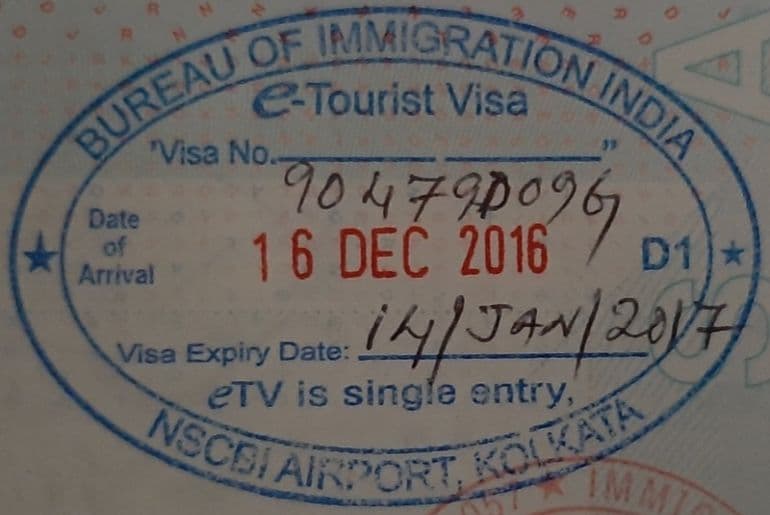
Tourist visa of India | Image Credits: Wikimedia Commons
The following are a few of the other important changes to the visa regime of India:
Medical Visas: M-1 To M-4
The categories now clearly distinguish between conventional medicine, under M-1, and traditional Indian AYUSH treatments, under M-3. The M-2 and M-4 visas are for the attendants of the patients, and all of these categories have a default 1-year validity with multiple entries allowed.
Student Visas: S-1 And S-2
The student visas are now consolidated into S-1, which is for school, undergraduate, and postgraduate courses, and S-2, which is for PhD scholars, researchers, visiting faculty, and exchange programs. Both categories allow multiple entries.
Business Visas: B-1 And B-2
After the change in visa regime, business visas are now split into long-term venture setup under B-1 and short-term assignments under B-2. They have also incorporated the Production Investment Business Visa, formerly e-B4, on the e-Visa platform for foreign engineers and technical specialists.
Also Read: Can You Transit Through Singapore Without A Visa On An Indian Passport?
Summing Up
It is hoped that these changes will make navigating travel to India significantly easier. The reduction in paperwork and the reduction in visa categories is hoped to be particularly helpful in reducing confusion when applying for a visa to India.
Frequently asked questions
When will India's new Visitor Visa (V-1 and V-2) take effect?
The Ministry of Home Affairs announced in November 2026 that backend IT upgrades are in their final stages, and visas under the new rationalized Visitor Visa framework will begin issuing by the end of 2026.
Can I attend business meetings or a yoga retreat on the new V-1 Visitor Visa?
Yes. The V-1 Visitor Visa explicitly permits travelers to combine tourism with short-term business meetings, medical consultations, wellness retreats, yoga programs, and short cultural or language courses.
Did India change the visa fees along with renaming the Tourist Visa?
No fee revisions were announced alongside the November 2026 category rationalization. India's e-Visa facility continues to serve nationals of 172 eligible countries via Electronic Travel Authorization (ETA).
- Published:
- Updated:

About the author
Tooba Shaikh
Tooba Shaikh has over three years of experience in writing and editing long-form, SEO-friendly content, mainly in the food and travel niche. She has previously worked with Curly Tales and is skilled with CMS like WordPress. To put it simply, not only does she make sure that your content sounds flawless, but also that it is actually visible to relevant audiences. You can connect with her on: Email: tooba.shaikh@moes-art.com