

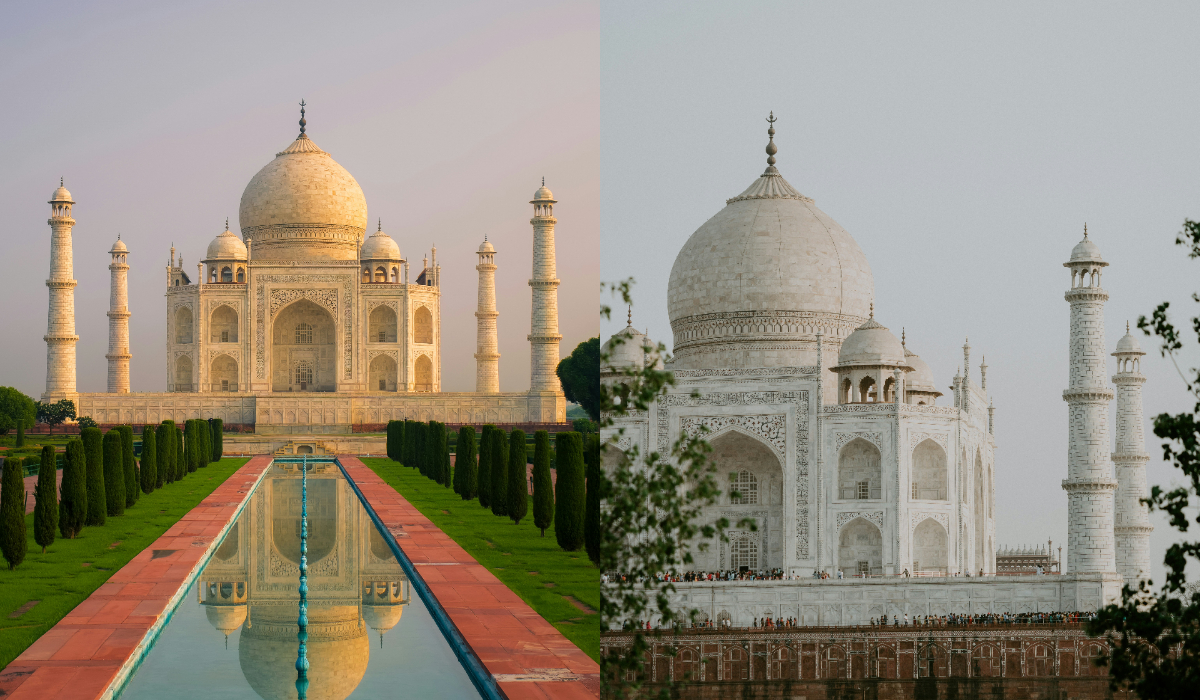
Some cities preserve history, and then there is Agra, where every street, monument, and riverside garden tells the story of an empire that transformed India’s architectural landscape, creating a destination that continues to captivate travelers from around the world centuries after the Mughal era came to an end.
Although the Taj Mahal is the city’s defining landmark, Agra offers much more than a single monument. Once the capital of the Mughal Empire, it is home to magnificent forts, grand mausoleums, bustling bazaars, and peaceful gardens that together paint a vivid picture of India’s royal past. Whether you’re planning a day trip from Delhi or spending an entire weekend exploring its heritage, Agra rewards visitors with experiences that extend far beyond its famous marble masterpiece.
Why Visit Agra?
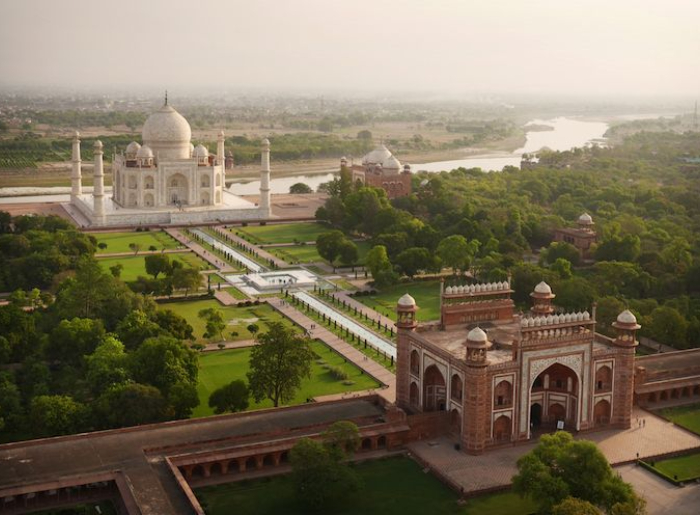
Situated along the banks of the Yamuna River in Uttar Pradesh, Agra has been one of India’s most important historical cities for centuries. It flourished under the reigns of Mughal emperors Akbar, Jahangir, and Shah Jahan, whose architectural vision transformed the city into a center of art, culture, and craftsmanship. Today, Agra proudly boasts three UNESCO World Heritage Sites, making it one of the country’s richest heritage destinations.
History, however, is only part of the experience. Wander through its lively markets filled with handcrafted marble souvenirs, leather goods, and traditional textiles, stop for authentic Mughlai cuisine, or sample the city’s famous petha and dalmoth. Every corner of Agra offers another glimpse into a city where centuries-old traditions continue to thrive alongside modern life.
Must-Visit Attractions In Agra
1. Taj Mahal
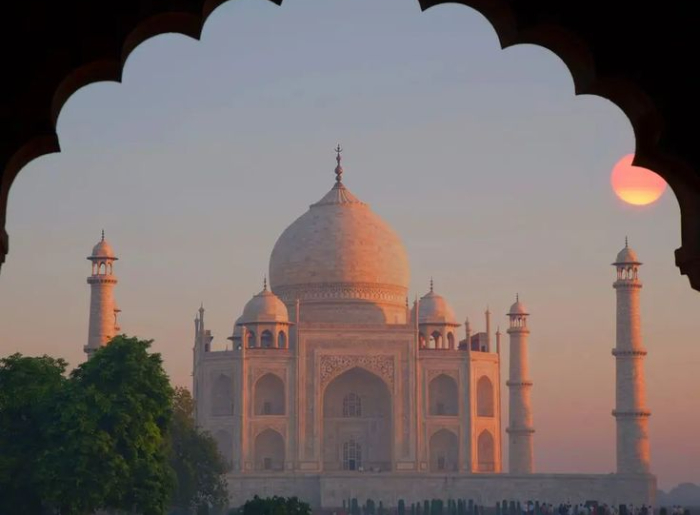
No visit to Agra is complete without standing before the Taj Mahal. Recognized as one of the Seven Wonders of the World, this UNESCO World Heritage Site was commissioned by Emperor Shah Jahan in memory of his wife Mumtaz Mahal and remains one of the greatest achievements of Mughal architecture.
Its flawless symmetry, intricate marble inlay work, expansive Charbagh gardens, and reflecting pools create an unforgettable first impression. Every detail, from the delicate floral carvings to the calligraphy adorning the marble walls, showcases the extraordinary craftsmanship of the 17th century. While the monument is breathtaking throughout the day, sunrise offers the most magical experience as the changing light gradually transforms the white marble into soft shades of pink and gold.
Address: Dharmapuri, Tajganj, Agra, Uttar Pradesh 282001
Timings: 6:00 AM to 6:30 PM (Closed on Fridays)
Ticket Price:
- Indian Citizens: INR 50
- Foreign Tourists: INR 1,100
- Main Mausoleum: Additional INR 200
2. Agra Fort
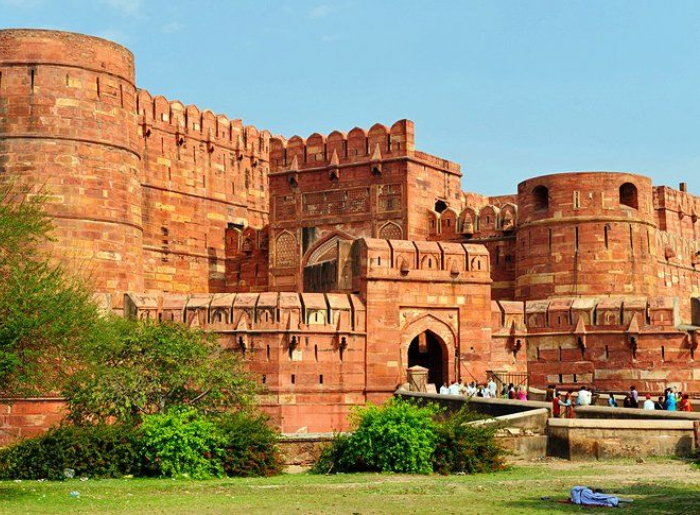
Just a few kilometers from the Taj Mahal stands Agra Fort, another UNESCO World Heritage Site that once served as the primary residence of the Mughal emperors. Surrounded by towering red sandstone walls stretching over two kilometers, the fort houses magnificent palaces, audience halls, courtyards, mosques, and beautifully landscaped gardens.
Among its highlights is the Musamman Burj, the octagonal tower where Shah Jahan is believed to have spent his final years while looking across the Yamuna River toward the Taj Mahal. Other architectural gems, including Jahangiri Mahal, Diwan-i-Khas, and Khas Mahal, provide fascinating insights into the grandeur of Mughal court life.
Address: Rakabganj, Agra, Uttar Pradesh 282003
Timings: 6:00 AM to 6:00 PM
Ticket Price:
- Indian Citizens: INR 50
- Foreign Tourists: INR 650
3. Fatehpur Sikri
Located about 40 kilometers from Agra, Fatehpur Sikri is one of India’s finest examples of Mughal urban planning. Built by Emperor Akbar in the 16th century, the city briefly served as the Mughal capital before being abandoned, reportedly due to water shortages. Despite its short-lived history, the remarkably preserved complex remains one of the country’s most impressive historical attractions.
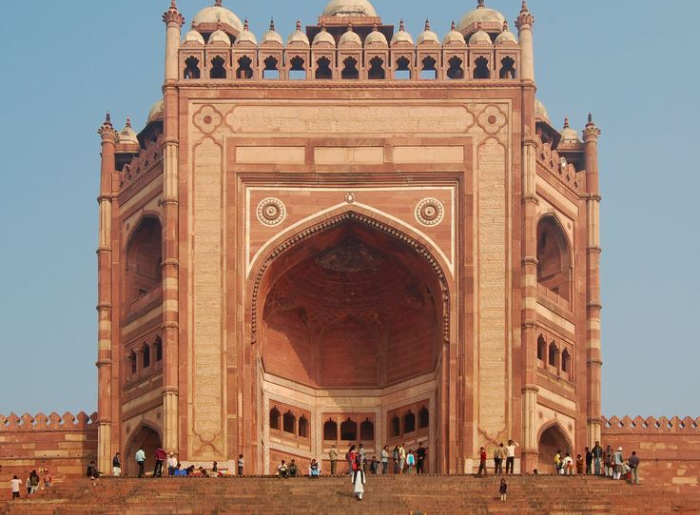
Walking through Fatehpur Sikri feels like stepping back into the Mughal era. Visitors can explore architectural masterpieces such as the Buland Darwaza, Jama Masjid, Panch Mahal, Jodha Bai’s Palace, and the revered Tomb of Salim Chishti. Together, these monuments showcase the artistic brilliance and cultural diversity that defined Akbar’s reign.
Address: Fatehpur Sikri, Agra District, Uttar Pradesh 283110
Timings: 6:00 AM to 6:00 PM
Ticket Price:
- Indian Citizens: INR 50
- Foreign Tourists: INR 610
4. Itimad-ud-Daulah (Baby Taj)
Often referred to as the Baby Taj, Itimad-ud-Daulah’s Tomb is one of Agra’s most elegant monuments and an important milestone in Mughal architecture. Built by Empress Nur Jahan in memory of her father, Mirza Ghiyas Beg, it introduced many marble-inlay techniques that were later perfected at the Taj Mahal.
Unlike its larger counterpart, the Baby Taj offers a quieter and more intimate experience. Delicate floral carvings, intricate pietra dura work, and beautifully maintained gardens make it one of the city’s most rewarding attractions for travelers who appreciate architectural detail and craftsmanship.
Address: Moti Bagh, Agra, Uttar Pradesh 282006
Timings: 6:00 AM to 6:00 PM
Ticket Price:
- Indian Citizens: INR 30
- Foreign Tourists: INR 310
5. Mehtab Bagh
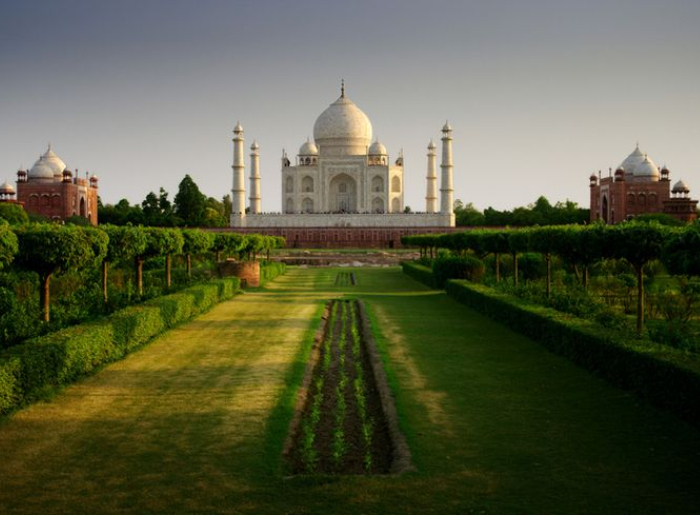
Across the Yamuna River lies Mehtab Bagh, a peaceful Mughal garden that offers one of the finest panoramic views of the Taj Mahal. Originally designed as part of a series of riverside gardens, it provides a refreshing escape from the city’s busy tourist circuit.
The garden is particularly popular during the late afternoon when the setting sun casts a warm glow over the Taj Mahal. Photographers and nature lovers alike appreciate its tranquil atmosphere, scenic walking paths, and unobstructed views of India’s most famous monument.
Address: Nagla Devjit, Dharmapuri, Agra, Uttar Pradesh 282001
Timings: 6:00 AM to 6:00 PM
Ticket Price:
- Indian Citizens: INR 25
- Foreign Tourists: INR 300
6. Akbar’s Tomb, Sikandra
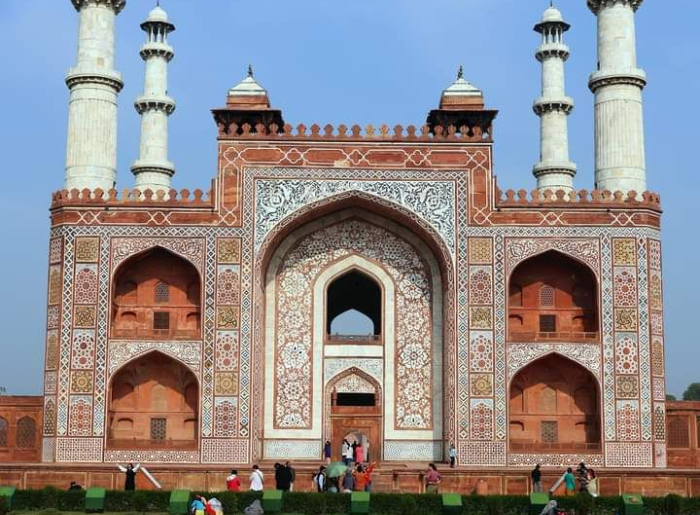
Around 10 kilometers from the city center lies Sikandra, home to the magnificent tomb of Emperor Akbar, one of the greatest rulers of the Mughal Empire. Interestingly, Akbar himself began planning the monument, while his son Jahangir completed it after the emperor’s death. The structure stands apart from other Mughal tombs by blending Hindu, Islamic, Jain, and Buddhist architectural influences, reflecting Akbar’s vision of religious harmony.
Set within expansive gardens that are home to deer, peacocks, and monkeys, the complex offers a peaceful atmosphere away from Agra’s busiest tourist sites. Its towering entrance gateway, intricate marble work, and beautifully landscaped grounds make it one of the city’s most rewarding historical attractions.
Address: Sikandra, Agra, Uttar Pradesh 282007
Timings: 6:00 AM to 6:00 PM
Ticket Price:
- Indian Citizens: INR 30
- Foreign Tourists: INR 310
7. Jama Masjid
Built in 1648 by Jahanara Begum, the daughter of Emperor Shah Jahan, Jama Masjid is among the largest and most important mosques in northern India. Constructed using red sandstone and white marble, the mosque showcases classic Mughal architecture through its elegant domes, intricate calligraphy, and expansive central courtyard.
Located close to Agra Fort, the mosque remains an active place of worship while also attracting visitors interested in the city’s architectural heritage. Its peaceful surroundings provide a welcome contrast to the busy streets just outside its walls.
- Timings: 7:00 AM to 6:30 PM
- Ticket Price: Free
- Address: Jama Masjid Road, Kinari Bazaar, Mantola, Agra, Uttar Pradesh 282003
8. Chini Ka Rauza
Often overlooked by first-time visitors, Chini Ka Rauza is one of Agra’s most distinctive monuments. Built as the tomb of Allama Afzal Khan, a scholar and poet during Shah Jahan’s reign, it is famous for its colorful glazed tiles inspired by Persian architecture, earning it the nickname “China Tomb.”
Although time has weathered many of its decorative tiles, the monument still stands as an excellent example of Mughal craftsmanship beyond marble architecture. Its quiet setting along the Yamuna River makes it an ideal stop for travelers looking to explore Agra’s lesser-known heritage sites.
- Timings: 8:00 AM to 6:00 PM
- Ticket Price: Free
- Address: Ghatwasan, Etmadpur, Agra, Uttar Pradesh 282006
9. Kinari Bazaar
For a taste of everyday Agra, head to Kinari Bazaar, one of the city’s oldest and busiest markets. Narrow lanes lined with colorful shops offer everything from marble souvenirs and handcrafted leather goods to traditional jewelry, textiles, and embroidered footwear. It is also one of the best places to experience the city’s vibrant atmosphere.
The market is equally famous for its street food. Local favorites such as petha, bedai with aloo sabzi, jalebi, chaat, and dalmoth make it a must-visit destination for anyone wanting to explore Agra beyond its historical monuments.
- Timings: 10:00 AM to 10:00 PM
- Ticket Price: Free
- Address: Kinari Bazaar Road, Mantola, Agra, Uttar Pradesh 282003
10. Taj Nature Walk
If you’re looking for a quieter side of Agra, Taj Nature Walk offers a refreshing change of pace. Spread across nearly 70 acres, this eco-park features walking trails, viewing points, and native vegetation, all with distant views of the Taj Mahal.
The park is popular among birdwatchers and photographers, particularly during the early morning hours when the surroundings are at their most peaceful. It is also an excellent option for families or travelers who want to enjoy nature while staying close to the city’s main attractions.
Timings:
- Summer: 7:00 AM to 7:00 PM
- Winter: 8:00 AM to 5:00 PM
Ticket Price:
- Indian Citizens: INR 50
- Foreign Tourists: INR 100
Address: Taj East Gate Road, Tajganj, Agra, Uttar Pradesh 282001
Best Time To Visit Agra
- October to March: The best time to visit Agra, with cool and pleasant weather that’s ideal for sightseeing and exploring outdoor attractions like the Taj Mahal, Agra Fort, and Fatehpur Sikri.
- April to June: Summer brings high temperatures, often exceeding 40°C, making daytime sightseeing less comfortable. Early mornings and evenings are the best times to explore.
- July to September: The monsoon season transforms the city with lush greenery and fewer crowds. While occasional rain may interrupt outdoor plans, it’s a good time for travelers looking for a quieter experience.
Also Read: Agra Street Food Guide
How To Reach Agra
Reaching Agra is not a difficult task as it is one of India’s best-connected tourist destinations and can be reached by air, rail, or road.
- By Air: Pandit Deen Dayal Upadhyay Airport (AGR) offers limited domestic connectivity, while Delhi’s Indira Gandhi International Airport, around 230 km away, serves as the primary gateway for most travelers.
- By Train: Agra Cantt Railway Station is well connected to major cities including Delhi, Mumbai, Jaipur, Lucknow, and Varanasi. High-speed services such as the Gatimaan Express make Agra an easy day trip from Delhi.
- By Road: The Yamuna Expressway connects Delhi to Agra in approximately three to four hours, while National Highways provide excellent connectivity with Jaipur, Lucknow, Gwalior, and other nearby cities.
Travel Tips For Visiting Agra
- Visit the Taj Mahal early in the morning to avoid crowds and enjoy the best lighting.
- Book monument tickets online to save time during peak tourist season.
- Wear comfortable footwear, as most attractions require extensive walking.
- Keep cash handy for local markets and street food vendors.
- Reserve at least one full day if you plan to visit both Agra Fort and Fatehpur Sikri.
Summing Up
Agra is much more than the city of the Taj Mahal. Its grand forts, magnificent tombs, bustling bazaars, and tranquil gardens reflect centuries of history while offering experiences that appeal to every kind of traveler. Whether you’re fascinated by Mughal architecture, eager to sample authentic local cuisine, or simply looking to explore one of India’s most iconic destinations, Agra promises a journey that is as memorable as the monuments themselves.



One Response