Green Lake Trek Reopens After 4 Years: Route, Best Time And Permits
After a four-year closure, the Green Lake Trek in North Sikkim reopened on October 31, 2026. Explore the best trekking season, route from Lachen, required permits, difficulty, and what makes this Himalayan adventure special.
After having been closed for four years the Green Lake Trek in North Sikkim officially reopened on 31st October 2026. The first people to complete the route since it had reopened were a group of Russian trekkers on 9th November, with the assistance of Lachen Dzumsa and Khangri Tours, Treks and Expedition.
The reopening of the Green Lake Trek in Sikkim brings one of the state's more obscure Himalayan treks back into the spotlight. It's a trek which is famed for its views of Mount Kanchenjunga, the alpine forests and the remote mountain terrain. It's an adventure for the more experienced trekker. Here's what you need to know about the route, the permits and the best time to go.
Why Is Green Lake Trek In Sikkim Special?
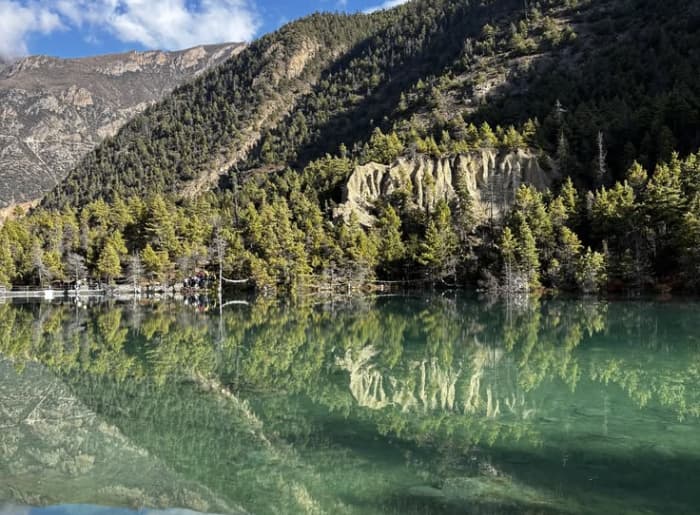
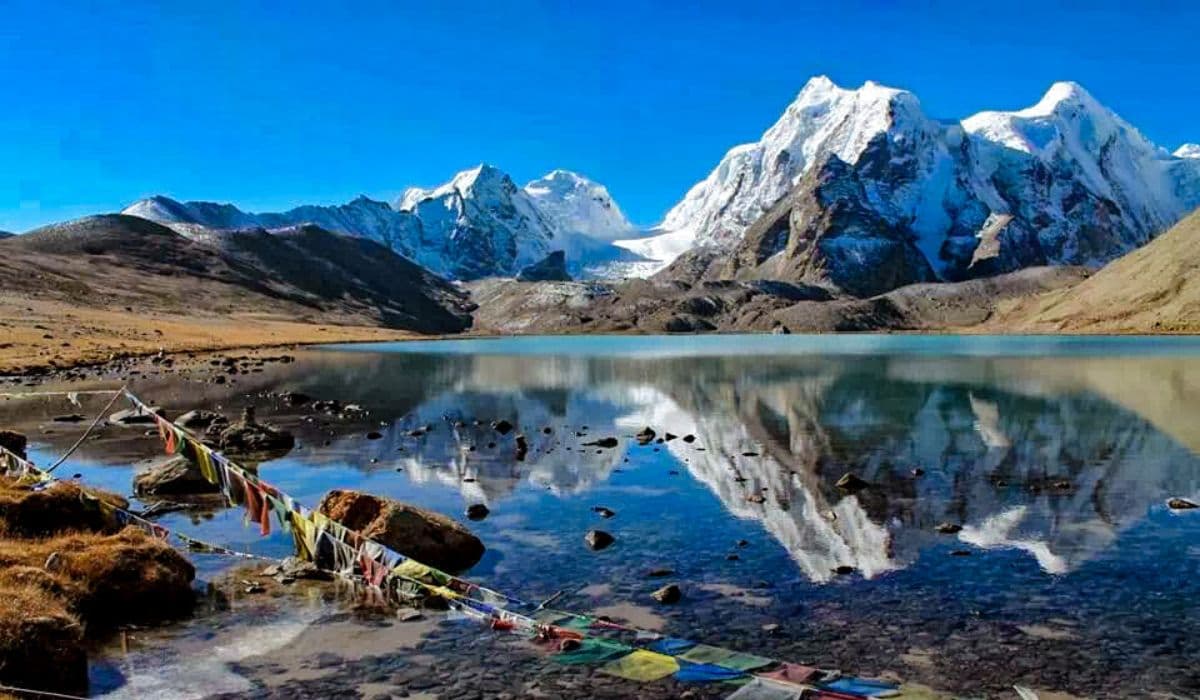
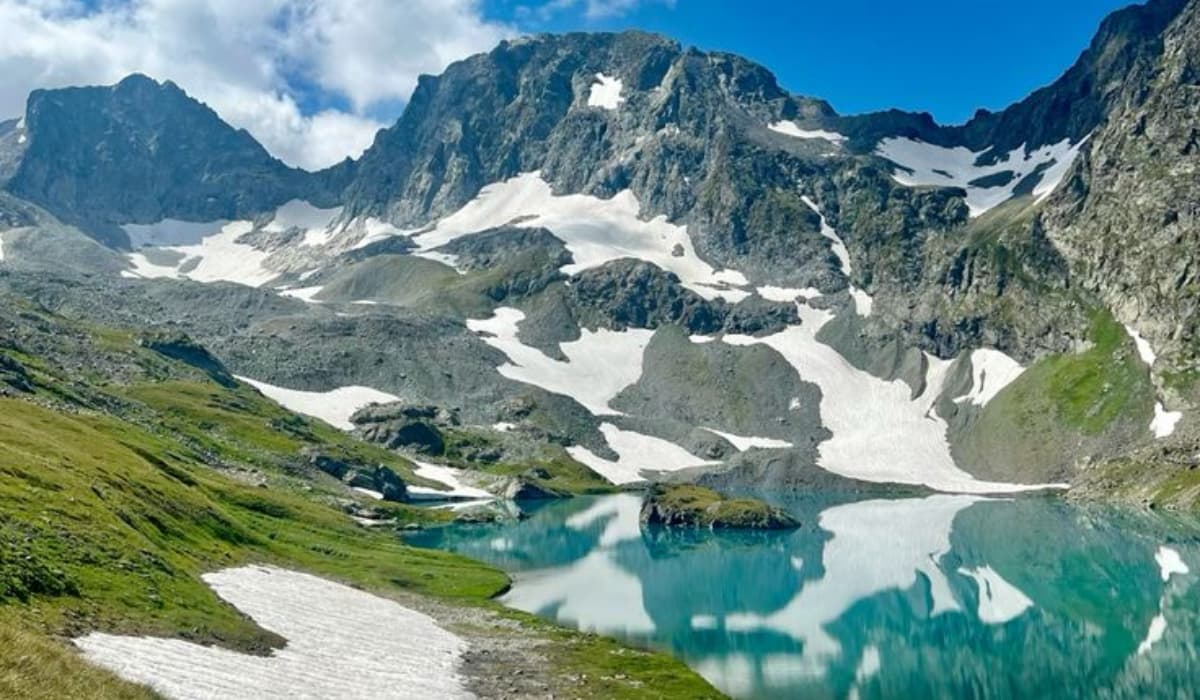
Green Lake | Image Courtesy: Pinterest
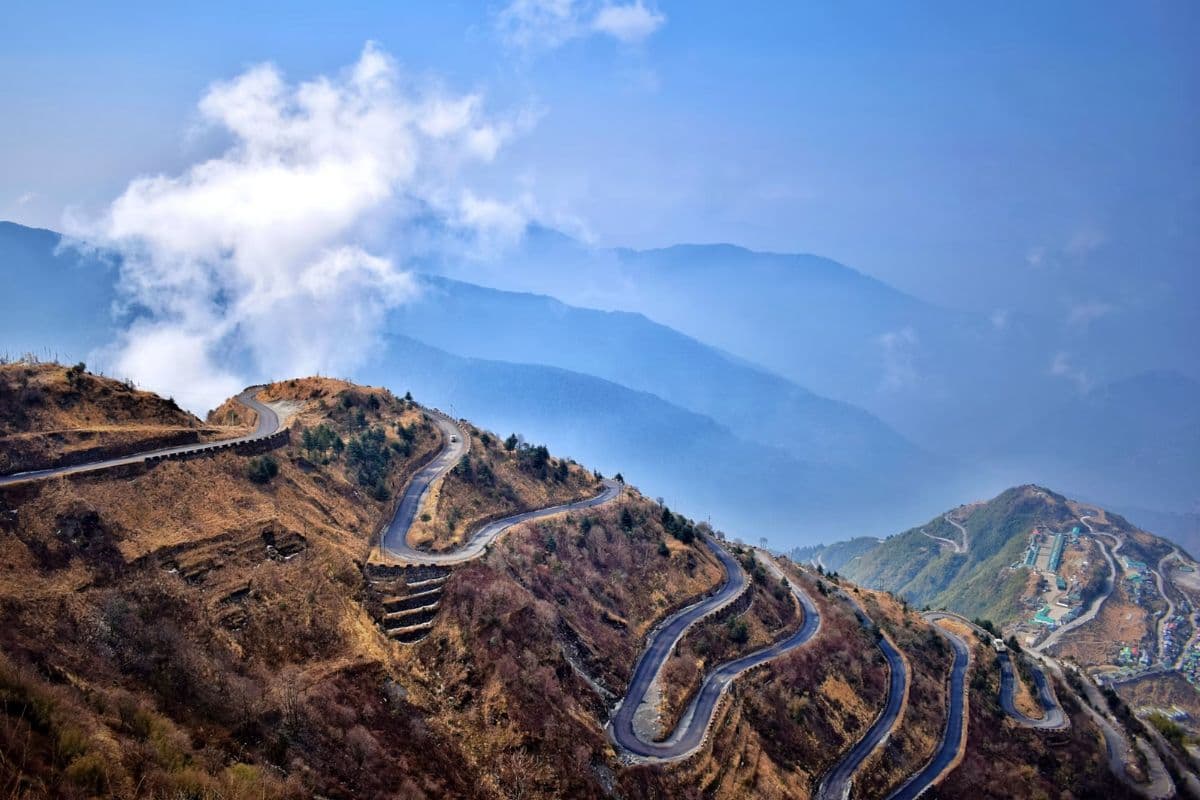
Located in North Sikkim at around 5,050m, Green Lake is situated right near the Zemu Glacier and the base of Mount Kanchenjunga. The trail passes through dense forest, open meadows and rhododendron covered hillsides before you get into the higher Himalayan terrain. There are excellent views of Mount Siniolchu and the surrounding snow-capped peaks along the way.
The area is also famous for its biodiversity with a number of rare orchids and wildlife, although you won't necessarily see any of it. It's a very remote trek with very little in the way of tourist infrastructure unlike some of the more popular trekking regions.
Planning a winter getaway? Discover where you can expect snowfall in India in November 2026 and the best destinations to explore.
What Is The Green Lake Trek Route?
The journey starts in Lachen which is the starting point of the expedition. Anyone looking to do the Green Lake Trek from Gangtok will need to get to Lachen by road first and then continue on foot. Road access and travel times are of course dependent on the weather and the local conditions.
The standard trek route is via Talem, Jakthang, Yabuk, Rest Camp to Green Lake. It's frequently linked with the Zemu Glacier trek and the Kanchenjunga base camp area. It's a multi-day trek through quite varied terrain. The full expedition normally takes about 10-12 days, including travel and acclimatisation. The actual difficulty of the Green Lake trek and the length of the trek will of course vary depending on the itinerary, your fitness and the weather.
When Is The Best Time For Green Lake Trek?
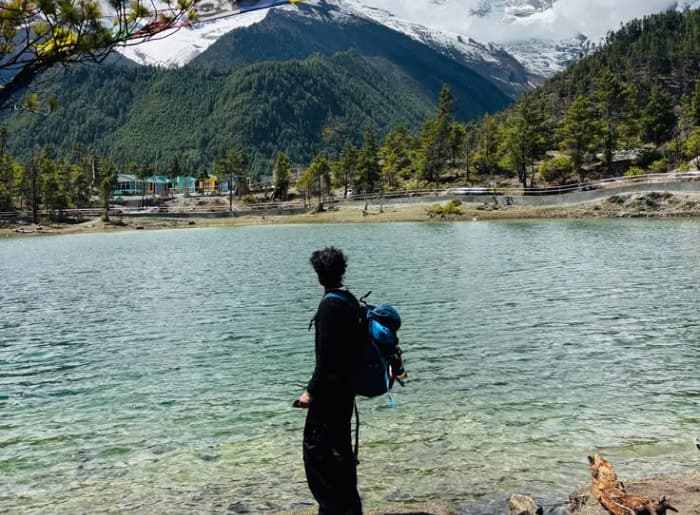
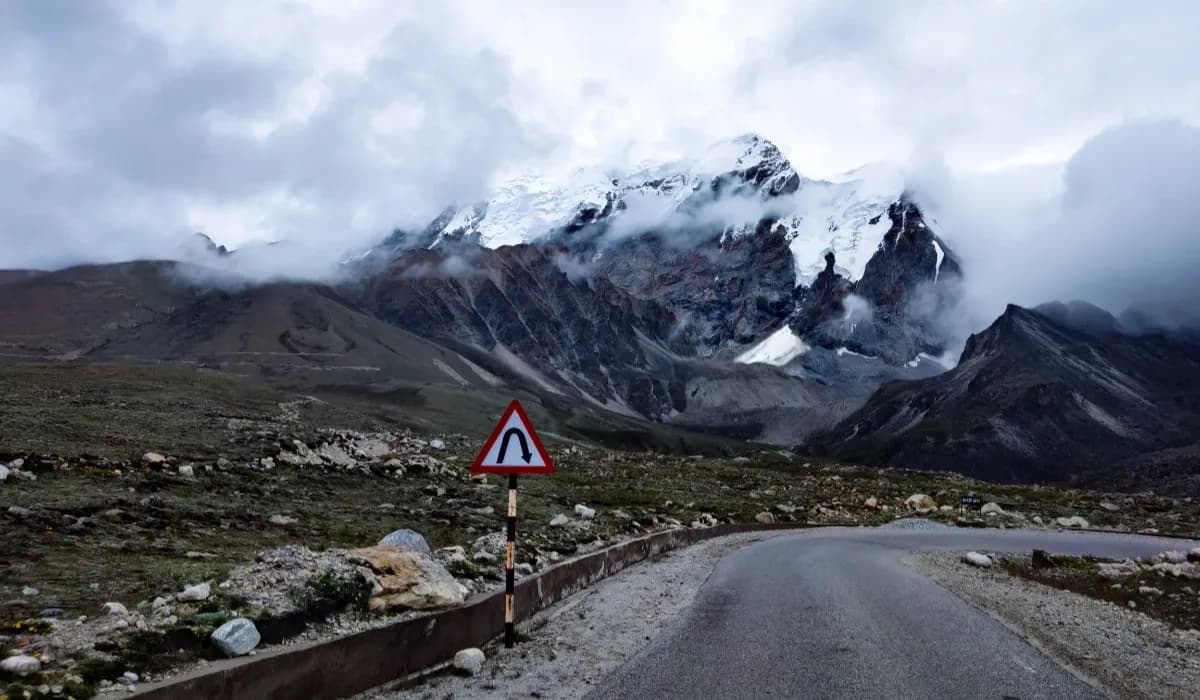
Overlooking Green Lake | Image Courtesy: Pinterest
The best time for the Green Lake trek is generally April to June or September to November. Spring has the rhododendrons and the alpine greenery and autumn can have much sharper views of Mt Kanchenjunga, Mt Siniolchu and the other Himalayan peaks. These are the months that are generally recommended for trekking in North Sikkim, although of course the conditions at higher altitude can be very different.
Don't assume that good weather means you'll get access to Green Lake, Sikkim. The monsoon can be very heavy and that can trigger landslides. It can be a very difficult trek in winter with snow and freezing temperatures. The Green Lake Trek has only just reopened so check with local authorities and with registered trekking operators to confirm seasonal access.
What Permits Are Required For Green Lake Trek?
Green Lake trek permits are mandatory as the trek takes you through a restricted area of North Sikkim. You'll need to obtain permits via the Adventure Cell of the Sikkim Tourism Department after the requisite clearances have been obtained from the Forest Department, the Home Department and the Army. Applications must be made through a registered travel agent.
For anyone looking into the Green Lake Trek permit for Indians, it's vital to bear in mind that a standard tourist permit will not automatically entitle you to do this trek. Foreigners may also be required to obtain additional protected area permits and will, of course, have to meet the relevant eligibility criteria. Permits can take a while to process, so it's absolutely essential that you check with your operator regarding the current requirements, documents, and restrictions well in advance of departure.
How Difficult Is Green Lake Trek And Why Does Its Reopening Matter?
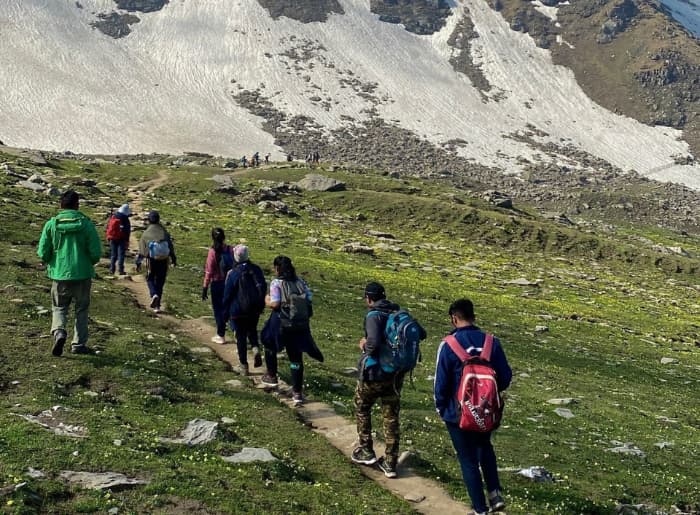
Trekking in Green Lake | Image Courtesy: Pinterest
The Green Lake Trek is variously described as moderate to difficult in the tourism literature, though its altitude and remoteness will make it a real trek. You're looking at long walking days, the weather can be very fickle, there's very little in the way of communication, and you're very much at the mercy of the weather. Altitude sickness is a definite possibility, and you'll need previous high-altitude trekking experience, proper acclimatisation, the right kit, and an experienced local guide if you're going to do it.
The reopening also brings renewed opportunities for Lachen trekking and local tourism. Guides, porters, cooks, drivers, homestays, and small businesses could benefit as trekking groups return to the region. However, responsible tourism is necessary to protect the fragile Himalayan environment, particularly along remote trails where waste management and emergency facilities are limited.
Wondering what Sikkim is famous for? Explore its popular places, unique experiences, and attractions that make it worth visiting.
Author's Note
This article draws on official Sikkim Tourism guidelines, government trekking and protected-area regulations, and recent reports on the reopening of the Green Lake Trek. These sources provide details on the reopening, trekking route, permit requirements, difficulty, duration, and recommended seasons for visiting.
Summing Up
After four years, the reopening of Green Lake has been a blessing for anyone looking to explore the Northern part of Sikkim. With its mountain scenery, challenging terrain, and proximity to the Kanchenjunga region, it offers an exciting experience for conventional sightseeing. Before planning your trip, be sure to check the kind of road access available, needed permits, etc. Proper preparation is essential when undertaking
- Published:
- Updated:

About the author
Ayush Shashidhar
Social Creative Manager
Ayush Shashidhar is a Social Creative Manager at Moe’s Art, where he writes content for unstumbled. Ayush’s work involves researching topics, developing ideas, and writing informative content that is easy to read and engaging. Before joining Moe’s Art, Ayush worked as a Marketing Associate on projects with Titan Company Limited and boAt lifestyle. At Titan, he contributed to campaigns such as the Fastrack Smart Metal Series and the Titan Smart Crown Collection, working on campaign ideas,...