

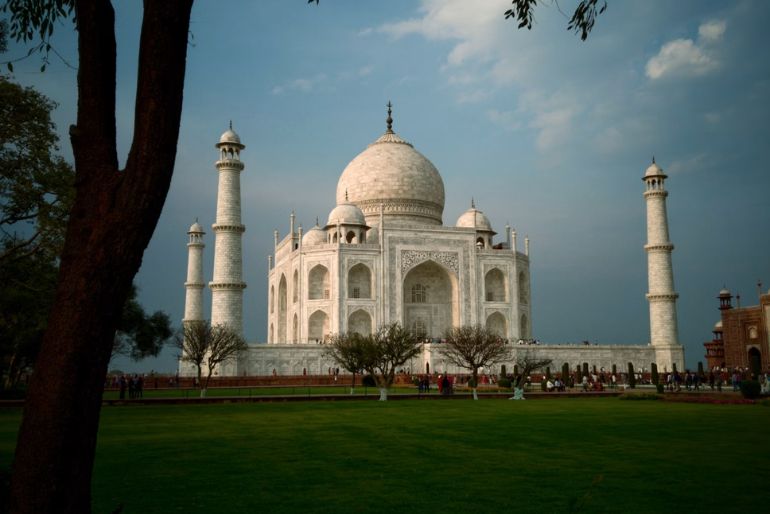
Agra is one of the most celebrated cultural destinations of India. It is situated on the banks of the river Yamuna in Uttar Pradesh and is widely acclaimed as the home to the majestic Taj Mahal. The historic city is known to draw millions of domestic and international tourists every year. However, experiencing the grandeur of the Taj Mahal multiplies when you know the best time to visit Agra. So let’s understand Agra’s weather throughout the year in this month-by-month breakdown and ensure a visually stunning and memorable journey.
Month-By-Month Breakdown To Visit Agra
January
January is situated right at the core of the winter season, which makes the temperatures range between 7 degrees Celsius at night and 20 degrees Celsius during the afternoon. During this month, heavy morning fog is very common, which creates a mysterious veil over the mesmerizing Taj Mahal. It is the best time for photographers awaiting the midday sun for crisp lighting. January is the best month, which has the best weather for cozy winter strolls. So make sure you dress in warm layers.
February
February can easily be called the finest month overall to visit Agra. The temperatures range between 10 degrees Celsius and 26 degrees Celsius, which makes the weather comfortably warm during the day and pleasantly cool at night. The fog subsides during this month, offering crystal clear skies for viewing the Taj Mahal at sunrise. February is also the month when the 10-day-long cultural extravaganza known as Taj Mahotsav is held. It celebrates Indian crafts, arts, dance, and authentic Mughlai cuisine. It is known as the best time to visit Agra for couples.
March
March is the month that marks the transition from winter to spring. The daytime temperature goes to 30 degrees Celsius, and at night it falls to 15 degrees Celsius. Sightseeing remains comfortable from early morning till late afternoon. March is also the month when the country celebrates Holi, and hence, offers the visitors the opportunity to witness the vibrant Holi celebrations across Uttar Pradesh. Before the intense summer heat walks in, March is surely the best month to visit Agra with family.
April
April is the month when spring walks away and swiftly gives way to summer. In this month, the daytime temperature rises to around 37 degrees Celsius. During this month, the midday feels hot, but early mornings between 5:30 AM and 9:00 AM and late evenings remain good for sightseeing. Tour groups generally do not visit in this month, which makes April the perfect month for reduced ticket lines and reasonable weather.
May
May is the peak summer month, especially in North India, and temperatures rise to 42 degrees Celsius. The afternoon sun gets intense, and hence outdoor sightseeing gets difficult between 11:00 AM and 4:00 PM. But it is also the best month for budget-conscious travelers as it provides unmatched discounts on various luxury hotels. One tip you can follow is to visit monuments in the morning to avoid the scorching sun.
June
June is considered the hottest month in the Agra travel calendar, with temperatures reaching 45 degrees Celsius. The high heat makes outdoor activities restricted to early morning hours. The pre-monsoon clouds bring relief by late June. If you wish for empty monument grounds and the absolute lowest prices on accommodation and travel, June is your month to visit Agra.
Also Read: Agra Street Food Guide
July
July is the beginning of the Southwest monsoon season, which lowers the temperatures from 45 degrees Celsius to 32 degrees Celsius. The rain showers wash away the heat and dust of summer, which revives the Mughal gardens around the Taj Mahal and Agra Fort. The humidity levels are high, but the cloud-covered skies provide nice, diffused, soft light, which is perfect for photography.
August
August receives steady rainfall, which keeps the maximum temperature around 31 degrees Celsius. The surrounding foliage around the Taj Mahal turns vivid green, and there are reflection pools brimming with water. If you travel to Agra during monsoon season, especially in August, it offers a tranquil experience. It is perfect for romantic strolls through Mehtab Bagh across the Yamuna River.
September
As rainfall starts to diminish in September, the temperature fluctuates, and the humidity begins to drop. The skies start clearing up, making September a well-known popular shoulder season month. The visitors enjoy the greenery from the monsoon season paired with slowly emerging clear views. This signals the arrival of the winter tourism peak.
October
October is known as the beginning of the Agra peak tourist season. The daytime temperatures fall to a pleasant 30 degrees Celsius, and the nighttime temperatures fall to a comfortable 18 degrees Celsius. This is the best time to visit Agra for pleasant weather, as it offers moderate hotel rates before the peak December rates and effortless exploration of historical sites.
November
November offers near-perfect weather across Northern India. The skies are clear with sunny days, with the highest temperatures reaching 27 degrees Celsius. The evenings are cold, with temperatures around 12 degrees Celsius, which makes it one of the perfect choices of month for international travelers. It is the ideal time to explore expansive complexes like Itimad-ud-Daulah (Baby Taj) and Fatehpur Sikri.
December
December brings winter with temperatures ranging between 8 degrees Celsius and 22 degrees Celsius. The city is known to welcome tourists from across the globe during this month. December is said to be the most busy months of the year due to New Year and Christmas holidays. The morning fog becomes frequent, and the afternoon sunshine creates a magical atmosphere around the monuments.
Season-By-Season Overview To Visit Agra
Winter Season (October to March)
Winter is widely known as the ultimate window for travelling to Agra. During these months, the blistering heat leaves, the skies are clear blue, brings in cool breezes and offers comfortable daytime temperatures. Hence, this is known as the Agra peak tourist season. It attracts travelers who wish to explore monuments without battling extreme heat. Walking around expansive grounds like Fatehpur Sikri and Agra Fort becomes effortless during winters, making it the best time to visit Agra for sightseeing.
Summer Season (April To June)
You can surely visit Agra in summer but only with adequate preparation. Summer in Agra is known to bring intense heat with temperatures crossing 40 degrees Celsius in May and June. However, this period is also the time that can be known as the cheapest time to visit Agra. The hotels tend to offer substantial discounts, and monuments are significantly less crowded. It allows patient visitors to take pictures without any large tour groups around or in the background.
Monsoon Season (July To September)
Monsoon offers a unique charm for all the people who love heritage. The humidity increases, and the rainfall comes in spells, but the rain cleanses the marble surfaces of the Taj Mahal. It also brings lush greenery to the surrounding gardens such as Mehtab Bagh. This month is a fantastic option for budget-conscious travelers, especially if you are seeking moderate crowds and beautiful photography landscapes.
Also Read: 10 Luxury Hotels In Agra
Summing Up
Whether you are planning a family vacation, a romantic getaway, or a budget backpacker trip, Agra is surely one of the most beautiful destinations to visit. We have provided you with a comprehensive monthly weather guide for Agra to help you plan your trip to Agra better and as per your preferences.