

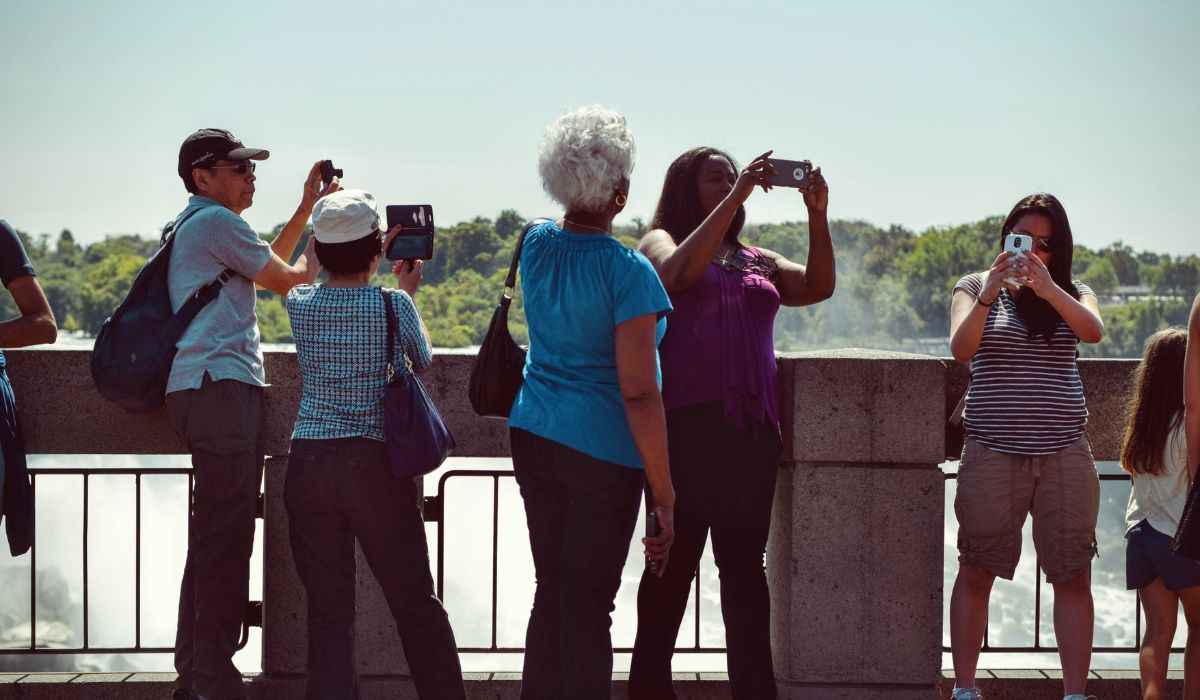
The world of exploration is rich with nuances, where people often embark on journeys with varying mindsets and intentions. While the terms “tourist” and “traveler” are frequently used interchangeably, they signify different approaches to travel. Tourists generally follow popular routes and itineraries, seeking well-known destinations and experiences, while travelers are motivated by deeper exploration, embracing new cultures and often wandering off the beaten path. This article will highlight the distinctions between tourists and travelers, shedding light on their distinct characteristics and the values that define them. By understanding these differences, you’ll gain insights into the way people experience the world and how travel can offer diverse perspectives on life.
What Are The Proper Definitions?
Tourist: A tourist is someone who visits places for leisure, often sticking to mainstream attractions and familiar destinations. They usually plan their trips around packaged tours, which include fixed itineraries and well-known sights. Tourism is often characterized by comfort, luxury, and ease, with travelers expecting services tailored to their needs.

Traveler: A traveler, on the other hand, tends to explore destinations for personal growth and adventure. Travelers seek deeper connections with the places they visit, often immersing themselves in local cultures, traditions, and experiences. Their journeys may not follow conventional routes, and they might embrace spontaneity over structure. Travelers often opt for more unique, authentic experiences rather than touristy attractions.
Also Read: Rajasthan Travel Itinerary
Difference Between Tourist And Traveler
1. Purpose of Travel
Tourists typically travel for relaxation, entertainment, or cultural experiences in well-known spots, while travelers seek personal growth, exploration, and a deeper connection with their destinations.
2. Itinerary Vs. Spontaneity
Tourists tend to follow pre-arranged itineraries, making sure they hit the top attractions. Travelers, however, often embrace spontaneity, allowing their plans to evolve based on curiosity and opportunities.
3. Comfort Vs. Adventure
Tourists often prefer comfort, staying in hotels and resorts that offer ease and luxury. In contrast, travelers may seek adventure, opting for budget accommodations, hostels, or even camping to connect with the environment.
4. Connection With Locals
Tourists generally interact with locals in a more superficial manner, sticking to tourist-oriented services. Travelers aim for a deeper cultural immersion, often learning the local language, engaging in authentic experiences, and forming meaningful connections.
5. Duration Of Stay
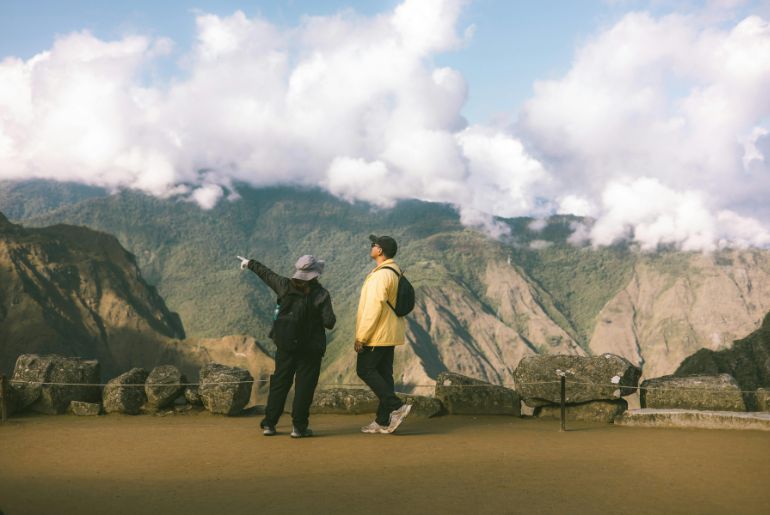
Tourists often stay for a short time, visiting the most popular sites. Travelers may spend extended periods in one place, allowing themselves to absorb the culture and lifestyle of the location.
Also Read: Kathmandu Travel Guide
6. Social Media Influence
Tourists frequently travel for the purpose of sharing their experiences on social media, often capturing the most Instagram-worthy moments. Travelers, however, may focus on capturing memories and experiences for personal growth rather than validation on social platforms.
7. Approach To Money
Tourists tend to spend more on organized tours, shopping, and luxury experiences. Travelers, on the other hand, are often more budget-conscious, preferring to spend money on experiences rather than material goods.
8. Respect for Local Culture
While many tourists respect the local culture, they often do so in a surface-level manner. Travelers go deeper, respecting traditions, customs, and values, and sometimes even adapting their behavior to align with local norms.
9. Packaged Tours Vs. Independent Travel
Tourists are likely to book packaged tours with all the logistics handled for them. Travelers often prefer the freedom of independent travel, booking accommodations, transport, and activities themselves.
10. Impact on the Destination
Tourists might contribute to mass tourism, which can lead to overcrowding and environmental damage. Travelers, on the other hand, often engage in responsible tourism, supporting local businesses and minimizing their environmental footprint.
Also Read: Why India Is Incredible: Travel And Explore Its Beauty And Culture
Summing Up
While tourists and travelers share a common love for exploring the world, their approaches differ significantly. Tourists are more likely to follow a planned path with an emphasis on comfort and convenience, while travelers prioritize authentic experiences and profound connections with the places they visit. Both approaches offer valuable perspectives on travel, but it’s important to recognize the impact these different styles can have on local communities and the environment.

One Response