November is about to begin and if that means something, it is the beginning of the festive season. As winter approaches, India’s packed festival calendar slowly unveils a festival almost every week and month. From the colorful Camel Fair of Pushkar and Jaipur Literature Fest to Makar Sankranti and Konark Sun Festival, here are some of the best winter festivals in India you must not miss out on!
Festivals To Visit In India From November 2026 To February 2027
1. Pushkar Camel Fair, Rajasthan
The Pushkar Mela or Pushkar Fair is an annual five-day festival with the festivities lasting for about a week. The festival is dedicated to camel and livestock trading, attracting traders and farmers from all over Rajasthan and India. Additionally, tourists and visitors from all over the world attend the festival. As one of the largest livestock fairs in the world, visitors from all over the world visit the city of Pushkar for the festival days.
The event is characterized by a fair-like setup on an open ground, where thousands of livestock sellers and buyers trade cows, buffaloes, donkeys, and other animals. But the festival is more than just a trade show. There are a number of contests held here, including pageant shows for animals, music and cultural performances, and attractive rides. When visiting Pushkar for the Pushkar Camel Fair, do make it a point to visit the famous Brahma Temple in the city center and visit the other temples here.
When: November 17 to November 24, 2026
Where: Pushkar, Rajasthan
2. Hornbill Festival, Nagaland
If you want to experience the entire cultural fabric of Nagaland, you must attend the Hornbill Festival. The festival brings together 17 major tribes of Nagaland, bringing together a number of cultural experiences, food stalls, tribal displays, and more. A major highlight of Hornbill Festival is the traditional morung display – traditional, communal huts where you can learn about the history and culture of different tribes.
You can also sample a number of traditional Naga delicacies. From fermented bamboo shoots, pork and a variety of meats, and deliciously indulgent rice beer, Naga food is diverse, flavorful, and full of flavors you might not see in a traditional kitchen. Hornbill Festival is a must-have cultural experience in Nagaland if you’re keen on having a glimpse into the local life of different Naga tribes.
When: December 1 to December 10, 2026
Where: Kisama, Nagaland
Also Read: How To Build A Music Festival Wardrobe You’d Actually Want To Wear!
3. Konark Dance & Music Festival, Konark
Konark Dance & Music Festival is one of the best winter music festivals in India if you are a dance and music lover. Started in the year 1986 at Konark Natya Mandap by its Founder-Director Padmashree Guru Gangadhar Pradhan. The sole aim behind this festival is to bring in artistes from different corners of India to showcase their art.
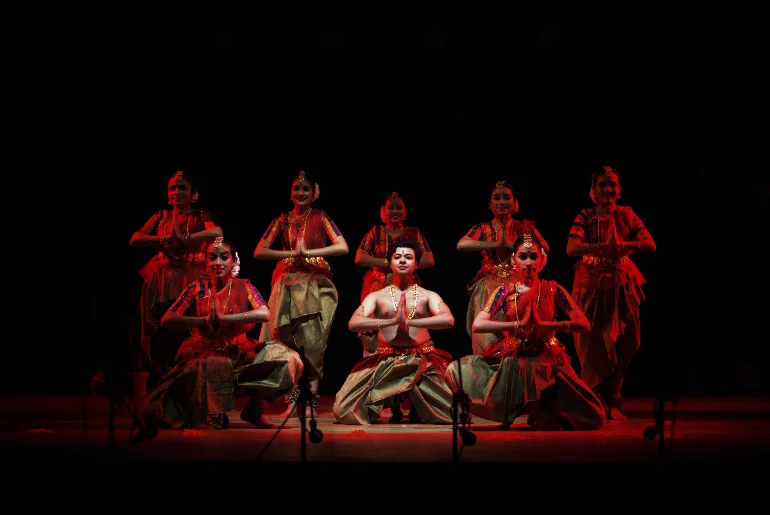
Dancers perform a number of dance styles and classical dances like Odissi, Kathak, Bharatnatyam, Kuchipudi, Manipuri, and Mohiniattam among others. The Konark Dance Festival also hosts a number of cultural events and workshops for artists. If you are interested in knowing more about the dance and music culture of India, you must attend Konark Dance & Music Festival 2026.
When: Held every year from 19th to 23rd February as per official website
Where: Konark, Odisha
Also Read: Tawang Festival 2026: How To Reach, Where To Stay & What To Eat
4. Jaipur Literature Festival
Literature enthusiasts, this is one of those winter festivals in India you must not miss out! The Jaipur Literature Festival is a platform dedicated to authors and literature lovers, inspiring new writing and empowering fresh literary ideas. The festival is entering its 20th year, set to bring a talented slate of writers, speakers, and artists from all over the world.
Over the years, the festival has hosted Heads of State and Nobel Laureates such as Orhan Pamuk, Wole Soyinka, and Abdulrazak Gurnah, Booker Prize winners like Margaret Atwood and Ben Okri, and global thinkers including the Dalai Lama, Oprah Winfrey, and Amartya Sen.
Today, it also has Jaipur Music Stage (JMS) with traditional and contemporary sounds each evening, the Festival Buzzaar for artisanal crafts, the Jaipur BookMark (JBM) as South Asia’s largest publishing conclave celebrating translation, rights, and industry awards, and the exclusive Friend of the Festival (FOF) curated journey with lounge access, heritage dinners, all culminating with the legendary Writers’ Ball.
When: January 14 to January 18, 2027
Where: Jaipur, Rajasthan
Also Read: The Best Places To Eat In Jaipur, From A Local’s Point Of View: A Definitive Guide
5. Makar Sankranti
Last on our list of the best winter festivals in India is a festival that has different versions across India, but carries the same sentiment. Makar Sankranti is one of the most famous Indian festivals in winter. The festival will occur on January 15, 2027, also referred to as Uttarāyana, Makara, or simply Sankrānti.
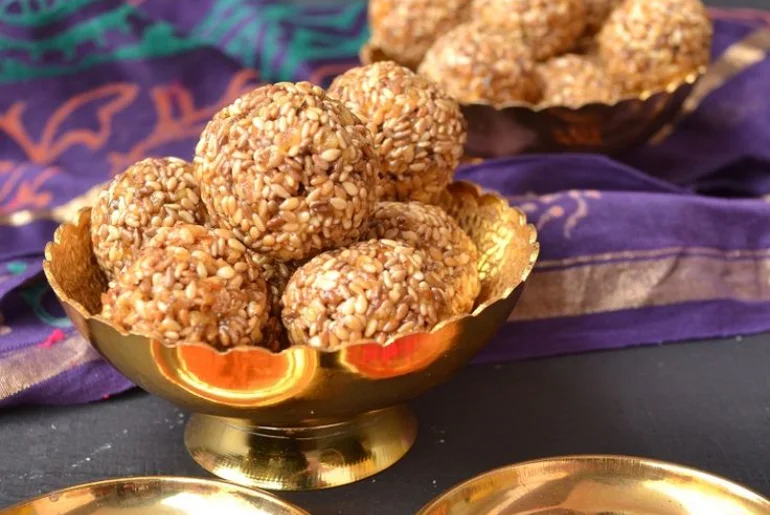
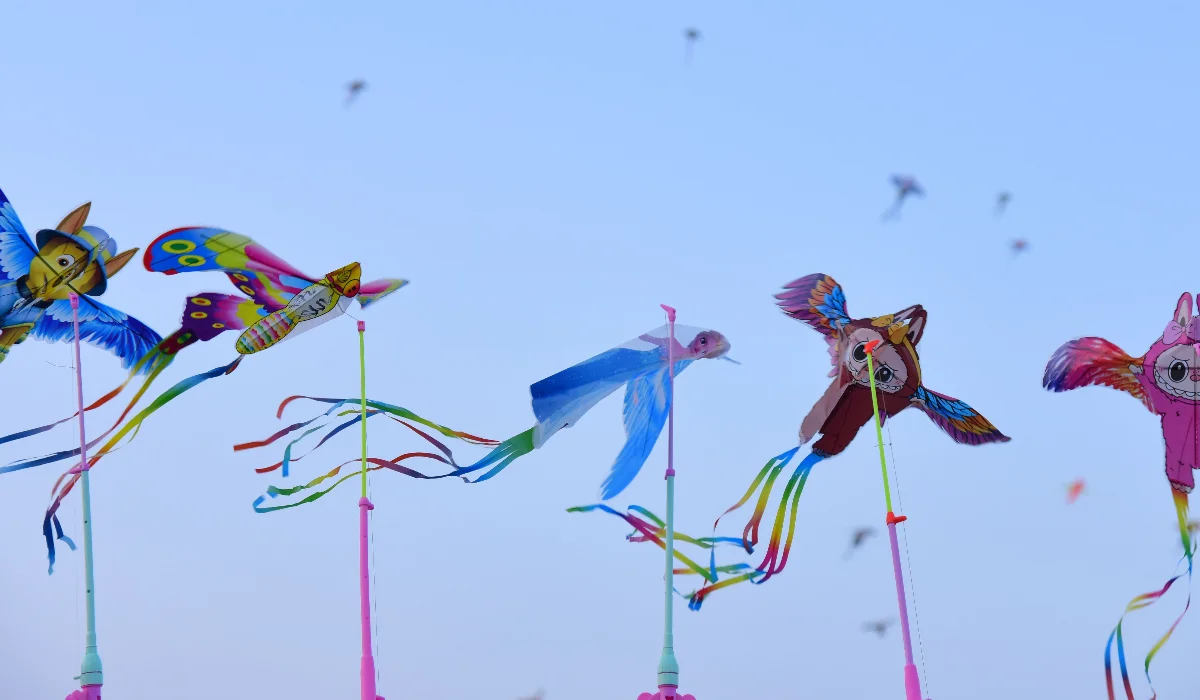
Dedicated to the Sun God (Surya), the festival is associated with appreciating agricultural abundance and honoring nature and livestock. In Maharashtra and parts of Karnataka and Gujarat, people exchange til laddoos, exchanging wishes like “tilgul ghya goad god bola”. In Gujarat, Rajasthan, and many North Indian states, people organize kite-flying contests. In South India, particularly Tamil Nadu, the festival is celebrated as a four-day harvest festival called Pongal.
When: January 15, 2027
Where: Across India
Author’s Note
Winter festivals in India are all about honoring agricultural produce and communal brotherhood. Out of the festivals mentioned above, I’ve grown up experiencing Makar Sankranti. The festival is a celebration of the arrival of winter and is associated with new beginnings, prosperity, and practicing good virtues.
Summing Up
In this blog, we’ve listed a few religious as well as cultural winter festivals in India. From Sankranti and Jaipur Literature Festival to the Hornbill Festival and Pushkar Camel Fair, we have listed five festivals to visit in India between November 2026 and February 2027.