
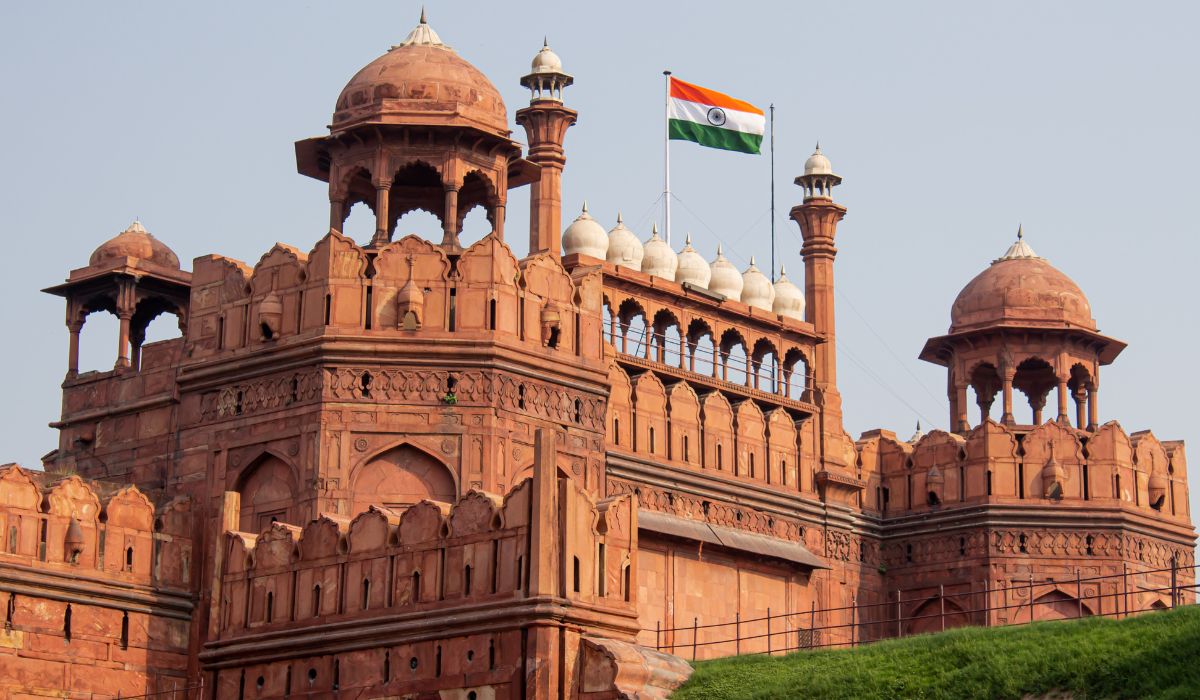
On Saturday, the PM will unfurl the flag of India at the Red Fort, and the entire nation will celebrate what will be its 80th official Independence Day. All across the country, children will sing the national anthem to adults adorning a lapel pin of the flag. Anywhere you turn, you’ll see that the colors orange, white, and green are ubiquitous, in that particular order, are ubiquitous. You may be all too familiar with these visuals on Independence Day, but are you familiar with the story of why we celebrate Independence on August 15? Well, unstumbled is here to tell you exactly that!
Why Is Independence Day On 15 August?
The answer to this question has more to do with a British General’s whims than with India or its leaders.
Lord Louis Mountbatten was the last British Viceroy of India. He held many other important posts in the British Empire in a few other regions across the globe. One of the positions was the Allied Supreme Commander in World War II.
After the United States of America (USA) infamously dropped the bombs on Hiroshima and Nagasaki, Japan finally surrendered. Though the official surrender happened on September 2, 1945, the emperor of Japan first announced his intent to surrender on August 15.
Since the date carried some value for the British viceroy, he decreed it as the date on which power would officially transfer to India from the Britishers, thus making it India’s Independence Day.
Also Read: Where To Celebrate Independence Day 2026 In Delhi? Brunches, Special Menus And Prices To Know
10 Facts You Should Know About India’s Day Of Freedom
1. Older Independence Day
15th August is not the first Independence Day India got. Prior to Lord Mountbatten decreeing the day of transfer of power, the Indian National Congress had been celebrating January 26 as the Independence Day since 1930. Once the date of transfer of power was determined, that was made the Independence Day, and January 26 came to be celebrated as the Republic Day.
2. Gandhi’s Absence
Despite his immense contribution and being the face of India’s freedom struggle, Gandhi did not partake in the festivities that took place in Delhi. He was instead on a hunger strike. He was fasting to stop the brutal and tragic violence that had erupted as a result of partition.
3. Red Fort Tradition
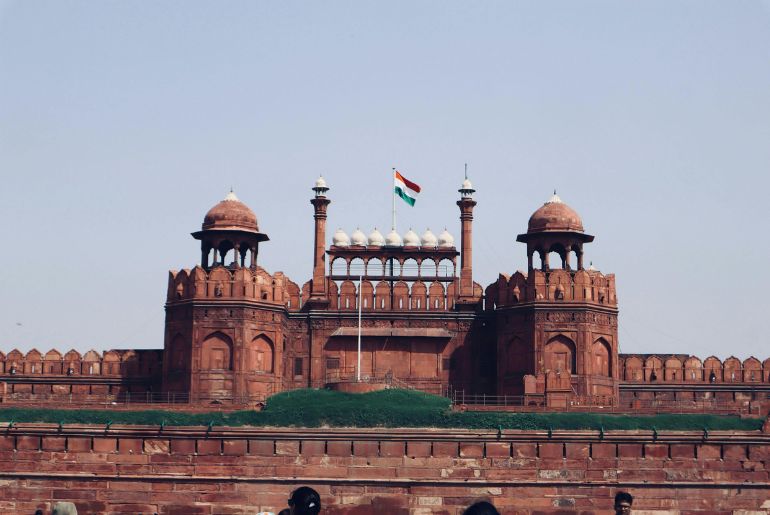
Many incorrectly believe that the very first flag unfurling took place on August 15 in 1947 itself. However, that is not true. The very first Independence Day did not have a flag unfurling at all. Instead, the historic moment when Jawaharlal Nehru hoisted India’s flag from the Red Fort took place on August 16, 1947.
4. No Head Of State
When India was first freed, it neither had a functioning constitution nor did it have a head of state. Lord Mountbatten stayed on initially as Governor-General. It was only in the year 1950 that the first-ever leader of India was democratically elected.
5. Shared Anniversary
Apart from India, there are a total of five other countries that also celebrate their respective day of freedom from the Britishers. Bahrain, North and South Korea, the Republic of Congo, and Liechtenstein. Liechtenstein did not gain independence from any external or colonial rule. It simply celebrates this day as its National Day. Bahrain, on the other hand, was the only other country on this list that also gained independence from British rule. North and South Korea gained independence from the harsh colonial rule of Japan, whereas the Republic of Congo got its independence from France.
Also Read: Independence Day 2026: Where To Watch The Red Fort Parade & PM’s Speech In Delhi
6. Tricolor Flag
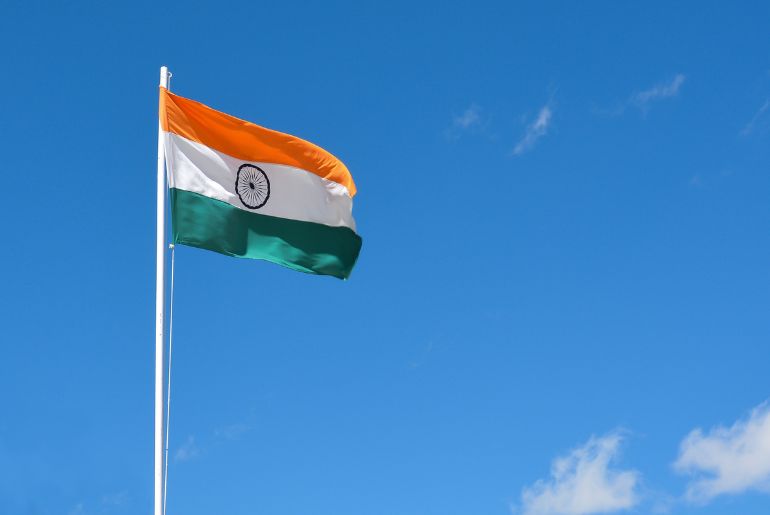
The tricolor flag was initially designed by Pingali Venkayya and refined by Surayya Tyabji. The initial flag had a charkha instead of the Ashok Chakra and only featured Red and Green colors symbolizing the Hindu and the Muslim population of the country.
7. Goa Acquired Much Later
You may be surprised to learn that when India first gained Independence, Goa was not included. This state was still under the rule of the Portuguese. Goa only became a part of the country in 1961 when military action known as Operation Vijay was undertaken to claim the region.
8. Not A Republic But A Dominion
Given that 15 August is celebrated as India’s Independence Day, many believe that it also became a republic on the same day. However, that is not the case. India only became a republic in 1950, when its constitution officially came into force on January 26.
9. Border Of India And Pakistan
The infamous partition of India was grossly mishandled. One of the things that shows this is the fact that though India and Pakistan were announced as separate countries by 15 August, their borders were not announced until August 17. As a matter of fact, the infamous Radcliffe Line was only made after a rushed study of the regions in a matter of five weeks.
10. No National Anthem
Independence Day without a national anthem may seem out of the ordinary, but did you know that Rabindranath Tagore’s Jana Gana Mana wasn’t adopted as India’s national anthem until 1950? The Constituent Assembly adopted it in January.
Also Read: Independence Day 2026: From Kashmir To Kanyakumari; Freedom-Themed Travel Bucket List
Summing Up
India’s 80th Independence Day is sure to be celebrated with the same gusto as it is every year. These facts about India’s freedom day highlight the minutiae of our history that often get overlooked. They also highlight the struggles our country faced when it became a newly independent country. These are the kind of facts that should be known by every Indian.