
No single movement, leader, or moment shaped India’s struggle for independence. It unfolded over decades, from military uprisings and revolutionary actions to mass protests, civil disobedience, and political campaigns that eventually challenged the foundations of British rule. Many of the places where these events unfolded can still be visited today. Following their story chronologically gives us a fascinating way to understand how India’s freedom movement evolved from the Revolt of 1857 to the final years before independence. Here are 10 historic places that tell that story.
10 Historical Places in India
1857: Barrackpore, West Bengal
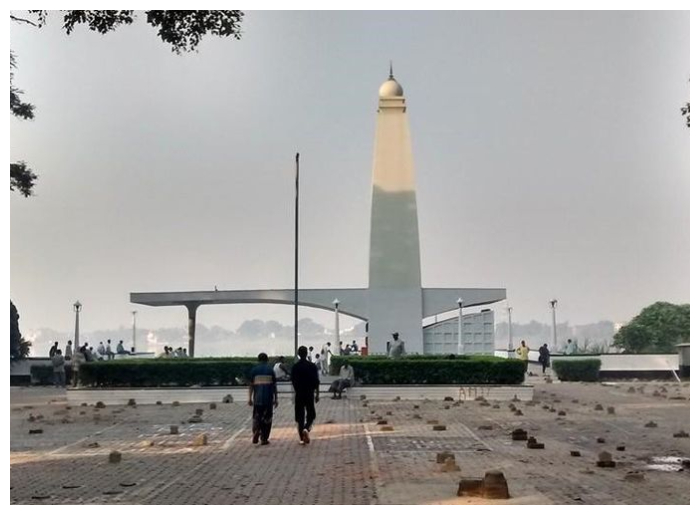
Barrackpore became an important early chapter in the Revolt of 1857 because of Mangal Pandey, a sepoy in the 34th Bengal Native Infantry. On March 29, 1857, Pandey attacked British officers at the Barrackpore cantonment amid growing resentment among Indian soldiers serving the East India Company. He was arrested and executed on April 8.
The incident became one of the immediate precursors to the larger uprising. Mangal Pandey’s actions came to symbolize the mounting anger within sections of the Company’s Indian army, making Barrackpore an important place to understand the tensions that preceded the Revolt of 1857.
1857: The Residency, Lucknow, Uttar Pradesh
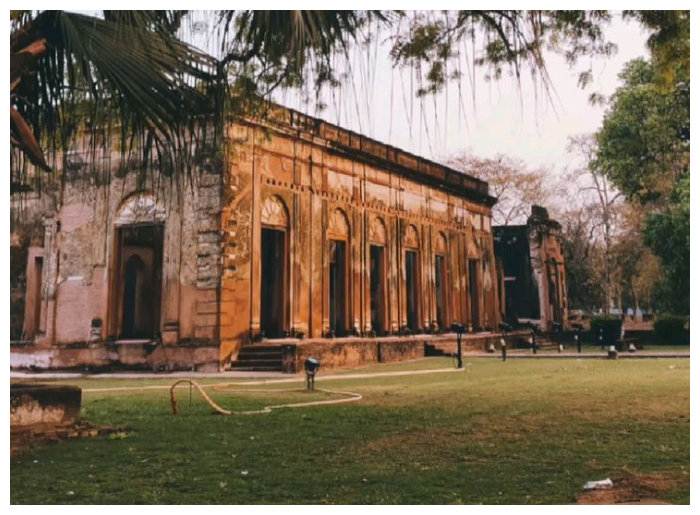
Lucknow became one of the major centers of the Revolt of 1857, and the British Residency was at the heart of months of intense fighting. Indian rebel forces surrounded the Residency compound, where British officials, soldiers, and civilians remained under siege. The complex was repeatedly attacked and heavily damaged during the conflict.
The Siege of Lucknow became one of the defining episodes of the uprising and demonstrated how extensively resistance had spread past individual military cantonments. The surviving buildings, still defined by damage from the fighting, make the Residency especially useful for understanding the scale and intensity of the conflict.
1857-58: Jhansi Fort, Uttar Pradesh
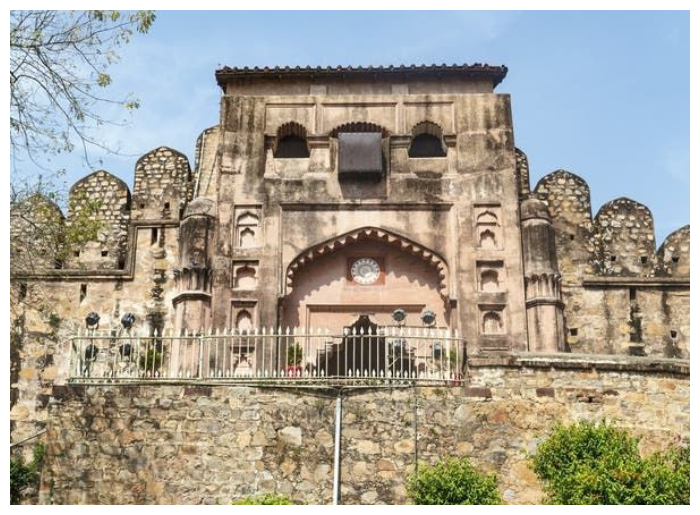
Jhansi became a major center of resistance during the Revolt of 1857, with Rani Lakshmibai becoming one of its most recognizable leaders. British forces attacked Jhansi in 1858, and the fort became closely associated with the fierce resistance led by the queen before she eventually escaped and continued fighting elsewhere.
Her leadership turned Jhansi into a lasting symbol of resistance to colonial rule. Rani Lakshmibai’s role also made her one of the most celebrated figures of the uprising, with Jhansi Fort remaining closely connected to her story.
1906 Onward: Cellular Jail, Port Blair
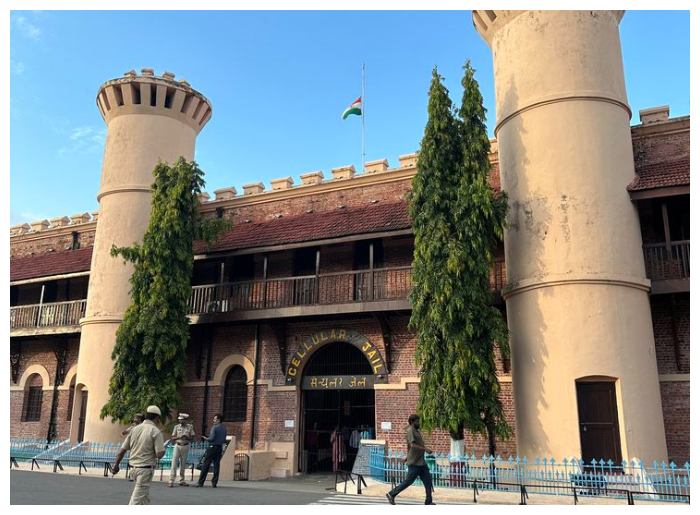
The Cellular Jail in Port Blair represents a different chapter of the freedom struggle. Built by the British colonial government, the prison became notorious for incarcerating political prisoners and revolutionaries, many of whom were transported far from mainland India and subjected to isolation and harsh punishment.
Its importance lies in the efforts of those imprisoned there for challenging British authority. Today, the Cellular Jail remains one of the most powerful physical reminders of colonial repression and the experiences of revolutionaries who spent years behind its walls.
Visit significant memorials across India that honour the people and sacrifices behind the country’s freedom.
1919: Jallianwala Bagh, Amritsar
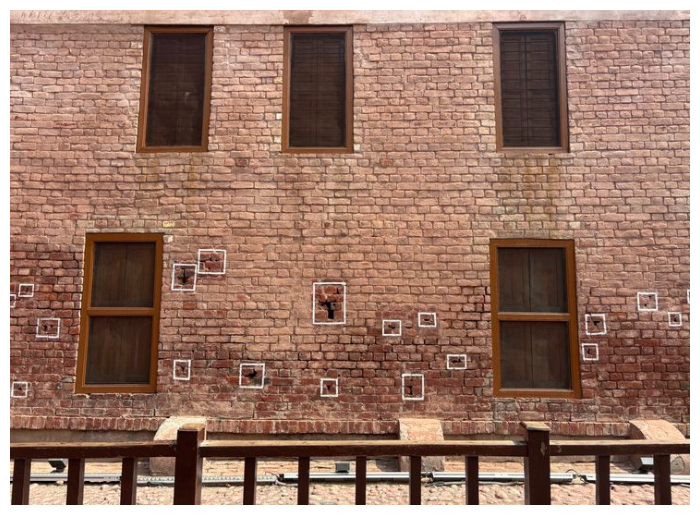
On April 13, 1919, a large gathering had assembled at Jallianwala Bagh when troops commanded by Brigadier-General Reginald Dyer opened fire on the unarmed crowd. The enclosed nature of the ground and its limited exits made escape extremely difficult.
The massacre profoundly changed Indian attitudes toward British rule and intensified nationalist sentiment across the country. Rabindranath Tagore renounced his knighthood in protest. Jallianwala Bagh consequently turned into more than the site of a colonial atrocity. It represented a turning point that pushed many Indians toward a stronger rejection of British rule.
1922: Chauri Chaura, Uttar Pradesh
On February 4, 1922, protesters participating in the Non-Cooperation Movement clashed with police at Chauri Chaura. The confrontation intensified, and protesters set a police station on fire, killing police officers inside.
The incident had consequences far beyond the town. Mahatma Gandhi, who considered nonviolence fundamental to the movement, subsequently suspended the Non-Cooperation Movement. Chauri Chaura therefore signifies a critical moment when violence at one location altered the course of a nationwide political campaign.
Explore lesser-known historic sites that preserve powerful stories from India’s independence movement.
1925: Kakori, Uttar Pradesh
On August 9, 1925, members of the Hindustan Republican Association carried out what became known as the Kakori train action near Lucknow. The revolutionaries targeted government funds being transported by train, intending to use the money to support revolutionary activities against British rule.
The British government responded with arrests and prosecutions, and several revolutionaries received severe sentences, including executions. The episode became one of the best-known actions of India’s revolutionary movement and highlighted an approach to anti-colonial resistance that differed significantly from Gandhian mass movements.
1930: Sabarmati Ashram To Dandi, Gujarat
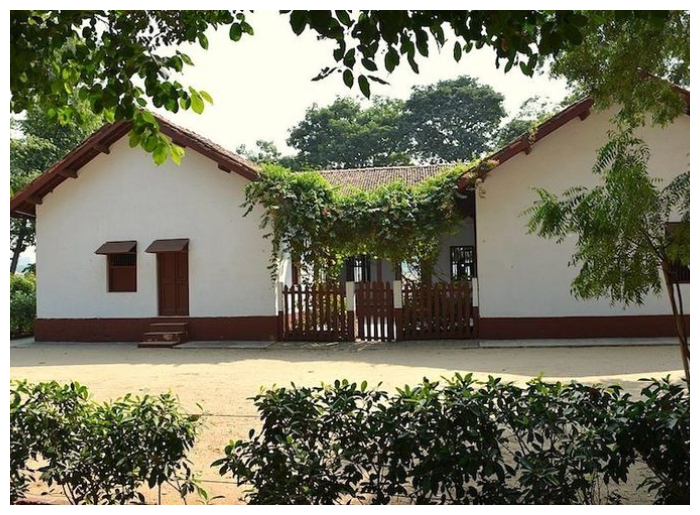
On March 12, 1930, Mahatma Gandhi left Sabarmati Ashram and began walking toward the coastal village of Dandi with a group of followers. After a journey lasting more than three weeks, he reached Dandi and broke the colonial salt law on April 6 by making salt.
The Salt March transformed an everyday essential item into a powerful political symbol. By challenging British control over salt, Gandhi created an issue that Indians across economic and social backgrounds could understand. The march helped expand the Civil Disobedience Movement and drew international attention to India’s struggle against colonial rule.
1942: Kranti Maidan, Mumbai
Gowalia Tank Maidan in Mumbai, now known as August Kranti Maidan, became the setting for a key moment in August 1942. Following the historic meeting of the All India Congress Committee, the Quit India Movement was launched, demanding an end to British rule.
The British government quickly arrested major Congress leaders, but protests and resistance continued in different parts of the country. The movement demonstrated the intensity of the demand for independence and made August Kranti Maidan an important landmark from the final phase of the freedom struggle.
Check the latest railway advisory before planning your Independence Day 2026 train journey.
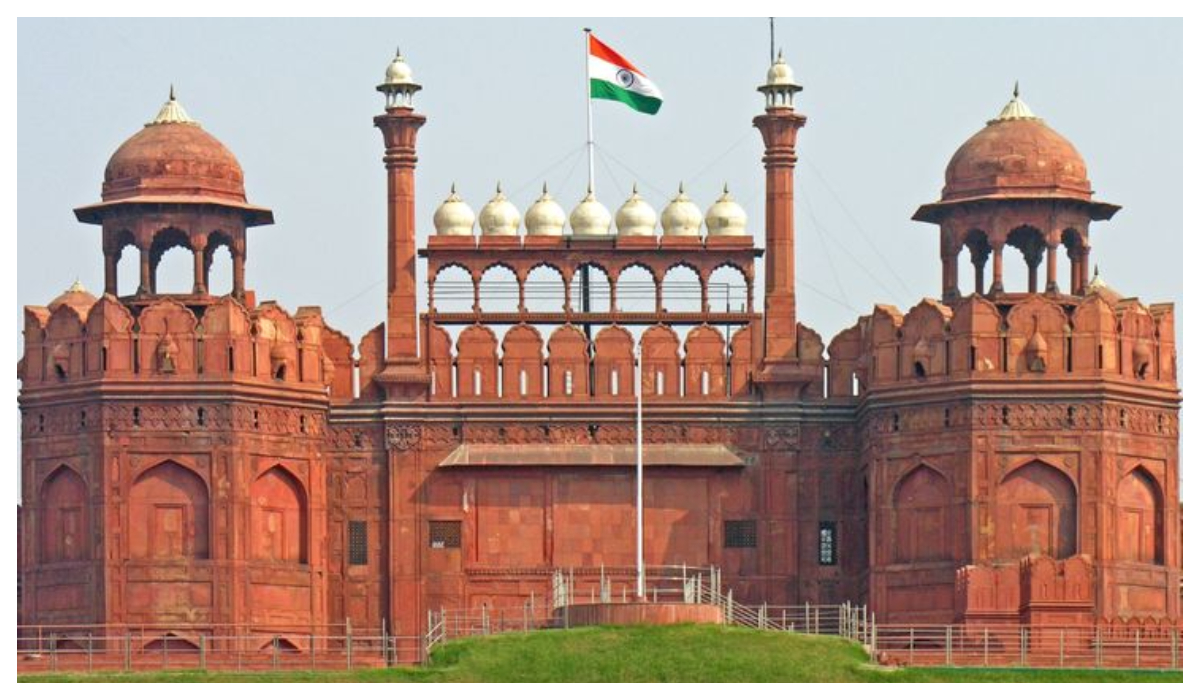
1945-46: Red Fort, Delhi
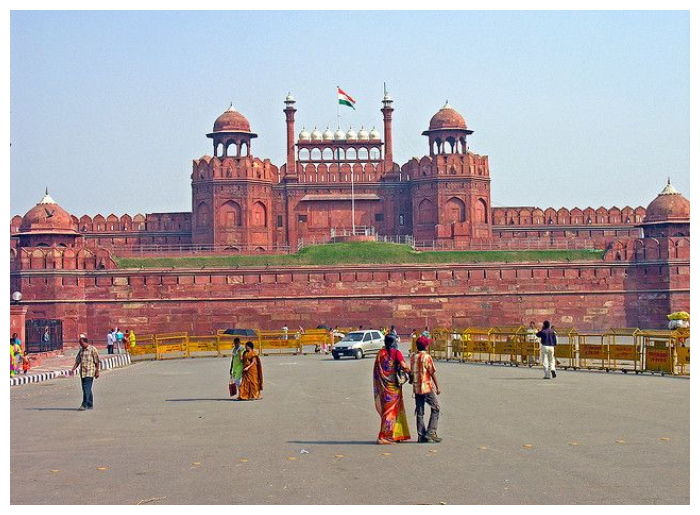
In the final years before independence, Delhi’s Red Fort became the setting for the trials of officers belonging to Subhas Chandra Bose’s Indian National Army. Beginning in 1945, the INA trials attracted enormous public attention and triggered demonstrations and expressions of support across India.
The trials helped turn the INA soldiers into powerful nationalist symbols and generated public support that crossed political and communal boundaries. The Red Fort’s association with these trials adds another dimension to a monument now closely linked with independent India and the annual Independence Day address.
Celebrate India’s freedom with an Independence Day travel bucket list stretching from Kashmir to Kanyakumari.
Summing Up
Together, these 10 places trace nearly nine decades of resistance to British rule. Barrackpore and Meerut reveal the military discontent that broke out in 1857, while Jallianwala Bagh illustrates how colonial violence changed public opinion. Kakori represents revolutionary resistance, Dandi demonstrates the power of civil disobedience, and August Kranti Maidan captures the impending push for the final nationwide struggle against British rule.
Visiting these places in chronological order, even if only through their stories, reveals how India’s freedom movement continually changed in character and scale.