
Navratri Fast 2026: Navratri, or Sharad Navratri, is one of the most sacred Hindu festivals in India. It celebrates the victory of good over evil as Goddess Durga fights a battle for nine days and kills Mahishasura, the buffalo demon. This festival is celebrated by lighting a continuous sacred lamp (Akhand Jyoti), worshipping Goddess Durga, playing garba-dandiya, and observing a fast. Observing a fast during Navratri is one of the most important rituals of worshipping Goddess Durga. Hence, here is a guide on which fruits, flours, salts, etc. are permitted.
About Navratri Fast
The Navratri fast is observed to honor the different forms of Goddess Durga, express gratitude for her protection, and also seek her divine blessings. It is said to be a combination of mental discipline, spiritual devotion, and seasonal health. In Sanskrit, “Upwas” is translated as “staying close to God,” as “upa” means god and “vas” means stay. It implies a period where one focuses on their inner self and prayer.
Talking about seasonal health benefits, the Navratri fast comes at a time when there is a major seasonal change. This seasonal change between summer-monsoon and winter leads to a natural drop in immunity. During this time, when you give up your routine of heavy foods, your digestive fire gets to rest. This leads to flushing out toxins from your body, which leads to rejuvenation.
There are numerous variations of the fast based on traditions, regions, culture, or simply a person’s belief. Some people consume only water, some consume only fruits, while some people consume only one meal for the whole day.
Also Read: Where Is Falguni Pathak Performing For Navratri 2026 In Mumbai? Tickets, Venue & More
Foods Allowed During Navratri Fasting
Flours
Regular maida. Wheat flour and rice flour are generally avoided during Navratri. The following are the flours that you can use during Navratri fast:
Kuttu Atta or Buckwheat flour (pakoras, cheelas, rotis and puris)
Singhara Atta or Water Chestnut flour (parathas and puris)
Rajgira Atta or Amaranth flour (rotis, puris and halwa)
Arrowroot Atta (binding or thickening ingredient)
Sama Rice or Samak, which is made from Barnyard millet (pulao, dosa and khichdi)
Fruits And Dry Fruits
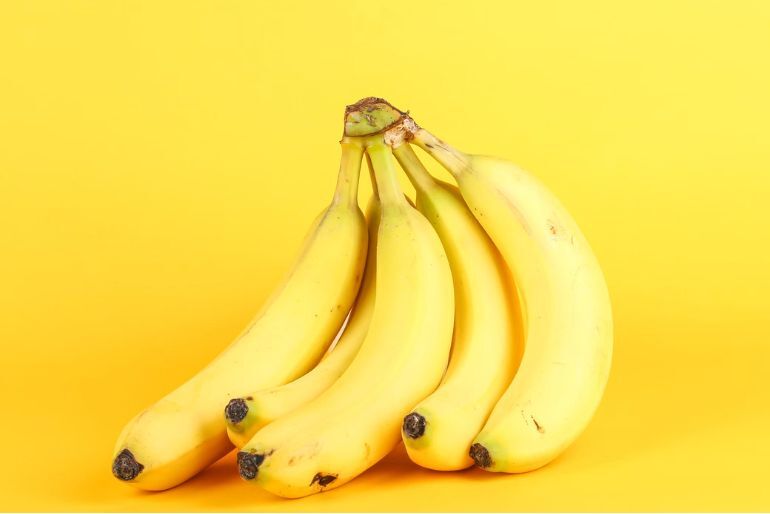
If you thought all fruits are allowed for consumption during Navratri, you are wrong. Here are the fruits allowed during Navratri.
Apples, bananas, papayas, coconuts, and pomegranates.
For dry fruits, you can opt for almonds, raisins, pistachios, walnuts, cashews, and peanuts.
Vegetables
In some households that follow stricter vrat practices, they exclude carrots, beans, some leafy vegetables, mushrooms, and also capsicum. So here’s what is allowed
Potatoes
Sweet Potatos
Arbi or Colocasia leaves
Pumpkin
Bottle Gourd or Lauki
Tomatoes
Cucumber
Yam or suran
Raw papaya
Also Read: When Does Navratri 2026 Begin? Dates, Ghatasthapana Timings, 9 Days & Dussehra
Dairy Products
The following is the list of dairy products that are allowed:
Ghee
Milk
Buttermilk
Paneer
Curd
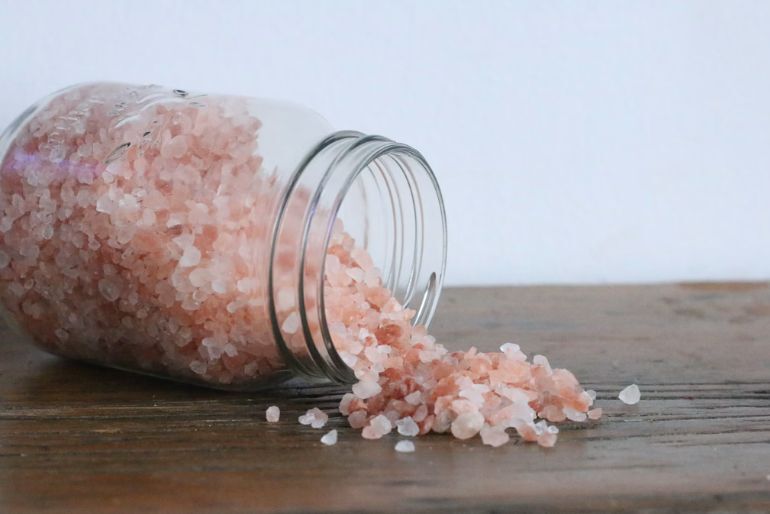
Salts
While preparing fasting dishes, one cannot use normal table salt. It is replaced by Sendha Namak (rock salt) or pink salt.
Others
Makhana
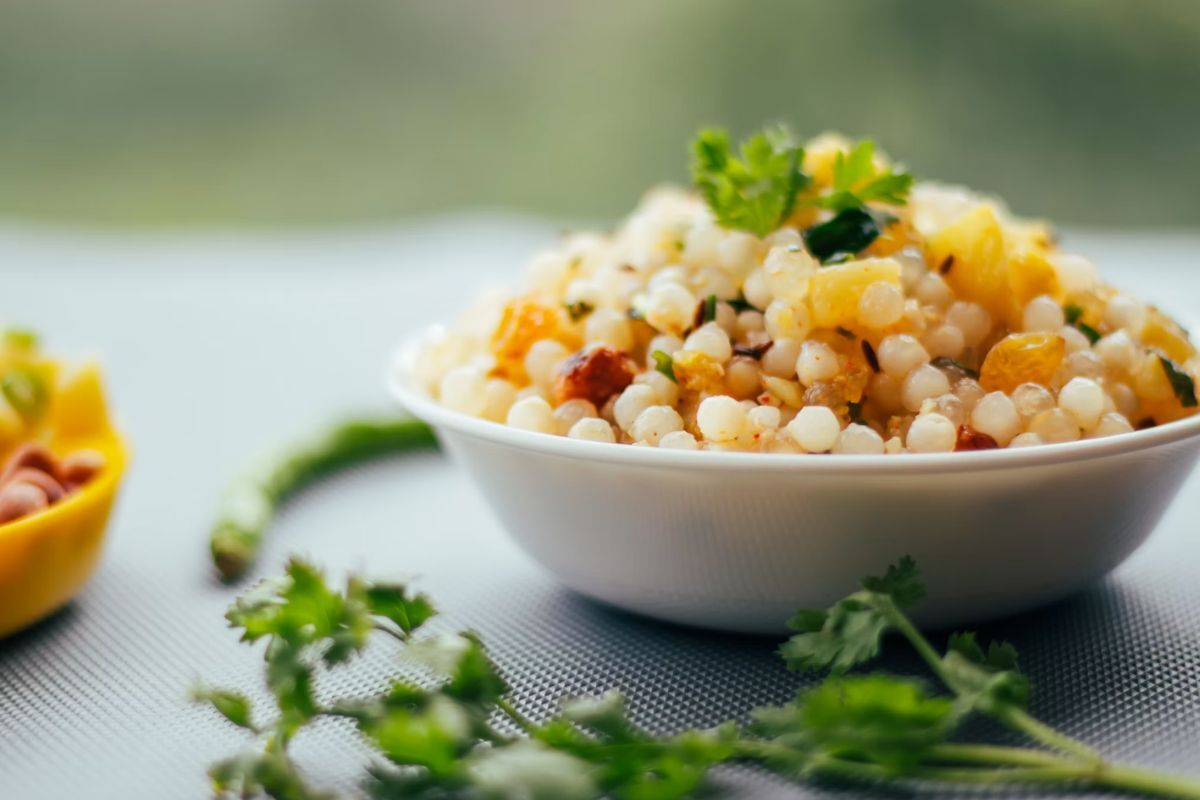
Sabudana
Jaggery
Honey
Sugar
Also Read: How Is Durga Puja In Kolkata Different From Navratri? Rituals, Food & What Changes
What To Avoid During Navratri Fast
Grains and Flours
Wheat, regular rice, maida or all-purpose flour, besan or chickpea flour, lentils, regular beans, sooji or semolina.
Alliums
Onion and garlic
Others
All Non-vegetarian items, tobacco products, and alcohol are excluded for consumption during the entire Navratri period.
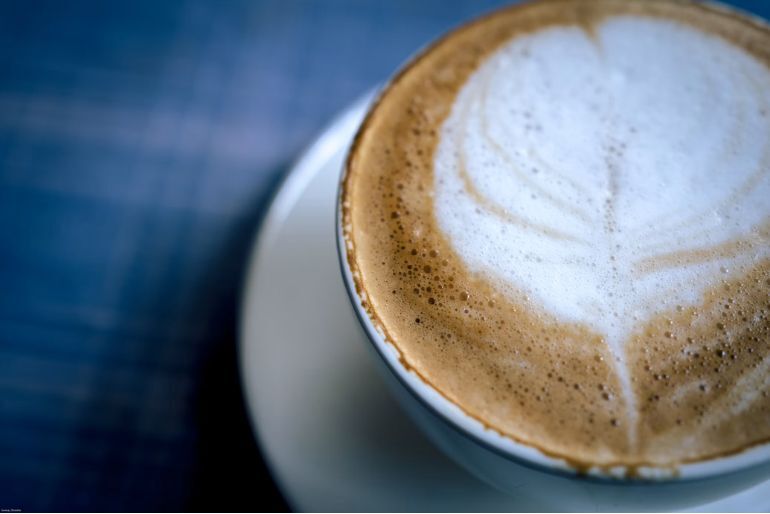
Aerated drinks and coffee are also exempted.
Tips To Remember While Observing Navratri Fast
Keep yourself hydrated; make sure you drink plenty of water, lemon water, coconut water, or buttermilk throughout the day. This will keep dehydration at bay and hence will keep your health away from any danger.
Eat small, frequent meals if possible. You can avoid very long gaps between meals or sudden heavy feasts. Try to combine proteins and complex carbohydrates together in order to make sure that your energy levels are steady.
Do not opt for a strict fast if you are pregnant, have diabetes, or are on regular medication. This can pose a major risk to your health.
Try not to be heavily reliant on fried items like kuttu puris or sabudana vadas. This can cause sluggishness, acidity, and even weight gain. So better to opt for steamed, baked, or roasted options to snack on.
Be mindful while eating. Be seated in one place and consume your meals cleanly.
While breaking a strict fast, make sure you start light and slow. This means that you can start with dates, fresh fruits, or water instead of jumping directly to a heavy meal.
Pay attention to your body’s signals and adjust the pace as needed.
Also Read: What Are The 9 Navratri Colors For 2026? Day-Wise Dates, Colours & Their Significance
Note: This article was compiled after verifying current publicly available business information.
Summing Up
Navratri, or Sharad Navratri, is set to begin on October 11, 2026, and will conclude on October 19, 2026. The fasting for Navratri begins with the festival and ends on Navami or Dashami, as per traditions followed in that particular region or family. We have listed a checklist of what can be consumed and cannot be consumed while observing the Navratri fast.