
Sharad Navratri in North and Western India and Durga Puja in Kolkata are celebrated simultaneously. This year, they will occur between 11th October and 21st October, 2026. The two festivals, prima facie, are quite ubiquitous. However, there are certain fundamental divergences between the two, especially when it comes to theology, mood, and daily traditions. For people who celebrate Sharad Navratri, this festival is a period of austere fasting, penance, and devotion to the nine forms of Navdurga. For Bengalis, on the other hand, Kolkata’s Durga Puja is an exuberant homecoming celebration honoring Maa Durga as a beloved daughter, Kanya, returning to her natal home with her children. This unstumbled guide lays out other fundamental differences between the two of the biggest Hindu festivals in India.
Ritualistic And Theological Divergence
Navratri: Fasting And Navdurga
A major chunk of focus and attention is dedicated to Ghatasthapana on Day 1. Many devotees even keep fasts (Vrat) across nine nights and perform daily worship dedicated sequentially to Shailaputri through Siddhidatri.
Durga Puja: The 5-Day Epic
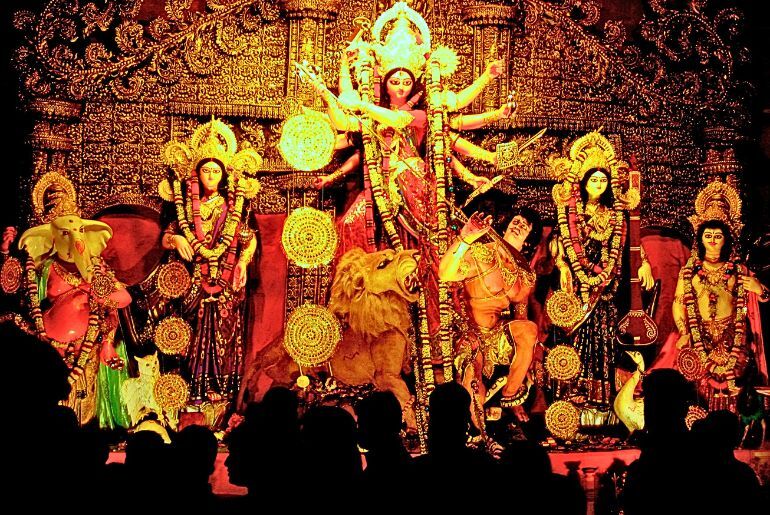
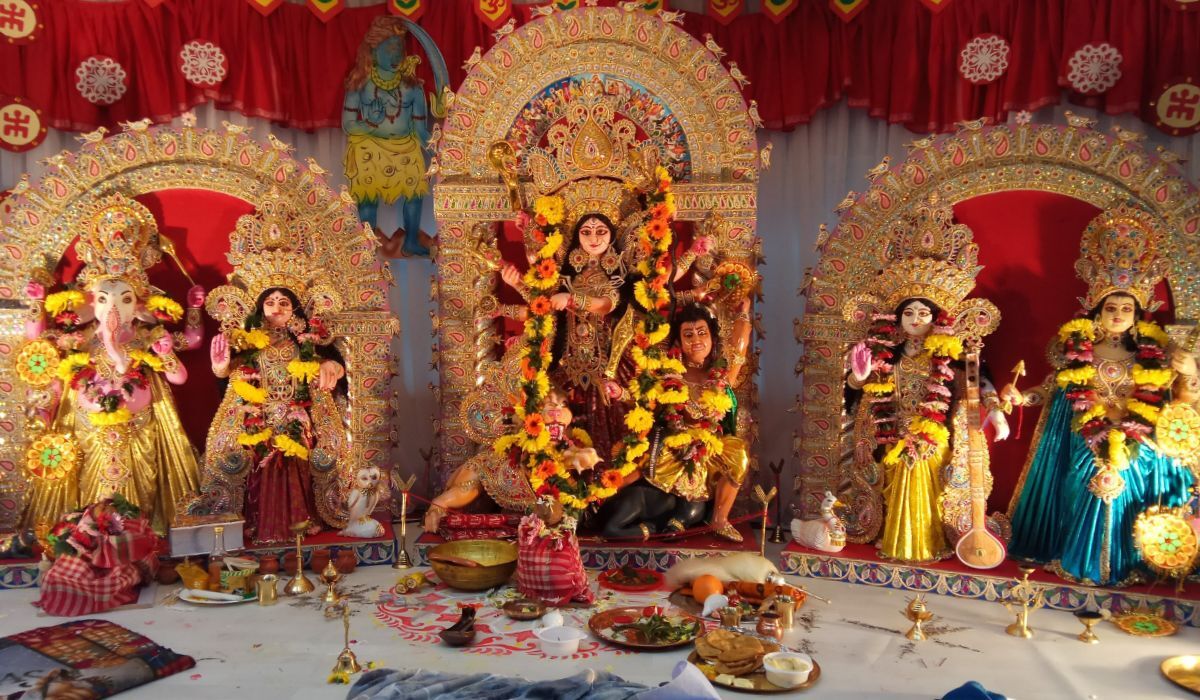
The commencement of this festival takes place spiritually on Mahalaya with Mahishasuramardini radio broadcasts. However, idol worship and active celebrations only run from Maha Shashthi to Vijayadashami.
Unique Bengali Rituals
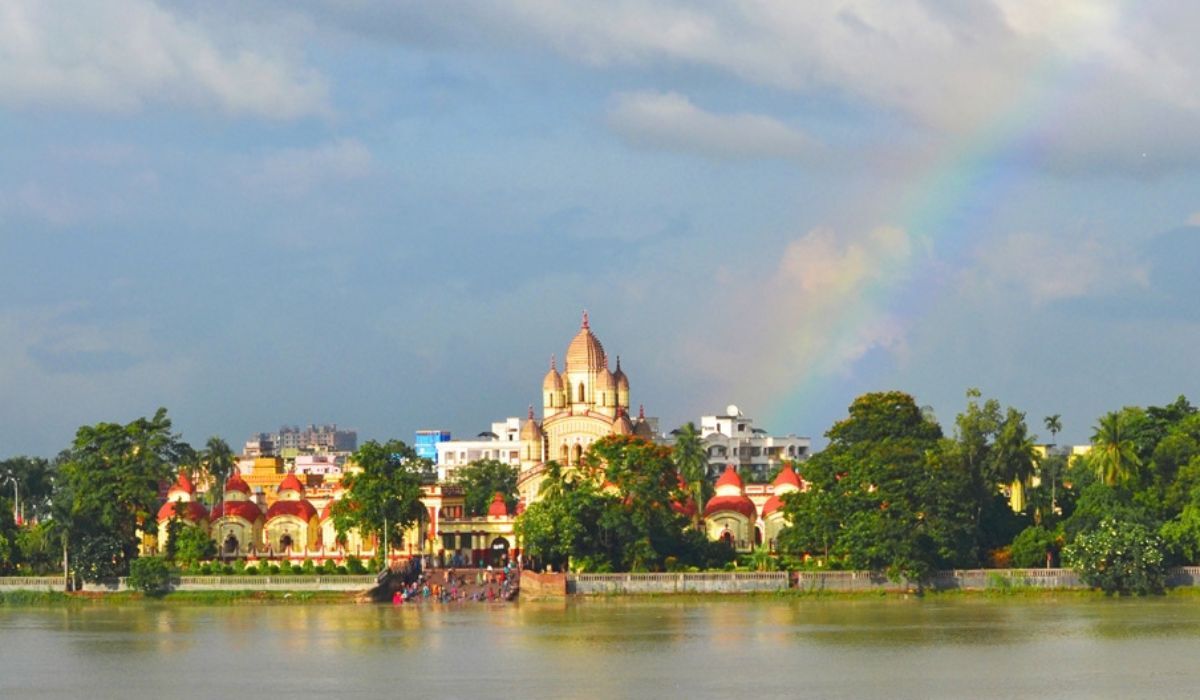
Kola Bou Snan (Nabapatrika): During Durga Puja, a banana plant is draped in red and white and is worshipped as the Banana Bride. One of the most unique traditions of Durga Puja is the bathing of the banana plant bride in the Hooghly River on Saptami morning to represent nature’s divinity.
Sandhi Puja: This high-voltage ritual occurs at the exact junction of Ashtami and Navami and involves as many as 108 lotus flowers and 108 earthen lamps.
Dhunuchi Nritya: Dhunuchi Nritya is an ecstatic dance that is performed during evening Aarti. The dancers hold clay censers that contain burning coconut husks and frankincense.
Culinary Contrast: Fasting Vs. Feasting
Navratri Diet: Satvik And Abstaining
People who observe Navratri observe a strict vegetarian diet. They abstain from any kind of non-vegetarian food, even going as far as avoiding food containing onions and garlic. Most people also maintain a strict sattvic diet and even avoid grains and pulses in addition to the food mentioned previously. Instead, they rely on ingredients such as Sabudana, Kuttu (buckwheat), Samak rice, and rock salt.
Durga Puja Diet: Unapologetic Culinary Festivity
Between Maha Saptami and Navami, the streets of Kolkata turn into an open-air food festival where meat and fish are consumed as sacred treats. Among the classic Bengali delicacies here, a few must-tries include Mutton Kosha, fish fry, egg rolls, Kolkata Biryani, and traditional Bhog that is served at pandals. It contains Khichuri, Labra, and Payesh.
Also Read: Pandal Hopping Guide: Top 5 Durga Puja Celebrations You Can’t Miss In Noida & Greater Noida
Visual And Social Transformations: Garba Grounds vs. Pandal Hopping
Ambiance During Sharad Navratri
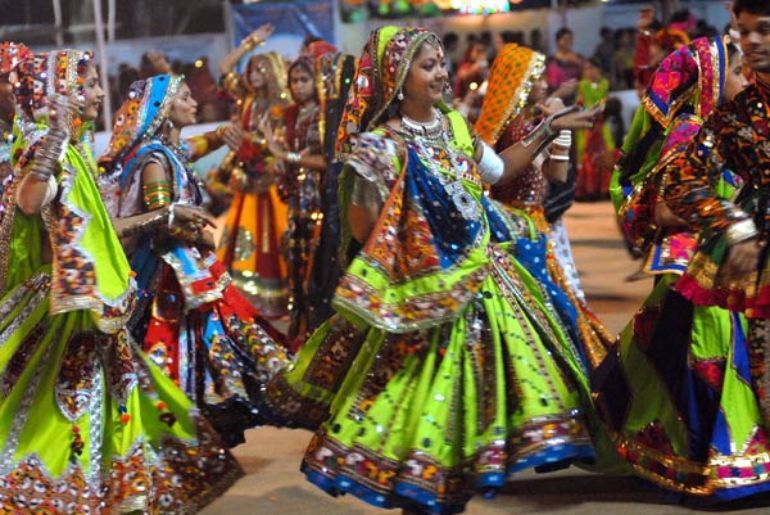
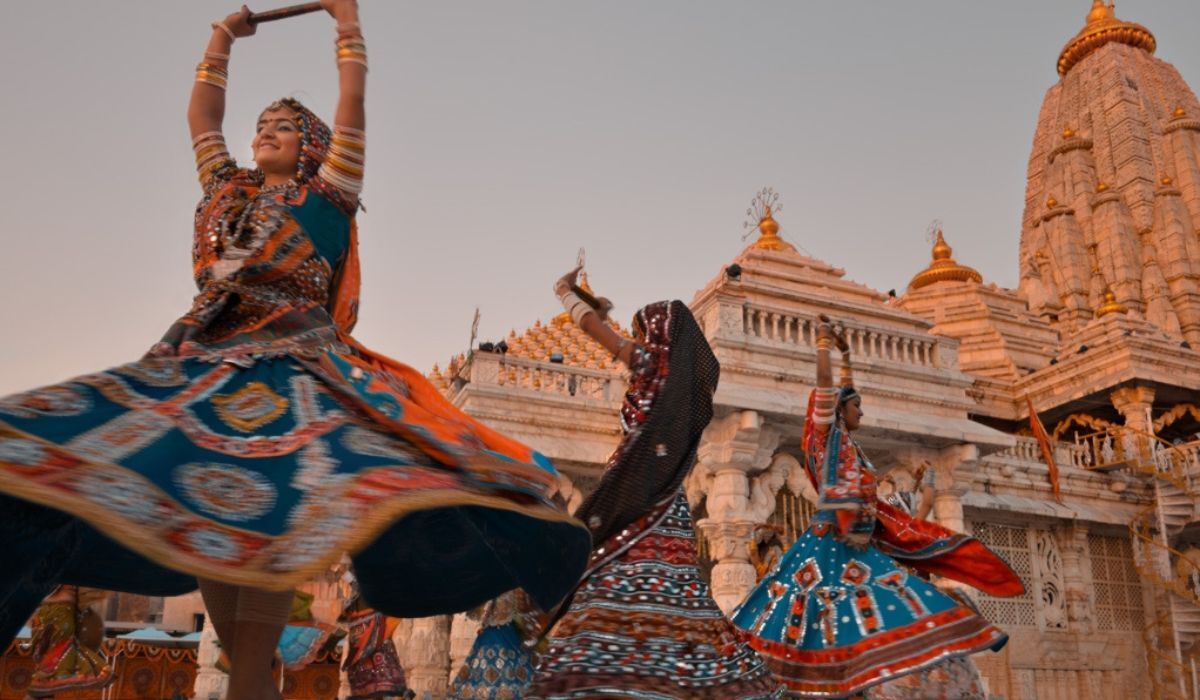
During this festival, one of the biggest rituals that dictates the mood of the region is the community-oriented Garba events. The Dandiya Raas circles organized in Gujarat and Northern and Western India are the showstopping events of Navratri. People don colorful traditional attire called Chaniya Choli and Kediyu.
Atmosphere During Durga Puja
For Durga Puja, on the other hand, the main event is the pandal hopping that takes place at night. Many devotees undertake these all-night citywide walking safaris that weave through UNESCO-recognized temporary architectural marvels and art installations.
The Grand Finale: Dussehra vs. Vijayadashami
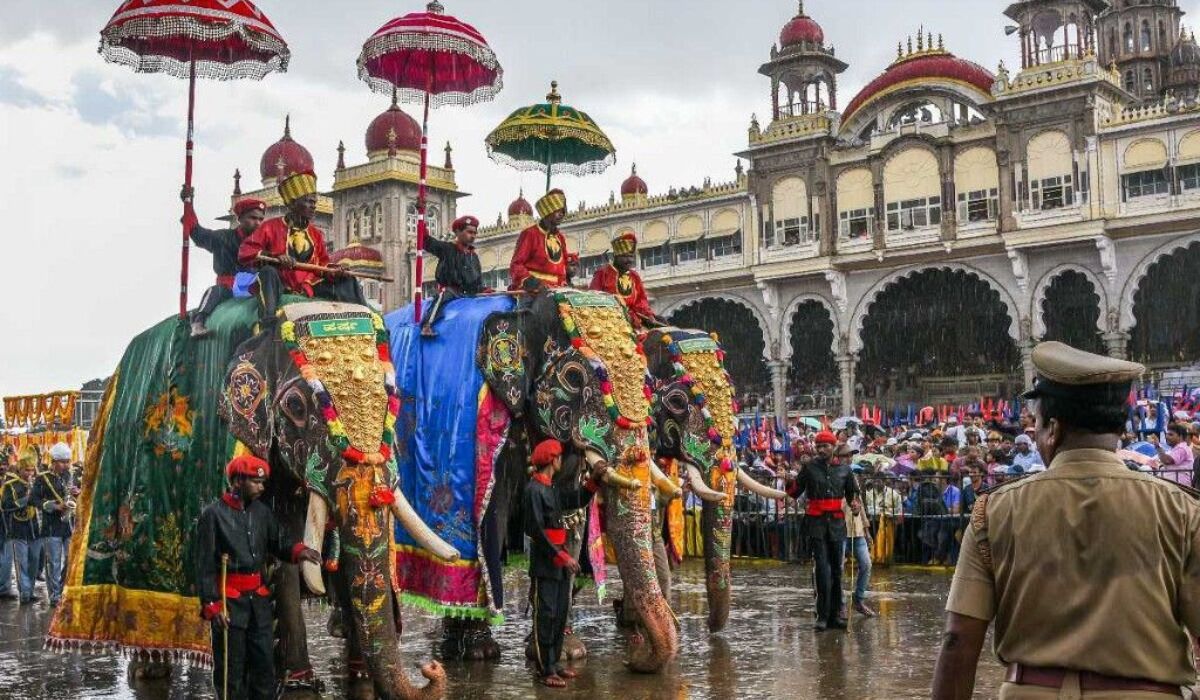
Dussehra After Navratri
During Dussehra, effigies of Ravana, Kumbhakarana, and Meghnada are burnt every year. This symbolizes the victory of good over evil.
Vijayadashami After Durga Puja
For Vijayadashami, Sindoor Khela and Bisarjan, or Bijoya.
Sindoor Khela: During this ceremony, many married Bengali women dress in traditional red-and-white sarees (Lal Paar Saree) and apply sindoor to the Goddess and each other.
Bijoya And Bisarjan: The pandal idols are given an emotional farewell, and Maa Durga idols are immersed in water. After this ceremony, people visit their elders to seek blessings and share sweets like Naru and Sondesh.
Also Read: Where Is Falguni Pathak Performing For Navratri 2026 In Mumbai? Tickets, Venue & More
Summing Up
While the two festivals are quite distinct in their philosophy, what unites them is devotion, community, and an unparalleled reverence for goddesses. Both Durga Puja as well as Sharad Navratri hold immense significance for devotees, and no matter which festival you celebrate, the period of nine nights is bound to be some of the most spiritually fulfilling ones for you.