

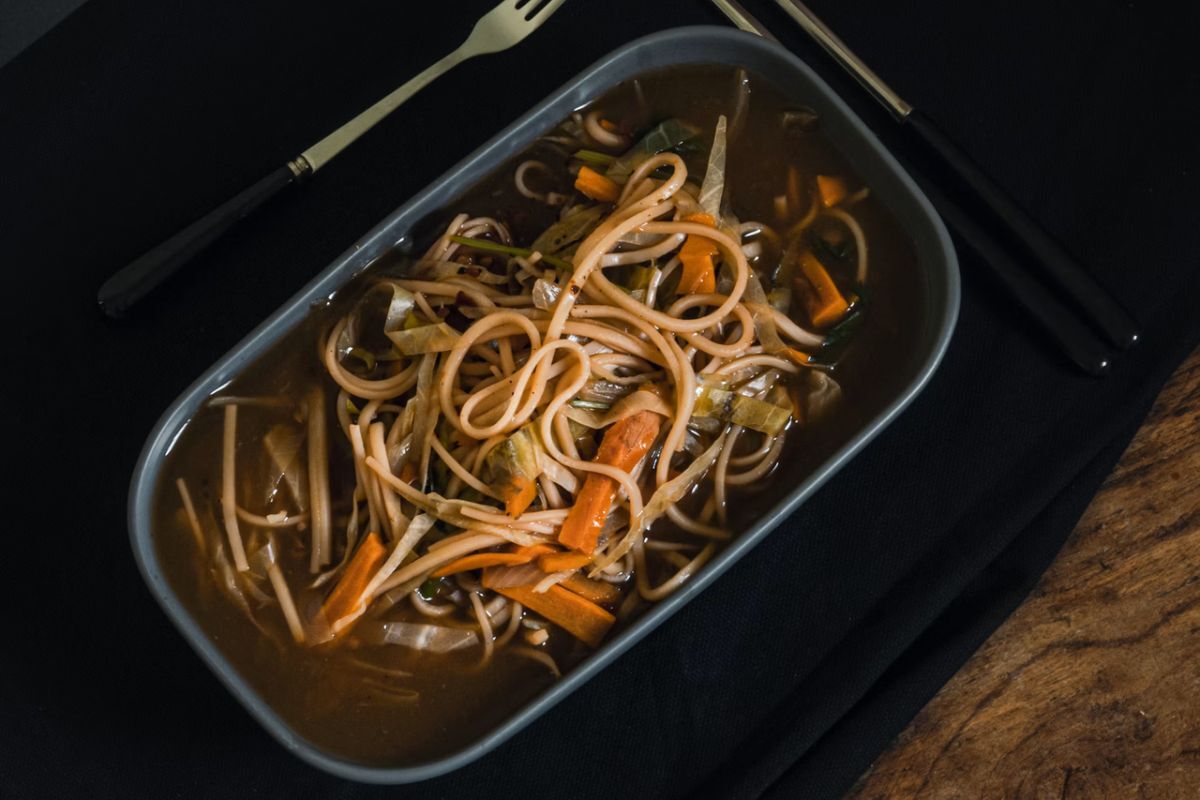
Vegetarian Ramen In Tokyo: Earlier, Tokyo’s noodle scene for vegans or vegetarians used to be a huge task. Traditional Japanese ramen relies heavily on dashi, which is made from dried skipjack tuna, chicken carcasses, and simmered pork bones. Because these animal-based bases are often hidden in vegetable bowls as well, ordering without proper research might lead to a blunder. However, Tokyo has now undergone a plant-based revolution and boasts dedicated vegetarian and vegan ramen shops. Understanding the broths, toppings, and more can help you order an authentic bowl of vegetarian ramen in Tokyo, so here’s a guide for you!
About Vegetarian Ramen In Tokyo
The first thing you need to know about Yasai Ramen or Vegetable Ramen in any standard shop is that it’s rarely vegetarian. In traditional Japanese ramen shops, naming a dish after the topping describes what sits on top of the noodles and not what goes inside the broth. So a Yasai Ramen typically features a mountain of stir-fried cabbage, carrots, and bean sprouts, which are served over a chicken or heavy pork-bone broth.
Also Read: Tokyo Mega Illumi 2026 Is Back For Its Final Season: Dates & More Inside
Hidden non-vegetarian ingredients you must know that are hidden in a vegetarian bowl:
Katsuobushi: Also known as Skipjack Tuna Flakes, is the foundation of standard dashi stock. Even salt (shio) broths and soy sauce (shoyu) broths also frequently use fish dashi.
Chashu Fat & Lard: Also known as Chiyu or Setton, it’s added as an aroma oil (chiyu or mayo) or emulsifier and can be seen floating on top of the soup.
Niboshi: Also known as dried Sardines or Anchovies, Niboshi is used to add deep umami to the broth.
Egg Powder or Egg Whites in Noodles: The basic ramen noodles consist of water, wheat flour, and kansui, or alkaline mineral water, but some shops use egg white powder. This gives extra chewiness and strength to the noodles.
Understanding Plant-Based Broths
To achieve the depth, mouthfeel, and aroma that traditional broths get from collagen and bones, vegetarian ramen chefs rely on umami-rich ingredients. Let’s understand these plant-based broths so you can order better.
Soy Milk (Tonyo Ramen): It has a very rich, creamy, and velvety texture. Basically, it is an unsweetened soy milk emulsion combined with vegetarian stock.
Kombu & Shiitake Dashi: This broth has a clean, savory, and balanced umami flavor. It includes rehydrated donko shiitake mushrooms and dried kelp or kombu.
Miso & Sesame (Tantamen): This broth is rich, creamy, spicy, and nutty. It includes roasted sesame paste, fermented soybean paste, and chili oil.
Roasted Vegetable Puree: This broth is completely Western-influenced, thick and heavy. It includes garlic, cauliflower, cabbage, pureed roasted onions, and squash.
Also Read: Vegetarian Food In Japan: A Complete Guide For Indian Travelers
Toppings & Ingredients
Any bowl of ramen depends heavily on the toppings to add visual appeal and textural contrast. So when you are ordering or customizing your bowl, make sure that you know the following:
1. Soy Meat (Soimeeto)
It is a textured vegetable protein that is formulated into crumbles for Tantanmen or braised slices for topping.
2. Agedashi Tofu and Tofu Chashu
This is seared or pressed tofu that is seasoned with mirin, soy sauce, and smoke.
3. Menma (Bamboo Shoots)
This is actually lacto-fermented bamboo shoots that are cooked in sesame oil and soy sauce, which adds a crisp crunch.
4. Kikurage (Wood Ear Mushrooms)
Kikurage is basically thinly shredded black mushrooms that provide a distinct rubbery snap.
5. Negi & White Scallion Shreds
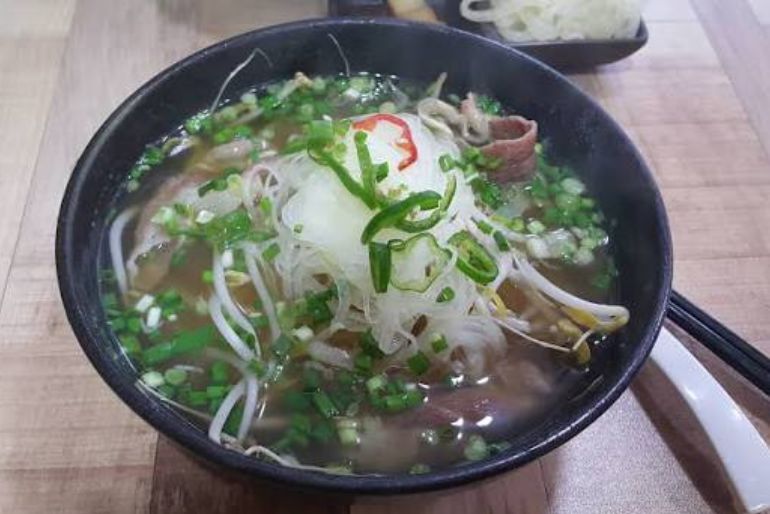
These are finely shredded Japanese green onions, which are perfect for spot-milk or rich sesame broths.
Also Read: Enjoy A Comforting Bowl Of Ramen During Monsoon At These Spots In Mumbai!
Step-By-Step Guide To Order
A Tokyo ramen shop can involve automated vending machines (shokukenki) or direct counter ordering.
Using The Ticket Vending Machine (Shokukenki)
Insert Cash or tap your Suica or Pasmo card, or insert Yen notes or coins
Remember that shops with plant-based choices usually mark buttons with Green or leaf symbols to show that this is Vegetarian or Vegan.
Shop accordingly, press the button, collect the coupon, and give it to the chef over the counter.
Japanese Phrases For Vegetarians
If you wish to order directly or wish to confirm the ingredients, use the following key phrases.
Kore wa bejitarian yoo desu ka: Is this vegetarian?
Niku ya sakana no dashi wa haitte imasu ka? Does this contain fish or meat dashi?
Tamago nuki de onegaishimasu: Please make it without eggs.
Watashi wa niku to sekai/sakana wo taberaremasen. I cannot eat seafood or meat.
Also Read: Best Ramen Places In Delhi You Must Try This Monsoon
Note: This article was compiled after verifying current publicly available information.
Summing Up
Ordering a vegetarian or vegan ramen may look like a tedious task if you do not understand the broths and toppings. But we at unstumbled are here to make your life easier. So we have mentioned all the important things that you must know about ramen toppings and broth. Make sure you save this article and go through it before flying to Tokyo and enjoy an authentic vegetarian or vegan ramen.