

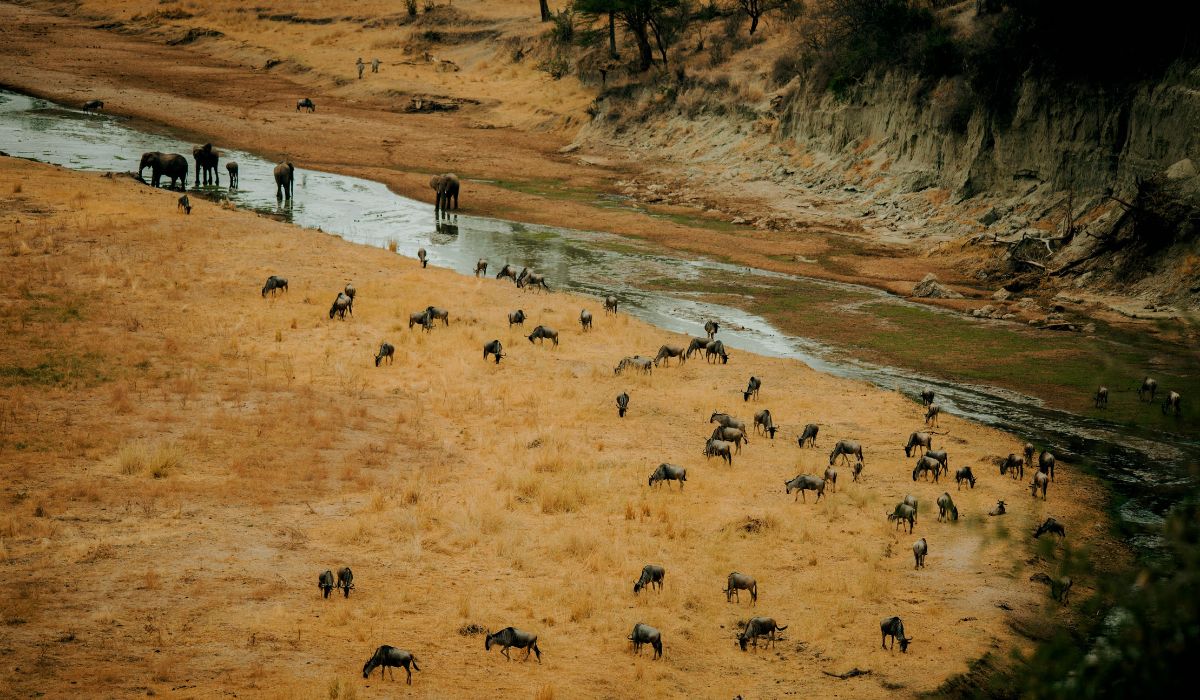
Travel Tips For Exploring Wildlife Sanctuaries in India
1. Learn About The Sanctuary’s Ecosystem

Firstly, to make sure that you have a fruitful trip, it’s better if you understand the biodiversity of the sanctuaries that will enrich your experience.
Read about the animals, plants, and conservation efforts specific to the one you’re visiting. Many of these have visitor centers where you can learn about the habitat and its species.
Another way you can learn about the ecosystem is by questioning the guides and naturalists here. They are a treasure trove of knowledge – don’t hesitate to ask them about interesting facts.
2. Choose The Right Sanctuary For Your Interests
Another travel tip when you visit a wildlife sanctuary in India is to choose the one that’s fit for you. There are over 500 wildlife sanctuaries and 100 national parks in our country, each with its unique charm.
Research the biodiversity and landscapes of each destination to pick one that piques your interest.
While all wildlife sanctuaries house a variety of animals and plants, what exactly makes the right choice for you?
For instance, if you want to see some tigers, Ranthambore in Rajasthan, Bandhavgarh in Madhya Pradesh, and Jim Corbett in Uttarakhand are your best bets.
To spot some rare birds, Chilika Lake in Odisha is great.
But if you want to explore the ecosystems, the mangroves of the Sundarbans in West Bengal and the Little Rann of Kutch in Gujarat for desert wildlife are some of the best options.
3. Visit During The Right Season
Timing is everything when it comes to wildlife sightings. Most sanctuaries are open from October to June because winters are when you can spot animals roaming free due to the temperature drop.
While you can spot the endangered species in the jungle itself during the colder months, water bodies are best if you want to spot them during summer.
The months between March and June are ideal for spotting all big cats, while the period between October and February is perfect for birdwatching.
You can spot rare varieties as migratory species arrive in India during that time. Avoid planning to visit during the monsoon season, between July and September, when sanctuaries are closed for breeding and conservation purposes.
4. Plan Your Safari In Advance
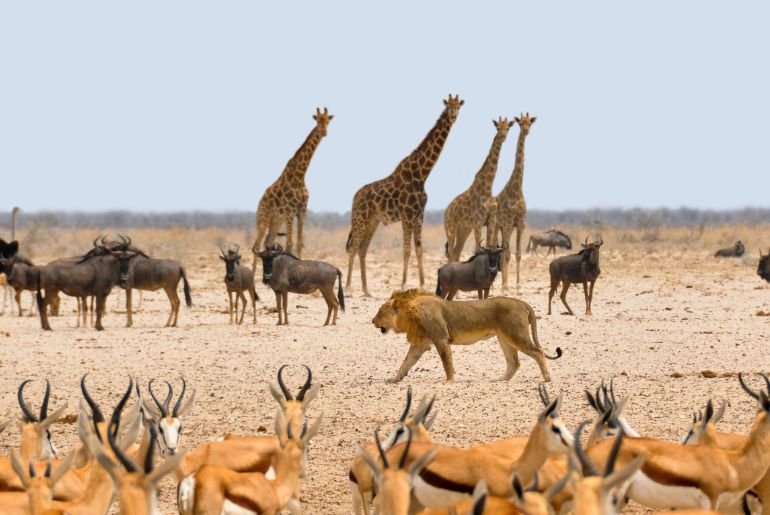
One of the things that makes a visit to the wildlife sanctuary worth it is driving through the jungle in a jeep.
Safari bookings often sell out months in advance, especially during peak seasons. Ensure that you’re one of those reserving much earlier and not on the spot!
Many sanctuaries offer online booking for entry permits and safari vehicles. Regularly check the official websites and booking portals for such updates.
Certain ones like Ranthambore and Bandhavgarh are divided into zones, each offering different sightings. Look them up beforehand to select the most promising one.
Choose a knowledgeable guide – they can enhance your experience by helping you spot animals and sharing interesting facts about the flora and fauna.
Also Read: Best Time To Visit Wildlife Sanctuaries In India: A Seasonal Guide
5. Understand And Respect Local Cultures
Many sanctuaries are located near villages and tribal communities with rich traditions and a harmonious relationship with nature.
Interact with them and learn about their customs and beliefs, but remember to respect their privacy. Show your appreciation by supporting the local businesses and helping them thrive. Buy their handicrafts, hire guides, or stay in eco-friendly lodges managed by the community.
6. Pack Only The Necessary Essentials
Packing the right gear can make or break your wildlife adventure. Earth-toned outfits (khaki, green, or brown) help you blend into the surroundings. Avoid bright colors that might scare the animals. Essential for observing wildlife from a distance. Bring a telephoto lens if you’re into wildlife photography.
Lightweight trekking or walking shoes are a must. Protect yourself from the sun during open jeep safaris. Stay hydrated while minimizing plastic waste. This is a must, especially in tropical forests, if you don’t want to return from your safari with bites and stings all over.
7. Respect The Wildlife and Environment
The beauty of sanctuaries lies in their untouched nature. Carry a small bag for your trash and dispose of it responsibly. Speak in whispers and keep your phone on silent mode to avoid disturbing the animals. Venturing off-track can harm the ecosystem and put you in danger, so it’s best to stick to the route. Feeding wildlife disrupts their natural behavior and can be harmful to them. They know the sanctuary best and will ensure your safety and the well-being of the animals as well.
8. Practice Ethical Wildlife Photography
Photographing wildlife is a rewarding experience, but it’s important to do so responsibly. Flash photography can startle animals, causing stress or aggression. DO NOT DO THAT! Use a zoom lens instead of getting too close to animals. Early mornings and late afternoons offer the best lighting and increased wildlife activity. Try to capture animals in their natural habitat for storytelling shots.
Also Read: Where Can You Go On A Wildlife Safari From October 1? National Parks Reopening After The Monsoon
Summing Up
Visiting a wildlife sanctuary in India is more than just a vacation – it’s an opportunity to connect with nature, witness rare species in their natural habitat, and play a part in preserving them. By following these travel tips while exploring wildlife sanctuaries in India, you can ensure a safe, respectful, and fulfilling journey while leaving the pristine wilderness just as you found it!