
Sawan Shivratri is the Masik Shivratri or monthly Shivratri that is observed in the month of Shravan or Sawan. It is said to be one of the most important days observed in this holy month. According to scriptures, it is believed to be one of the most awaited nights in this holy month for all the devotees of Lord Shiva across India. This day is said to hold concentrated devotional energy of the entire month, which is why it is so important. So from dates to significance, here’s everything you must know about Sawan Shivratri 2026.
What Is Sawan Shivratri?
Sawan Shivratri is the Masik Shivratri that falls in the month of Shravan. According to the Hindi calendar, every lunar month has a Shivratri that falls on the 14th day or Chaturdashi of the waning fortnight. But when this lunar month Shivratri falls in Shravan, it is considered to be the most auspicious of them all. This is because the entire Shravan month is dedicated to Lord Shiva.
As per Hindu scriptures, Shravan is linked to the churning of the cosmic ocean or Samudra Manthan. During this churning, many divine blessings and things came out of the ocean, but it also included a pot full of poison. To save the world from it, Lord Shiva drank the poison and stored it in his throat, giving him the name Neelkanth. Hence, during this month, all the devotees offer water and milk to Lord Shiva as a token of gratitude.
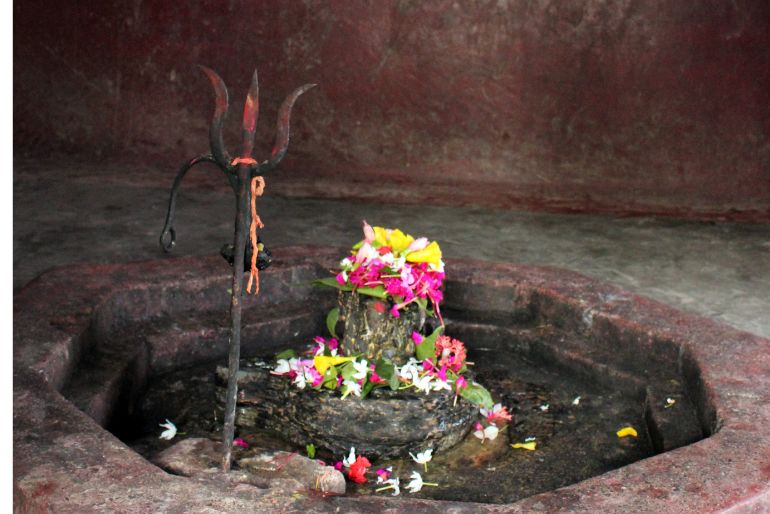
Sawan Shivratri 2026: Date and Muhurat
This year, Sawan Shivratri will be observed on Tuesday, August 11, 2026. This will be observed only in North India, where they follow the Purnimata calendar. This calendar is followed by the people in North India, and hence their Shravan begins from July 30 and ends on August 28. The people from parts of Maharashtra, Gujarat, and South India follow the Amanta calendar; hence, their Shravan begins a bit later than the Purnimata calendar.
The Chaturdashi tithi begins at 04:54 AM on August 11, 2026 and ends 12th August, 2026 at 01:54 AM. Hence, the Sawan Shivratri pooja is conducted on August 11, 2026. The most sacred time to perform the Shivratri pooja is known as Nishit Kaal. This year, the Nishit Kaal muhurat will be from 11:59 AM on 11 August to 12:43 AM on 12 August.
Also Read: Sawan Month 2026: Fasting Rules, Puja Vidhi & Benefits
There are many devotees who perform four prahar puja on this day. The very first prahar begins in the evening, and the last prahar is early morning on the next day.
First Prahar: August 11, 7:04 PM to 9:45 PM
Second Prahar: August 12, 9:45 PM to 12:26 AM
Third Prahar: August 12, 12:26 AM to 3:07 AM
Fourth Prahar: August 12, 3:07 AM to 5:49 AM
While performing any puja on this day, you must also check the Bhadra kaal or inauspicious period. The Bhadra period will be from 10:22 PM to 11:34 AM on August 10. This simply means that the Sawan Shivratri puja will not be affected by Bhadra.
Also Read: The Ultimate Guide To India’s Twelve Jyotirlingas: Location And Legends
What Is The Significance Of Sawan Shivratri?
The Sawan Shivratri is considered special because it brings together two auspicious timings. One is the holy month of Shravan, and the other is the union of Parvati and Shiva known as Shivratri. This overlap is said to be a very important opportunity for devotees to seek Lord Shiva’s choicest blessings.
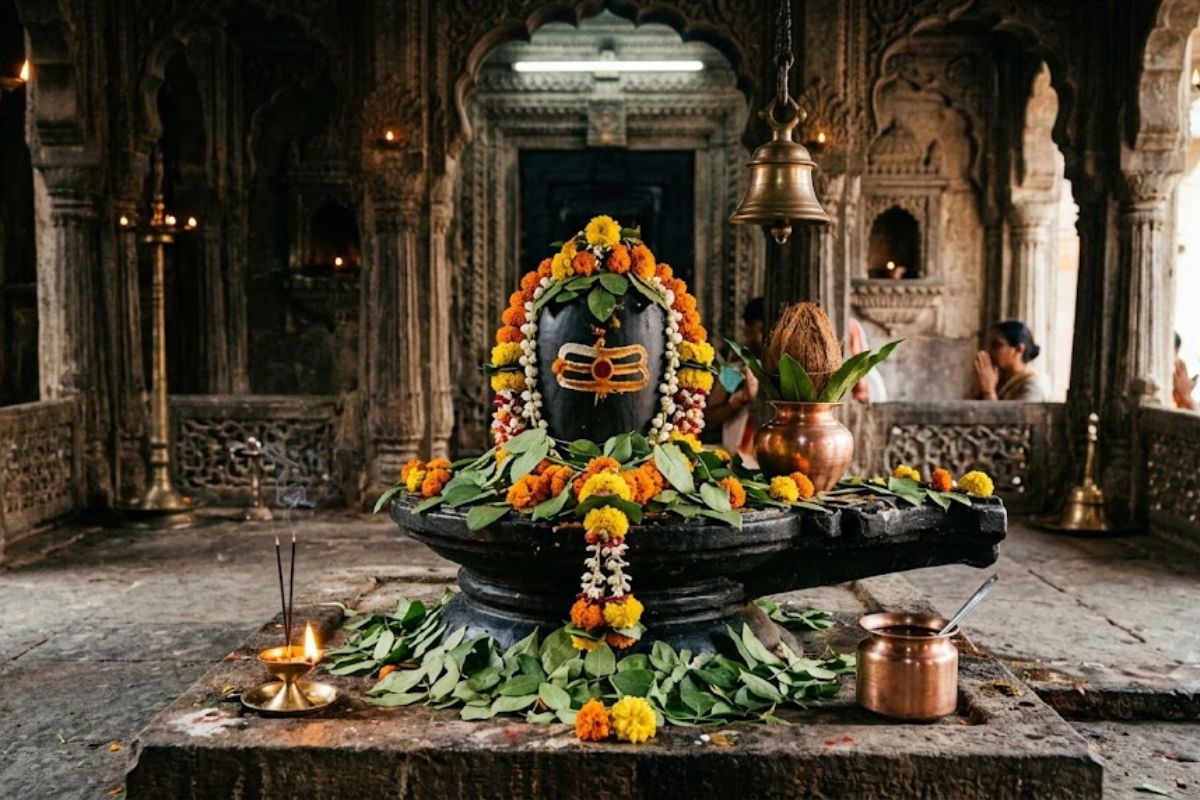
Lord Shiva is worshipped for the entire month of Shravan with Rudrabhishek chanting and Jalabhisheka or water offering. The devotees stay awake for the entire night, which is known as Jagran, and chant the name of Lord Shiva. It commemorates the day when Goddess Parvati performed intense prayers to marry Lord Shiva.
It is believed that this overlap aligns human consciousness with the supreme cosmic energy of Lord Shiva. Sincere prayers and jagran tend to bless devotees with prosperity, peace, and fortune.
Also Read: What’s On Your Shravan Upwas Plate? A State-by-State Guide

Sawan Shivratri Fasting Rules
The Sawan Shivratri fast is generally a nirjala (no water) or phalashaar (only fruits) fast. But make sure you observe the fast based on your capacity and health restrictions. The rules are very similar to those of Shravan Somwar fast.
Phalahar fast: Devotees observe Phalahar fast where they eat only fruits, water, and milk.
Nirjala fast: Devotees observing Nirjala fast do not even drink water till Parna. Make sure you attempt this only if your health allows.
Sattvic Fast: Devotees who cannot keep such a committed, strict fast can keep the sattvic fast. They can consume fruits, milk, and permitted vrat foods like kuttu, singhara, sabudana, and avoid grains, onion, and garlic.
Summing Up
Sawan Shivratri 2026 will be observed on August 11. It is considered one of the most important days during the month of Sawan, especially in North India. Devotees visit Shiva temples, chant mantras, and observe fast to please Lord Shiva and get his choicest blessings.