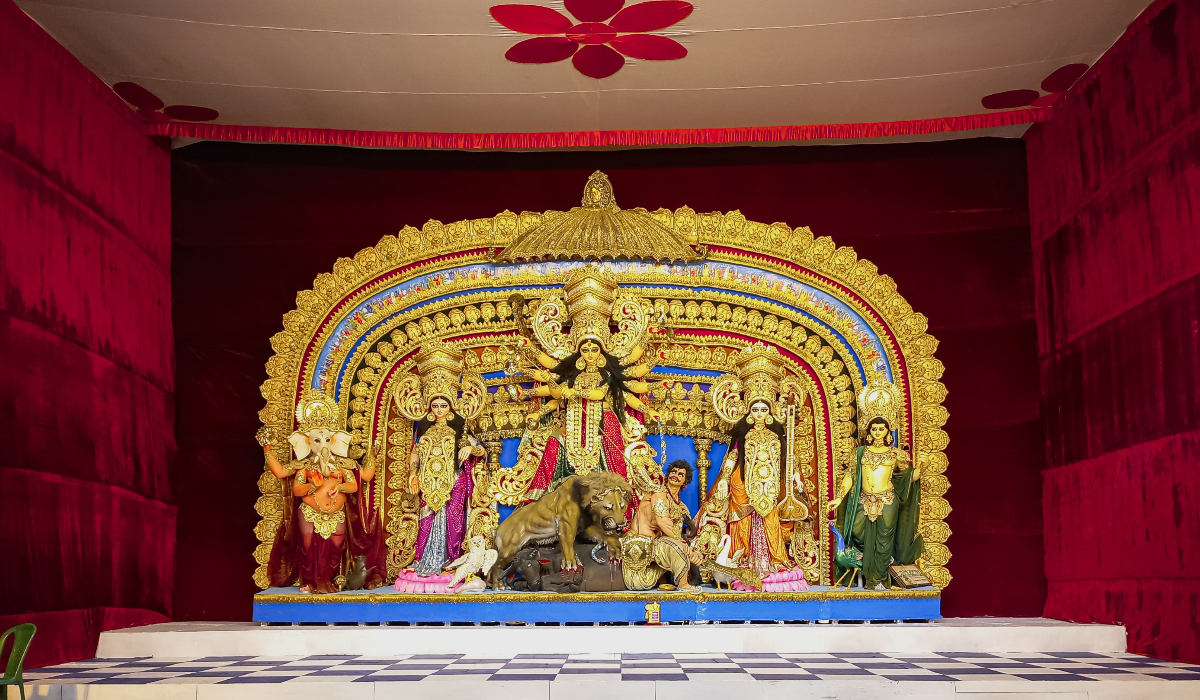

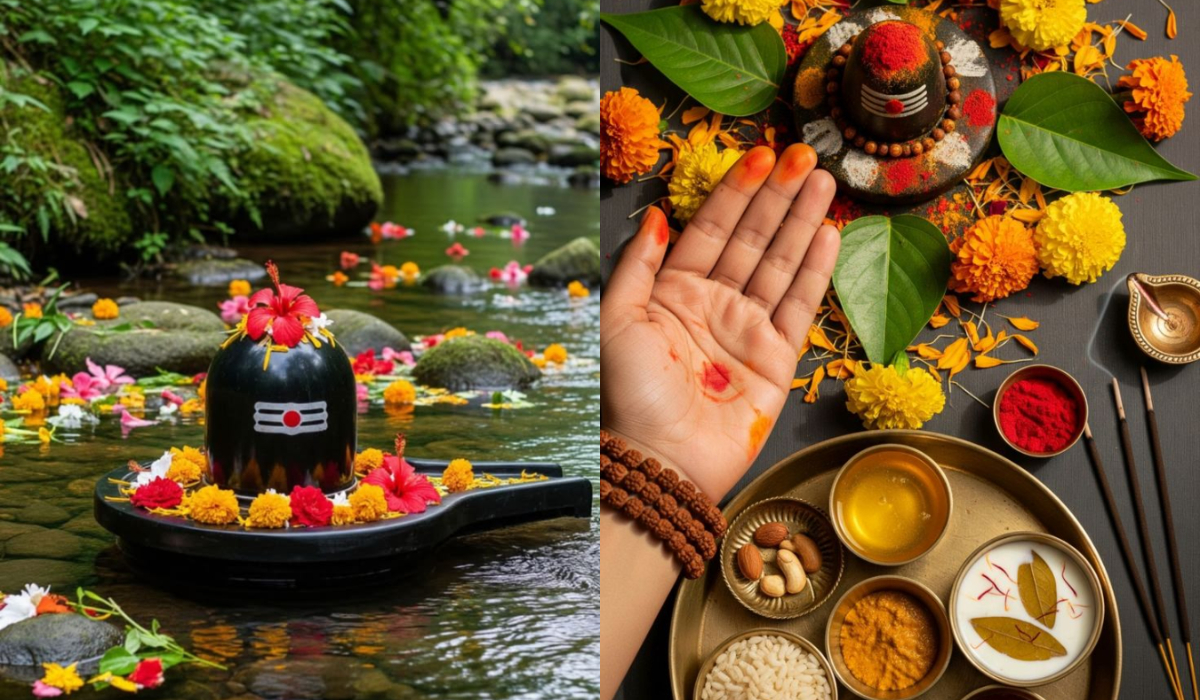
As the monsoon rains arrive across India, the holy month of Sawan, also known as Shravan, brings with it a time of devotion, prayer, and spiritual reflection for millions of Lord Shiva devotees. Throughout this sacred month, temples witness long queues of worshippers offering water, milk, Bel Patra, and heartfelt prayers to Mahadev. Mondays, known as Sawan Somwars, hold special importance, with many devotees observing fasts and performing Shiva Abhishek to seek blessings for peace, prosperity, and spiritual well-being.
If you’re planning to observe Sawan 2026, this guide covers everything you need to know, including the Sawan Somwar dates, fasting rules, puja vidhi, auspicious timings, and the significance of this sacred month.
What Is Sawan Month?
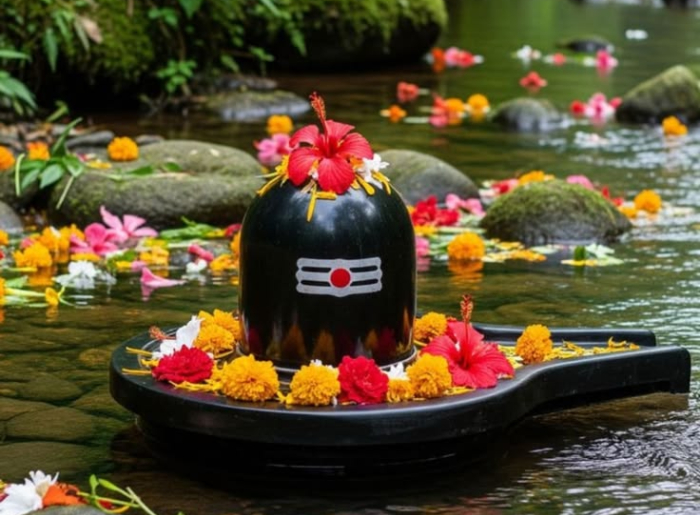
Sawan, or Shravan, is one of the most sacred months in the Hindu calendar and is dedicated to Lord Shiva. Falling during the monsoon season, this period is considered especially auspicious for prayer, fasting, meditation, and acts of devotion. Devotees visit Shiva temples, perform Abhishek on the Shivling, chant prayers, and observe Sawan Somwar Vrats as an expression of faith and gratitude.
The exact dates of Sawan vary across India because different regions follow different Hindu calendar systems. As a result, the beginning and end of the month may differ slightly depending on local Panchang traditions. Despite these regional variations, the spiritual significance of Sawan remains the same, with devotees coming together to honor Lord Shiva through worship, discipline, and prayer.
Also Read: Rath Yatra In Puri Vs Rath Yatra In Digha – See The Difference (2026 Updates)
Sawan Month 2026 Dates
The important Sawan Somwar dates for 2026 are:
- First Sawan Somwar: August 3, 2026
- Second Sawan Somwar: August 10, 2026
- Third Sawan Somwar: August 17, 2026
- Fourth Sawan Somwar: August 24, 2026
Why Is Sawan So Important?
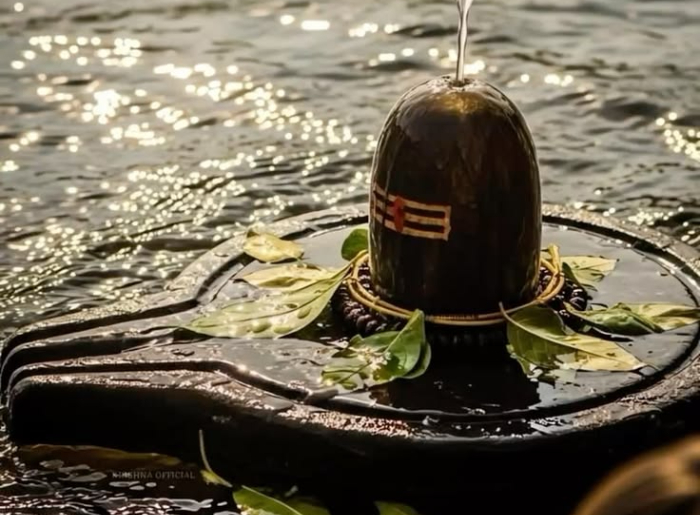
The spiritual significance of Sawan is closely linked to the story of Samudra Manthan, the churning of the cosmic ocean. According to Hindu scriptures, a deadly poison known as Halahala emerged during the churning, threatening the entire universe. To protect creation, Lord Shiva consumed the poison, earning him the name Neelkanth, meaning “the blue-throated one.”
To ease the effects of the poison, the Devas offered sacred water and prayers to Lord Shiva. Since then, devotees have continued the tradition of offering water, milk, Bel Patra, flowers, and prayers during Sawan as a mark of gratitude and devotion. The month is regarded as one of the most auspicious times to worship Mahadev, with many people dedicating extra time to fasting, meditation, temple visits, and acts of kindness. For many families, these traditions are passed down through generations, making Sawan a period of both spiritual and cultural importance.
Also Read: Can Tourists Participate In Puri Rath Yatra? Everything You Need to Know
Sawan Fasting Rules
Many devotees observe Sawan Somwar Vrat throughout the month. While fasting traditions may differ from one family or region to another, some commonly followed practices include:
- Wake up before sunrise and begin the day with a bath.
- Wear clean and modest clothing before performing prayers.
- Eat simple sattvic food while observing the fast.
- Avoid onion, garlic, alcohol, and non-vegetarian food.
- Spend time in prayer, meditation, or reading sacred texts.
- Practice patience, kindness, and positive thinking throughout the day.
- Visit a Shiva temple if possible or perform puja at home.
- Stay devoted through prayer and meditation.
- Follow your family’s or local religious traditions while observing the vrat.
- If you have any medical conditions, consult a healthcare professional before undertaking a fast.
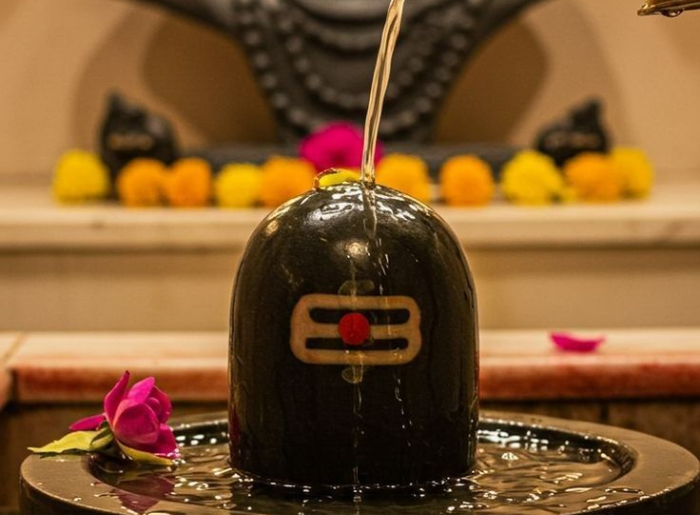
Sawan Puja Vidhi
You can perform Sawan Puja at home or in a Shiva temple by following these simple steps:
- Wake up early and take a bath before sunrise.
- Wear fresh, clean clothes.
- Clean the puja area and prepare the offerings.
- Offer Jal (water) and milk to the Shivling.
- Offer Bel Patra, flowers, fruits, and Dhatura, if available.
- Light a diya and incense sticks.
- Chant prayers with devotion.
- Perform Shiva Aarti.
- Offer fruits or sweets as prasad.
- Conclude the puja with sincere prayers and gratitude to Lord Shiva.
Also Read: Maha Shivaratri 2026: Date, Time, Fasting, Rituals & Wishes
Best Time To Perform Sawan Puja
While devotees may worship Lord Shiva throughout the day, these timings are considered especially auspicious:
- Brahma Muhurta: 4:00 AM to 5:30 AM
- Shiva Abhishek: Sunrise to 11:00 AM
- Pradosh Kaal Puja: 5:30 PM to 7:30 PM
- Evening Worship: After sunset
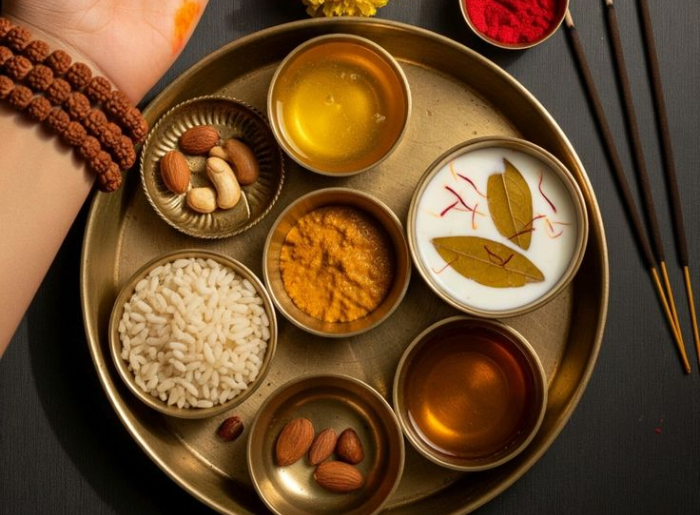
Most Auspicious Offerings To Lord Shiva
The following offerings are commonly made during Sawan worship:
- Jal (water)
- Milk
- Bel Patra
- White flowers
- Dhatura
- Bhasma
- Ghee diya
- Fresh fruits
- Incense sticks and sandalwood paste
Things To Keep In Mind During Sawan
Whether you’re observing Sawan for the first time or continuing a long-standing family tradition, these simple tips can help you make the most of the holy month:
- Follow your family’s religious customs and traditions.
- Visit temples respectfully and dress modestly.
- Keep your puja space clean and organized.
- Be mindful of temple timings, especially on Sawan Mondays.
- Stay hydrated if you’re observing a fruit-based fast.
- Prepare your puja items in advance for a smoother worship experience.
- Maintain patience, kindness, and positive conduct throughout the month.
- Focus on sincere devotion rather than the complexity of rituals.
- Respect regional traditions, as customs and observances may differ across India.
Summing Up
Sawan is a sacred month that encourages devotees to pause from the demands of everyday life and dedicate time to prayer, reflection, and spiritual discipline. Whether you observe Sawan Somwar Vrat, perform Shiva Abhishek, or simply visit a temple to offer your prayers, the month provides an opportunity to strengthen your faith and embrace values like gratitude, compassion, and mindfulness. By following the fasting rules and puja traditions that are meaningful to you and your family, you can observe Sawan 2026 with sincerity and reverence.