Did You Know Desi Chinese Was Born In Kolkata? Explore Tangra, India's Historic Chinatown
Did you know Desi Chinese has deep roots in Kolkata? Explore Tangra's Chinatown, the Chinese community behind its food culture and how Indian-Chinese cuisine evolved.
Tangra Chinatown | Photo Credits: Wikimedia commons
Tell us if your mouth doesn’t start watering the moment you hear the names of dishes like Gobi Manchurian, chilli chicken, and Schezwan fried rice. Well, that is the magic of India’s most loved culinary hybrid, Desi Chinese! And mind you, this Indo-Chinese cuisine is neither a modern fusion experiment nor an imported fast-food trend; it is the result of a 240-year-old migration story with its origin in Kolkata city! Yes, you read that right. Kolkata is the place where our beloved Desi Chinese was born. Want to know the story? Keep reading!
Desi Chinese Origin
Chinese Community In Kolkata
The origin of Desi Chinese begins in the late 18th century in Kolkata (then Calcutta). The city back then served as the capital of British India and a port along the Hooghly River. According to historical records, the first documented Chinese arrival was a tea trader named Yong Atchew. He established a sugar mill and brought over Chinese laborers. After his death, many of those laborers moved to central Calcutta and settled around Tiretta Bazaar, also known as Old Chinatown.
Over the 19th and early 20th centuries, some immigrants from southern China arrived here. They were primarily Cantonese carpenters and dockworkers, Shandong Silk traders, Hakka shoemakers and tanners, and Hubei dentists. In India, leather tanning was seen as an impure work, and the Hakka community used this same gap. They built a thriving leather industry in Tangra, or New Chinatown, along with their small family-run kitchens.
Also Read: 6 Must-Do Things In South Sri Lanka That You Shouldn't Miss On Your Trip
Kolkata Chinese Food
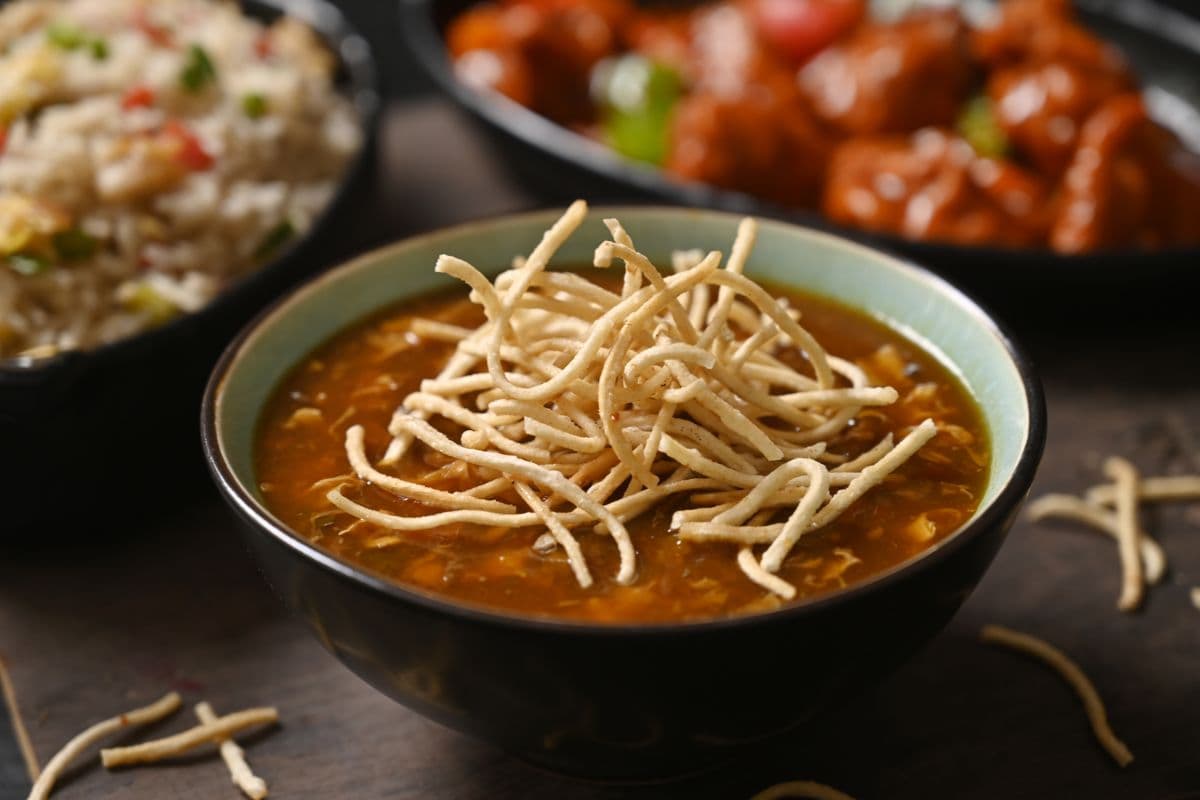
The Chinese immigrants, at first, cooked strictly for their own community only. Hence, they had to rely completely on fermented bean pastes, steamed preparations, and imported soy sauces. Everything slowly changed after Bengali patrons visited the early Cantonese eateries like Nanking and Eau Chew out of affordability and curiosity.
In order to win over the Indian palate, which is accustomed to the local bold masalas, the Chinese chefs improvised their dishes.
Ingredients like rare Chinese aromatics like Shaoxing wine and Sichuan peppercorns were substituted with Indian ginger, garlic, spring onions, green chillies, coriander stems, and white pepper.
Delicately steamed dishes were wok-tossed over a high flame (technique known as wok hei). They were coated in synthetic vinegar, dark soy sauce, cornstarch slurries, and tomato ketchup, creating thick, glossy gravies that are meant to be paired with rice or noodles.
As Hakka families in Tangra began converting their tanneries into casual dining rooms, the cuisine slowly began to shed its formal restaurant format and became a street favorite, turning into a comfort food for all at affordable rates.
Also Read: Guru Nanak Jayanti 2026: Can Tourists Visit Amritsar Golden Temple At Night?
Tangra Chinatown History
In order to taste the true Desi Chinese flavors, food lovers explore two distinct neighborhoods in the city. One is Tiretta Bazaar, and the other is Tangra.
Tiretta Bazaar
Every morning between 6:00 AM and 8:30 AM, along the Chattawala Gully and Sun Yat-Sen Street, you will find descendants of Kolkata’s original Chinese families with their makeshift tables. Here you can buy fishballi soup, steamed pork buns, prawn wafers, sticky rice dumplings, and stuffed sui mai. This is one of the few places that serve traditional Hakka and Cantonese breakfast.
Tangra
Tangra, locally known as New Chinatown, is the place where Desi Chinese became a national obsession. Kolkata’s Tangra Chinese tastes very different from the Indo-Chinese that is served in Bengaluru, Delhi, and Mumbai.
This place houses not only family-run restaurants but also artisanal sauce factories that brew small-batch chili vinegar, dark soy sauce, and other pungent sauces right here. Unlike Mumbai- or Bengaluru-style desi Chinese, which relies a lot on red chili paste and food coloring, Tangra cooking relies on crushed garlic, white pepper, ginger, fresh slit green chillies, and dark soy.
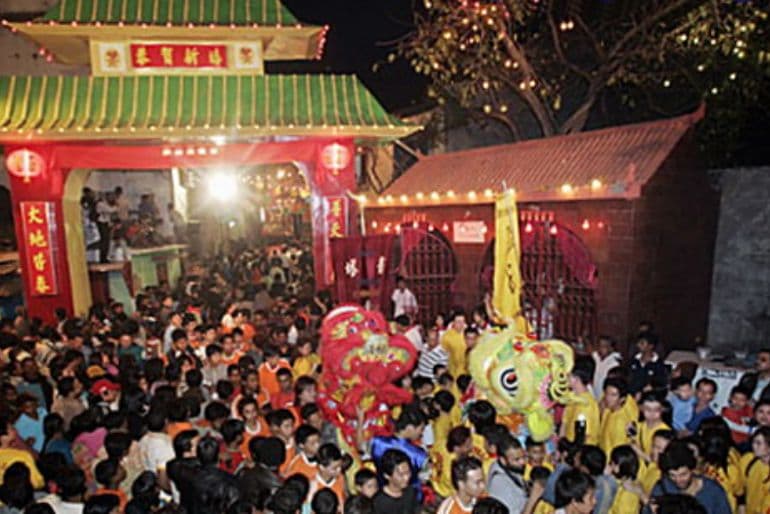
Tangra Chinatown in Kolkata | Photo Credits: Wikimedia commons
Also Read: Dubai Vs Abu Dhabi: Which Is Better For A 4-Day Family Holiday?
The kitchens here are famous for ferocious gas burners that impart a smoky char to noodles and dry starters without dipping them into heavy cornstarch gravy.
If you sit down at a classic Tangra table, you must try Dry Chilli Chicken, Cantonese Chow or Gravy Noodles, Golden Fried Prawns, Chilli Garlic Pepper Fish, Crispy Chilly Baby Corn & Honey Chilli.
Over the last two decades, the Kolkata ethnic Chinese population has been largely shrinking. This is because the younger generation has migrated to Canada, Australia, the US, or Europe. The culinary blueprint created by Chinese chefs today has taken a life of its own.
Also Read: Pushkar Mela 2026: 10 Experiences You Should Not Miss At The Annual Fair
Summing Up
You will find many Chinese restaurants operating everywhere from Mumbai, Bengaluru to London, Singapore and so on with “Tangra-style” written on their menu. But if you wish to relish the authentic taste of desi Chinese cuisine, you will have to visit Kolkata and explore its New and old Chinatown for sure.
Frequently asked questions
Where was Desi Chinese food invented?
Desi Chinese food was born in Kolkata in the late 18th century.
What are the two Chinatowns in Kolkata?
Kolkata is home to two historic Chinatowns: Tiretta Bazaar (known as Old Chinatown) and Tangra (known as New Chinatown).
Who was the first documented Chinese settler in Kolkata?
A tea trader named Yong Atchew was the first recorded Chinese immigrant to arrive in Kolkata.
- Published:
- Updated:
About the author
Vaishalee Kalvankar
Vaishalee Kalvankar writes about travel and food for unstumbled. With five years of content and event management experience, she has worked at Curly Tales India, Curly Tales Middle East, Tit Bit Foods, Minority, and Seventy Seven Entertainment. She holds a postgraduate degree in media, entertainment, and marketing from KES Shroff College in Mumbai. Apart from writing, she is a traveller at heart who also loves dancing, drawing, and reading. Her expertise in festive travel recommendations and...