

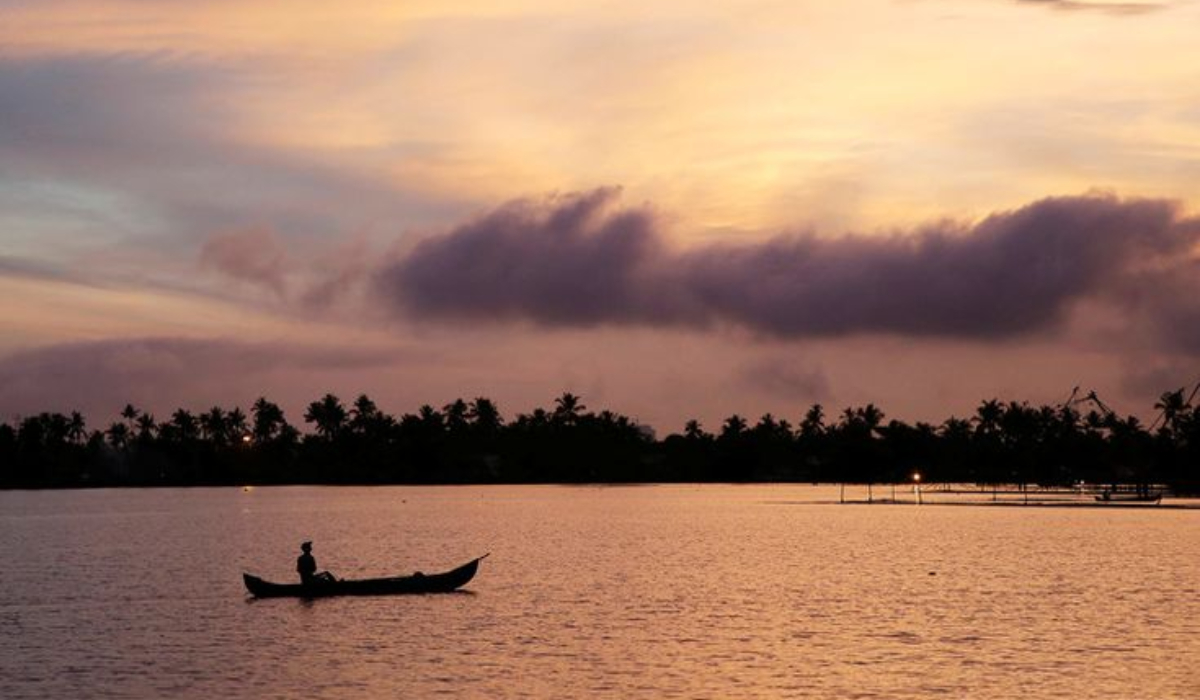
Located in Kerala’s Idukki district within the Western Ghats, Munnar is one of South India’s most popular hill stations and a favorite escape for nature lovers year-round. Munnar experiences its most drastic transformation during the monsoon season as rain clouds move across the mountains, waterfalls return to life, tea estates become even greener, and mist settles over the valleys throughout the day.
While some destinations become difficult to explore during the rainy season, Munnar often feels as if it were made for it. The slower pace, fewer crowds, and constantly changing scenery make monsoon one of the most rewarding times to experience Kerala’s most famous hill station.
Why Does Munnar Feel Different During The Monsoon?
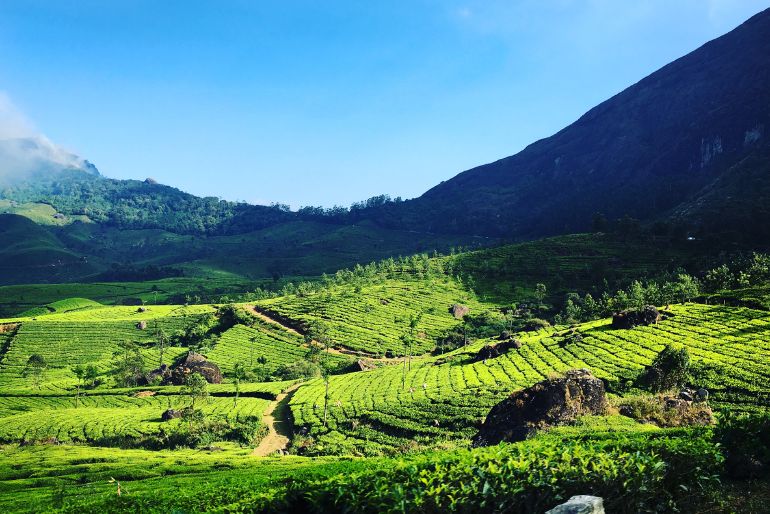
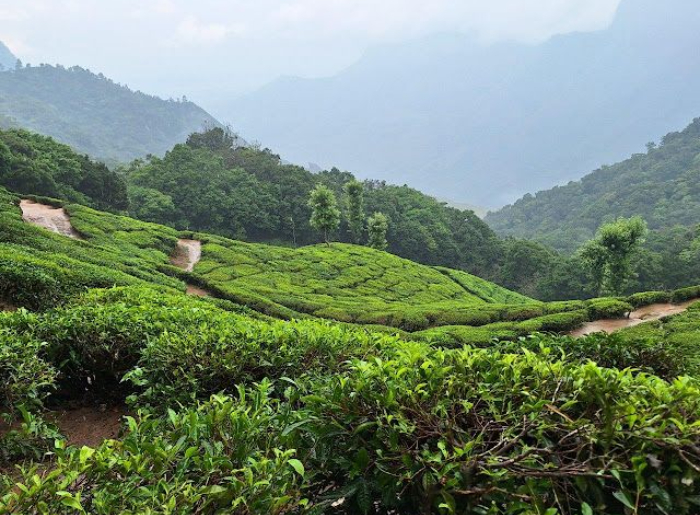
Munnar experiences two monsoon periods, with the Southwest Monsoon between June and August bringing the heaviest rainfall and the Northeast Monsoon extending into October and November. These rains completely transform the landscape, turning the region’s tea gardens, forests, and mountain slopes into vibrant shades of green. The weather itself is a part of the experience. One moment, the hills are visible for miles, and the next, they disappear behind drifting clouds and mist. It creates a constantly changing backdrop that makes even familiar viewpoints seem different throughout the day.
Which Places Should Be Part Of Your Monsoon Itinerary?
Tea Gardens And Tea Museum
No trip to Munnar feels complete without spending time in its famous tea estates. During the monsoon, rain-covered tea bushes stretch across the hills in every direction, creating some of the region’s most recognizable views. Visitors can also stop at the Tea Museum to learn how Munnar became one of India’s most important tea-producing regions.
Mattupetty Dam And Kundala Lake
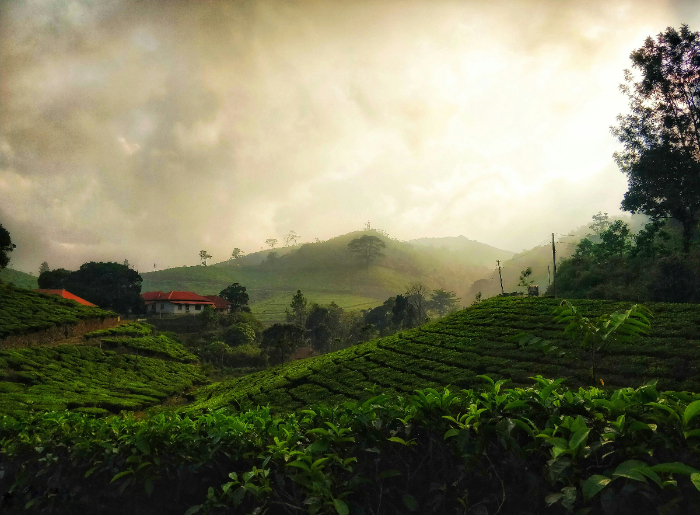
Both attractions become particularly scenic during the rainy season. The surrounding hills are covered in greenery, while drifting mist adds to the atmosphere. Boating at Kundala Lake remains one of the most relaxing ways to spend a monsoon afternoon in Munnar.
Top Station And Echo Point
These viewpoints offer some of the most dramatic landscapes in Munnar. Monsoon clouds frequently move through the valleys below, creating panoramic views that seem to change every few minutes. For photographers, they are among the most rewarding stops in the region.
Attukad And Lakkam Waterfalls
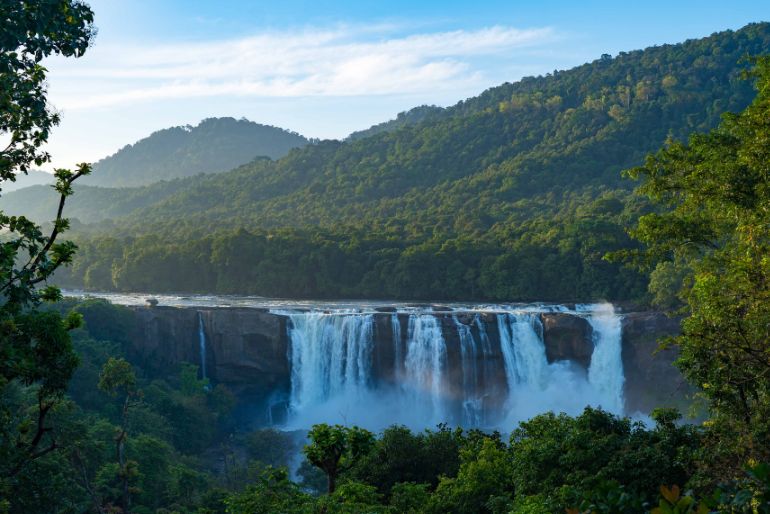
Waterfalls are one of the biggest reasons to visit Munnar during the rainy season. Both Attukad and Lakkam Waterfalls flow at their strongest during the monsoon, creating impressive displays surrounded by forests and rocky terrain.
What Activities Can You Enjoy Beyond Sightseeing?
Part of Munnar’s appeal lies in how many different experiences it offers its visitors, as they can enjoy guided spice plantation tours, sample freshly produced tea, enjoy jeep safaris to Kolukkumalai, or spend time exploring nature trails through the hills. The cooler weather also makes monsoon an ideal time to enjoy Kerala’s wellness traditions. Many travelers combine sightseeing with Ayurvedic treatments, spa sessions, and leisurely meals featuring local favorites such as appam, stew, puttu, and freshly brewed tea.
How Should You Plan A Three-Day Munnar Trip?
Day 1: Tea Gardens, Tea Museum, And Local Attractions
Begin your trip by exploring Munnar’s famous tea plantations and learning about the region’s tea-growing heritage at the Tea Museum. Later, visit Mattupetty Dam and Echo Point, two of the area’s most popular attractions, before ending the day with local Kerala cuisine and views of the surrounding hills.
Day 2: Waterfalls, Lakes, And Scenic Viewpoints
Start the morning with a visit to Top Station, where panoramic views of the Western Ghats await on a clear day. Continue to Kundala Lake for a relaxing boating experience before heading to Lakkam Waterfalls and Attukad Waterfalls, both of which are particularly impressive during the monsoon season.
Day 3: Nature, Adventure, And Relaxation
Dedicate your final day to exploring Eravikulam National Park, home to the endangered Nilgiri Tahr and some of Munnar’s most beautiful landscapes. If you’re looking for adventure, consider a jeep safari to Kolukkumalai or a guided spice plantation tour. Alternatively, spend a slower day enjoying an Ayurvedic spa treatment, sipping freshly brewed tea, and taking in the mist-covered mountain views before heading home
What Should You Pack For A Monsoon Trip To Munnar?
A few essentials can make your trip significantly more comfortable:
- Rain jacket or poncho
- Waterproof footwear
- Umbrella
- Quick-dry clothing
- Extra socks
- Power bank
- Waterproof bags for electronics
- Light jacket for cooler evenings
- Basic medications
Is It Safe To Visit Munnar During Monsoon?
Munnar remains one of Kerala’s most popular monsoon destinations and is generally safe to visit with proper planning. Roads, hotels, and major attractions continue operating throughout most of the season, although heavy rainfall can occasionally affect travel times. Checking weather forecasts, avoiding late-night mountain drives, and allowing flexibility in your itinerary are usually enough to ensure a smooth trip.
Also Read: Essential Monsoon Driving Tips Every Road Tripper Should Know
Summing Up
Munnar has always been known for its tea gardens and mountain scenery, but the monsoon season reveals an entirely different side of the destination. Waterfalls become more powerful, the hills become greener, and mist settles across the valleys in a way that feels uniquely Kerala. For travelers who enjoy nature, slower travel, and dramatic landscapes, planning a monsoon trip to Munnar can be one of the most rewarding ways to experience the Western Ghats.