
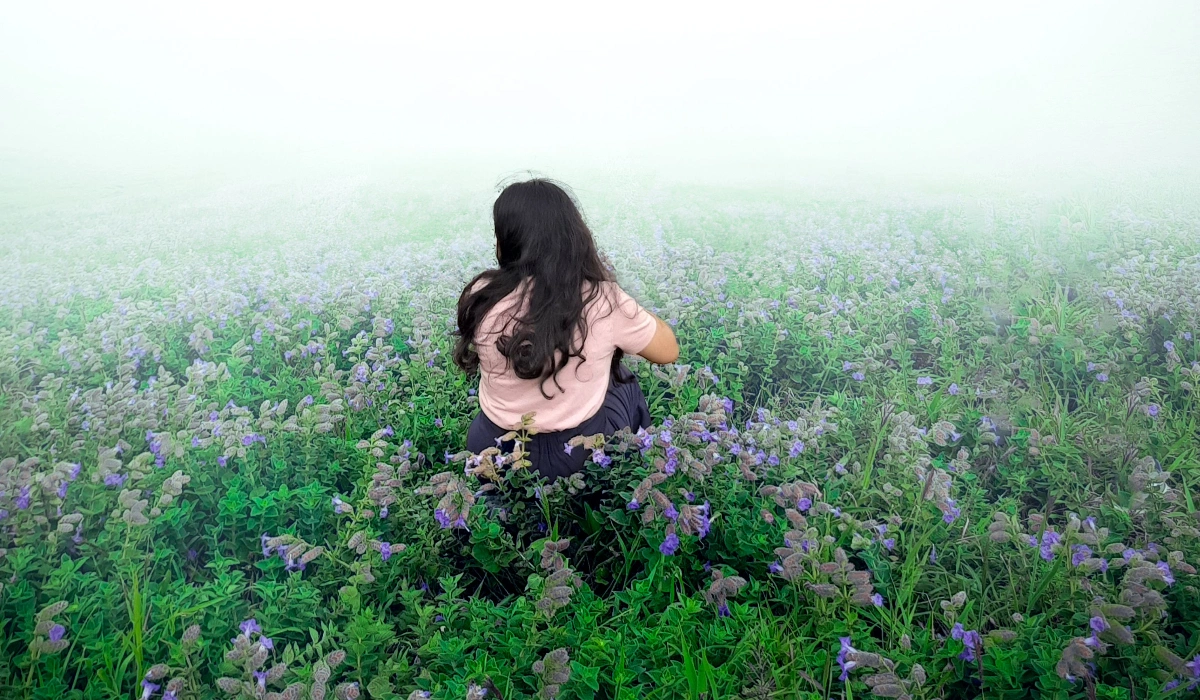
Kaas Plateau, with its postcard-worthy beauty, is one of the most pristine natural wonders in India. Every year, thousands of tourists flock to the plateau to see colorful flowers blooming. In 2026, i.e. this year, the Kaas Plateau flower season is approaching, expected to run from mid-September to mid-October 2026. For more detailed information on the Kaas Plateau Flower Season 2026, keep reading this guide!
Why Visit Kaas Plateau In Maharashtra?
Kaas Plateau in Maharashtra is often called the ‘Valley of Flowers of Maharashtra.’
With more than 850 species of flowering plans, including endemic and endangered species, the plateau is home to a wide variety of flora.
Every year, during September and October, the plateau transforms into a magical dreamland of delicate, colorful flowers. The flowers don’t all bloom simultaneously, and the plateau’s appearance can change considerably from one week to another depending on rainfall. Visitor numbers are also restricted to protect this fragile ecosystem.
If you love experiences rooted in nature, you will definitely love visiting Kaas Plateau.
When Is Kaas Plateau Flower Season 2026?
The official Maharashtra Tourism website places the Kaas flowering season broadly between late August and early October, while current 2026 travel information indicates that the main visitor season is expected to fall around mid-September to mid-October.
For 2026, it is estimated that the flower blooming window is between mid-September and mid-October. Exact dates for the blooming period can be tough to predict, but the official Kaas Plateau website mentions that the Kaas Plateau flower season will likely begin from 1st September, 2026.
Kaas Plateau 2026 Flower Season At A Glance
- Expected season: Around mid-September to mid-October 2026
- Expected opening: Around September 18
- Expected peak bloom: September 22 to October 8
- Expected closing: Around October 19
- Daily visitor limit: 3,000
- Best time of day: Early morning
- Nearest city: Satara
- Distance from Satara: Approximately 25 km
- Altitude: Around 1,200 meters
Since flowering is weather-dependent, check the latest official announcement before traveling.
What Flowers Can You See At Kaas Plateau?
One of the most exciting aspects of visiting Kaas Plateau is the incredibly diverse flora. Among the flowers and plants associated with Kaas are Sonki, Smithia, Cyanotis, Utricularia, orchids and Karvy. Smithia is particularly recognizable for its yellow blooms, while different species of balsam add pink and purple tones to the landscape.
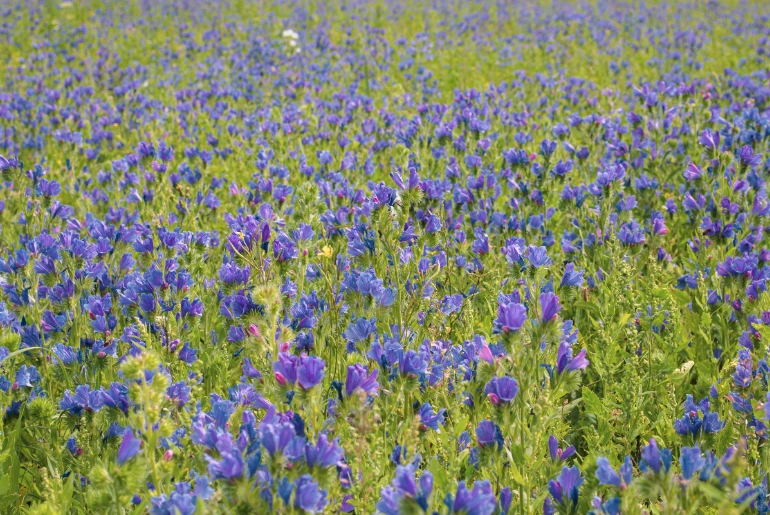
The rare and endemic plants are a major reason Kaas is considered ecologically significant rather than simply being another scenic monsoon destination. The area forms part of the Western Ghats’ UNESCO World Natural Heritage Site.
What Are The Kaas Plateau Timings In 2026?
Kaas Plateau operates within designated visitor slots during the flowering season. Current visitor information lists three daily slots:
Morning: 7 AM to 11 AM
Afternoon: 11 AM to 3 PM
Evening: 3 PM to 6 PM
The daily visitor capacity is 3,000 people, with up to 1,000 visitors permitted in each slot.
If you are primarily visiting for photography, the morning slot is arguably the best choice. The weather tends to be cooler, the light is softer and you can explore before the day’s crowds build up.
How Much Are Kaas Plateau Tickets In 2026?
Published 2026 travel information currently lists the entry fee at approximately ₹50 per adult on weekdays and ₹100 on weekends and public holidays. Children below five years are listed as free.
However, travelers should verify the latest fee structure and booking requirements before visiting, as regulations and charges can change from season to season.
The bigger consideration isn’t just the price of the ticket but the limited number of visitors allowed each day. During peak bloom weekends, popular slots can fill quickly.
Also Read: Best Safe Camping Spots In Maharashtra During Monsoon
How To Book Kaas Plateau Tickets?
Because Kaas is an ecologically sensitive area, visitor numbers are deliberately controlled. Maharashtra Tourism recommends booking entry passes in advance, particularly during peak flowering season.
Current 2026 travel information indicates that online booking is being handled through the Kas Pathar Committee’s booking platform, with weekend and holiday visits subject to advance booking.
What Are The Visitor Rules At Kaas Plateau?
The restrictions at Kaas aren’t simply administrative hurdles. They exist because the flowers visitors come to see are part of an extremely fragile ecosystem. Kaas Plateau flower season is a once-a-year natural phenomenon that is recognized by UNESCO.
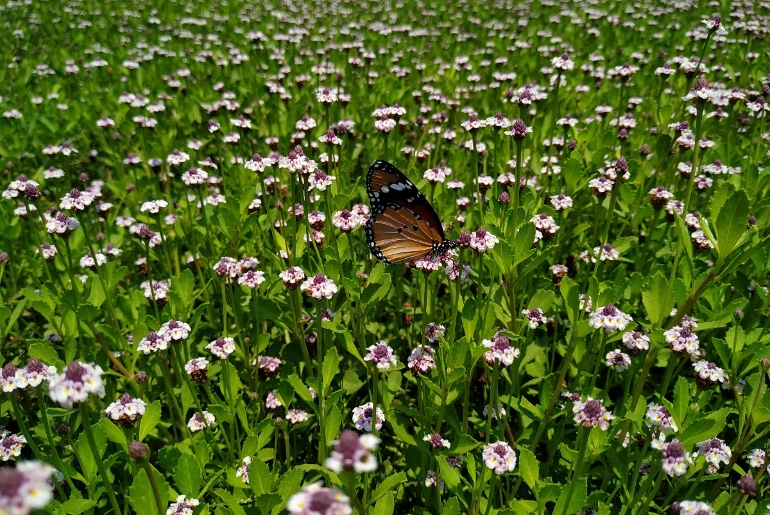
Here are some of the visitor rules you should follow when visiting Kaas Plateau:
- Do not pick flowers, uproot plants or disturb insects and other wildlife.
- Avoid littering and carry your waste back with you.
- Avoid playing loud music or otherwise disturbing the natural environment.
- Carry offline maps as the network can be unreliable.
- Carry water, essentials, and items like power banks and loose cash.
Also Read: Maharashtra Govt To Unveil New Tiger Reserves, Leopard Safaris By 2029
What To Wear And Carry For Kaas Plateau
Remember that Kaas is a monsoon destination. Even during the flowering season, the weather can change quickly.
Wear comfortable, slip-resistant footwear, particularly because paths can become wet and muddy. Maharashtra Tourism specifically advises visitors to wear suitable footwear because the terrain can become slippery during the monsoon.
A raincoat or umbrella is also worth carrying, along with a waterproof phone or camera cover. Keep a reusable water bottle with you and carry minimal luggage.
If you are visiting for photography, carry extra batteries or a power bank, as there may not be convenient charging facilities around the plateau.
How To Reach Kaas Plateau
Kaas Plateau is located around 25 km from Satara in Maharashtra.
The best way to reach the plateau is to reach Satara and continue by road. The easiest option for most travellers is to reach Satara and continue by road. If you’re traveling from Mumbai or Pune, driving is convenient, although weekend traffic can add considerably to journey times.
If you’re coming from Satara, this is the most recommended route: Satara->Sambarwadi->Lawanghar->Atali->Kaas Plateau of Flowers
The nearest railway station is Satara Railway Station, at a distance of about 30 km. From the railway station, you can get buses, cabs, rickshaws, and private sharing vehicles to reach Kaas Plateau.
The nearest major airport to the plateau is Pune International Airport, located at a distance of about 134 km. From the airport, it can be difficult to get a direct cab to Kaas Plateau, but you can try booking a cab to Satara or take a bus from Pune to Satara.
Also Read: No-Trek Waterfalls In Maharashtra: Stunning Monsoon Escapes Without The Hike
What Else Can You See Near Kaas Plateau?
Kaas can easily be combined with other attractions in the Satara region.
Kaas Lake, located near the plateau, is a peaceful place to spend some time surrounded by the Western Ghats. Thoseghar Waterfalls, around 30 km away, are another popular monsoon attraction and are particularly impressive when the region receives heavy rainfall.
You can also consider visiting Sajjangad Fort, associated with Saint Samarth Ramdas, or Ajinkyatara Fort in Satara. If you have additional time, the wider Satara region offers several nature and heritage attractions.
Author’s Note
Kaas Plateau flower season is about to begin and personally I am quite excited for the natural phenomenon to fill up my social media feeds. If you’re planning to visit, plan in advance – and a humble request to not harm the environment!
Summing Up
The Kaas Plateau flower season 2026 is expected to run broadly from mid-September to mid-October, with the most spectacular bloom currently expected between late September and early October. If you’re planning to visit, book slots in advance, arrive early, and carry rain gear and do not harm nature.