
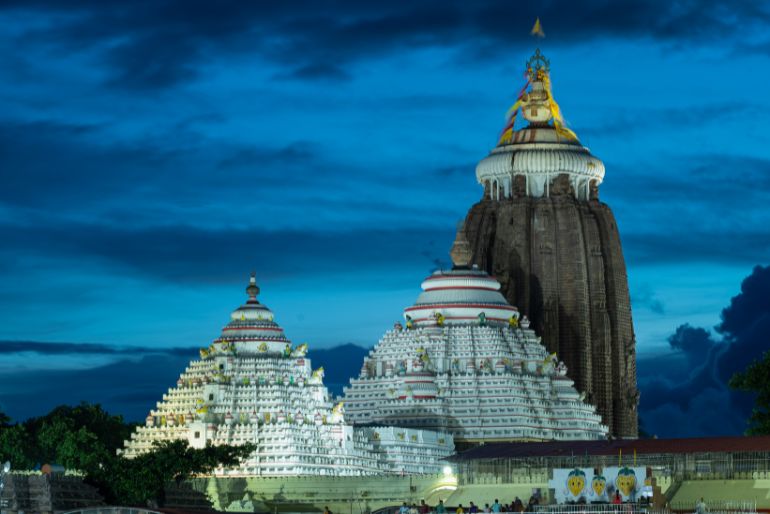
The concept of Mahaprasad at Puri’s Jagannath Temple is more than a sanctified temple meal. It is a beautiful intersection of devotion, social egalitarianism, and culinary traditions. The Mahaprasad served here is considered to be the physical embodiment of divine grace. Every day, thousands of devotees and pilgrims travel to this coastal town to partake in this Mahaprasad at Jagannath Temple. But what exactly is this prasad, and where can you eat it? Let’s check it out!
All About Jagannath Temple Mahaprasad
What is Mahaprasad?
Mahaprasad is a sanctified food that is offered to Lord Jagannath in the Jagannath Temple in Puri. It is an important part of the Jagannath worship and a unique cultural tradition that blends culinary heritage, devotion, and community.
In Sanskrit, “Maha” means great and “Prasad” means offering or grace. It is known as the highest form of divine grace in the form of food. While the food generally offered to devotees across India is known as prasad, the offering at the Jagannath temple is known as Mahaprasad.
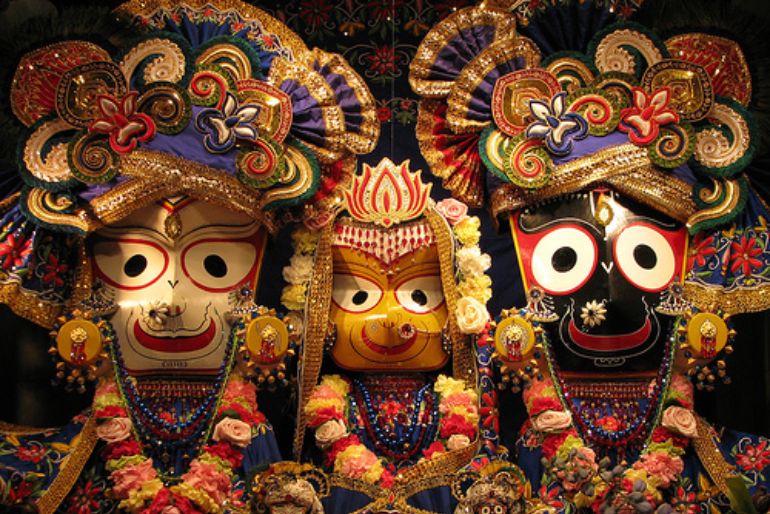
The food that is cooked inside the temple’s kitchen is initially known as “Bhoga”. It is carried to the main sanctum or Srimandir and then offered to Lord Jagannath, Lord Balabhadra, and Devi Subhadra with traditional Vedic rituals. After this, the food is taken to the shrine of Goddess Bimala. She is a revered Shakti Peeth, which is located right inside the temple complex. The food receives the official designation of Mahaprasad only after it is offered to Maa Bimala.
As per a local legend, it is believed that Goddess Mahalaxmi herself walks in and oversees the preparation in the kitchen. The Suaras and Maha-Suaras, who are the hereditary cooks, call themselves Goddess Mahalaxmi’s servants.
Also Read: Which Indian Destinations Are Best For Street Food? 10 Cities To Eat Your Way Through
Types Of Mahaprasad
The offerings made to the deities are actually classified into two major categories. These categories are decided based on the shelf life and preparation. The menu has up to 56 items, which are collectively known as Chappan Bhog.
1. Sankhudi Bhoga
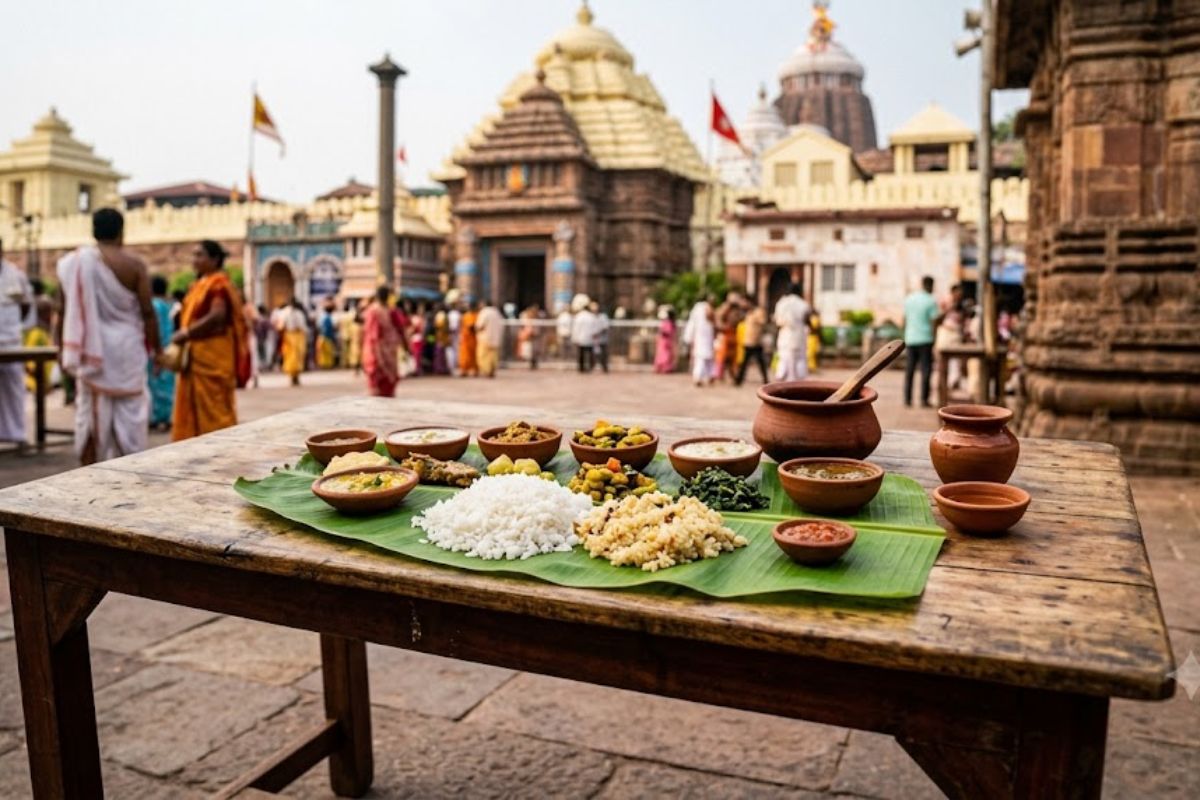
The items that are cooked or are wet in nature come under Sankhudi Bhog. These are freshly cooked, steamed items that are served daily. They are often referred to as Abhada when they are combined as a full-rice based meal. This includes:
Anna (rice), Kanika (sweetened ghee rice), Meetha Dali (sweet yellow lentils), Khechudi (lentil and rice khichdi), Saga (leafy greens), and Besara (vegetables in mustard paste).
2. Sukhila Bhoga
The items that are considered to be dry sweets are considered to be Sukhila Bhoga. These are dry confections and fried or baked treats with a longer shelf life. This includes:
Gaja (dense sweet cakes), Jagannath Ballava, Kora Khai (puffed rice with jaggery), and Khaja (layered, fried pastry soaked in sugar syrup).
Also Read: Holy Yum! India’s Most Iconic Temple Prasads You Can Actually Eat
Where Can You Eat Mahaprasad?
If you are visiting the famous Jagannath Puri Temple, partaking in Mahaprasad is an important part of the pilgrimage. Here’s where you can experience this:
1. Ananda Bazaar
Translated as the “Marketplace of Joy”, the Ananda Bazaar is located inside the Jagannath Temple Complex, right within the outer compound. It is near the Northern Gate or Uttara Dwara and is known as one of the largest open-air food courts across the globe.
The authorized vendors-priests, who are also known as Suara stallholders, set up their stalls here. These stalls have fresh earthen pots of Sankhudi Bhoga, which includes rice, dal, besara, etc. They also have Sukhila Bhoga like Khaja on display.
Pilgrims and devotees can easily purchase their choice of dishes and then sit down on the floor to eat them. There are designated covered halls in Ananda Bazaar for people to sit down and relish the Mahaprasad. The food is traditionally eaten on a Sal leaf or Kadali Patra (banana leaves) using your right hand.
Dry fruits like Khaja are available throughout the day. Fresh Sankhudi Bhoda is available from early afternoon, from 1:00 PM to 3:00 PM.
Also Read: How To Plan A Puri Temple Trip In 2 Days? Jagannath Darshan, Konark And Where To Stay
2. Gundicha Temple
During the annual and famous Rath Yatra or Chariot Festival, Lord Jagannath along with his siblings reside at their aunt’s house in the Gundicha Temple premises. So for nine days, the temple kitchen of Gundicha Temple operates, and Mahaprasad is made, distributed, and consumed at the Gundicha Temple premises.
Things To Know About Jagannath Temple’s Mahaprasad
The Jagannath Temple kitchen is widely known as one of the largest traditional kitchens across the globe. In order to maintain ritual purity, there are some strict rules that are followed here.
There are no gas stoves, steel utensils, or electricity used. Cooking is completely performed using earthen hearths or chulhas, which are fed by wood fire.
The food is cooked in unglazed earthen pots, which are known as Kudia. One of the famous phenomena of this kitchen is that the Kudias are stacked vertically, with up to 7 to 9 pots over a single fire pit. The most astonishing thing here is that the top pot cooks first while the bottom one cooks last.
The temple houses two holy wells, which are known as Ganga Kua and Yamuna Kua. Water used for cooking is drawn from these two wells only!
Also Read: Best Street Food Near Jagannath Puri Temple You Should Try
Note: This article was compiled after verifying current publicly available business information.
Summing Up
The Mahaprasad served at the Jagannath temple in Puri is known for its profound socio-cultural importance. Partaking in Mahaprasad is known as a soul-cleansing experience that actually binds millions of devotees together. Remember that it is considered disrespectful to refuse Mahaprasad or stop anyone from sharing food from your pot.