

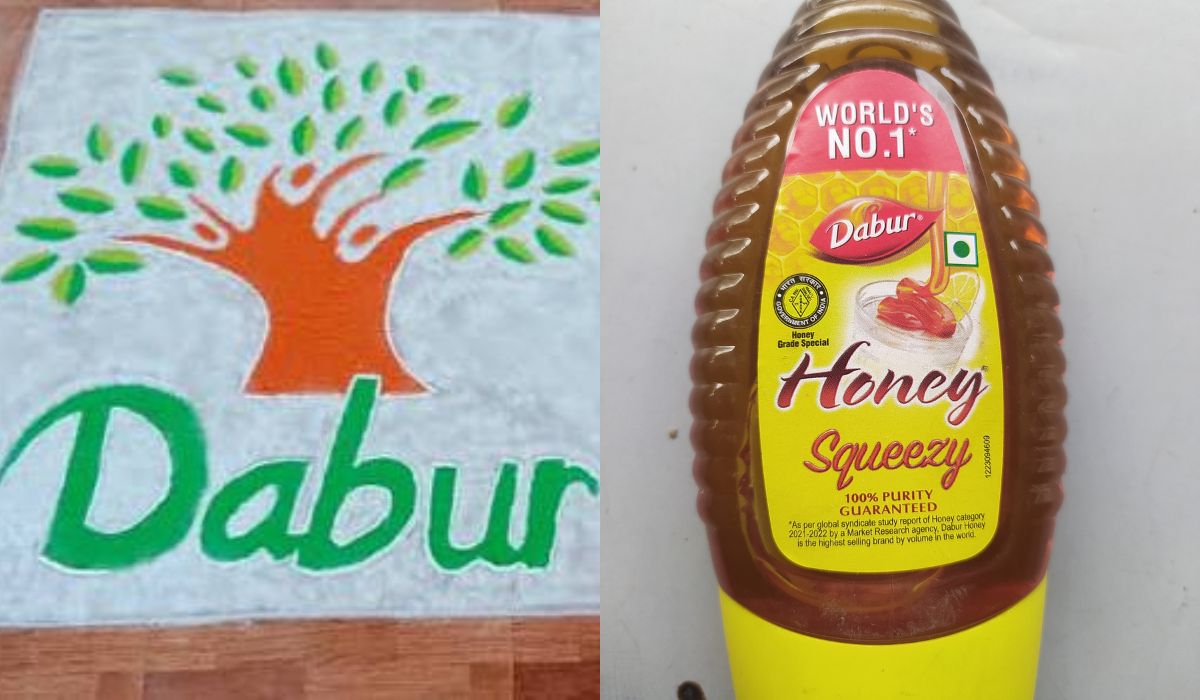
The Food Safety and Standards Authority of India (FSSAI) issued a strict prohibition order against Dabur India Ltd on Wednesday, August 3, 2026. FSSAI has ordered the immediate stoppage of sales for products carrying “100%” marketing claims. The food regulator ruled that marketing terms like “100% Pure”, “100% Natural”, and “100% Purity Guaranteed” violate the Food Safety and Standards (Advertising and Claims) Regulations, 2018. FSSAI specified that this prohibition is due to misleading and unverifiable labeling rather than product safety or chemical adulteration. Here are all of the other important details that you would need to know about this latest update.
FSSAI Bans Dabur Food Sales With ‘100%’ Claims
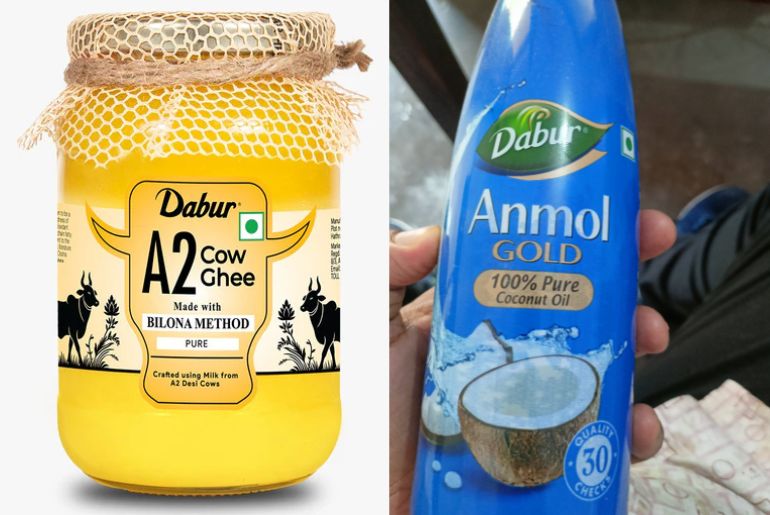
FSSAI flagged Dabur Organic Honey and Dabur Himalayan Organic Apple Cider Vinegar for displaying India’s official ‘Jaivik Bharat’ organic logo without valid regulatory organic endorsements. Dabur Hommade Coconut Milk was marketed as “100% Purity,” a label strictly prohibited for processed compound foods. The following is the list of products that have been affected by this mandate:
- Honey and Organic Honey
- Cow Ghee
- Apple Cider Vinegar
- Virgin Coconut Oil and Sesame Oil
- Coconut Water and Homemade Coconut Milk
- Any other food items on the company’s website bearing unverified “100%” marketing claims.
How Will Dabur Now Proceed?
Dabur must immediately cease online and offline sales of all flagged products carrying ambiguous “100%” tags and submit an Action Taken Report (ATR) within 15 days. FSSAI noted that this action followed Dabur’s failure to take adequate corrective measures after receiving previous notices regarding an industry-wide 2025 advisory banning “100%” purity claims.
Dabur stated it is reviewing the FSSAI order and inspecting product content across its web platforms to ensure compliance.FSSAI prohibits “100%” marketing taglines such as “100% Natural”, “100% Pure”, “100% Purity Guaranteed”, and “100% Organic.” This is because they are legally undefined, unverifiable, and potentially mislead consumers into assuming absolute perfection.
Impact Of The FSSAI Ban On Dabur
Dabur acknowledged receipt of the FSSAI prohibition order, stating that it is reviewing the specific URLs and product content flagged by the regulator to take necessary alignment steps. Following the regulatory order, Dabur India shares dropped nearly three percent on the NSE to around INR 414, reflecting short-term investor anxiety over potential brand re-labeling costs and inventory holds.
FSSAI’s Push For Transparent Food Labeling
The FSSAI has continued its broader push for transparent food labeling. It has intensified its scrutiny of misleading front-of-pack claims across packaged food, beverage, and health drink categories.
The regulator’s enforcement efforts are aimed at curbing “greenwashing.” They also aim to curtail marketing practices that could mislead consumers into believing products are healthier or more natural than their ingredient composition suggests.
For shoppers, the key takeaway is to look beyond prominent packaging claims such as “100% Pure,” “Natural,” or similar slogans. Instead, consumers should carefully read the ingredient list, nutrition information, and mandatory declarations to make informed purchasing decisions based on a product’s actual contents rather than front-of-package marketing.
Also Read: FDA Suspends Parsi Dairy Farm’s License In Mumbai: Everything You Need To Know
Summing Up
FSSAI’s action against Dabur underscores the regulator’s growing focus on ensuring that food labels and advertising claims are accurate, verifiable, and not misleading. While the prohibition is not linked to product safety or quality concerns, it reinforces that terms such as “100% Pure,” “100% Natural,” and similar claims must comply with the Food Safety and Standards (Advertising and Claims) Regulations, 2018. Dabur, as of now, is working to align its product labeling with regulatory requirements. This move serves as a reminder for food manufacturers to prioritize transparency and for consumers to rely on ingredient lists, nutrition labels, and certified declarations rather than front-of-pack marketing claims when making purchasing decisions.