
India’s freedom movement was never confined to a handful of iconic landmarks. While places like Sabarmati Ashram, Jallianwala Bagh, and the Cellular Jail remain central to the nation’s collective memory, countless regional struggles, tribal resistance movements, peasant uprisings, and grassroots campaigns unfolded across the country. These lesser-known sites preserve stories of ordinary people whose courage helped shape India’s journey to independence. Exploring these offbeat heritage destinations offers an opportunity to experience quieter memorials, interact with local communities that continue to preserve oral traditions, and promote sustainable heritage tourism beyond overcrowded monuments. For travelers seeking meaningful Independence Day journeys, these lesser-known sites of the Independence Movement reveal chapters of history that deserve far greater recognition.
Lesser-Known Sites Of The Independence Movement
1. Mangarh Hill, Rajasthan
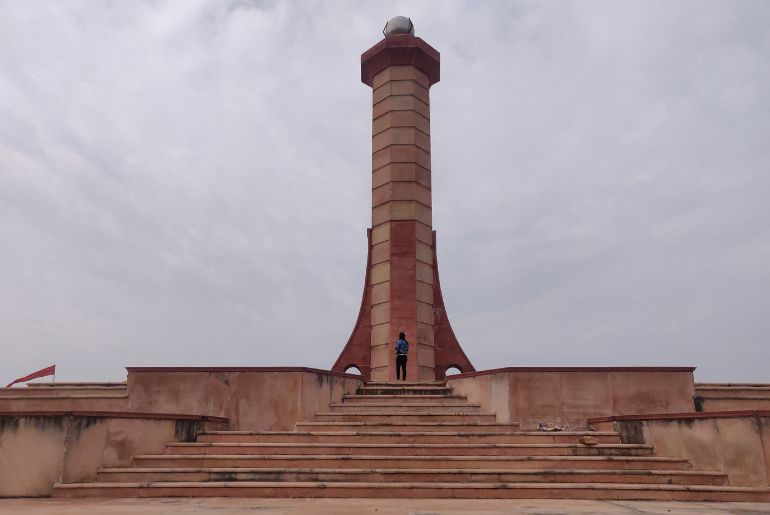
Located on the Rajasthan–Gujarat border near Banswara, Mangarh Hill is one of the most significant memorials associated with India’s tribal freedom movement. On 17 November 1913, thousands of Bhil tribal followers had gathered under the leadership of social reformer Govind Guru. British colonial forces, supported by princely state troops, opened fire on the gathering. While the exact number of casualties remains debated by historians, many accounts describe the loss of well over a thousand lives, making it one of the deadliest episodes of colonial violence before Independence. Because of its historical importance, Mangarh Hill is often referred to as the “Tribal Jallianwala.“
How To Reach: ~85 km from Banswara; nearest railway station is Ratlam (~110 km).
What To See: Mangarh Dham National Memorial, tribal heritage museum, and scenic Aravalli hilltop views.
2. Kakori Shaheed Smarak, Uttar Pradesh
The small town of Kakori, near Lucknow, occupies a special place in India’s revolutionary movement. On 9 August 1925, members of the Hindustan Republican Association (HRA), including Ram Prasad Bismil, Ashfaqullah Khan, Rajendra Nath Lahiri, and others, stopped a government train carrying treasury funds. The objective was to obtain resources for revolutionary activities against British rule. The incident became known as the Kakori Train Action or Kakori Conspiracy. Although many revolutionaries were arrested and several were later executed, the event inspired a new generation of freedom fighters and remains one of the defining moments of India’s armed revolutionary movement.
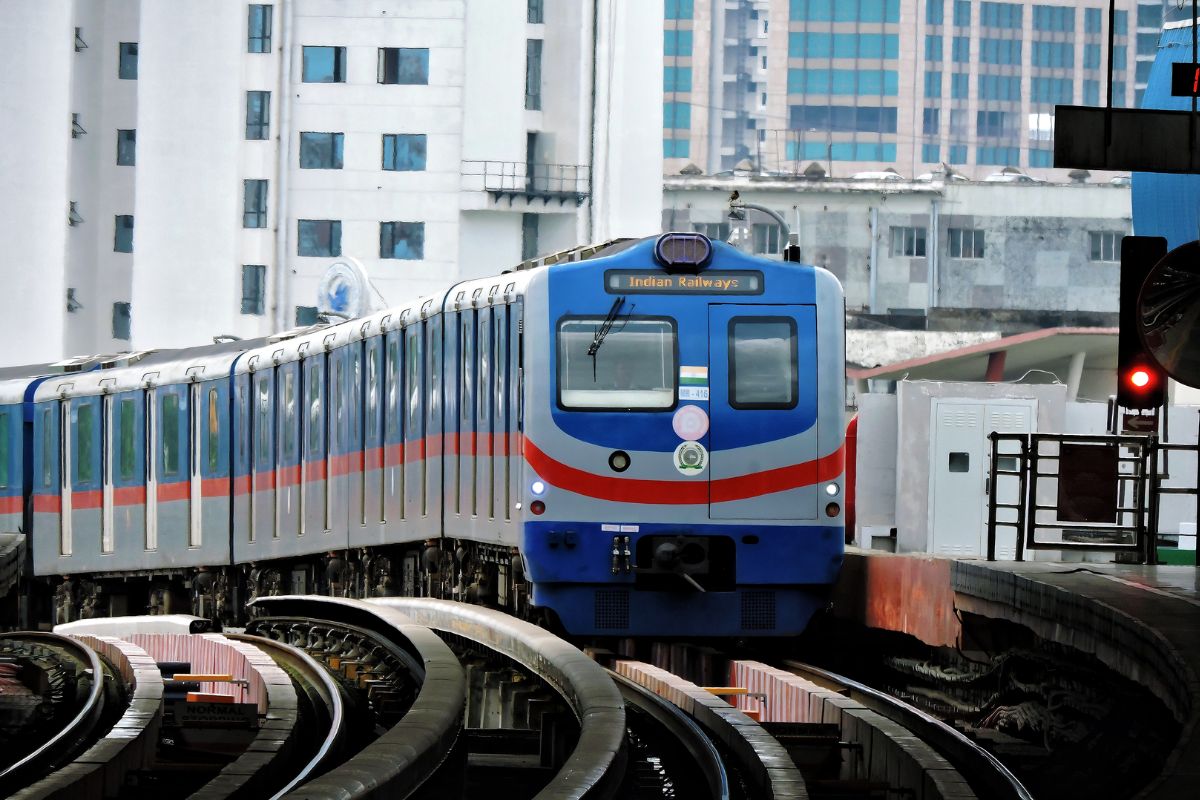
How To Reach: 15 km west of Lucknow city center, easily accessible via Lucknow Metro and taxi.
What To See: Kakori Memorial Park, martyrs’ relief murals, and historical archives on the outskirts of Lucknow.
3. Eram (Raktatirtha), Odisha
Eram, located in Odisha’s Bhadrak district, witnessed one of the most tragic incidents during the Quit India Movement. On 28 September 1942, British police opened fire on a peaceful gathering of villagers participating in protests against colonial rule. Official records state that 29 people were killed and many others were injured. Because the enclosed nature of the ground prevented easy escape, the incident is often compared to the Jallianwala Bagh massacre, earning Eram the name “Raktatirtha” or “Place of Blood.”
How To Reach: Located in Bhadrak district, ~45 km from Bhadrak Railway Station.
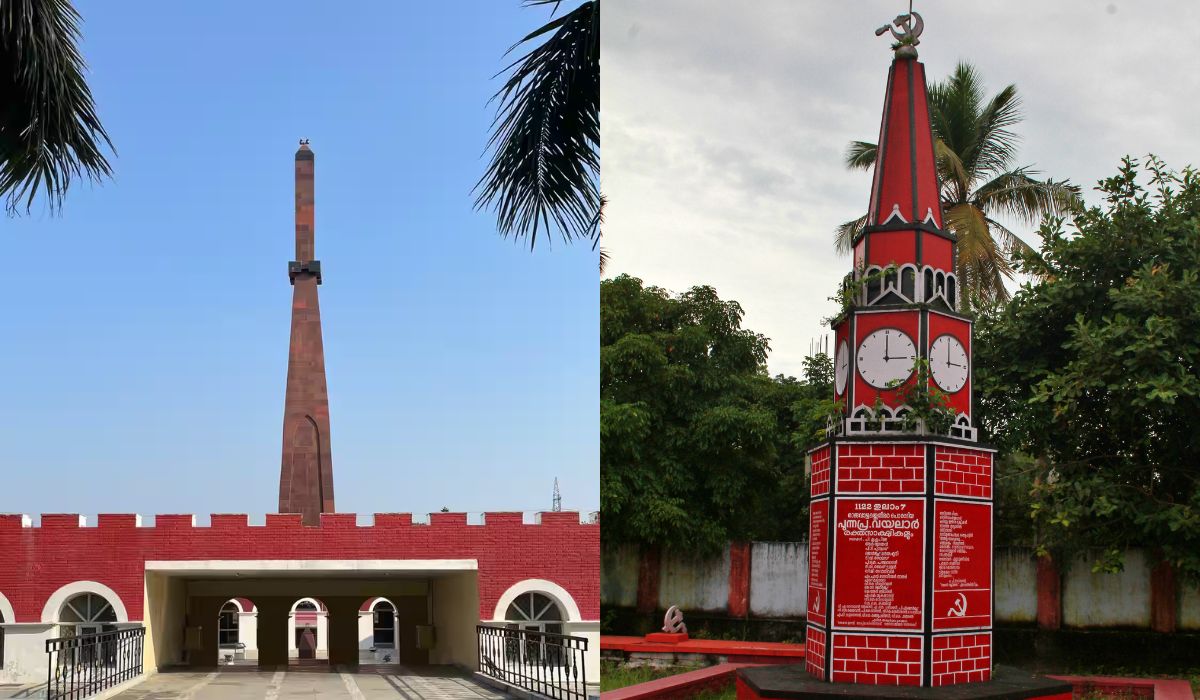
What To See: The Martyr’s Pillar (Shaheed Stambha) overlooking green paddy fields and peaceful memorial grounds.
4. Patharughat, Assam
Long before nationwide mass movements gained momentum, farmers in Assam organized against oppressive colonial revenue policies. On 28 January 1894, peasants assembled at Patharughat in present-day Darrang district to protest steep increases in land revenue. The demonstration ended in police firing. While casualty estimates vary across historical sources, the incident is widely remembered as the Patharughat Massacre and remains an important symbol of peasant resistance in Assam.
How To Reach: ~60 km from Guwahati in Darrang district.
What To See: Patharughat Krishi Shaheed Swarnasthali memorial park and annual homage site.
5. Tamluk, West Bengal
Tamluk in Purba Medinipur district played a remarkable role during the Quit India Movement. Following widespread protests in 1942, local nationalists established the Tamralipta Jatiya Sarkar, a parallel administration that functioned for nearly two years in parts of the district. The organization managed relief work, local administration, and volunteer forces while challenging colonial authority. The movement also drew inspiration from veteran freedom fighter Matangini Hazra, who became an enduring symbol of courage after being fatally shot while leading a procession carrying the national flag.
How To Reach: ~85 km from Kolkata via NH16 or Tamluk Railway Junction.
What To See: Matangini Hazra Memorial, ancient Bargabhima Temple, and District Heritage Museum.
6. Punnapra-Vayalar, Kerala
The twin villages of Punnapra and Vayalar in Alappuzha district witnessed one of the largest workers’ uprisings in pre-Independence India. In October 1946, coir workers, agricultural labourers, and fishermen participated in an armed revolt against the autocratic Travancore administration under Diwan Sir C. P. Ramaswami Aiyar. Although the movement occurred within the princely state of Travancore rather than directly under British provincial administration, it has become an important chapter in Kerala’s political and labour history during the final phase of India’s freedom struggle.
How To Reach: Located in Alappuzha (Alleppey) district, accessible by road and rail.
What To See: Punnapra Martyr’s Memorial in Alappuzha, Vayalar Memorial Complex, and backwater boat trails.
7. Bhitiharwa Ashram, Bihar
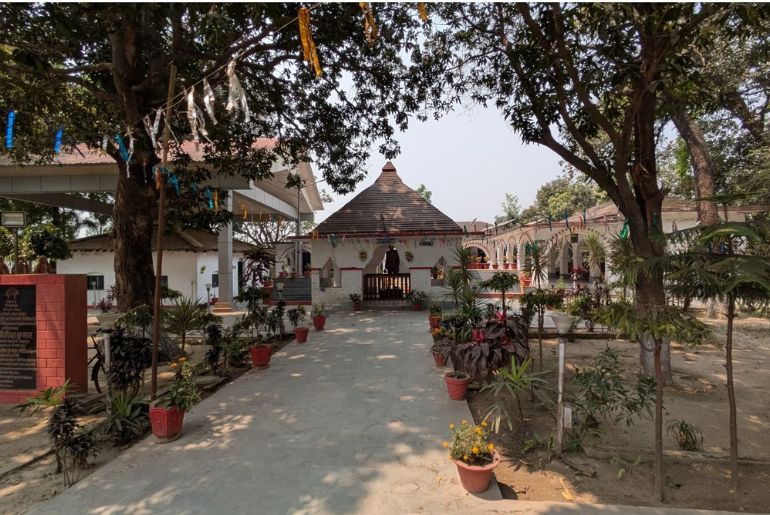
Situated in West Champaran district, Bhitiharwa is closely associated with Mahatma Gandhi’s Champaran Satyagraha of 1917, his first major satyagraha in India. During the campaign against the exploitative indigo cultivation system, Gandhi established educational and social reform initiatives in villages such as Bhitiharwa. The ashram and school established during this period became symbols of constructive work alongside political resistance.
How To Reach: Bhitiharwa is accessible from Bettiah by road, with Bettiah serving as the nearest major railhead.
What To See: Visitors can explore the preserved Bhitiharwa Ashram, which showcases photographs, documents, and exhibits related to the Champaran movement.
Here is a brief overview of these lesser-known sites of the Independence movement:
| Offbeat Destination | State | Historical Significance | Key Event And Year |
| Mangarh Hill | Rajasthan | Massacre of over 1,500 Bhil tribal revolutionaries | Govind Guru Uprising (1913) |
| Eram (Raktatirtha) | Odisha | Second largest massacre after Jallianwala Bagh | Quit India Movement (1942) |
| Patharughat | Assam | Peasant uprising against oppressive British agrarian taxes | Patharughat Massacre (1894) |
| Kakori | Uttar Pradesh | Revolutionary train action led by HRA patriots | Kakori Action (1925) |
| Tamluk (Tamralipta) | West Bengal | Formation of ‘Tamluk Jatiya Sarkar’ parallel government | Quit India Movement (1942) |
| Punnapra-Vayalar | Kerala | Armed working-class revolt against feudal oppression | Punnapra Revolt (1946) |
| Bhitiharwa (Champaran) | Bihar | Base camp for Gandhi’s first Satyagraha in India | Champaran Satyagraha (1917) |
What Patriots Should Keep In Mind When Visiting
August transforms these destinations with lush monsoon landscapes, although intermittent rainfall is common across much of India. Travelers should carry rain protection, check local road conditions in advance, and allow extra travel time in rural areas.
To make your visit more meaningful, engage local guides who preserve regional oral histories, support community-run homestays where available, and purchase handicrafts from local artisans. Many of these sites remain relatively uncrowded, allowing visitors to reflect on India’s freedom struggle in peaceful surroundings while contributing to sustainable heritage tourism.
These forgotten memorials remind us that India’s independence was won not only in famous cities and celebrated movements but also in remote villages, tribal heartlands, farming communities, and workers’ settlements. Visiting them offers a deeper understanding of the countless known and unknown individuals whose sacrifices helped shape the nation we celebrate today.
Also Read: Independence Day 2026: 10 Places That Played A Significant Role In India’s Freedom Struggle
Summing Up
Visiting these lesser-known memorials is an opportunity to better understand the diversity of India’s Independence Movement and the contributions of tribal communities, farmers, workers, revolutionaries, and ordinary citizens. As interest in heritage tourism continues to grow, responsible travel to these destinations can also support local communities while helping preserve important historical sites for future generations. Whether you’re planning an Independence Day weekend trip or simply looking to explore a different side of India’s past, these offbeat heritage destinations offer a meaningful journey through some of the country’s most significant yet often overlooked chapters of history.