
Every year on August 15, India comes together to celebrate the nation’s hard-earned independence with flag-hoisting ceremonies, patriotic songs, and tributes to the countless men and women who fought for freedom. While the celebrations take place across the country, visiting the places where history unfolded offers a far deeper connection to India’s journey toward independence.
From the Red Fort, where the Prime Minister addresses the nation every Independence Day, to the solemn grounds of Jallianwala Bagh and the infamous Cellular Jail, these memorials preserve stories of courage, sacrifice, and resilience. They are not merely tourist attractions but living reminders of the people and movements that shaped modern India. This Independence Day, take a step beyond the celebrations and explore these historic landmarks that continue to inspire generations.
Why These Memorials Matter Today
India’s independence was achieved through decades of peaceful protests, revolutionary movements, civil disobedience campaigns, and extraordinary sacrifices made across the country. Every region played a role in the struggle, leaving behind landmarks that continue to preserve the stories of those who dedicated their lives to securing the nation’s freedom.
Today, these sites function as museums, memorials, and heritage landmarks where visitors can walk through history instead of simply reading about it. Whether it is standing where India’s first Prime Minister hoisted the national flag, visiting the ashram that gave rise to the Salt March, or exploring the prison that housed some of the country’s bravest freedom fighters, each memorial site offers a meaningful glimpse into India’s remarkable past.
Also Read: Independence Day 2026: 79 Years Of Independence Or The 80th Celebration?
1. Red Fort, Delhi
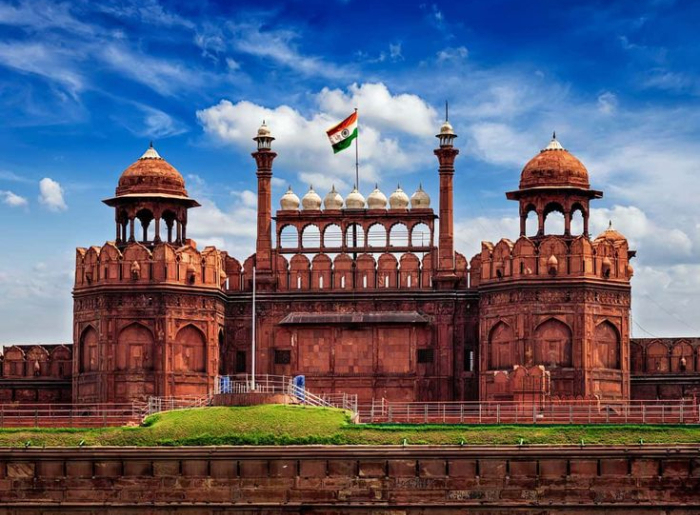
Few monuments are as closely associated with India’s Independence Day as the Red Fort. Built by Mughal Emperor Shah Jahan in the 17th century, the UNESCO World Heritage Site became an important symbol during the final years of British rule. In 1945, it served as the venue for the historic Indian National Army trials, where officers of Subhas Chandra Bose’s INA were prosecuted by the British. The trials united Indians across the country and strengthened public support for the freedom movement.
On August 15, 1947, Prime Minister Jawaharlal Nehru hoisted the Indian national flag from the fort’s Lahori Gate after delivering his iconic “Tryst with Destiny” speech. Since then, every Prime Minister has continued the tradition of addressing the nation from the Red Fort on Independence Day. Visitors today can explore its impressive palaces, museums, and sprawling courtyards while reflecting on one of the country’s most defining moments.
- Address: Netaji Subhash Marg, Lal Qila, Chandni Chowk, New Delhi, Delhi 110006
- Timings: 9:30 AM to 4:30 PM (Closed on Mondays)
- Entry Fee: Indian Citizens: INR 35 | Foreign Nationals: INR 550
2. Jallianwala Bagh, Amritsar
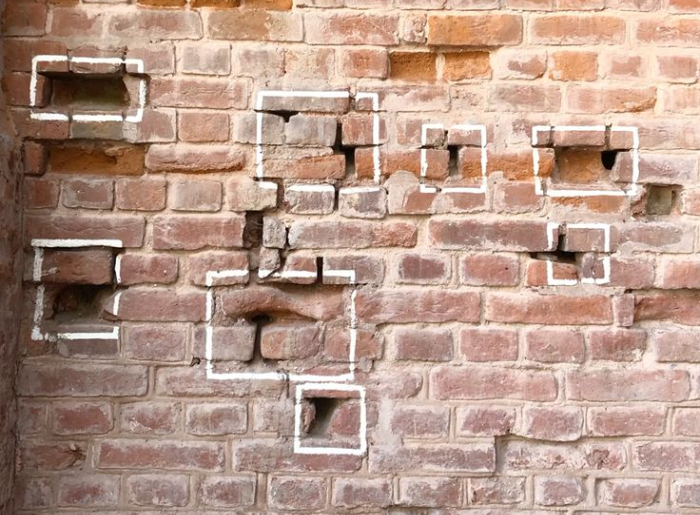
Jallianwala Bagh remains one of the most poignant memorials in India’s freedom struggle. On April 13, 1919, thousands of men, women, and children had gathered peacefully inside the enclosed garden to celebrate Baisakhi and protest against the Rowlatt Act. Without warning, Brigadier General Reginald Dyer ordered British troops to fire on the unarmed crowd, resulting in one of the darkest tragedies of colonial rule.
The massacre transformed India’s independence movement. It deeply influenced leaders such as Mahatma Gandhi and prompted Rabindranath Tagore to renounce his British knighthood in protest. Today, the memorial preserves the bullet-marked walls, the Martyrs’ Well, and commemorative sculptures that help visitors understand the scale of the tragedy. Walking through the grounds is a moving experience that highlights the immense sacrifices made during India’s fight for freedom.
- Address: Golden Temple Road, Katra Ahluwalia, Amritsar, Punjab 143006
- Timings: 6:30 AM to 7:30 PM
- Entry Fee: Free
3. Sabarmati Ashram, Ahmedabad
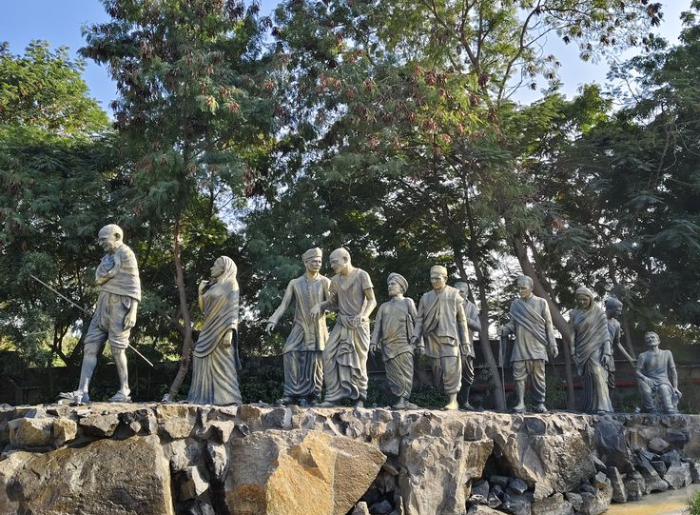
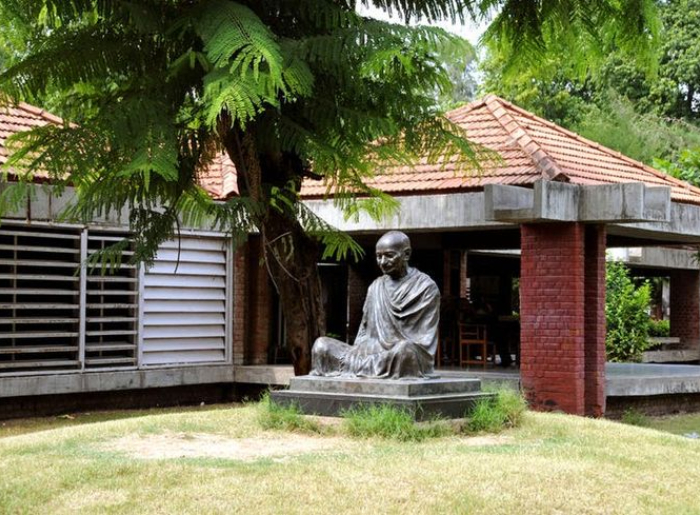
Nestled along the banks of the Sabarmati River, Sabarmati Ashram served as Mahatma Gandhi’s residence between 1917 and 1930. More than just a home, it became the headquarters of several campaigns that shaped India’s struggle for independence. From here, Gandhi promoted the principles of nonviolence, self-reliance, and civil disobedience while encouraging Indians to adopt khadi and boycott British goods.
The ashram is best remembered as the starting point of the historic Dandi March on March 12, 1930. Accompanied by 78 followers, Gandhi began the 390-kilometer march to challenge the British monopoly on salt production, inspiring millions across the country to join the Civil Disobedience Movement. Today, visitors can explore Gandhi’s modest living quarters, museum galleries, handwritten letters, photographs, and exhibits that chronicle one of the most influential chapters of India’s freedom movement.
- Address: Gandhi Smarak Sangrahalaya, Ashram Road, Ahmedabad, Gujarat 380027
- Timings: 8:30 AM to 6:30 PM
- Entry Fee: Free
4. Cellular Jail (Kala Pani), Port Blair
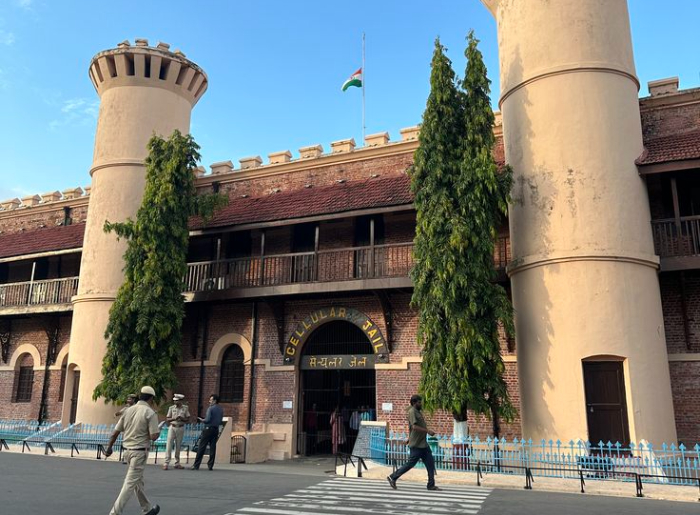
Few places capture the sacrifices of India’s freedom fighters as powerfully as the Cellular Jail in Port Blair. Built by the British between 1896 and 1906, the prison was designed to isolate political prisoners from the mainland, making escape nearly impossible. Hundreds of revolutionaries were imprisoned here under brutal conditions, enduring solitary confinement, forced labor, and harsh punishment for their role in India’s struggle for independence.
Often referred to as Kala Pani, the prison housed prominent freedom fighters, including Vinayak Damodar Savarkar and Batukeshwar Dutt. Today, the preserved jail has been transformed into a National Memorial featuring galleries, historical exhibits, and a moving light and sound show that recounts the stories of those who sacrificed their freedom for the nation. Visiting Cellular Jail offers a sobering reminder of the resilience and determination that shaped India’s path to independence.
- Address: Atlanta Point, Sri Vijaya Puram, Andaman and Nicobar Islands 744104
- Timings: 9:00 AM to 5:00 PM
- Entry Fee: Indian Citizens: INR 30 | Foreign Nationals: INR 100 | Light & Sound Show: Additional charges apply
5. Kakori Memorial, Uttar Pradesh
For those of you who love watching patriotic indian movies like Rang De Basanti, you’ll find a link to Kakori Memorial, as it commemorates one of the most daring revolutionary acts of India’s freedom movement. On August 9, 1925, members of the Hindustan Republican Association stopped a British government train near Kakori and seized treasury funds to support their revolutionary activities. Although the operation was carefully planned, many of the revolutionaries were later arrested. Leaders such as Ram Prasad Bismil, Ashfaqulla Khan, Roshan Singh, and Rajendra Lahiri were sentenced to death, becoming enduring symbols of courage and patriotism.
Today, the memorial honors their sacrifice and serves as a reminder of the revolutionary movement that ran parallel to India’s nonviolent struggle for independence. Visiting the site offers valuable insight into the determination of young revolutionaries who risked everything for the nation’s freedom.
- Address: Kakori, Lucknow District, Uttar Pradesh 226101
- Timings: Open throughout the day
- Entry Fee: Free
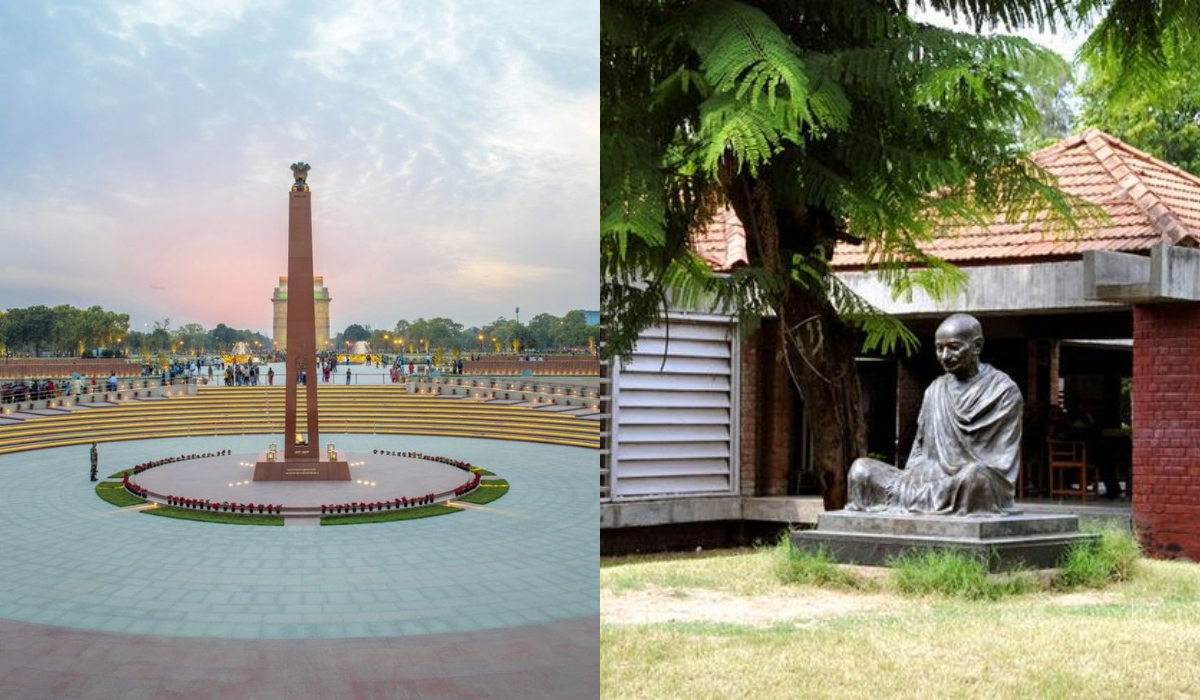
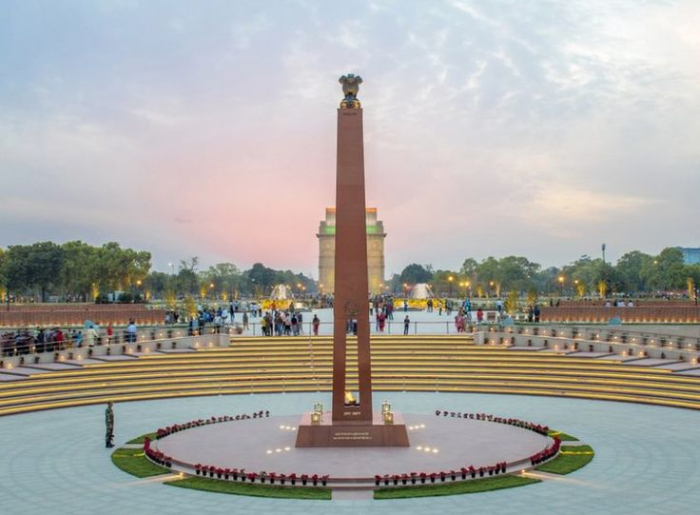
6. National War Memorial, New Delhi
Located near India Gate, the National War Memorial honors the brave soldiers of the Indian Armed Forces who laid down their lives while protecting the nation after Independence. Although it commemorates military service rather than the freedom movement itself, it stands as a powerful symbol of the sacrifices made to preserve the nation’s sovereignty.
Spread across beautifully landscaped grounds, the memorial features concentric circles representing valor, sacrifice, and protection, along with the eternal flame that pays tribute to India’s fallen heroes. Visitors can walk through engraved walls bearing the names of thousands of soldiers and witness the daily ceremonial traditions that reflect the country’s gratitude toward its armed forces. Visiting the National War Memorial on Independence Day offers an opportunity to honor those who have safeguarded India’s freedom across generations.
- Address: C-Hexagon, India Gate, New Delhi, Delhi 110001
- Timings: 6:00 AM to 9:00 PM
- Entry Fee: Free
7. Mani Bhavan Gandhi Sangrahalaya, Mumbai
Situated in Mumbai’s Gamdevi neighborhood, Mani Bhavan served as Mahatma Gandhi’s residence and headquarters whenever he visited the city between 1917 and 1934. Many significant events in India’s freedom movement were planned within its walls, including discussions related to the Non-Cooperation Movement, Civil Disobedience Movement, and the Quit India Movement.
Today, the heritage building has been converted into a museum that preserves Gandhi’s legacy through photographs, personal belongings, letters, books, and detailed miniature exhibits depicting key moments from his life. The library, research center, and carefully curated galleries offer visitors a comprehensive understanding of Gandhi’s philosophy and his role in shaping India’s struggle for independence. It remains one of Mumbai’s most significant landmarks associated with the freedom movement.
- Address: 19, Laburnum Road, Gamdevi, Mumbai, Maharashtra 400007
- Timings: 10:00 AM to 5:30 PM
- Entry Fee: Free
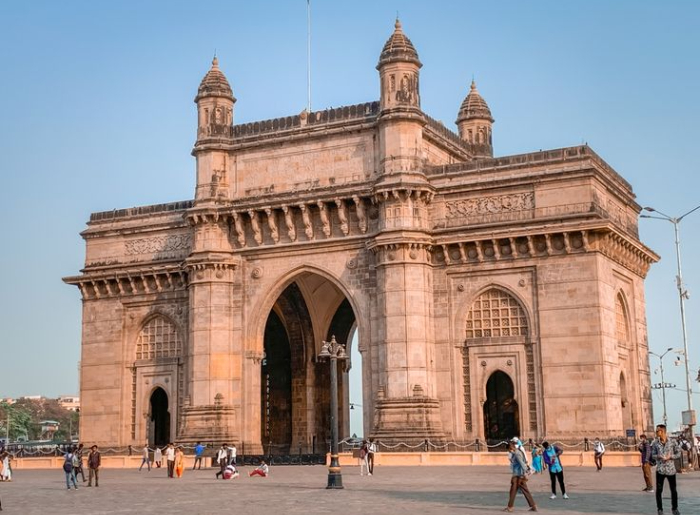
8. Gateway Of India, Mumbai
While the Gateway of India was originally built to commemorate the visit of King George V and Queen Mary in 1911, it later became closely associated with one of the defining moments of Independent India. On February 28, 1948, the last British troops ceremonially departed from India through this very monument, marking the formal end of British colonial rule.
Today, the Gateway of India stands as one of Mumbai’s most recognizable landmarks and a powerful reminder of the country’s transition from colonial rule to independence. Overlooking the Arabian Sea, the monument attracts visitors not only for its Indo-Saracenic architecture but also for its historical significance. Visiting the Gateway on Independence Day provides an opportunity to reflect on the closing chapter of British rule while experiencing one of India’s most iconic heritage landmarks.
- Address: Apollo Bandar, Colaba, Mumbai, Maharashtra 400001
- Timings: Open 24 hours
- Entry Fee: Free
Travel Tips For Visiting These Memorials
- Visit early in the morning to avoid crowds, especially on Independence Day.
- Carry a valid photo ID, as security checks are mandatory at several monuments.
- Wear comfortable footwear, as many memorials involve extensive walking.
- Check official websites for any special Independence Day closures or restricted entry due to security arrangements.
- Respect photography restrictions inside museums and memorial galleries.
- Take time to read the exhibits and information panels to better understand each site’s historical significance.
Summing Up
India’s freedom struggle was shaped by countless individuals, movements, and defining moments spread across the country. These memorials preserve that legacy, allowing visitors to experience history beyond textbooks and ceremonies. From the Red Fort and Jallianwala Bagh to Cellular Jail and Mani Bhavan, each landmark tells a unique story of sacrifice, resilience, and determination.
This Independence Day, consider visiting one of these historic sites to honor the people whose courage helped shape the nation. Beyond their architectural beauty and historical importance, these memorials serve as lasting reminders of the values of freedom, unity, and perseverance that continue to define India today.