
The northern edge of Kerala brings together historic forts, quiet beaches, forested hills, backwaters, ancient temples, and centuries-old cultural traditions. Kasaragod is known as Saptha Bhasha Sangama Bhoomi, or the land where seven languages meet; the district reflects influences from Kerala, Karnataka, and the wider Malabar coast. Malayalam, Tulu, Kannada, Beary, Konkani, Marathi, and Urdu are spoken across the region, giving Kasaragod a cultural identity unlike anywhere else in the state.
It is also a destination that encourages travelers to slow down, as a single itinerary can include a morning trek through the hills, an afternoon inside a coastal fort, a peaceful backwater cruise, and an evening spent watching the sun disappear into the Arabian Sea. For travelers seeking a quieter, more culturally layered side of Kerala, these are the top places to visit in Kasaragod.
Why Visit Kasaragod?
Kasaragod, Kerala offers a balanced mix of heritage, nature, spirituality, and regional culture. Its forts reveal the district’s strategic past, while its temples, mosques, churches, and ritual art forms reflect a long history of religious coexistence. Traditional performances such as Theyyam, Yakshagana, Poorakkali, and Thidambu Dance continue to be part of local festivals and community life.
Long beaches, rainforest trails, river islands, backwater channels, and elevated viewpoints create plenty of opportunities for trekking, boating, photography, and slow travel. Since many attractions remain less crowded than Kerala’s better-known destinations, visitors can explore them at a more relaxed pace.
Also Read: Sabrimala Temple To Get AI-Based Pilgrim Management System
Top 10 Places To Visit In Kasaragod
1. Bekal Fort
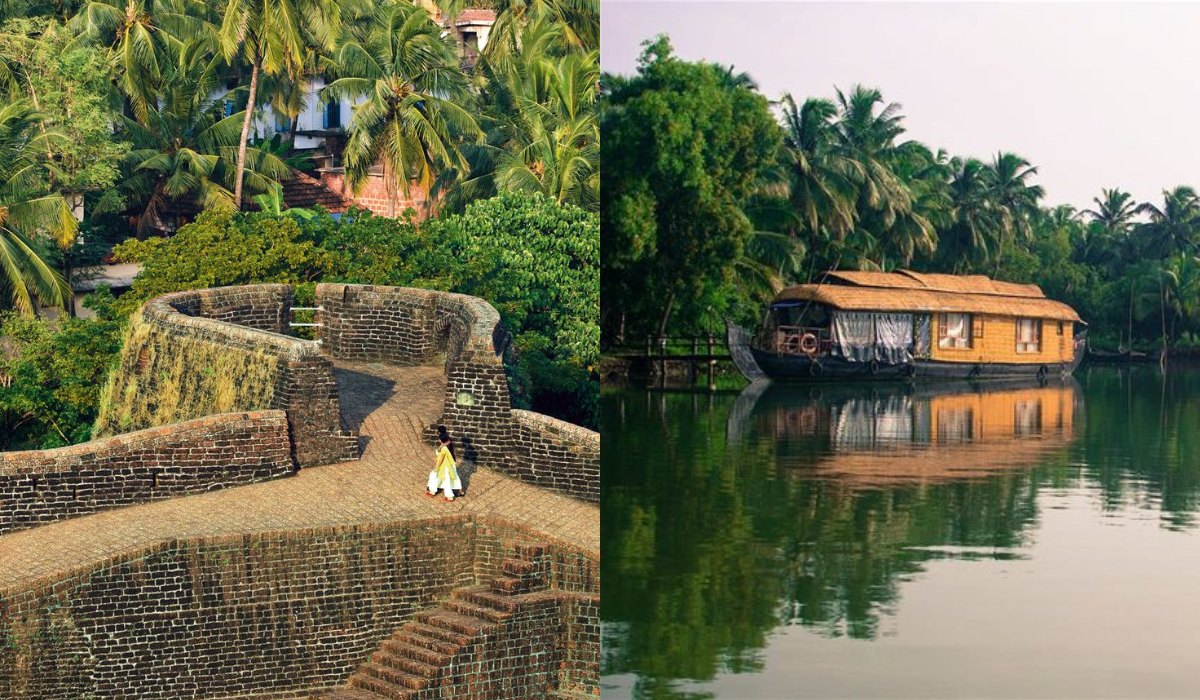
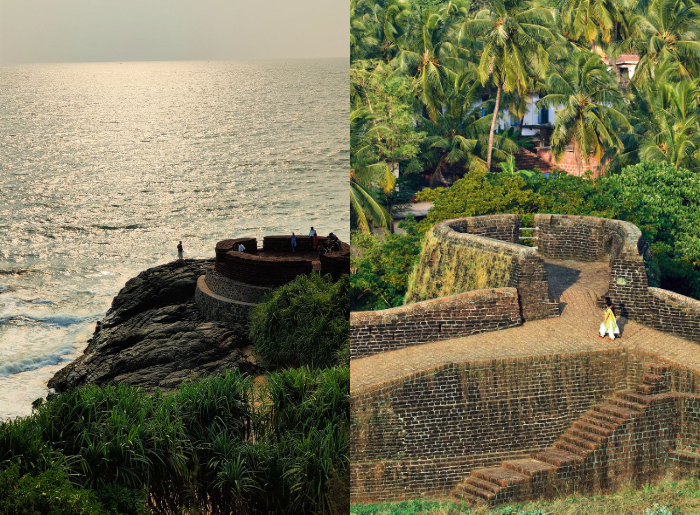
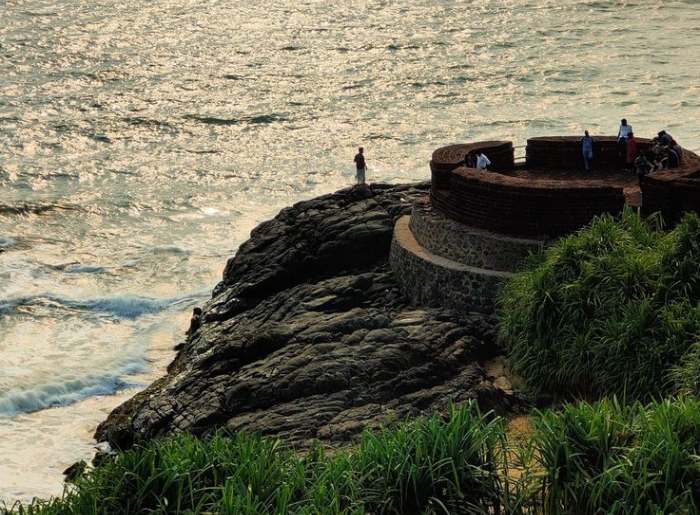
Bekal Fort is the most recognizable landmark in Kasaragod and one of the finest coastal forts in Kerala. Standing on a rocky headland overlooking the Arabian Sea, the fort is known for its laterite walls, observation towers, underground passages, and wide coastal views.
Walking through the fort gives visitors a sense of its former military importance. The elevated pathways offer excellent views of the sea, especially during the late afternoon. Bekal Beach lies close by, making it easy to combine history, photography, and a seaside walk in one visit. As the largest and best-preserved fort in Kerala, Bekal remains an essential stop for first-time visitors.
2. Ananthapura Lake Temple
Ananthapura Lake Temple is one of the most distinctive spiritual sites in Kerala. Located in the middle of a freshwater lake near Kumbla, it is the only lake temple in the state. A narrow stone bridge connects the temple to the shore, creating a beautiful setting surrounded by water and greenery.
Local tradition holds that the temple is the original seat of Lord Ananthapadmanabha, the deity worshipped at the famous Padmanabhaswamy Temple in Thiruvananthapuram. Even for visitors who are not traveling for religious reasons, the peaceful atmosphere and unusual architecture make this one of the most memorable places to visit in Kasaragod.
3. Ranipuram
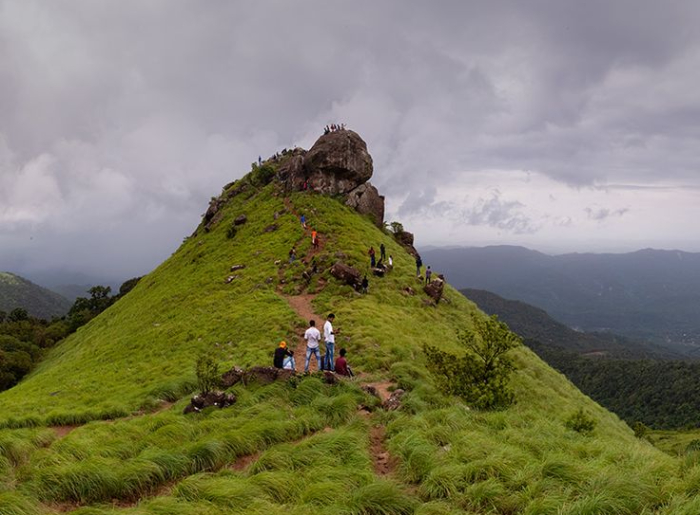
Ranipuram is one of Kasaragod’s best destinations for trekking and nature-based travel. Located about 48 kilometers east of Kanhangad, the hill station rises approximately 780 meters above sea level and features rolling grasslands, forest trails, rocky viewpoints, and cool weather.
The trek takes visitors through changing landscapes, including wooded sections and open hills with expansive views. Ranipuram is especially appealing during the cooler months, when the trails are comfortable and visibility is clearer. Travelers who enjoy hiking, birdwatching, landscape photography, or quiet mountain surroundings should keep at least half a day for the visit.
4. Valiyaparamba Backwaters
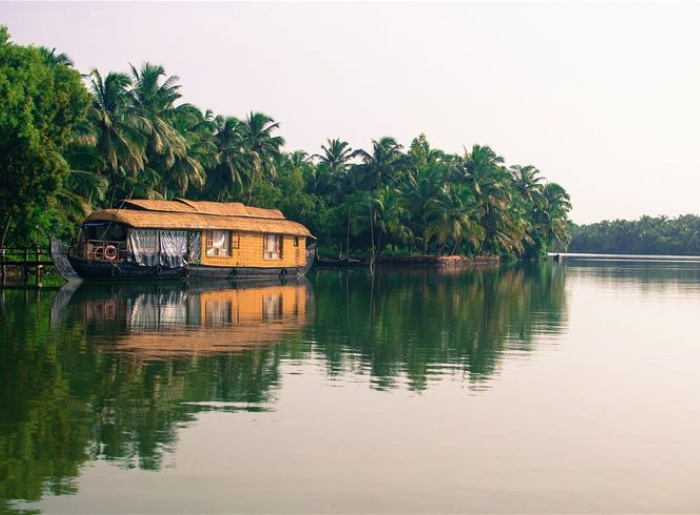
Valiyaparamba offers a slower and more peaceful experience than most of Kerala’s backwater destinations. Located southwest of Cheruvathur, the area is formed by a network of islands, rivers, lagoons, and narrow waterways separated from the mainland.
Renting a houseboat or canoe ride is the best way to explore the region. Along the route, visitors can see fishing villages, coconut groves, small settlements, and everyday life unfolding beside the water. The calm surroundings also make Valiyaparamba ideal for couples, families, photographers, and anyone looking for a quiet break from packed sightseeing schedules.
5. Chandragiri Fort
Chandragiri Fort stands on the southern bank of the Chandragiri River, about three kilometers from Kasaragod town. The 17th-century fort is believed to have been built by Sivappa Nayak of Bednore as part of a chain of defensive structures across the region.
Although the fort is smaller and less imposing than Bekal, its hilltop location makes it worth visiting. From the grounds, travelers can enjoy views of the river, bridge, surrounding greenery, and distant coastline. The nearby boat club adds another reason to spend time in the area, particularly around sunset when the riverfront is at its most scenic.
6. Madhur Temple
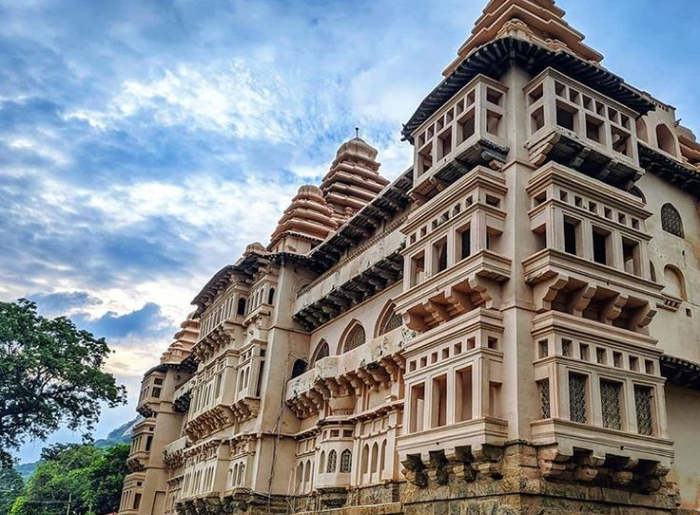
Madhur Temple, located around eight kilometers northeast of Kasaragod town, is admired for both its spiritual significance and detailed architecture. The temple is dedicated to Lord Anantheswara, although Maha Ganapathi is the most prominent deity worshipped here.
Its copper-plated roof, gabled structure, wooden carvings, and riverside setting give the temple a striking appearance. The carvings inside depict episodes from Hindu epics, including scenes from the Ramayana. A local legend also connects the temple to Tipu Sultan, who is believed to have changed his mind about damaging the structure after drinking water from the temple well.
7. Kottancheri Hills
Kottancheri Hills is a rewarding destination for travelers who prefer forests and trekking routes over conventional sightseeing. Located near Konnakkad, northeast of Kanhangad, the region is known for its evergreen forests, green slopes, streams, and rich biodiversity.
The surrounding landscape is well suited to hiking, birdwatching, camping, and nature photography. Since the terrain can become slippery during heavy rain, visitors should wear suitable footwear and avoid exploring unfamiliar trails without local guidance. The hills are a strong choice for travelers looking to experience Kasaragod beyond its beaches and forts.
8. Malik Deenar Mosque
Located in Thalangara, the Malik Deenar Mosque is one of Kasaragod’s most important religious and historical landmarks. It is believed to be associated with Malik Ibn Dinar, who played an important role in the early spread of Islam along India’s western coast.
The mosque contains the grave of Malik Ibn Mohammed, a descendant of Malik Ibn Dinar, and remains a major pilgrimage site. Its annual Uroos celebration attracts visitors from different parts of India. The mosque also reflects the district’s long history of maritime exchange, religious diversity, and cultural coexistence. Visitors should dress respectfully and observe local customs while entering the premises.
9. Hosdurg Fort And Nityananda Caves
Hosdurg Fort is known for its large round bastions and its association with the Ikkeri dynasty. Built by Somashekara Nayak, the fort once formed part of the defensive network that shaped the political history of northern Kerala.
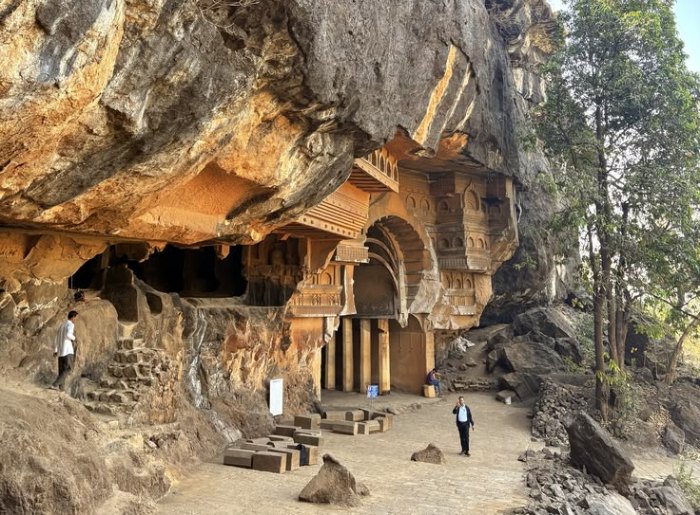
Close to the fort is Nityanandasramam, founded by Swami Nityananda. One of its most unusual features is a group of 45 caves carved into a mountain slope for meditation. The ashram also includes a temple inspired by the architectural style of Gujarat’s Somnath Temple and a large panchaloha statue of Swami Nityananda. Together, the fort and caves combine history, spirituality, and architecture in a single visit.
10. Kanwatheertha Beach
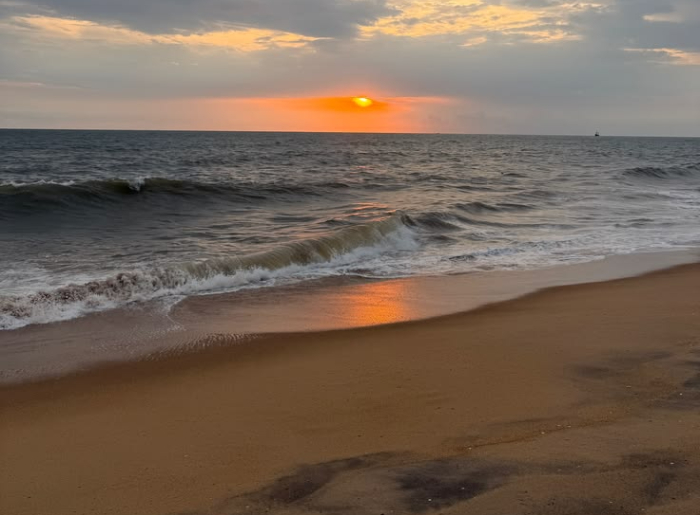
Kanwatheertha Beach lies near Manjeshwar in northern Kasaragod. The beach stretches for approximately four kilometers and is known for a natural seawater formation that resembles a large swimming pool beside the shore.
Compared with Kerala’s more commercial beaches, Kanwatheertha feels open and relatively undisturbed. Visitors can walk along the sand, relax near the water, take photographs, or stay until sunset. Sea conditions can vary, so travelers should remain cautious and avoid entering the water when currents are strong.
Cultural Experiences In Kasaragod
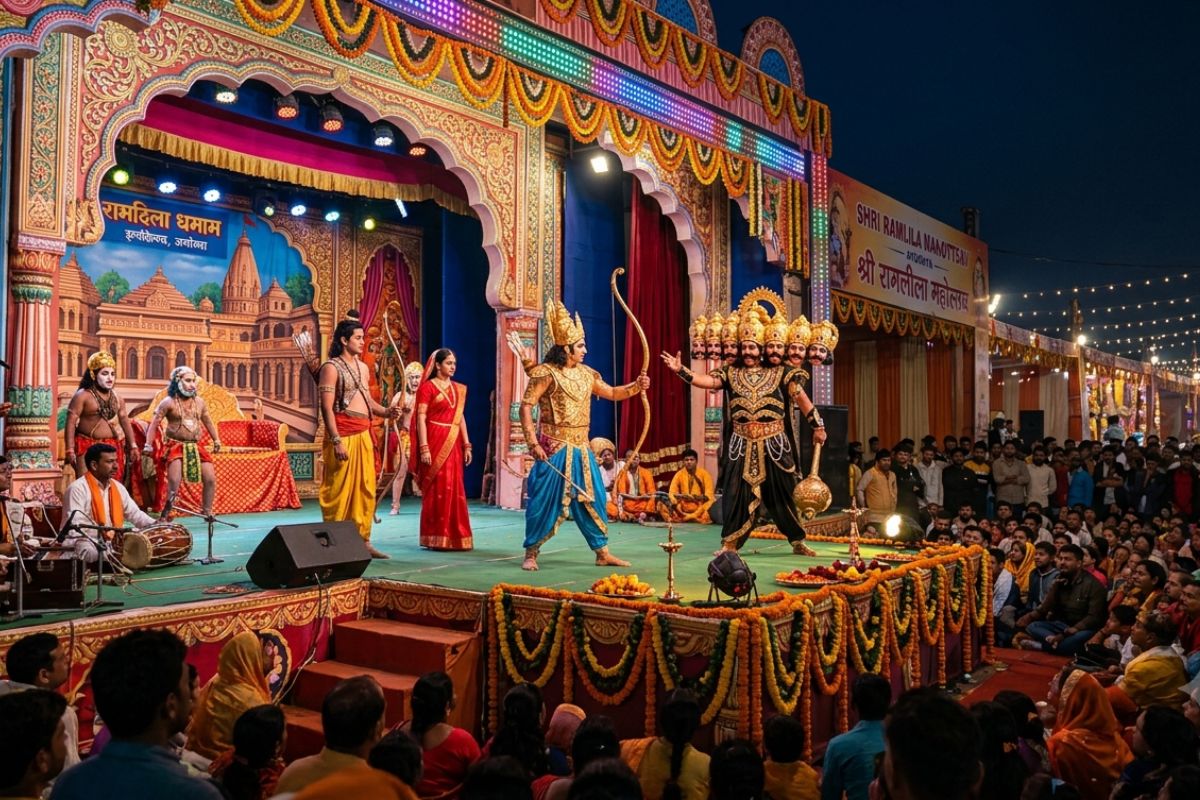
Kasaragod’s culture is shaped by its multilingual communities, temple traditions, folk performances, and regional festivals. Theyyam is one of the district’s most powerful cultural experiences. Performed in temple courtyards and village shrines, it combines elaborate costumes, dramatic face paint, percussion, ritual movement, and local belief.
Yakshagana is another major tradition, using live music, expressive acting, and colorful costumes to present stories from Indian epics. Kasaragod is also one of the few places where Yakshagana Bombeyatta, a form of puppet theater using hand-carved wooden figures, continues to survive. Travelers visiting during festival periods may also encounter Poorakkali, Thidambu Dance, or local temple celebrations.
Best Time To Visit Kasaragod
- October to March: The best time to visit Kasaragod, with comfortable weather for fort visits, trekking, beach walks, and outdoor sightseeing.
- June to September: The monsoon brings heavy rainfall and turns the district lush and green. It is ideal for scenic drives and nature-focused travel, though trekking and boating may depend on weather conditions.
- Festival Season: Planning a trip during Onam, Vishu, or the Theyyam season offers a closer look at Kasaragod’s cultural traditions.
Summing Up
Kasaragod is one of the best travel destinations in Kerala; you can walk along the walls of Bekal Fort, trek through the hills of Ranipuram, cruise across Valiyaparamba, visit centuries-old places of worship, and end the day beside a quiet beach. What makes the destination special is not only its attractions, but also the cultural life surrounding them. Its languages, food, festivals, ritual arts, and coastal traditions give every journey greater depth. For travelers hoping to discover a less crowded and more locally rooted side of Kerala, Kasaragod is well worth the trip.