
For centuries, the first rains have marked the beginning of a season closely linked to agriculture, spirituality, and pilgrimage. Rivers overflow, temple tanks fill, forests turn lush, and ancient shrines welcome devotees seeking blessings during nature’s annual renewal. Many of India’s oldest temples stand beside rivers, springs, lakes, and other natural water sources. Water has always held both spiritual and practical importance. Devotees performed ritual baths before worship, while temple communities relied on nearby water for daily life. Pilgrimage routes also developed around these sacred landscapes. Today, this relationship becomes even more striking during the monsoon, when rain transforms these temples into some of India’s most beautiful pilgrimage destinations.
Why Ancient Temples Were Built Around Water
Across India, rivers have always been more than natural waterways. Hindu tradition reveres the Ganga, Yamuna, Godavari, and Narmada as sacred mothers whose waters symbolize purity, renewal, and divine grace. Pilgrims traditionally bathed in these rivers before entering a temple, believing the ritual prepared both the body and mind for worship.
Temple complexes often served as community centers where pilgrims gathered, festivals took place, and travelers found shelter. Rivers supplied drinking water, supported agriculture, and encouraged settlements to grow around these sacred sites. Over time, many of these settlements developed into major pilgrimage destinations that continue to attract millions of devotees.
Ancient architects also recognized the importance of water in temple design. Vastu Shastra recommends placing water bodies near sacred spaces to promote harmony and positive energy. Together, these spiritual beliefs and practical considerations explain why so many of India’s most revered temples continue to stand beside rivers, temple tanks, and sacred lakes.
Why The Monsoon Makes Temple Visits Even More Special
These temples welcome devotees throughout the year, but the monsoon offers a completely different experience. Rivers flow with renewed energy, temple tanks fill, and hillsides turn green almost overnight. The cooler weather also makes long journeys and temple visits more comfortable than during the summer months. Many traditions associate rain with renewal, abundance, and divine blessings. As the first showers wash over the landscape, they symbolize a fresh beginning for both nature and the devotee. The sound of temple bells, devotional chants, flowing rivers, and falling rain creates a peaceful atmosphere that makes monsoon one of the most rewarding seasons for a pilgrimage.
Also Read: Fascinating Monsoon Rituals Still Practiced In Indian Villages
Sacred Temples That Shine During The Monsoon
1. Shri Trimbakeshwar Temple, Maharashtra
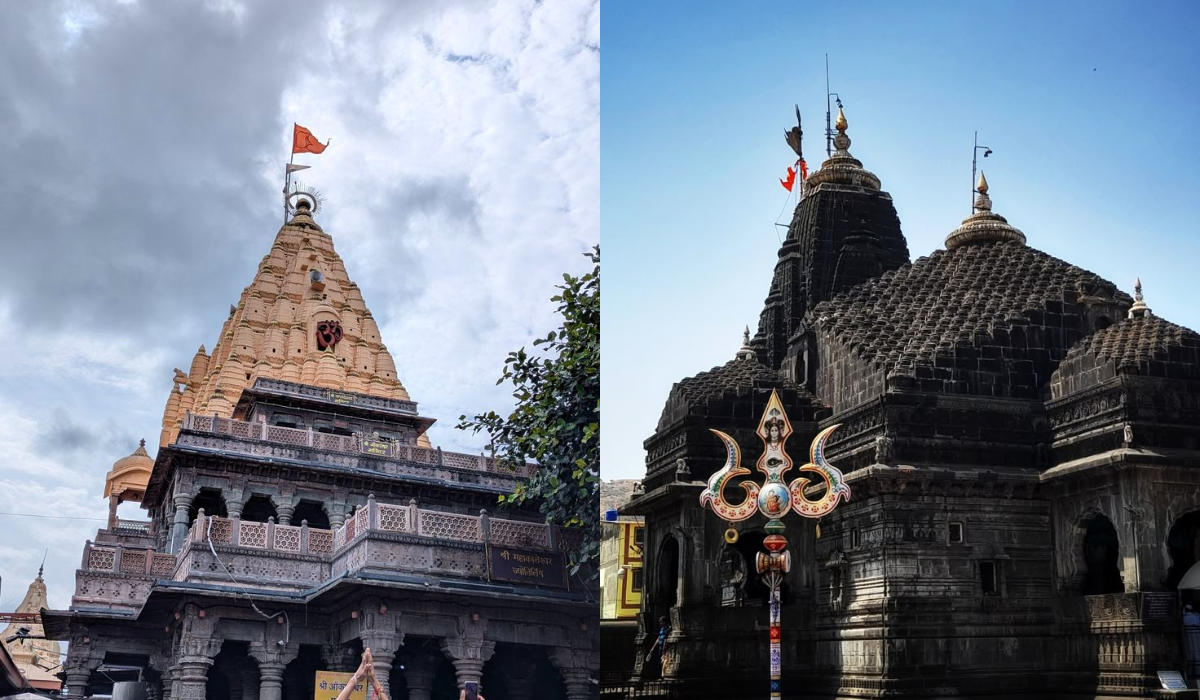
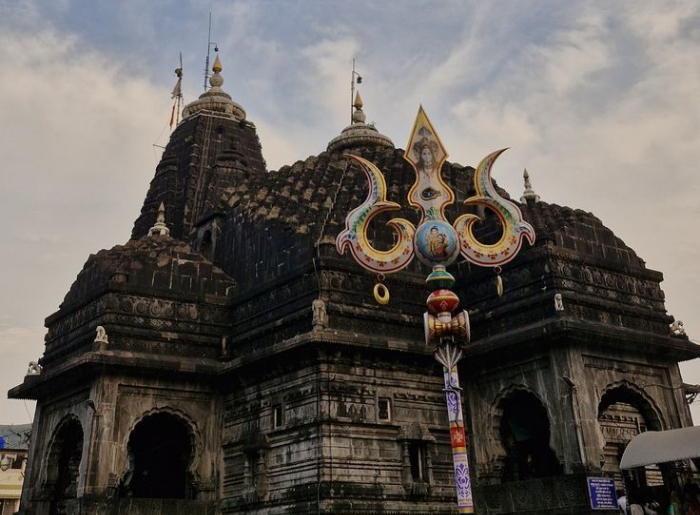
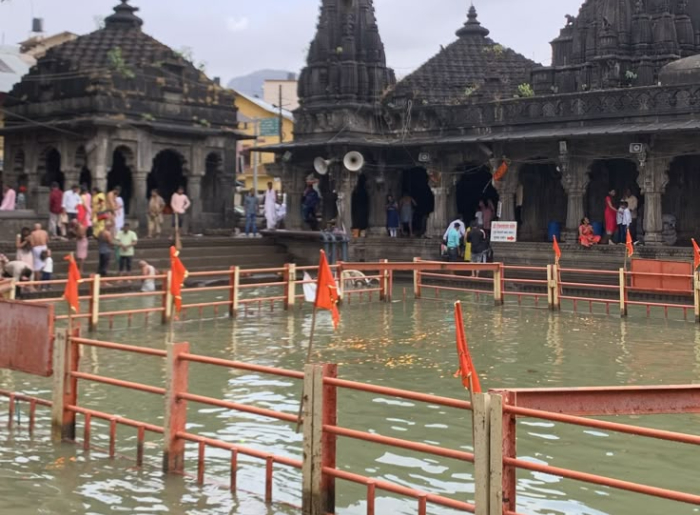
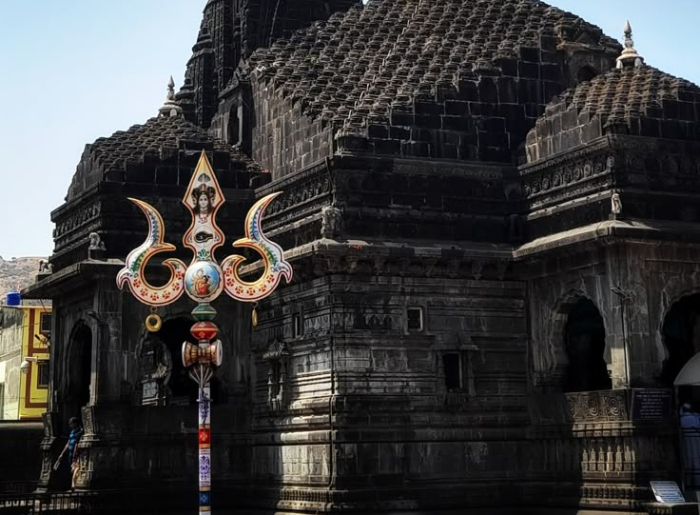
One of the twelve revered Jyotirlingas of Lord Shiva, Shri Trimbakeshwar Temple sits at the foothills of Brahmagiri, where the sacred Godavari River originates. Water has always been central to the temple’s spiritual significance, with pilgrims traditionally taking a holy dip before offering prayers. During the monsoon, the surrounding hills are draped in mist and greenery, seasonal streams begin flowing, and the Godavari’s source comes alive after the first rains. The entire landscape feels inseparable from the temple’s spiritual identity, making this one of the most immersive monsoon pilgrimages in western India.
2. Mahakaleshwar Temple, Madhya Pradesh
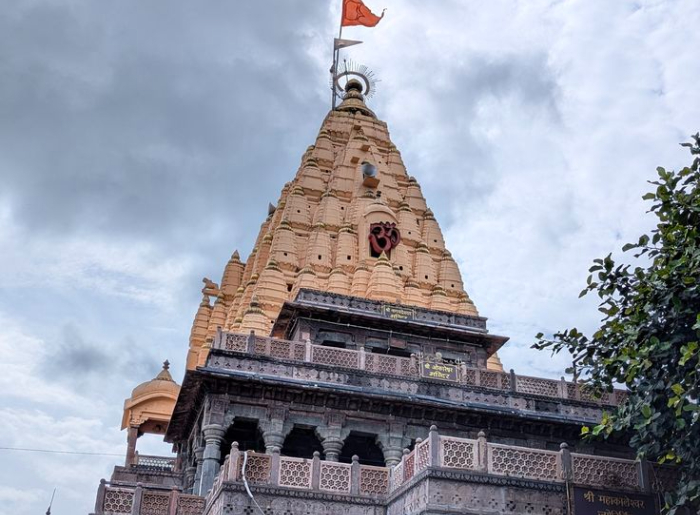
The Mahakaleshwar Temple in Ujjain is one of India’s most important Shiva shrines and the only south-facing Jyotirlinga, a feature that holds deep religious significance. While the temple draws devotees throughout the year for its famous Bhasma Aarti, the monsoon adds another dimension to the experience. Rain refreshes the ancient city, the ghats along the Shipra River become more vibrant, and the cooler weather allows pilgrims to comfortably explore Ujjain’s centuries-old temples and sacred sites. For many devotees, visiting Mahakaleshwar during the rainy season feels like experiencing one of Hinduism’s oldest pilgrimage cities at its most serene.
3. Jagannath Temple, Puri
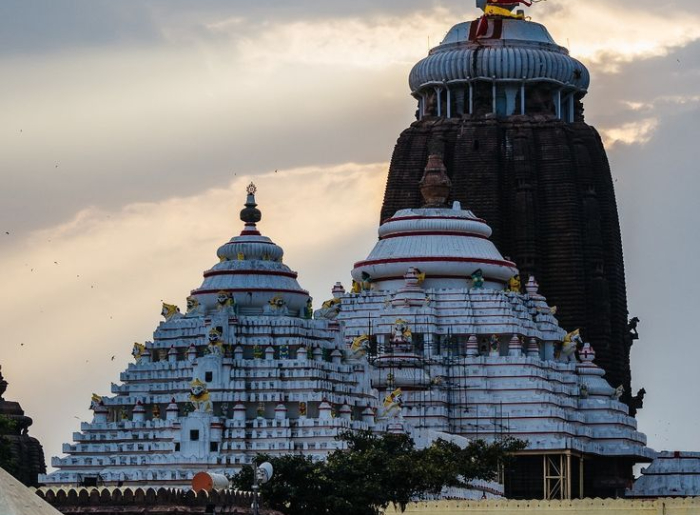
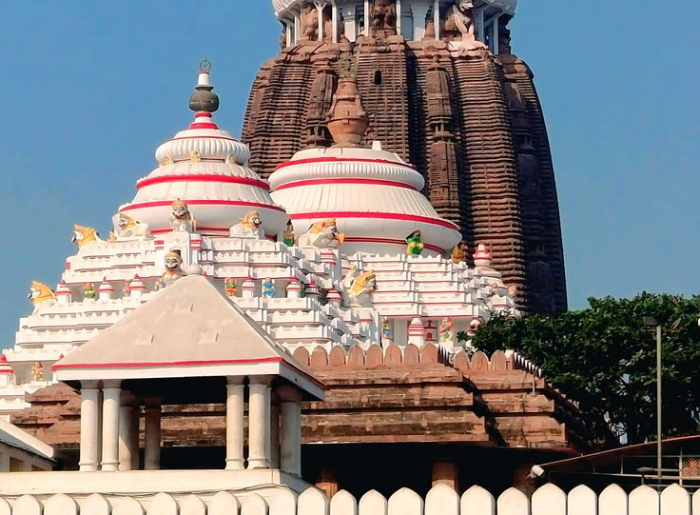
Few temples capture the spirit of the monsoon quite like the Jagannath Temple in Puri. Every year, the arrival of the rainy season coincides with the world-famous Rath Yatra, when Lord Jagannath, Lord Balabhadra, and Goddess Subhadra leave the sanctum and travel through the streets in towering wooden chariots. The festival transforms Puri into one of the largest pilgrimage gatherings in the world, drawing millions of devotees. More than just a religious celebration, Rath Yatra reflects centuries-old traditions that continue to define India’s monsoon pilgrimage culture.
4. Kukke Subramanya Temple, Karnataka
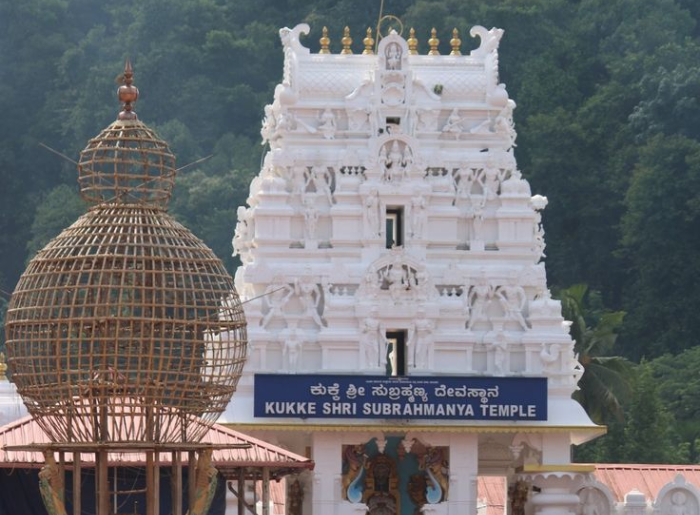
Tucked away in the lush Western Ghats, Kukke Subramanya Temple becomes especially enchanting once the monsoon arrives. Dense forests, mist-covered hills, and the fast-flowing Kumaradhara River surround the temple, creating a setting that feels untouched by time. Dedicated to Lord Subramanya, the temple is best known for rituals associated with serpent worship, attracting devotees seeking relief from Sarpa Dosha. Combined with the dramatic beauty of Karnataka’s rain-soaked landscape, the pilgrimage offers both spiritual significance and an unforgettable journey through one of India’s richest ecological regions.
5. Mariamman Temple, Ooty
Dedicated to Goddess Mariamman, the deity traditionally associated with rain, fertility, and protection, the Mariamman Temple in Ooty reflects the deep connection between faith and the rhythms of nature. Farming communities have worshipped the goddess for generations, praying for timely rainfall, healthy crops, and prosperity during the monsoon season. As showers transform the Nilgiri Hills into a vibrant green landscape, the temple’s setting reinforces the very beliefs it represents. Visiting during the rains offers not only a spiritual experience but also an opportunity to understand how seasonal cycles have shaped local traditions and worship for centuries.
How The Monsoon Shaped India’s Spiritual Traditions
The relationship between rain and spirituality extends far beyond temple architecture. Ancient Vedic texts include hymns dedicated to deities such as Varuna and Parjanya, who were invoked for timely rainfall and prosperous harvests. Festivals including Teej and Onam continue to celebrate the arrival of the rains, highlighting the season’s importance in both religious and cultural life.
Monsoon also influenced the practices of Buddhist monks. During the rainy months, traveling became difficult, leading to the tradition of Vassa, a three-month retreat during which monks remained in one place for study and meditation. Several ancient rock-cut monasteries across western India stand as reminders of this seasonal practice. Literature has celebrated the monsoon as well, most famously in Kalidasa’s Meghadutam, which uses rain-bearing clouds as messengers across the Indian landscape. These traditions demonstrate that the monsoon has always inspired devotion, reflection, and pilgrimage across multiple faiths.
Planning A Monsoon Pilgrimage
- Check the weather forecast before your trip.
- Carry a raincoat or umbrella.
- Wear waterproof footwear with good grip.
- Pack extra clothes and waterproof bags.
- Confirm temple timings before visiting.
- Book accommodations in advance.
- Follow local weather and safety advisories.
- Respect temple customs and dress codes.
Summing Up
India’s ancient temples were never built in isolation from their surroundings. Rivers, lakes, forests, and hills were considered sacred partners in worship, providing both the practical resources needed for thriving pilgrimage centers and the spiritual symbolism that continues to inspire devotees today. During the monsoon, this timeless relationship becomes especially visible as rivers swell, landscapes flourish, and centuries-old traditions unfold against a backdrop of rain and greenery.
Whether you choose to witness the Ganga Aarti in Haridwar, visit the Jyotirlinga at Trimbakeshwar, experience the Rath Yatra in Puri, or seek blessings at the Mariamman Temple, a monsoon temple pilgrimage offers far more than a temple visit. It provides an opportunity to experience the enduring connection between India’s spiritual heritage and the natural world that has sustained it for generations.