
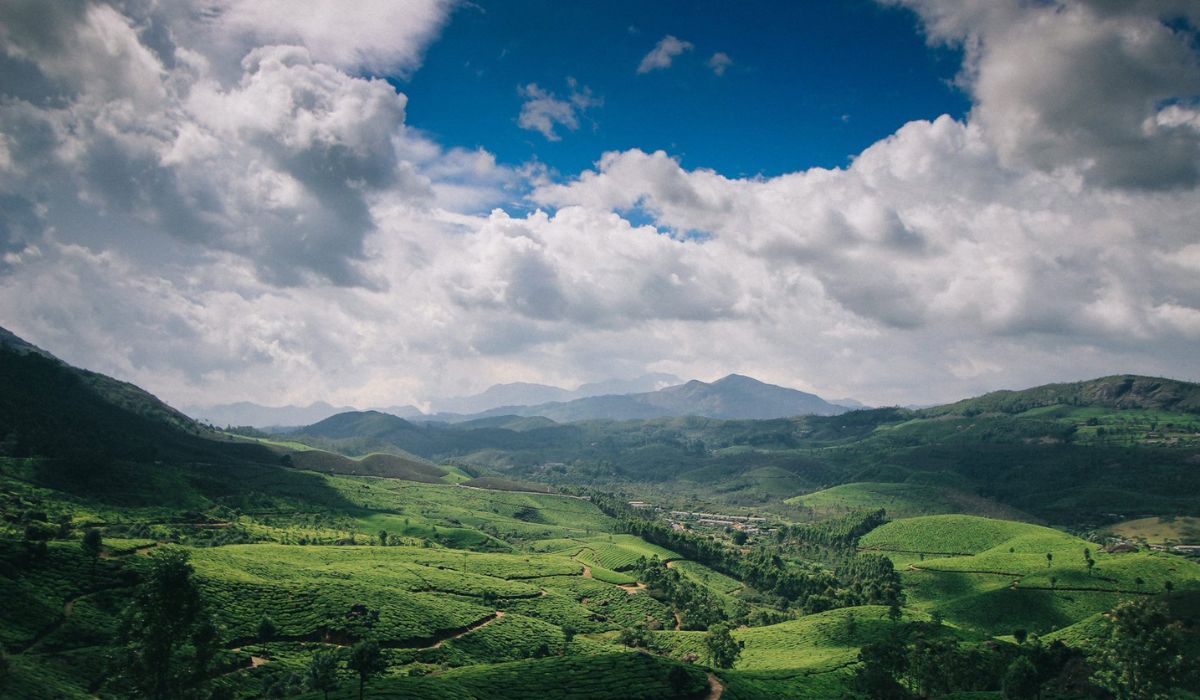
Nestled in the Idukki district of Kerala, Munnar is one of South India’s most celebrated hill stations. It is perched at an elevation of approximately 1,600 meters (5,200 feet) above sea level. Once a summer retreat for British administrators, the town has now evolved into a year-round destination. Visitors can explore working tea estates, spot the endangered Nilgiri tahr in Eravikulam National Park, enjoy panoramic viewpoints overlooking the Western Ghats, or simply unwind amid the tranquil mountain scenery. This comprehensive unstumbled guide covers the best attractions, the ideal seasons to visit, plantation experiences, accommodation options, practical travel logistics, and a suggested three-day itinerary to help you plan a memorable trip to Munnar.
Munnar Tea Estates
History of the Kannan Devan Hills
Tea cultivation transformed Munnar during the late nineteenth century when British planters established commercial plantations across the Kannan Devan Hills. The region’s cool climate, high altitude, and fertile mountain slopes proved ideal for growing quality tea.
Over time, extensive estates were developed, laying the foundation for Munnar’s economy and identity. Today, much of the plantation landscape is managed by Kanan Devan Hills Plantations Company (KDHP). It operates under a unique employee-participation model after the restructuring of Tata Tea’s plantation business. The tea industry continues to be one of the region’s largest employers while preserving Munnar’s iconic landscape.
Top Tea Experiences In Munnar
1. KDHP Tea Museum
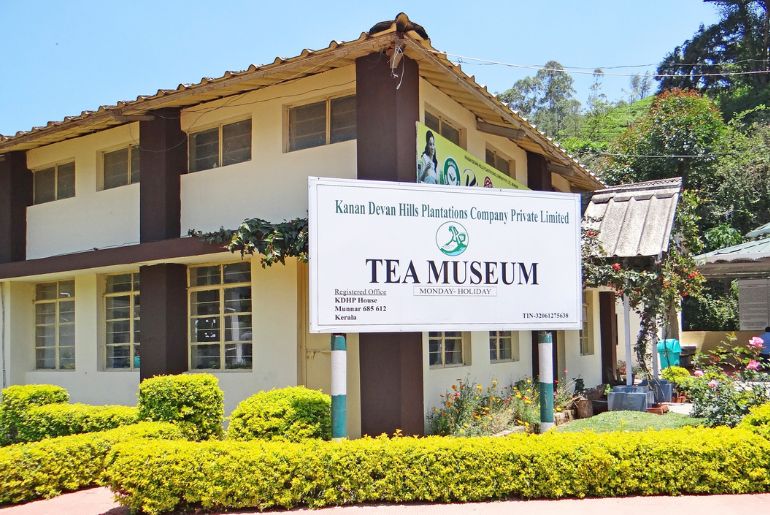
The KDHP Tea Museum provides visitors with an engaging introduction to the history of tea cultivation in Munnar. Exhibits include vintage machinery used during the early years of production, archival photographs, and informative displays explaining the evolution of tea manufacturing. Visitors can also observe portions of the tea-making process and participate in fresh tea tasting sessions featuring locally produced varieties.
2. Sunrise Plantation Walks
One of the most rewarding experiences in Munnar is an early morning plantation walk. As daylight gradually lifts the mist from the hills, visitors can stroll along estate trails overlooking endless tea gardens. Guided walks often provide insights into tea cultivation, harvesting techniques, and the daily work carried out by estate workers while offering excellent photography opportunities.
3. Boutique Estate Bungalow Stays
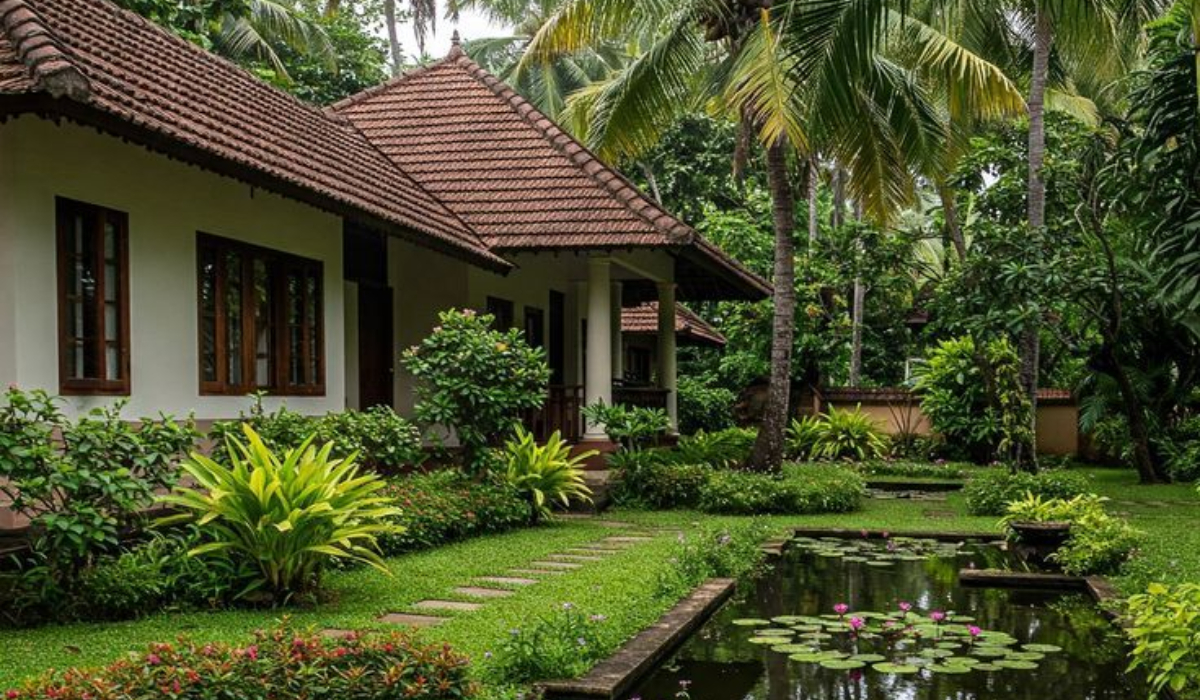
Several restored colonial-era estate bungalows have been converted into boutique accommodations overlooking private tea gardens. These heritage properties combine traditional architecture with modern comforts, offering guests a peaceful retreat surrounded by scenic plantations. Many also organise guided estate walks, tea tastings, and locally inspired dining experiences.
Top Attractions To Visit In Munnar
1. Wildlife And High Peaks
No trip to Munnar is complete without visiting Eravikulam National Park, one of Kerala’s premier protected areas. The park is famous for conserving the endangered Nilgiri Tahr, a mountain ungulate found only in the Western Ghats. Visitors can enjoy well-maintained viewpoints, rolling grasslands, and spectacular mountain scenery.
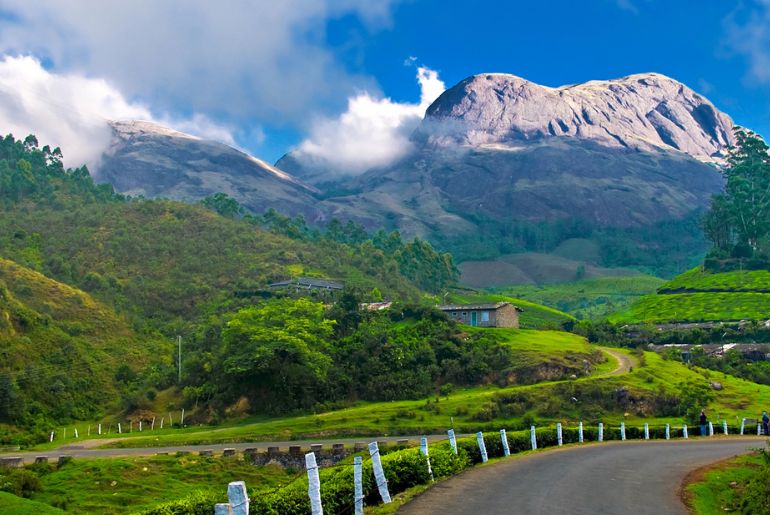
Within the park lies Anamudi Peak, rising to 2,695 meters, making it the highest mountain in South India. While trekking to the summit is generally restricted to protect the fragile ecosystem, the surrounding viewpoints offer excellent views of the massif.
Morning visits provide the best chances of spotting wildlife and enjoying clear skies.
2. Scenic Viewpoints And Lakes
Mattupetty Dam is among Munnar’s most popular recreational spots. The reservoir, surrounded by forests and tea gardens, offers pedal boating and speedboat rides. Wildlife, including elephants, may occasionally be seen in nearby forested areas, although sightings cannot be guaranteed.
Nearby Kundala Lake is known for its peaceful setting and scenic mountain backdrop. The lake is especially picturesque during the flowering season of cherry blossoms and surrounding vegetation.
Further uphill, Echo Point delights visitors with its natural echo phenomenon, while Top Station, located near the Kerala–Tamil Nadu border, rewards travelers with sweeping panoramic views across the Western Ghats and neighboring Tamil Nadu on clear days.
3. Cascading Waterfalls
The road network around Munnar passes several attractive waterfalls. Attukad Waterfalls, located between Munnar and Pallivasal, are surrounded by dense forests and rolling hills, making them a favorite for photography and short nature walks. Lakkam Waterfalls, situated near Eravikulam National Park, cascade through rocky terrain and forested landscapes. The surrounding area is particularly beautiful after the monsoon when water flow is at its strongest, although visitors should exercise caution on slippery trails.
Best Time To Visit Munnar
Munnar welcomes visitors throughout the year, but each season offers a different experience.
October to February is widely considered the best time to visit. Daytime temperatures generally range between 10°C and 22°C, making conditions ideal for sightseeing, tea estate walks, wildlife viewing, and photography. This is also the busiest tourist season, so advance accommodation bookings are recommended.
March to May brings warmer afternoons while mornings and evenings remain pleasant. With comparatively fewer crowds, this period suits travelers looking for more affordable stays without compromising on outdoor activities.
June to September marks the southwest monsoon. Frequent rainfall transforms Munnar into a lush green paradise with mist-covered hills and spectacular waterfalls. Although some outdoor activities may be affected by heavy rain, the season offers attractive hotel discounts and dramatic landscapes. Travelers should remain flexible, as weather conditions can occasionally disrupt sightseeing.
Perfect Munnar 3-Day Itinerary
Day 1: Tea Heritage And Local Culture
Begin with a visit to the KDHP Tea Museum to understand Munnar’s tea legacy. Continue to the nearby Rose Garden before spending the evening exploring Munnar’s local market, where you can shop for tea, spices, handmade chocolates, and souvenirs.
Day 2: High Altitudes And Wildlife
Start early with a visit to Eravikulam National Park for wildlife viewing and mountain scenery. Later, head to Mattupetty Dam for boating before continuing to Echo Point, where the surrounding hills create its famous natural echo.
Day 3: Waterfalls And Panoramic Views
Visit Attukad Waterfalls in the morning before driving to Top Station for panoramic views across the Western Ghats. Return to Munnar town and spend time shopping for locally grown cardamom, pepper, cinnamon, and premium tea before departure.
Tips For Travelers
- Hiring a private taxi remains the most convenient way to explore Munnar. Full-day local sightseeing typically costs around INR 1,500 to INR 2,500, depending on the itinerary and vehicle type.
- Scooter rentals are also available for experienced riders, although the region’s winding mountain roads require careful driving.
- Pack light woollens if traveling between October and February, comfortable walking shoes for plantation trails and national parks, and waterproof clothing during the monsoon season.
- While in Munnar, don’t miss authentic Kerala Sadya, crispy Pazham Pori (banana fritters) served with fresh local tea, and locally produced cardamom-based snacks and chocolates that make excellent souvenirs.
Also Read: Best Time To Visit Munnar And How To Plan Your Trip
Summing Up
Munnar remains one of Kerala’s most rewarding hill destinations, combining scenic tea plantations, rich biodiversity, and cool mountain weather in the heart of the Western Ghats. Whether you’re interested in exploring the historic tea estates of the Kannan Devan Hills, spotting the endangered Nilgiri Tahr at Eravikulam National Park, visiting panoramic viewpoints such as Top Station, or relaxing amid mist-covered landscapes, Munnar offers experiences for every type of traveler. Planning your visit according to the season and allowing at least three days will help you cover the region’s major attractions at a comfortable pace. With its blend of nature, heritage, and local cuisine, Munnar continues to be a favorite destination for families, couples, wildlife enthusiasts, and road trippers visiting Kerala.