
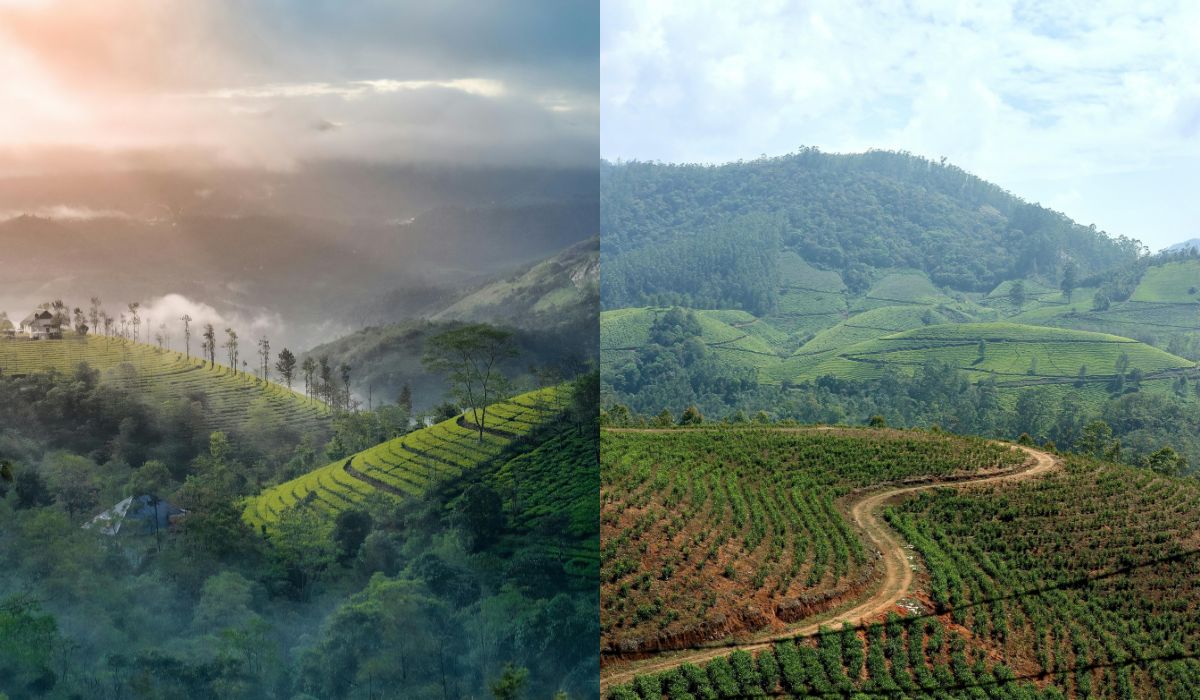
Nestled at around 1,600 meters above sea level in Kerala’s Western Ghats, Munnar is one of South India’s most popular hill stations. The region is known for its rolling tea plantations, cool mountain climate, scenic valleys, waterfalls, and rich biodiversity. It is also associated with the famous Neelakurinji flower, which blooms approximately once every 12 years across select grasslands, although blooms are not an annual attraction. The experience you have in Munnar depends greatly on when you visit. Winter offers crisp mountain views and cool mornings, summer provides a welcome escape from the heat across much of India, while the monsoon transforms the landscape into a vibrant green paradise with overflowing waterfalls.
This unstumbled guide covers the best season to visit Munnar, a detailed month-by-month weather overview, a practical itinerary, transport information, accommodation budgets, and essential packing advice for travelers.
When Should You Visit Munnar?
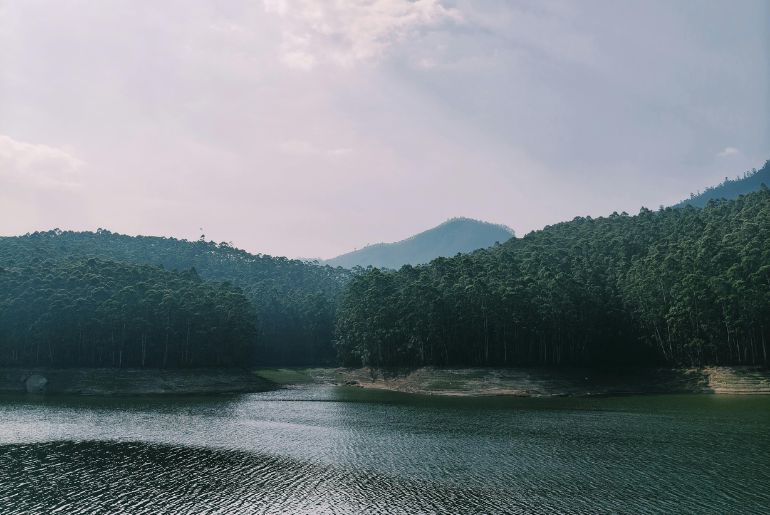
- Best Overall Weather And Sightseeing: October to February (Winter or Peak Season)
- Best For Families And Escaping Summer Heat: March to May (Summer)
- Best For Budget Travelers, Couples And Lush Greenery: August to September (Post-Monsoon)
- Season To Avoid For Active Outdoor Treks: June to July (Peak Southwest Monsoon due to heavy rain and landslide risks)
What Is The Best Time To Visit Munnar: Season-By-Season Breakdown
Winter Season (October To February): The Peak Experience
Winter is widely regarded as the best time to experience Munnar. Cool temperatures, mist-covered tea estates, and generally pleasant daytime weather create ideal conditions for sightseeing.
Temperature: 10°C to 20°C (drops below 10°C in December/January).
The Vibe: Crisp air, mist-covered valleys, sunny afternoons, and frosty mornings.
Pros: Ideal for tea garden walks, trekking Anamudi/Eravikulam National Park, camping, and honeymooners.
Cons: Peak room tariffs, crowded tourist spots, and early hotel sell-outs.
Summer Season (March To May): The Refreshing Escape
Although afternoons can become warm, Munnar remains noticeably cooler than many cities across southern and central India during summer. The mornings and evenings are generally comfortable, making this a good season for families and road trips.
Temperature: 19°C to 35°C.
The Vibe: Pleasant evenings, clear blue skies, blooming flora, and warm afternoons.
Pros: Great escape from pan-Indian heat waves; smooth road travel; comfortable for family and group sightseeing.
Cons: Higher afternoon temperatures compared to winter; tea estates look less misty.
Monsoon Season (June to September): The Romantic Solitude
The southwest monsoon transforms Munnar into one of Kerala’s greenest landscapes. Tea gardens become exceptionally vibrant, waterfalls flow at full strength, and fog frequently blankets the hills.
Temperature: 18°C to 22°C.
The Vibe: Drenched tea leaves, roaring waterfalls, heavy fog, and quiet mountain silence.
Pros: Massive off-season discounts on luxury resorts (up to 40% off), ideal for Ayurvedic wellness therapies and photography.
Cons: Heavy downpours in June–July can disrupt outdoor sightseeing, cause slippery roads, and pose landslide warnings.
Here’s an at-a-glance breakdown of Munnar weather by the month:
| Month | Avg Temp Range | Rainfall Level | Highlights And Key Tourist Activities |
| Jan to Feb | 10°C to 18°C | Low | Chilly weather, wildlife spotting at Eravikulam, clear photography |
| Mar to May | 19°C to 32°C | Low to Moderate | Sightseeing, tea factory visits, trekking, boat rides at Mattupetty |
| Jun to Jul | 16°C to 22°C | Heavy | Waterfall viewing, indoor spa retreats, budget stay deals |
| Aug to Sep | 17°C to 24°C | Moderate | Post-monsoon lush green vistas, tea plantation photography |
| Oct to Dec | 12°C to 20°C | Low | Peak holiday season, camping, stargazing, campfire evenings |
How To Plan The A Munnar Itinerary
1. First Day: Tea Estates, Lakes And High Points
Cover the classic Mattupetty and Top Station route.
- Morning: Walk through Pothamedu View Point and visit the Kannandevan Tea Museum and Lockhart Factory.
- Afternoon: Drive past Mattupetty Dam and enjoy speedboating; stop at Echo Point.
- Evening: Head to Top Station or Kundala Lake for sunset views across the Western Ghats border.
2. Second Day: Wildlife, Peaks And Cultural Show
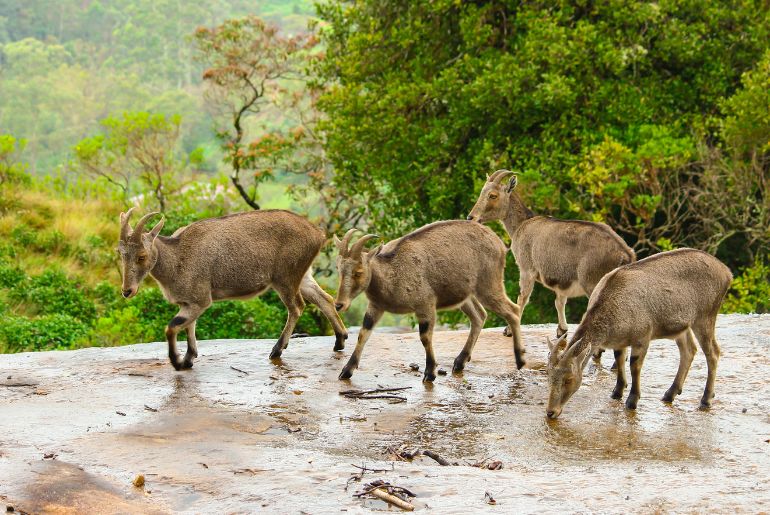
Explore native flora, fauna, and local culture.
- Morning: Early morning visit to Eravikulam National Park (Rajamalai) to spot the endangered Nilgiri Tahr.
- Afternoon: Visit Lakkam Waterfalls and take a plantation hike through sandalwood forests in Marayoor.
- Evening: Attend a live Kalaripayattu (Martial Arts) and Kathakali performance at Punarjani Traditional Village.
3. Third Day: Waterfalls, Spice Gardens, And Departure
Offbeat views, adventure, and local shopping.
- Morning: Hike to Anayirangal Dam or take an off-road Jeep Safari to Kolukkumalai (the world’s highest organic tea estate) for sunrise.
- Afternoon: Tour an authentic spice garden (cardamom, pepper, cinnamon) and shop for fresh spices, homemade chocolates, and artisanal tea in Munnar Town.
- Evening: Depart toward Cochin or Madurai.
How To Reach And Travel In Munnar
- By Air: Cochin International Airport (COK) is the nearest airport (around 110 km or a three- to four-hour scenic drive via NH85).
- By Train: Nearest major stations are Ernakulam Junction (ERS) or Ernakulam Town (ERN) (around 125 km) or Aluva (AWY) (around 110 km).
- Road Transit: Well-connected by Kerala SRTC buses, private cabs, and self-drive cars from Kochi, Madurai, and Coimbatore.
Local Commute Tip: Renting an auto/cab for full-day circuit tours is recommended as local bus frequencies between distant viewpoints can be sparse.
View this post on Instagram
How Much Will Munnar Stays Cost?
- Budget Stays (Homestays Or Guesthouses): INR 1,200 to INR 2,500 per night.
- Mid-Range Resorts And Plantation Bungalows: INR 3,500 to INR 7,500 per night.
- Luxury And Treehouse Resorts: INR 10,000 to INR 25,000+ per night.
What To Pack For Each Season?
Winter Travel
- Thermal innerwear
- Light jackets
- Woollen socks
- Lip balm
- Moisturizer
Monsoon Travel
- Quick-dry clothing
- Sturdy non-slip waterproof footwear
- Leech socks (if trekking)
- Umbrellas/rainponchos
General Essentials
- Motion sickness medication (for winding hairpin curves)
- Sunscreen
- Reusable water bottle
Also Read: 10 Hidden Places Near Munnar That Most Tourists Miss (Including 5 Beautiful Villages)
Summing Up
Munnar is a year-round destination, but the best time to visit depends on the kind of holiday you want. October to February offers cool weather, clear views, and ideal conditions for sightseeing, making it the most popular season. March to May is well suited for families and travellers looking to escape the summer heat in the plains, while August and September showcase lush post-monsoon landscapes with comparatively fewer crowds. If you plan to travel during June and July, be prepared for heavy rainfall, possible travel disruptions, and limited outdoor activities. Whether you’re exploring sprawling tea plantations, spotting wildlife, enjoying panoramic viewpoints, or simply relaxing amid the hills, planning your trip according to the season will help you make the most of your visit to Munnar.