

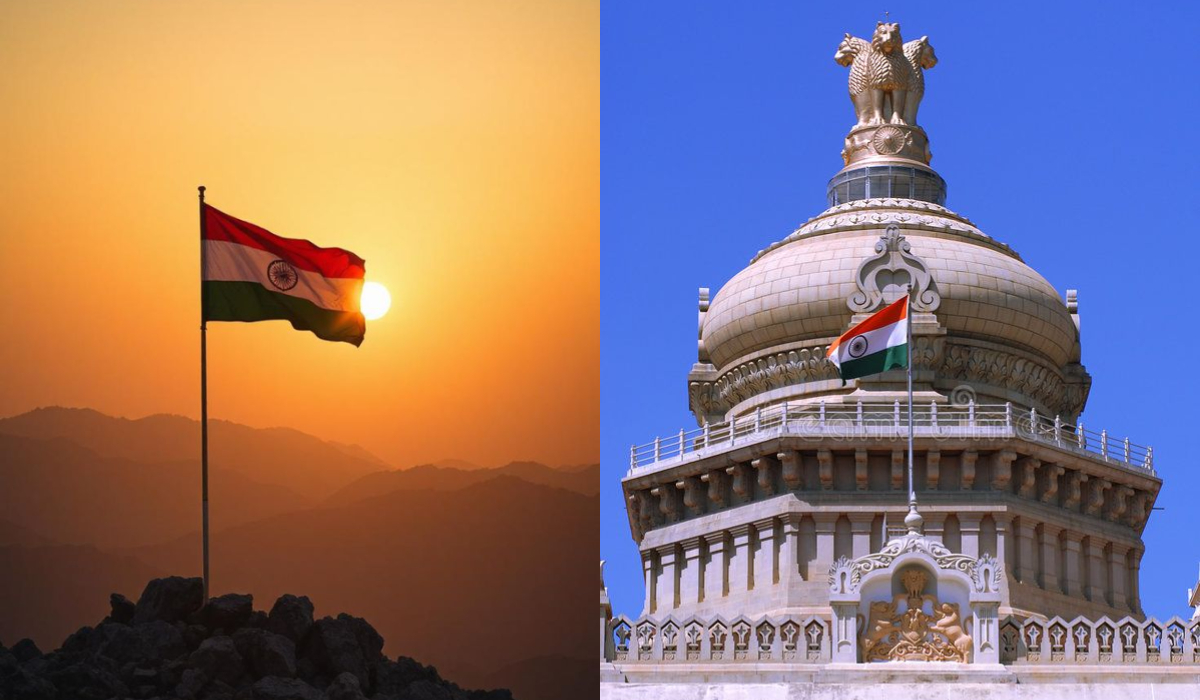
Every August 15, India celebrates Independence Day with flag-hoisting ceremonies, patriotic songs, and tributes to the countless people who fought for the nation’s freedom. While the celebrations take place across the country, some destinations hold a special place in India’s history. These landmarks witnessed defining moments, inspired revolutionary movements, and became symbols of resistance against British rule.
Today, they stand as more than historic attractions. They preserve powerful stories of courage, sacrifice, and resilience. From the quiet grounds of Jallianwala Bagh to the iconic Red Fort in Delhi, each site offers a deeper understanding of India’s journey to independence. More importantly, visiting these places lets you experience the events that helped shape the nation’s future and honor the people who made freedom possible.
Why These Places Matter Today
did not begin with a single event or depend on just a few leaders. It grew through decades of peaceful protests, revolutionary movements, civil disobedience campaigns, and countless sacrifices made across the country. Every region played an important role. As a result, each left behind landmarks that continue to preserve stories of courage, resilience, and determination.
Today, many of these sites serve as museums, memorials, and national monuments. They offer visitors a chance to experience history beyond textbooks. For example, you can stand where the Salt March ended, walk through a prison that once held freedom fighters, or explore a fort that witnessed the Revolt of 1857. Each destination brings India’s struggle for independence to life. More importantly, these places remind us of the immense sacrifices that made the nation’s freedom possible.
Also Read: Last-Minute Independence Day Escapes Within 5 Hours From Bangalore
1. Red Fort, Delhi
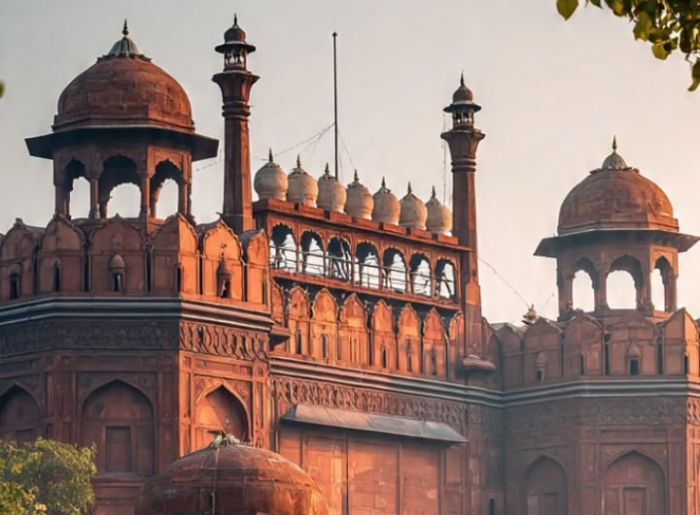
Few monuments symbolize independent India as strongly as the Red Fort. Built by Mughal emperor Shah Jahan in the 17th century, the fort became deeply intertwined with the country’s freedom movement during the final years of British rule. In 1945, it served as the venue for the famous Indian National Army (INA) trials, where officers of Subhas Chandra Bose’s army were prosecuted by the British. The trials sparked nationwide protests and strengthened public support for the independence movement.
Less than two years later, on August 15, 1947, Prime Minister Jawaharlal Nehru hoisted the Indian national flag from the Red Fort’s Lahori Gate after delivering his historic “Tryst with Destiny” speech. Since then, every Prime Minister has continued the tradition of addressing the nation from the same location on Independence Day.
Location: Delhi
2. Jallianwala Bagh, Amritsar
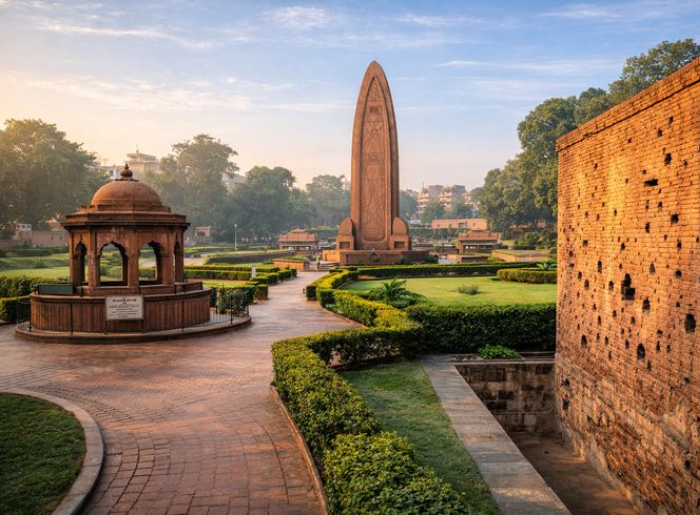
The Jallianwala Bagh Massacre remains one of the darkest chapters in India’s struggle for independence. On April 13, 1919, thousands of people had gathered peacefully inside the enclosed garden in Amritsar to celebrate Baisakhi and protest against the Rowlatt Act. Without warning, Brigadier General Reginald Dyer ordered British troops to open fire on the unarmed crowd, killing hundreds and injuring many more.
The tragedy shocked the nation and fundamentally changed public opinion about British rule. Leaders including Mahatma Gandhi intensified their campaigns against colonial rule, while Rabindranath Tagore renounced his British knighthood in protest. The massacre became a defining moment that strengthened India’s demand for complete independence.
Location: Golden Temple Rd, Jallan Wala Bagh, Katra Ahluwalia, Amritsar, Amritsar Cantt., Punjab 143006
3. Sabarmati Ashram, Ahmedabad
Located on the banks of the Sabarmati River, Sabarmati Ashram served as Mahatma Gandhi’s residence from 1917 to 1930 and became the center of several important campaigns that shaped India’s independence movement. From here, Gandhi promoted the ideals of nonviolence, self-reliance, and civil disobedience while encouraging Indians to embrace khadi and reject British-made goods.
The ashram is best remembered as the starting point of the historic Salt March on March 12, 1930. Gandhi and 78 followers began a 24-day, 390-kilometer walk from the ashram to Dandi, challenging the British monopoly on salt production. The march inspired millions across the country and marked the beginning of the Civil Disobedience Movement.
Location: Gandhi Smarak Sangrahalaya, Ashram Rd, Ahmedabad, Gujarat 380027
4. Dandi, Gujarat
Although the Salt March began at Sabarmati Ashram, it was at the coastal village of Dandi that one of the most symbolic acts of India’s freedom struggle took place. On April 6, 1930, after walking nearly 390 kilometers, Mahatma Gandhi picked up a handful of natural salt from the seashore, openly defying the British Salt Law that prohibited Indians from producing their own salt.
This simple act quickly evolved into a nationwide movement. Thousands of Indians began making salt, refusing to pay colonial taxes, and participating in acts of peaceful civil disobedience. The campaign drew international attention and demonstrated the power of nonviolent resistance against British rule.
Today, the National Salt Satyagraha Memorial commemorates the movement through sculptures, interactive exhibits, and beautifully landscaped grounds overlooking the Arabian Sea.
Location: Navsari District, Gujarat
5. August Kranti Maidan, Mumbai
Formerly known as Gowalia Tank Maidan, this historic ground in Mumbai became the birthplace of the Quit India Movement. On August 8, 1942, the All India Congress Committee gathered here under the leadership of Mahatma Gandhi and adopted the Quit India Resolution, demanding an immediate end to British rule.
During his address, Gandhi delivered the now legendary “Do or Die” call, urging Indians to continue the struggle through peaceful resistance until independence was achieved. Within hours, many national leaders were arrested, but the movement spread rapidly across the country, becoming one of the largest mass protests of the freedom struggle.
Today, the ground is officially known as August Kranti Maidan and features memorials commemorating the events of 1942. It remains an important landmark for visitors interested in understanding the final phase of India’s independence movement.
Location: Jer Mansion, 70 B, August Kranti Rd, Gowalia Tank, Tardeo, Mumbai, Maharashtra 400026
6. Jhansi Fort, Uttar Pradesh
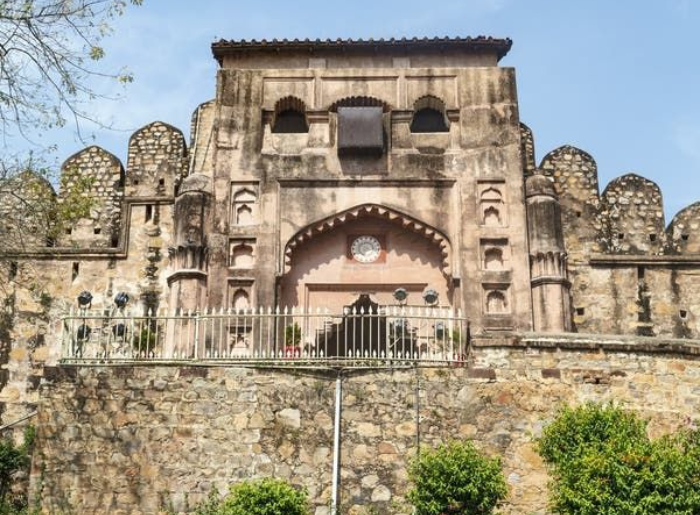
Standing atop Bangira Hill, Jhansi Fort is one of India’s most enduring symbols of courage and resistance. During the Revolt of 1857, Rani Lakshmibai defended the fort against British forces with remarkable determination after refusing to surrender her kingdom. Her leadership and bravery transformed Jhansi into one of the most important centers of the uprising, earning her a permanent place in India’s history.
Today, visitors can explore the massive fortifications, ancient temples, museums, and viewpoints that overlook the city. The fort continues to attract history enthusiasts who wish to learn more about one of the earliest and most influential chapters of India’s fight against colonial rule.
Location: Jhokan Bagh, Jhansi, Uttar Pradesh 284001
7. Barrackpore, West Bengal
Barrackpore holds a unique place in India’s freedom movement as the site where Mangal Pandey challenged British authority in 1857. Serving as a soldier in the British East India Company’s army, Pandey attacked British officers after protesting the use of rifle cartridges rumored to be greased with cow and pig fat. His actions are widely regarded as one of the sparks that ignited the Revolt of 1857, often referred to as India’s First War of Independence.
Location: Barrackpore, West Bengal
8. Champaran, Bihar
Champaran was where Mahatma Gandhi successfully led his first Satyagraha in India in 1917. British planters had long forced farmers in the region to cultivate indigo under unfair conditions, burdening them with exploitation and poverty. Responding to their grievances, Gandhi organized a peaceful movement that eventually compelled the colonial administration to address the farmers’ demands.
The success of the Champaran Satyagraha marked the beginning of Gandhi’s leadership in India’s freedom struggle and demonstrated the effectiveness of nonviolent resistance. Today, visitors can explore museums, memorials, and historical sites associated with this landmark movement.
Location: West Champaran, Bihar
9. Cellular Jail, Andaman And Nicobar Islands
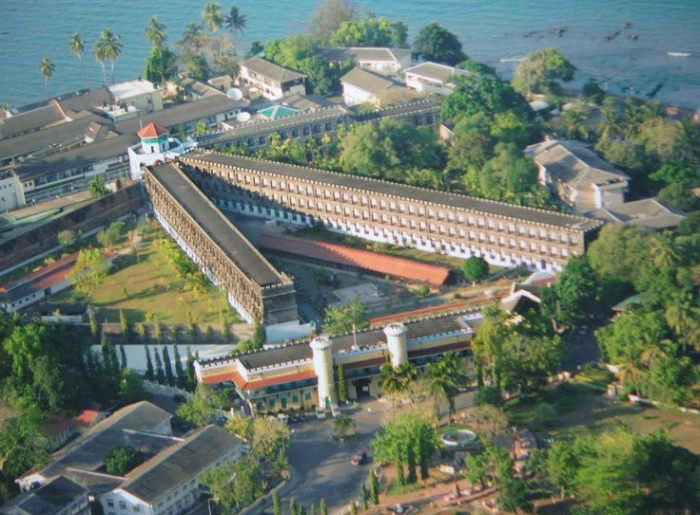
Few places capture the sacrifices made during India’s freedom struggle as powerfully as the Cellular Jail in Port Blair. Constructed by the British between 1896 and 1906, the prison was designed to isolate political prisoners from the mainland. Hundreds of freedom fighters were imprisoned here under extremely harsh conditions, including Vinayak Damodar Savarkar, Batukeshwar Dutt, and many other revolutionaries.
Known as Kala Pani, the prison became synonymous with unimaginable hardship and resilience. Today, the preserved jail houses galleries, museums, and a moving light and sound show that recounts the stories of those who endured imprisonment in the pursuit of independence.
Location: Atlanta Point, Sri Vijaya Puram, Andaman and Nicobar Islands 744104
10. Kakori, Uttar Pradesh
The small town of Kakori became part of India’s revolutionary history on August 9, 1925, when members of the Hindustan Republican Association carried out the famous Kakori Train Action. Led by revolutionaries including Ram Prasad Bismil, Ashfaqulla Khan, Rajendra Lahiri, and Chandrashekhar Azad, the group stopped a train carrying British government funds and seized the treasury to support the independence movement.
Although many participants were later arrested and executed or imprisoned, the incident inspired a new generation of revolutionaries and strengthened the armed struggle against British rule. Today, Kakori stands as a reminder of the courage and sacrifice of India’s revolutionary heroes.
Location: Kakori, Uttar Pradesh
How To Plan A Freedom Trail Across India
If you’re exploring North India, start with Delhi, Amritsar, Jhansi, and Kakori. Together, these destinations offer an excellent introduction to India’s freedom movement. Meanwhile, Western India is home to Sabarmati Ashram, Dandi, and August Kranti Maidan. These are the places where several of Mahatma Gandhi’s most influential campaigns took shape. In Eastern India, Barrackpore and Champaran showcase the early chapters of the independence movement. If you can travel farther, visit the Cellular Jail in Port Blair. It offers one of the country’s most powerful and moving historical experiences. Additionally, planning your trip around Independence Day or Republic Day lets you experience special exhibitions, cultural programs, and commemorative ceremonies at many of these historic sites.
Summing Up
India’s freedom was achieved through decades of sacrifice, determination, and unwavering resilience. The places that witnessed these defining moments continue to preserve the stories of the people who shaped the nation’s destiny. Whether it was the peaceful resistance of the Salt March, the bravery displayed during the Revolt of 1857, or the sacrifices made inside the Cellular Jail, each destination offers a unique perspective on India’s journey to independence. This Independence Day, consider visiting these historic landmarks not only to honor the nation’s past but also to gain a deeper appreciation of the courage and perseverance that secured India’s freedom.

One Response