
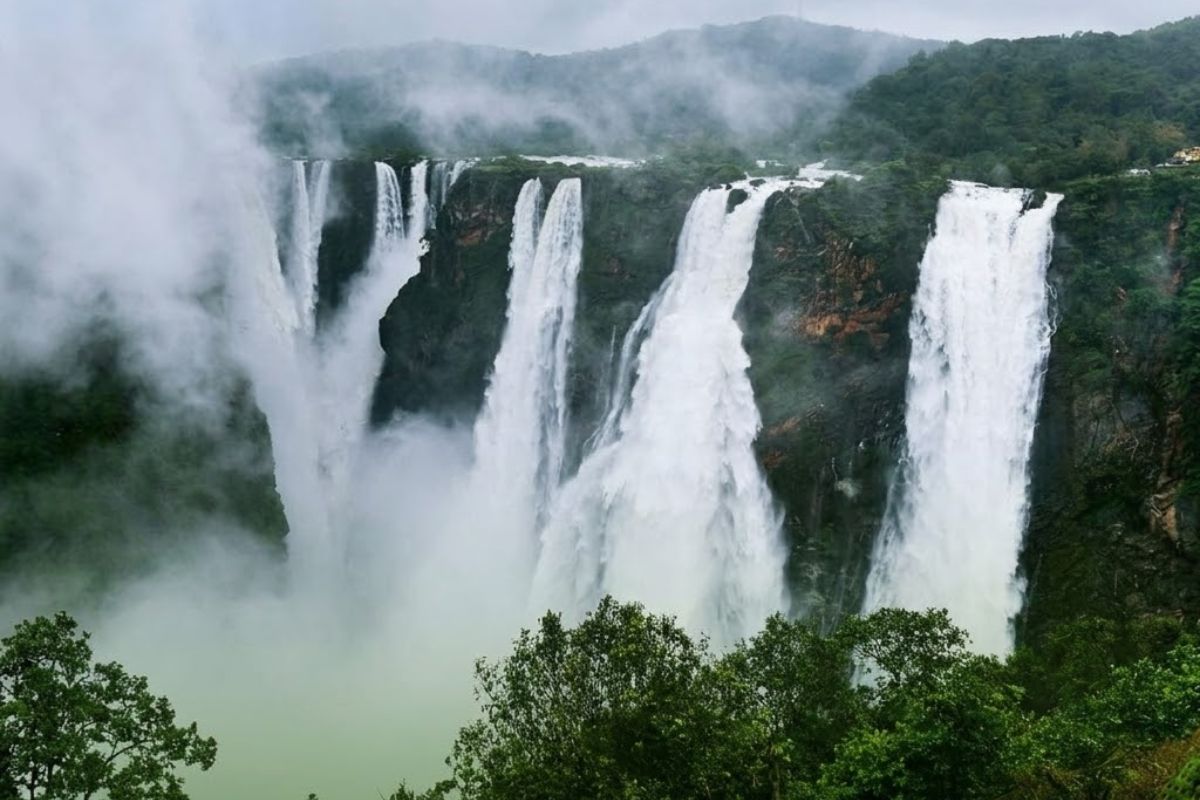
Tucked away deep within the lush, dense folds of the Western Ghats lies a natural spectacle that has captivated not only locals but poets, adventurers, painters, and travelers for generations: Jog Falls. It is India’s second-highest plunge waterfall and showcases the raw, unbridled power of nature during the monsoon season. It can be visited throughout the year, but the unbelievable transformation that it goes through when the skies open up is worth witnessing. And if you wish to witness this beauty right when this cascade is at its absolute peak, here is a comprehensive guide on the best time to see Jog Falls in Karnataka during monsoon.
Jog Falls, Karnataka
Jog Falls, also known as Gerusoppa Falls or Joga Jalapata or Jugada Gundi, drops down from a height of 830 feet or 253 meters. Unlike segmented cascades that fall in various directions, this waterfall is a direct plunge waterfall dropping from such a great height. It is located in Karnataka’s Shivmogga district and is fed by the Sharavathi River, which originates at Ambuthirtha in the Western Ghats of Karnataka.
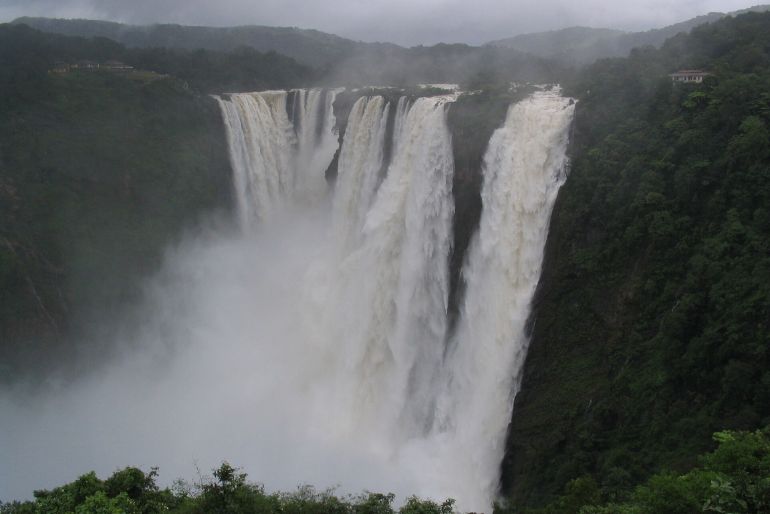
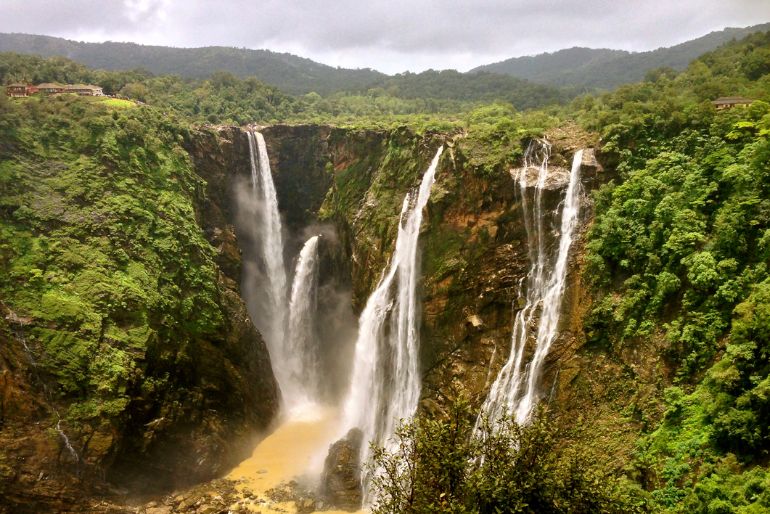
Another uniqueness of this waterfall is that it falls in four distinct streams, each possessing a personality as per its name. Raja, Roarer, Rocket, and Rani.
Raja (The King)
Raja is the most dignified and grandest of all the four. As the name suggests, this stream of water plunges straight, unbroken, just like a strong, tall vertical sheet down into the deep abyss.
Roarer (The Thunderer)
This stream whips out from a massive rocky crevice and looks violent in nature. The stream, in its full force, crashes into the violent boulder field halfway down. This creates a large echoing sound, which has given it its name. It is the noisiest of all the other streams here.
Rocket
Known for its speed, Rocket blasts through narrow openings and explodes into a lively spray of silver jets, just like fireworks.
Rani (The Queen)
True to its name, the Rani stream slides gracefully over the cliffside in a winding and fluid sequence of beautiful silky ribbons. It constantly shifts with the breeze.
Jog Falls Best Time To Visit In Monsoon
Jog Falls in monsoon is a breathtaking spectacle that helps you witness this second-highest plunge waterfall running in its full roaring glory. The monsoon season in the Western Ghats of Karnataka typically spans from June to September. The waterfall’s volume is highly dynamic and depends on the water management strategy at the nearby Linganamakki Dam and the volume of seasonal precipitation. To see the waterfall in its full roar, you must target a very specific window.
June: Early Monsoon
The South-West monsoon typically visits the coastal Karnataka during the first week of June. The streams grow steadier but do not achieve much volume. It is the best time to witness the waterfall with less tourist crowd, but you will not get to see the singular monolithic roar at this time.
July To August: The Prime Window
If you wish to experience the falls at their most thunderous and visually breathtaking best, July to August is surely the window to opt for. July and August actually represent the absolute best time to visit Jog Falls. The region experiences heavy and even relentless rainfall during mid-July, which fills the catchment areas completely. The authorities then open the floodgates of the Lingamakki Dam.
Visiting during this peak window means being lucky enough to witness the classic postcard view of this epic white curtain of mist and the roar of the waterfall that can mute every other conversation around it. What adds to this beauty is the fact that the landscape also turns lush green, making the whole view look perfect and dreamy.
September: Late Monsoon
As the monsoon begins its gradual retreat in the month of September, the non-stop downpours now transform into refreshing intermittent showers. The skies clear up, and the visibility becomes better. The volume of the water remains substantial while the surrounding forests look super green. This time is perfect for photographers who look for a backdrop to be free from dense fog with enough volume of water for clear photos.
Also Read: How To Reach Jog Falls From Bangalore: A Complete Travel Guide
Tips To Remember While Visiting Jog Falls, Karnataka
If you are planning a trip to witness the roaring Jog Falls during monsoon, preparation is everything. Check out the following tips to make sure that your trip is smooth, safe, and unforgettable.
- During peak monsoon, the view becomes completely invisible because of the heavy fog and low-hanging clouds through the gorge. So do not panic or leave in disappointment if you see only mist around you. The winds in the Western Ghats are known for their rapid shift, so find a sheltered spot, wait for 10 to 15 minutes, and you might get to see how the clouds move away to reveal the waterfalls. So patience is the key!
- The viewing decks around Jog Falls experience driving rains with heavy winds. Your standard umbrellas might flip instantly. So it is better to bring in some high-grade waterproof ponchos or rain gear.
- Make sure you carry dry bags to protect your camera and electronic devices.
- Wear footwear that has a strong rubber grip as the viewing platforms, walkways, and stone steps become slick with moss, algae, and constant rainfall.
- The famous staircase with 1,400 steps that takes you to the plunge pool at the bottom is closed during peak monsoon. Local authorities strictly close this area as there is a risk of sudden flash floods, and it also becomes dangerously slippery.
- If you venture into the surrounding green area, there are changes that you might have to face hematophagous leeches. Carry a bottle of eucalyptus oil or a small bottle of salt water to safely deter them.
Summing Up
Hence, July and August are the best times to visit India’s second-largest waterfall, Jog Falls. So make sure, if you plan to visit it, read this article and prepare well for what to do and what to avoid.
Also, if you wish to know about the legends behind India’s waterfalls or Waterfalls near Agumbe, you can check our website.