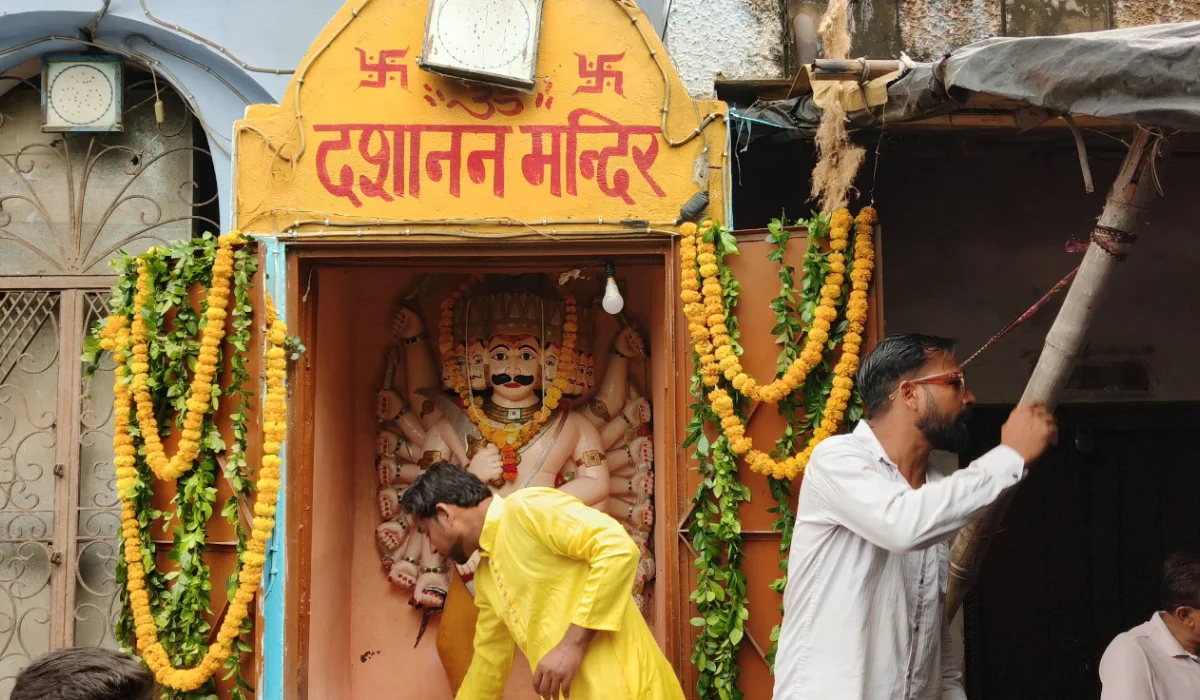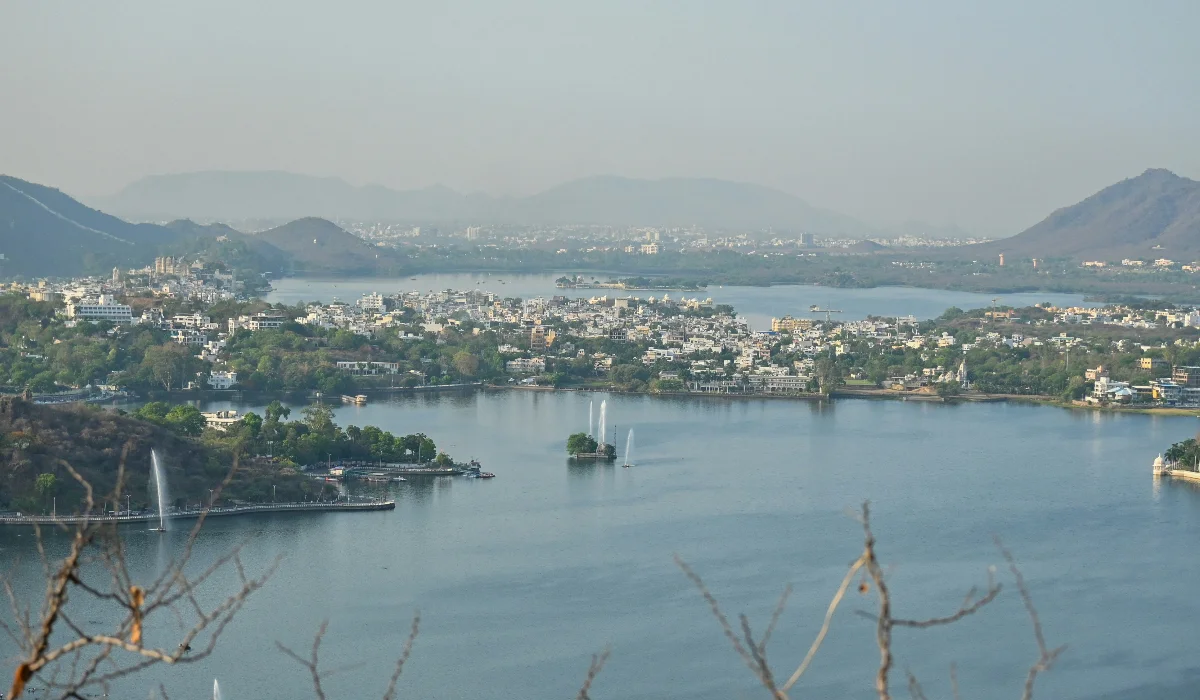

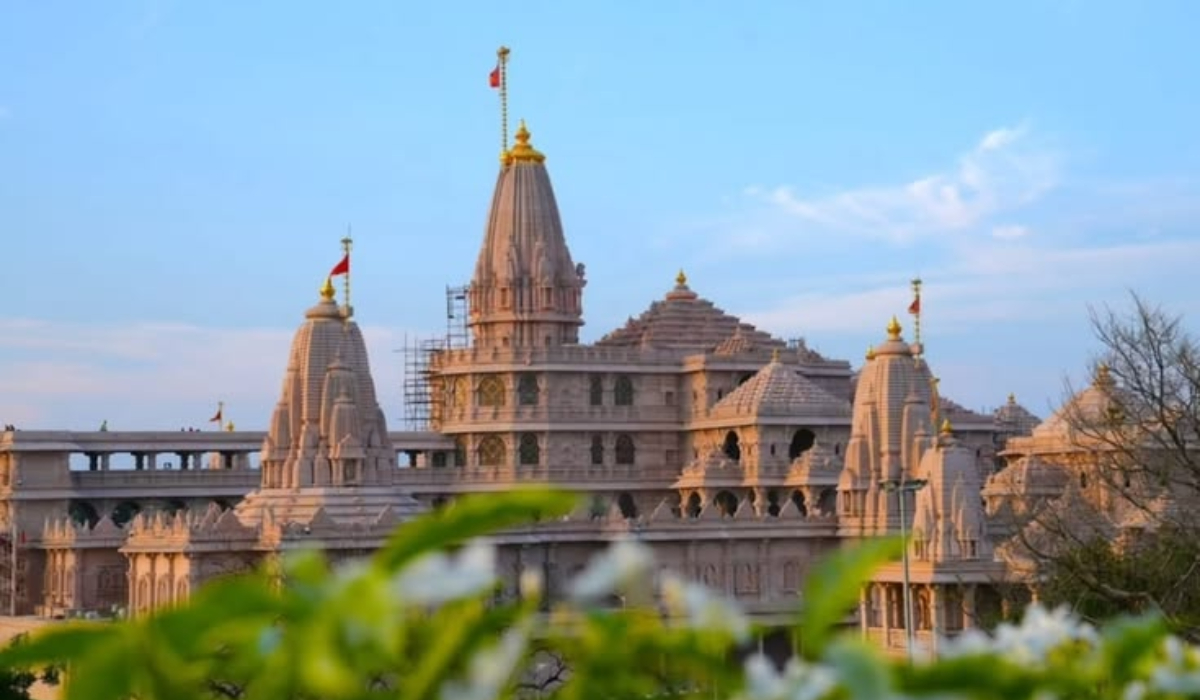
A pilgrimage to Varanasi, Ayodhya, Ujjain, or Kedarnath is centered on faith. However, travelers are flying into better-connected cities, staying overnight, eating locally, booking taxis, shopping, and adding cultural or wellness experiences. This broader spending is making spiritual tourism in India in 2026 an increasingly important part of the domestic travel economy.
The scale of domestic travel helps explain why this matters, as India recorded about 2.95 billion domestic tourist visits in 2024, up from 2.51 billion in 2023. Tourism contributed around INR 15.73 lakh crore to India’s GDP in 2023-24 and supported approximately 84.63 million direct and indirect jobs. Since the government does not maintain a separate nationwide count for pilgrim visits, spiritual tourism cannot be neatly separated from these totals.
How Big Has India’s Spiritual Tourism Boom Become?
Visitor numbers in the district rose from around 6.02 million in 2020 to more than 164.4 million in 2024. Government data released in 2026 states that more than 230 million devotees visited the city during the first half of 2025 alone. Its annual tourism revenue is currently estimated at INR 8,000–12,500 crore, with projections putting it at around INR 18,000 crore by 2028.
In Varanasi, the Kashi Vishwanath Dham Corridor recorded more than 25.28 crore visitors in roughly three and a half years after opening in December 2021. A government assessment estimates an economic impact of around INR 1.25 lakh crore, with average visitor spending of roughly INR 4,000 to INR 5,000.
Ujjain attracted around 70 million devotees in 2024, while the Maha Kumbh in Prayagraj drew more than 663 million devotees over 45 days in 2025. Ahead of the Kumbh, officials projected that the event could generate around INR 2 lakh crore in economic activity. That was a projection rather than a final audited figure, but the crowds show the scale at which spiritual tourism in India can create demand for hotels, transportation, food, and retail.
How Is Darshan Becoming A Longer Travel Experience?
While the traditional pilgrimage has not disappeared, plenty of travelers still arrive, visit the shrine, and leave; however, this has also led to an increase in people enjoying the different aspects on offer, such as local food tastings, heritage walks, nearby attractions, wellness experiences, and better accommodation.
Thomas Cook India and SOTC reported in 2024 that demand for their spiritual and pilgrimage products was more than 45% above pre-pandemic levels. Within their customer base, the younger traveler segment, including working professionals, millennials, and Gen Z, had grown by about 75%. These are company figures rather than national tourism statistics, but they point to a broader customer base for spiritual travel in India. That change matters economically as an extra hotel night, restaurant meal, guided walk, or local taxi ride means more of a pilgrim’s spending reaches businesses beyond the religious site.
Planning a spiritual journey beyond the Char Dham shrines? Discover 10 must-visit places near Char Dham for spiritual travelers.
Why Are Hotels Moving Into Pilgrimage Destinations?
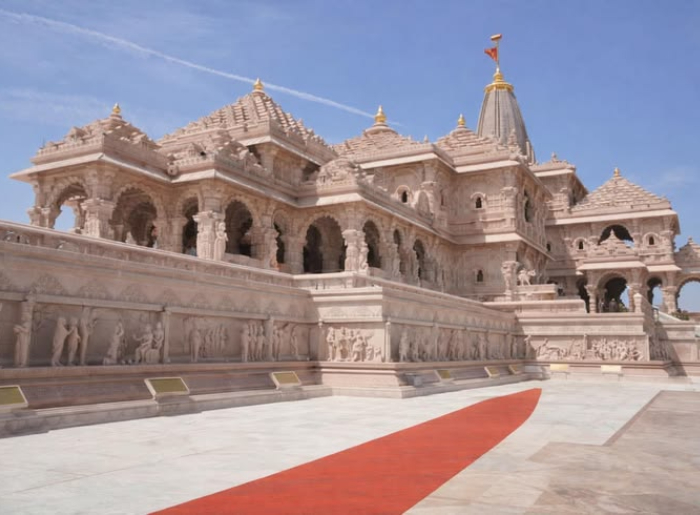
Dharamshalas, lodges, guesthouses, and small family-run hotels remain essential in pilgrimage towns, especially for budget travelers. The market has seen a sharp rise in branded hotel companies now paying much closer attention to these destinations and setting up their own properties, adding to the increasing demand.
HVS ANAROCK estimates that India’s religious and spiritual destinations currently have about 13,100 branded rooms across 190 properties, representing only around 6% of the country’s existing branded hotel inventory. By 2030, approximately 19,760 additional branded rooms across another 190 properties are expected to be added to these destinations.
Better accommodation can also encourage longer stays. Families that might once have completed a rushed day trip can stay overnight, while travelers can add food, sightseeing, or nearby attractions to the pilgrimage itself.
How Is Better Connectivity Changing Spiritual Travel?
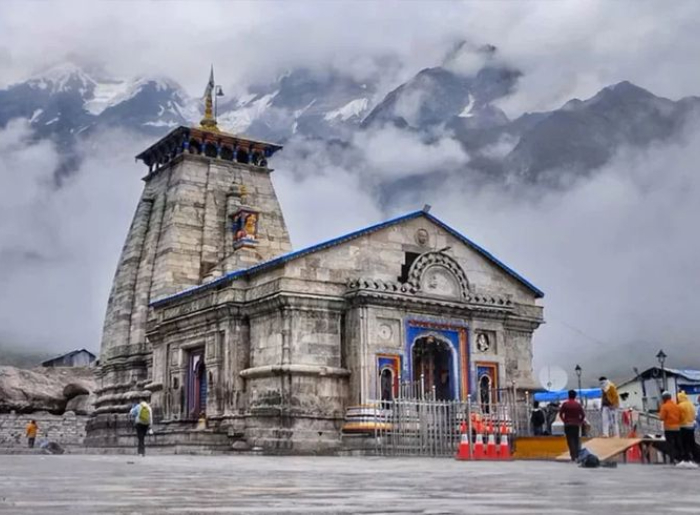
With major pilgrimage destinations drawing larger crowds and travelers expecting more comfortable, convenient journeys, better connectivity is becoming an important part of how spiritual tourism is developing across India. The planned Sonprayag-Kedarnath ropeway, for instance, is expected to make the journey to Kedarnath considerably faster and more accessible, particularly for families, older pilgrims, and travelers who may find the existing mountain route difficult.
Varanasi is seeing similar changes, with major investment in roads and connectivity aimed at improving access and easing congestion. Such projects can make it easier for pilgrimage cities to manage growing visitor traffic while giving travelers a smoother journey from arrival to darshan.
Where Is The Government Investing?
Government tourism programs are increasingly focusing on the broader destination rather than individual religious sites. Under the PRASHAD scheme, 54 projects across 28 states and Union Territories had been sanctioned by February 2026, with an estimated investment of INR 1,726.74 crore. These projects cover essential visitor infrastructure, including sanitation, safety measures, and other facilities around pilgrimage and heritage destinations.
Swadesh Darshan has expanded this approach through tourism circuits and destination development. Its first phase sanctioned 76 projects worth around INR 5,290 crore, covering Buddhist, Ramayana, Spiritual, Krishna, Sufi, and Tirthankar circuits. Under Swadesh Darshan 2.0, another 53 projects worth roughly INR 2,208 crore had been sanctioned by 2026. Together, these initiatives show a wider shift toward spiritual tourism beyond India’s best-known pilgrimage centers, and the Union Budget 2026-27 also announced a dedicated Buddhist circuit development scheme covering several northeastern states.
Wondering how the two travel styles differ? Here’s the real difference between wellness and spiritual travel and what each experience focuses on.
Where Does The Money From Spiritual Tourism Go?
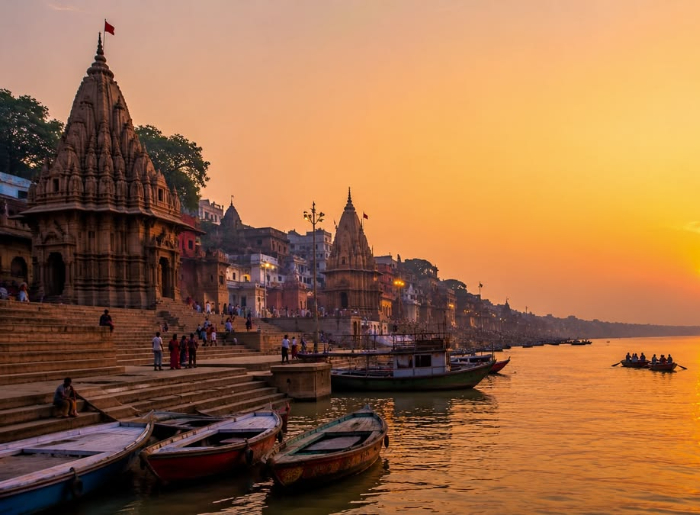
The pilgrimage economy in India reaches far beyond what visitors spend at a temple or religious site. Every journey creates business for hotels, restaurants, taxis, trains, local shops, guides, and vendors, while travelers who stay longer often spend on sightseeing, shopping, and other experiences around the destination.
The government’s Domestic Tourism Expenditure Survey specifically tracks trips taken for pilgrimage and religious activities, recording what travelers spend on accommodation, food, transportation, shopping, recreation, and cultural or religious activities. This should help show how much of the economic activity generated by a pilgrimage eventually reaches businesses and communities around the destination.
Note: The information and statistics in this article have been compiled from official government sources, including the Ministry of Tourism, PIB, and MoSPI, supplemented by industry research from HVS ANAROCK and travel data from Thomas Cook India and SOTC.
Summing Up
India’s spiritual tourism story in 2026 is no longer only about rising footfall. Pilgrimage towns are attracting hotels, transportation projects, restaurants, organized tours, and substantial government investment.
Faith remains the reason for the journey, but the economy around it is becoming much broader. The real test will be whether destinations such as Ayodhya, Varanasi, and Ujjain can manage larger crowds, congestion, sanitation, and infrastructure without losing the character that draws pilgrims there. If they can, the shift from darshan to destination could become one of the most significant changes in India’s domestic tourism economy.