

The FIFA World Cup is a global event held every four years, and its tourism impact can be significant. Host countries usually invest heavily in new and existing infrastructure so that host cities can accommodate large numbers of local and overseas visitors. For several weeks, they experience a surge in international visitors, global media attention, hotel demand, restaurant spending, and movement between cities.
Examples from Qatar in 2022, Russia in 2018, and the 2026 World Cup across the United States, Canada, and Mexico show the scale of football tourism. They also highlight the main challenges: costs, visas, accommodation, and uneven distribution of benefits.
What Kind Of Impact Does The FIFA World Cup Have On Tourism?
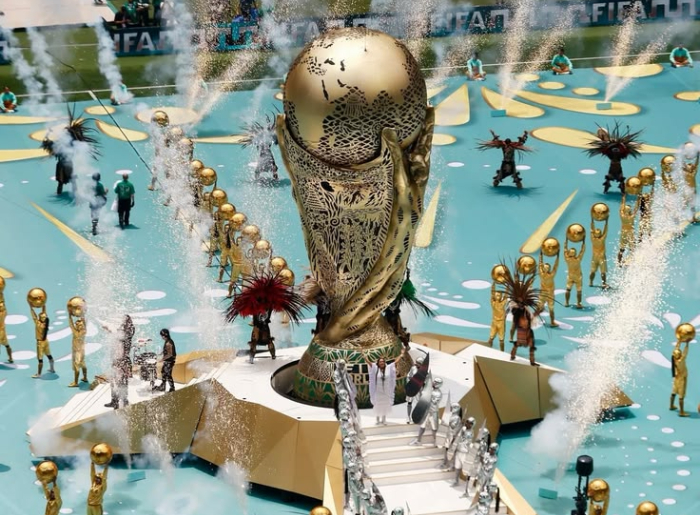
International supporters need accommodation, transportation, meals, entertainment, and often sightseeing experiences between matches. During the 2018 World Cup in Russia, around three million tourists visited Russian host cities, almost half of whom were foreigners. Foreign tourist numbers reportedly quadrupled in Kazan, while Volgograd recorded growth of around 70 percent.
Tourism businesses that can benefit include:
- Hotels, hostels, and short-term rentals
- Restaurants, cafes, and bars
- Airlines, trains, buses, and taxis
- Tour operators and local guides
- Museums and visitor attractions
- Retail and entertainment businesses
Planning for FIFA World Cup 2030? Here’s what to know about the host countries, tournament format, expected dates and latest updates.
Why Do Tourist Numbers Rise During The World Cup?
Unlike a conventional vacation, the World Cup gives people a specific reason to travel at a particular time. Supporters may cross continents to watch their national team, follow matches between different cities, or turn the tournament into a longer vacation.
The effect can be particularly noticeable in destinations that do not normally receive huge numbers of international tourists. For instance, during the 2018 Russia World Cup, Saransk reportedly welcomed around 200,000 tourists, more than it had received in the entire previous year. Moscow received around three million visitors during the tournament, including approximately 1.2 million foreigners.
Which Tourism Businesses Benefit The Most?
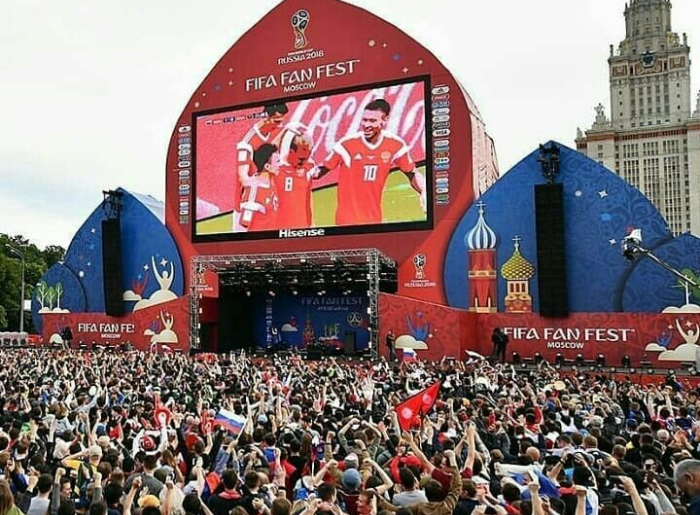
Hotels and restaurants are obvious beneficiaries, but World Cup spending can reach much further into the local economy. In practice, several types of tourism businesses can benefit.
- Accommodation: Fans attending several matches can create significant demand for rooms.
- Food and Drink: Restaurants, cafes, bars, and street-food businesses benefit from pre-match and post-match crowds.
- Transportation: Airports, railways, taxis, buses, and rental companies handle increased passenger numbers.
- Tourism Attractions: Free days between games give visitors opportunities to explore museums, landmarks, and nearby destinations.
- Local Businesses: Shops, entertainment venues, guides, and small tourism operators can benefit from additional foot traffic.
However, the benefits are not necessarily distributed equally. For example, it’s estimated that during the 2026 tournament, the United States would receive around four-fifths of fan spending across the three host countries.
How Does The World Cup Put Host Cities On The Global Map?
One of the World Cup’s biggest tourism advantages cannot be measured simply through hotel occupancy. Instead, for weeks, television broadcasts, news reports, social media posts, and fan content showcase host cities to enormous international audiences. Skylines, landmarks, neighborhoods, food, and local culture become part of the tournament’s visual identity. Visitors’ experiences can also influence future tourism. After the 2018 World Cup, a French poll cited in the supplied material found that 87 percent of surveyed fans wanted to visit Russia again.
Looking forward to the FIFA Women’s World Cup 2027? Discover the host cities, tournament dates, participating teams, and ticket details to know.
Does The World Cup Create Tourism Jobs?
Hosting millions of visitors creates demand for workers across hospitality, catering, transportation, retail, security, tourism, and event operations. In addition, mega-events give thousands of people experience in organizing large international events. The 2026 World Cup required coordination between venues, businesses, host cities, and government agencies while providing a new generation of professionals with major-event experience. However, many tournament-related jobs are temporary, so increased employment during the World Cup should not automatically be treated as permanent job creation.
Can A FIFA World Cup Change A Destination’s Tourism Story?
Qatar’s experience with the 2022 FIFA World Cup shows how hosting the tournament can support a much broader tourism strategy. In this case, millions of international visitors arrived for football, but the country also used the event to introduce travelers to Qatari culture and hospitality. Traditions such as Karam, which centers on generosity and welcoming guests, were brought to the forefront through experiences involving the majlis and Qahwa (Arabic coffee). Some residents even welcomed visiting fans into their majlises to share coffee, meals, and conversations.
Since 2022, Qatar has continued to develop and promote cultural attractions, waterfront experiences, resorts, wellness retreats, beach clubs, and a busy calendar of sporting events, festivals, exhibitions, and concerts. This approach highlights an important part of the World Cup’s potential tourism legacy: football may encourage travelers to visit a destination for the first time, but the experiences they discover beyond the stadium can give them a reason to return.
Potential Impact On Non-Hosting Countries
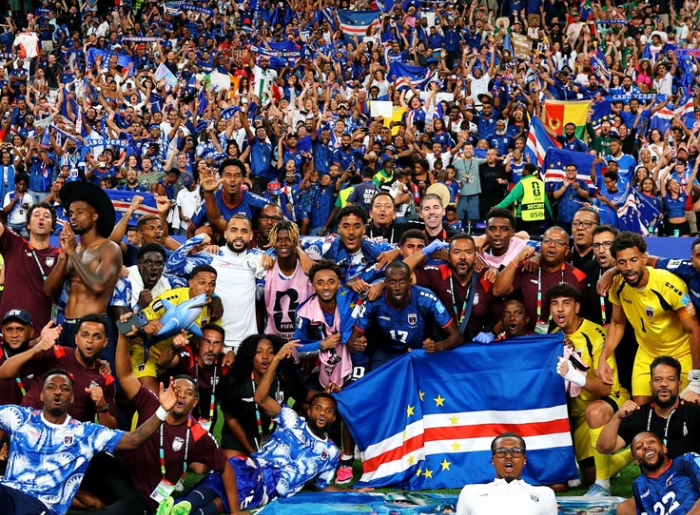
The Cabo Verde national team delivered generational performances at the 2026 World Cup, reaching the round of 32 before being knocked out by eventual finalists and defending champions Argentina. Their performance at the 2026 FIFA World Cup showed how football can suddenly place a lesser-known destination in the global spotlight. Making its World Cup debut, the small Atlantic island nation became the smallest country ever to reach the knockout stage. The Blue Sharks’ unexpected run attracted international attention that extended well beyond football, introducing millions of viewers to Cabo Verde for the first time.
That visibility quickly translated into interest in travel. For example, Expedia reported that U.S. searches for Cabo Verde increased by more than 800 percent compared with pre-tournament levels, while “Cape Verde vacation” emerged as a breakout search on Google Trends. Travelers also began looking for flights, vacation packages, and all-inclusive stays, showing how curiosity sparked by a sporting event can influence destination searches.
For Cabo Verde, the opportunity now lies in turning that attention into actual visits. While Sal and Boa Vista are already known for beaches and resorts, increased interest could introduce travelers to the archipelago’s volcanic landscapes, hiking trails, Creole culture, music, food, and lesser-visited islands.
Its World Cup story also demonstrates that countries do not need to host the tournament to experience a tourism boost. In this case, a memorable performance was enough to make viewers curious about a destination and reshape its tourism story.
Curious about Cabo Verde after its World Cup run? Interest in the island nation has surged following its performance at the 2026 FIFA World Cup.
What Has The FIFA World Cup 2026 Shown?
The 2026 World Cup offered an unusual tourism model because matches were distributed across three countries and numerous cities. Despite concerns before the tournament, the event ultimately recorded enormous attendance. Figures included in the supplied information show 6.8 million fans attended 104 matches, with stadiums operating at 99.7 percent capacity.
Individual cities also tried to extend the experience beyond stadiums. For example, Kansas City’s FIFA Fan Festival attracted more than 400,000 visitors over 19 days. Houston took a different approach through Impact Houston 26, an initiative that builds or renovates 23 soccer fields in underserved communities. These examples show that a World Cup legacy need not be measured solely by tourist numbers.
What Determines Whether The Tourism Boost Lasts?
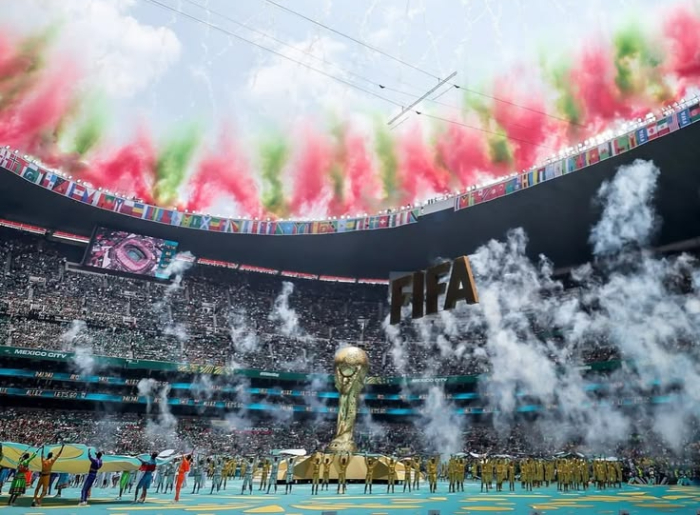
A successful tournament does not guarantee long-term tourism growth. To keep visitors returning when no match is taking place, destinations need to give them reasons to come back.
Some of the most important factors include:
- Maintaining improved tourism and transportation infrastructure
- Continuing international destination marketing
- Promoting local culture, food, and heritage
- Creating year-round events and experiences
- Encouraging visitors to explore beyond stadium districts
- Supporting local tourism businesses
- Making visa and entry procedures convenient
- Turning positive first visits into repeat trips
Qatar’s post-2022 strategy illustrates this approach. Football provided the initial global exposure, while the country has continued promoting cultural experiences, dining, family attractions, hospitality, and major events.
unstumbled Author’s Note
As a football fan, I have seen firsthand how a match can become one of the most memorable parts of a trip. I was at Old Trafford during the 2008-09 season when Liverpool beat Manchester United 4-1, and the atmosphere, rivalry, and emotion inside the stadium are things I still remember. That experience is why sports tourism fascinates me. You may travel for football, but the stadium, the city, the fans, and everything surrounding the game become part of the memory.
Summing Up
The FIFA World Cup can create an extraordinary surge in tourism, filling hotels, restaurants, transportation networks, and attractions while giving destinations global exposure that would be difficult to achieve through traditional marketing alone. The main question is not whether the tournament attracts visitors, but whether destinations can turn that attention into lasting tourism growth. High hosting costs, displaced leisure travelers, and uneven visitor spending can limit the overall impact, so the real opportunity comes after the tournament, when destinations improve connectivity, promote local culture, support businesses, and give travelers reasons to return long after the final whistle.