

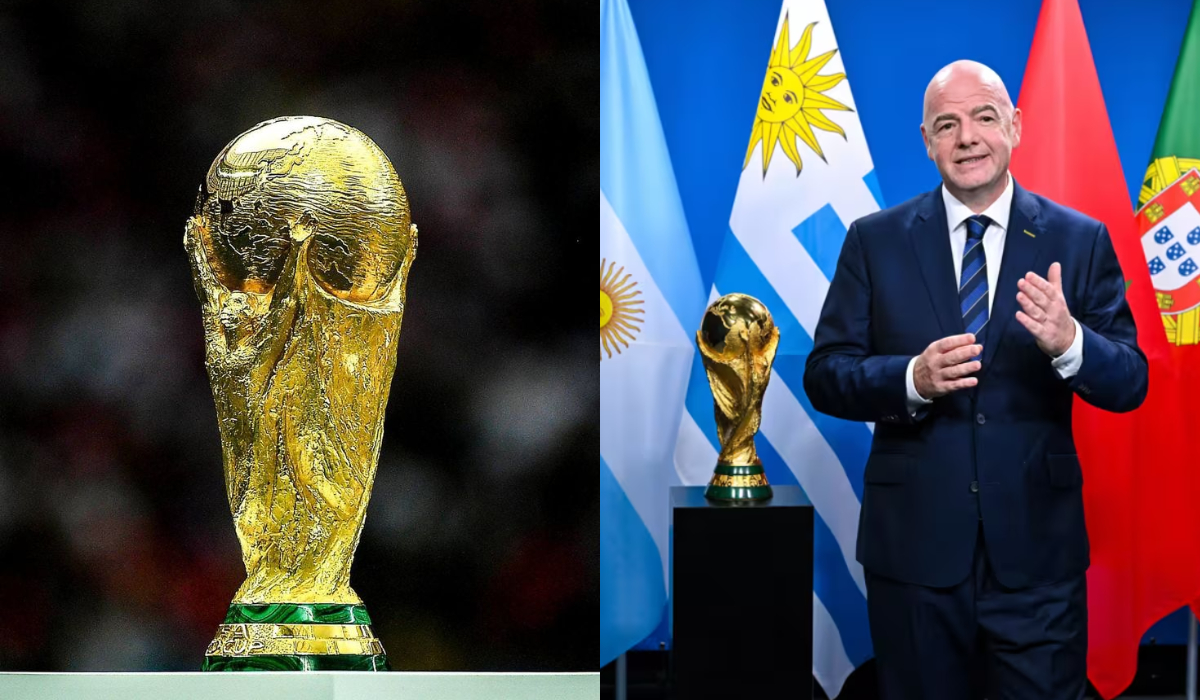
The FIFA World Cup has always evolved with every edition, but the 2030 tournament is set to make history like never before. Marking the centenary of the world’s biggest football competition, the next World Cup will span three continents, feature six host nations, and celebrate 100 years since the inaugural tournament kicked off in Uruguay in 1930. It promises to be one of the most ambitious sporting events ever staged.
From historic opening matches in South America to state-of-the-art stadiums across Europe and Africa, the FIFA World Cup 2030 will bring together fans from around the globe for a month of elite football. Here’s everything you need to know about the tournament, including the host countries, dates, format, qualification process, and the latest developments.
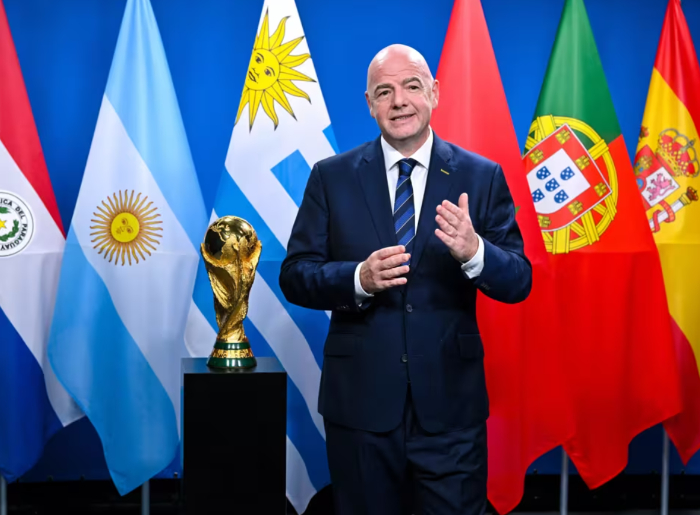
FIFA World Cup 2030 At A Glance
- Edition: 24th FIFA Men’s World Cup
- Dates: June and July 2030
- Main Hosts: Morocco, Portugal, and Spain
- Centenary Hosts: Argentina, Paraguay, and Uruguay
- Host Continents: Europe, Africa, and South America
- Number of Teams: 48 (currently confirmed)
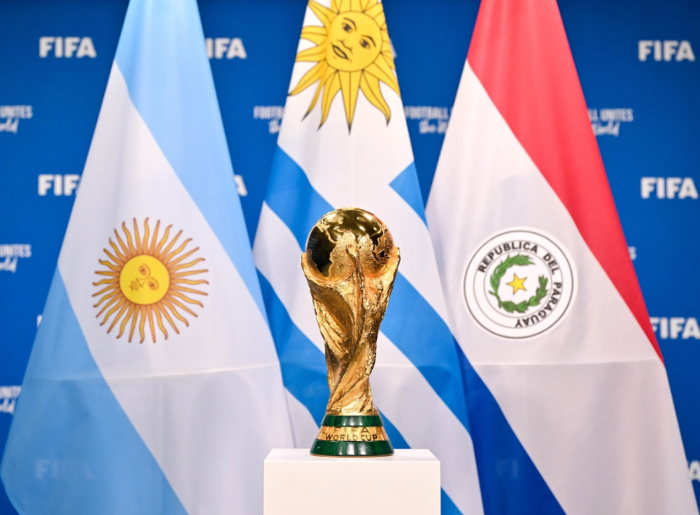
- Automatic Qualifiers: Morocco, Portugal, Spain, Argentina, Paraguay, and Uruguay
- Tournament Theme: Celebrating 100 years of the FIFA World Cup
When Is The FIFA World Cup 2030?
The FIFA World Cup 2030 will be held across June and July 2030. The tournament will begin with special centenary celebration matches in South America before shifting to its three primary host nations in Europe and Africa. The final is scheduled to take place in late July 2030, although FIFA has yet to confirm the venue. Unlike previous editions, the tournament will begin with commemorative matches honoring the first-ever FIFA World Cup, which took place in Uruguay in 1930. This unique opening will make the 2030 edition unlike any World Cup before it.
Which Countries Will Host The FIFA World Cup 2030?
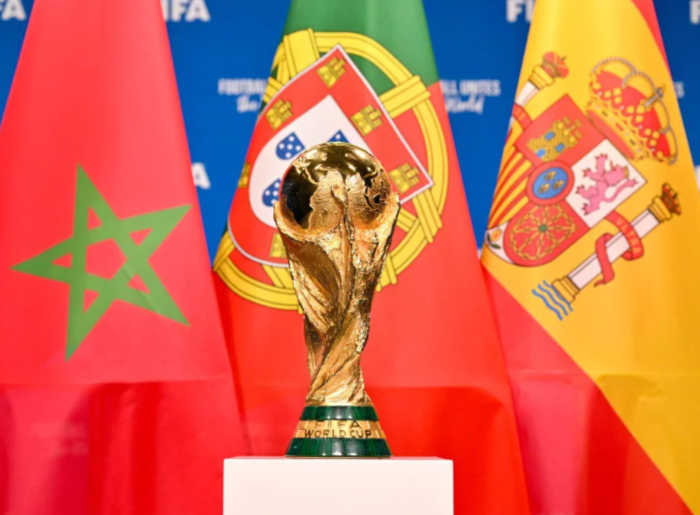
The FIFA World Cup 2030 will be jointly hosted by Morocco, Portugal, and Spain, making it the first World Cup to be staged across Africa and Europe simultaneously. In addition, Argentina, Paraguay, and Uruguay will each host one centenary celebration match to mark the tournament’s 100th anniversary.
This means the 2030 FIFA World Cup will become the first edition in history to be played across six different countries and three continents.
The six host nations are:
- Morocco
- Portugal
- Spain
- Argentina
- Paraguay
- Uruguay
All six host countries will automatically qualify for the tournament.
Also Read: Spain Launches Digital Nomad Visa: Here’s All You Need To Know
Why Are Six Countries Hosting The 2030 World Cup?
The six-country hosting model is part of FIFA’s plan to celebrate the centenary of the FIFA World Cup.
Uruguay was chosen because it hosted and won the inaugural FIFA World Cup in 1930. Argentina, the runners-up in that historic tournament, will also host one commemorative match, while Paraguay was selected as the home of CONMEBOL, South America’s football governing body.
Following the three opening matches in South America, the tournament will move to Morocco, Portugal, and Spain, where the remainder of the competition, including the knockout rounds and final, will be played. This unique format recognizes the tournament’s origins while showcasing football across multiple regions of the world.
Also Read: FIFA Women’s World Cup 2027 Guide: Date, Host Cities, Teams & Tickets
Host Cities And Stadiums
A total of 23 proposed stadiums across the six host nations are expected to stage matches during the FIFA World Cup 2030. These venues include some of the world’s most iconic football stadiums alongside several newly developed arenas.
Spain
Spain will host the largest number of venues, with matches expected to be played in:
- Barcelona (Camp Nou and RCDE Stadium)
- Madrid (Santiago Bernabéu and Metropolitano)
- Seville (La Cartuja)
- Bilbao (San Mamés)
- Málaga (La Rosaleda)
- Zaragoza (Nueva Romareda)
- A Coruña (Riazor)
- San Sebastián (Anoeta)
- Las Palmas (Gran Canaria)
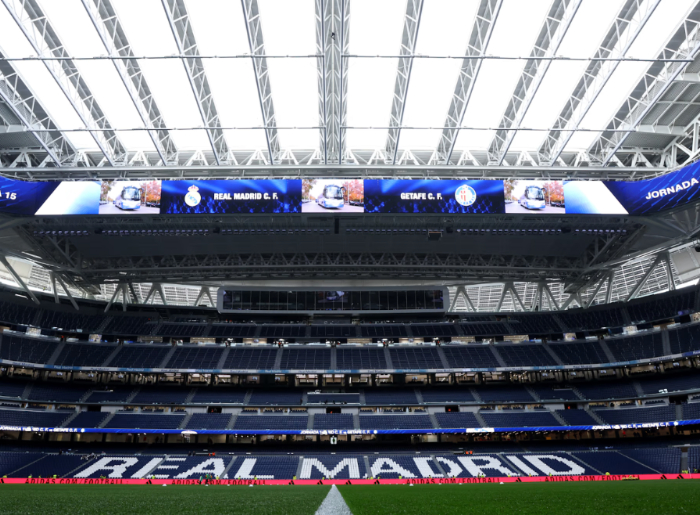
Among these, the Camp Nou is expected to become one of Europe’s largest stadiums after renovation, while the Santiago Bernabéu is widely viewed as one of the frontrunners to host the World Cup final.
Portugal
Portugal’s proposed venues include:
- Estádio da Luz, Lisbon
- Estádio José Alvalade, Lisbon
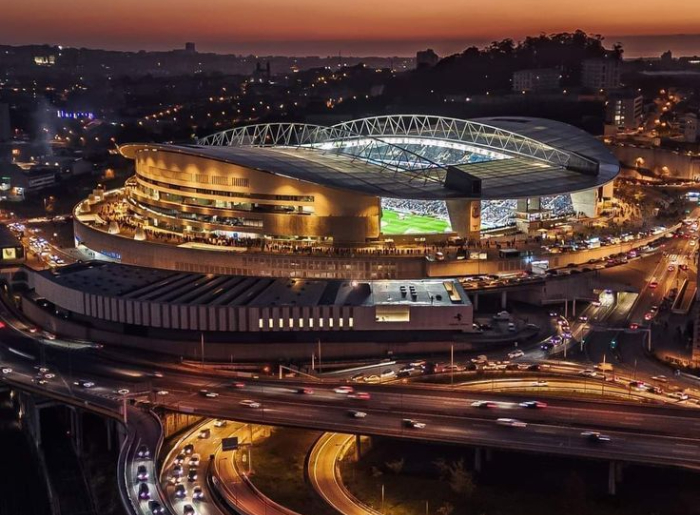
- Estádio do Dragão, Porto
These stadiums have previously hosted UEFA Champions League finals, European Championship matches, and other major international competitions.
Morocco
Morocco will welcome fans across six host cities:
- Casablanca
- Rabat
- Tangier
- Marrakesh
- Agadir
- Fez
One of the biggest highlights is the proposed Hassan II Stadium in Casablanca, which is planned to accommodate around 115,000 spectators, potentially making it the largest stadium used during the tournament.
Also Read: Cabo Verde Tourism Interest Witnesses A Boom After 2026 FIFA World Cup Run
Centenary Celebration Stadiums
The opening celebration matches will take place at:
- Estadio Centenario, Montevideo, Uruguay
- Estadio Monumental, Buenos Aires, Argentina
- A designated stadium in Asunción, Paraguay
The match in Montevideo carries special significance as the Estadio Centenario hosted the very first FIFA World Cup final in 1930, where Uruguay defeated Argentina to lift the inaugural trophy. Returning to the same venue exactly a century later adds a symbolic touch to the tournament’s celebrations.
Also Read: Sky Stadium Saudi Arabia: What We Know About This Football Pitch 350 Meters In The Sky!
World Cup 2030 Format
The FIFA World Cup 2030 is currently expected to follow the expanded 48-team format that debuted at the 2026 tournament. Under this format, 48 national teams will compete for football’s biggest prize, making it one of the largest World Cups in history.
However, FIFA has also discussed the possibility of expanding the tournament further to 64 teams as part of the centenary celebrations. FIFA President Gianni Infantino has indicated he is open to exploring the proposal, although no official decision has been made. Until FIFA announces any changes, the tournament will proceed under the 48-team format.
How Will Teams Qualify?
All six host nations will automatically qualify for the FIFA World Cup 2030.
These teams are:
- Morocco
- Portugal
- Spain
- Argentina
- Paraguay
- Uruguay
The remaining places will be decided through FIFA’s continental qualification tournaments, with teams competing through their respective confederations.
If the tournament retains the 48-team format, qualification is expected to follow a similar allocation to the 2026 edition, with places distributed among UEFA, CAF, AFC, CONMEBOL, CONCACAF, and OFC. FIFA may announce adjustments if the tournament expands beyond 48 teams.
Latest FIFA World Cup 2030 News
Preparations for the FIFA World Cup 2030 are already underway, with several footballing nations making high-profile managerial appointments as they begin planning for the centenary tournament. Germany have appointed Jürgen Klopp as head coach, while Zinedine Zidane has taken charge of France, while Carlo Ancelotti continues to guide Brazil as they prepare for another World Cup campaign.
Off the pitch, FIFA is also weighing a proposal to expand the tournament from 48 to 64 teams for the 2030 edition. While the idea has sparked debate, no final decision has been made, and the competition is currently set to be played under the 48-team format.

Why The 2030 World Cup Will Be Historic
The FIFA World Cup 2030 is far more than another edition of football’s biggest tournament. It celebrates 100 years of World Cup history, returning to Uruguay, where it all began in 1930, while simultaneously showcasing football across Europe, Africa, and South America.
With six host nations, iconic stadiums such as the Santiago Bernabéu, Camp Nou, Estadio Centenario, and the proposed Hassan II Stadium, plus the possibility of an expanded tournament, the 2030 edition promises to be unlike any World Cup before it.

Summing Up
The FIFA World Cup 2030 will be a landmark event in football history. Hosted primarily by Morocco, Portugal, and Spain, with special centenary matches in Argentina, Paraguay, and Uruguay, the tournament will celebrate a century since the first FIFA World Cup while bringing together fans across three continents. With preparations already underway, new managerial appointments shaping the world’s top national teams, and discussions around the tournament’s future format, excitement will only continue to build as the road to 2030 unfolds.

One Response