

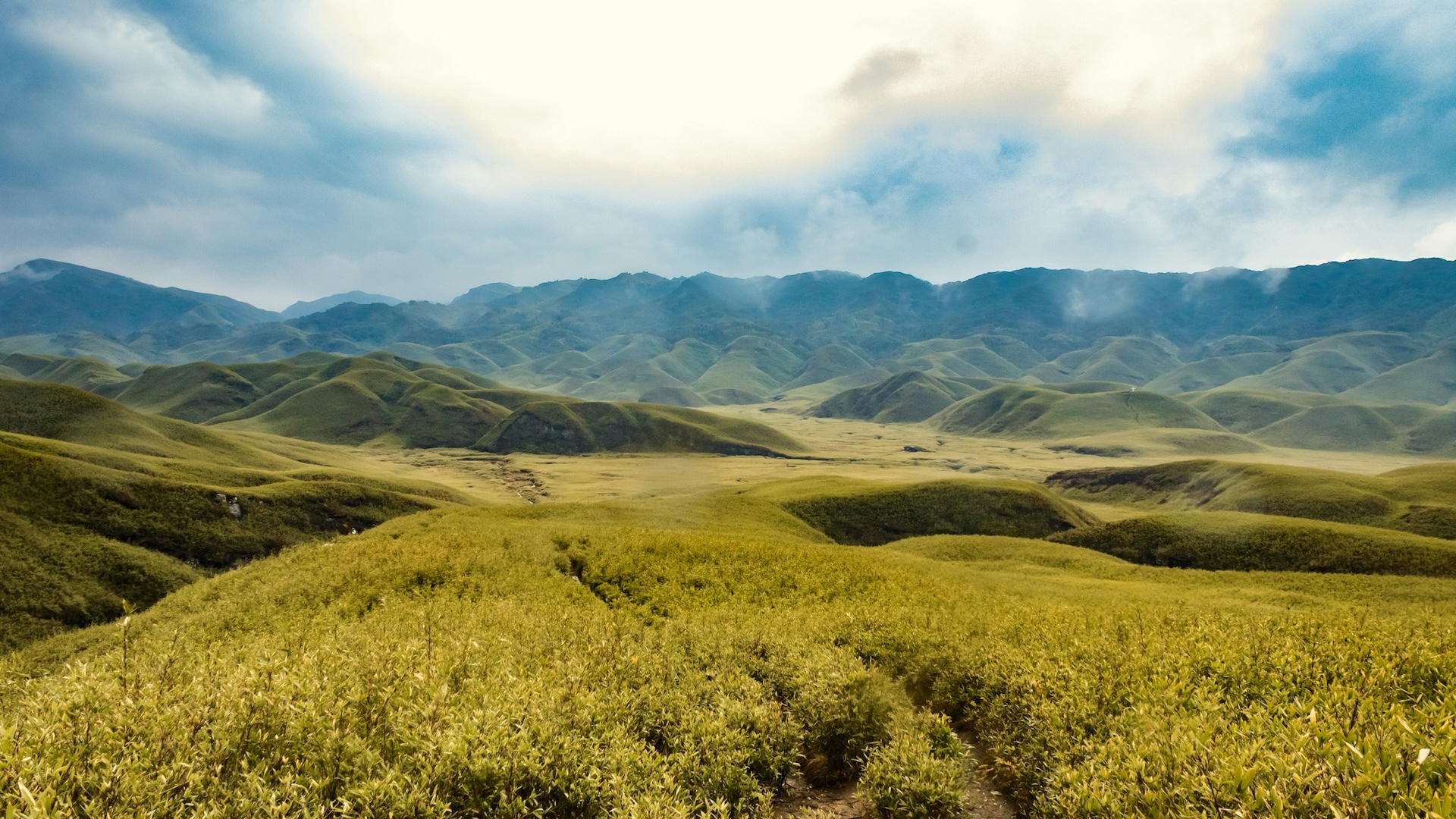
For any true backpacker, there is nothing better than stealing away to some far-flung destination surrounded by nature, cut off from the world. Such places are rapidly disappearing owing to fast industrialization and social media, bringing an influencer crowd to erstwhile pristine destinations. However, much of the Northeastern parts of India have managed to stay hidden and relatively untouched. This has made Northeast India the ultimate frontier for raw, unfiltered adventure. However, what can cause a hindrance to this adventure is the hassle of getting permits and the lack of robust local transportation. With this untumbled loop-style guide for backpacking through Northeast India, however, your travel will be as hassle-free as it will be memorable.
Essential Things To Know Before Backpacking Through Northeast India
The best time to visit the Northeastern states is between October and April. The months are dry, and the weather is pleasant. This is especially the case if you visit towards the end of March or early April. You ditch the heat of the summer season, and you don’t have to deal with the heavy rains of the monsoon season.
Since the weather during these months is chilly, it is imperative that the visitor pack warm layers. Furthermore, even if the weather is predominantly cold, there are some regions in the Northeast, like Meghalaya, where rain is a year-round phenomenon. Therefore, packing a good, heavy-duty wind-cheater or raincoat is also important. Do not carry an umbrella as it will most certainly fail in the strong gusts of wind.
Also Read: 7 Unexplored Places In Northeast India To Visit In Summer
14-Day Backpacking Itinerary For Northeast India
Following is a realistic, budget-friendly guide for backpacking in Northeast India that hits all the main highlights of the Seven Sisters without you having to spend your days in a beat-up, shabby shared jeep. The chosen route for this guide is: Assam, for the wilderness, Meghalaya, for the waterfalls and treks, and Nagaland, for the culture, before heading back. Here is the full, detailed itinerary.
Day 1 To Day 3: Assam, The Gateway And Wildlife
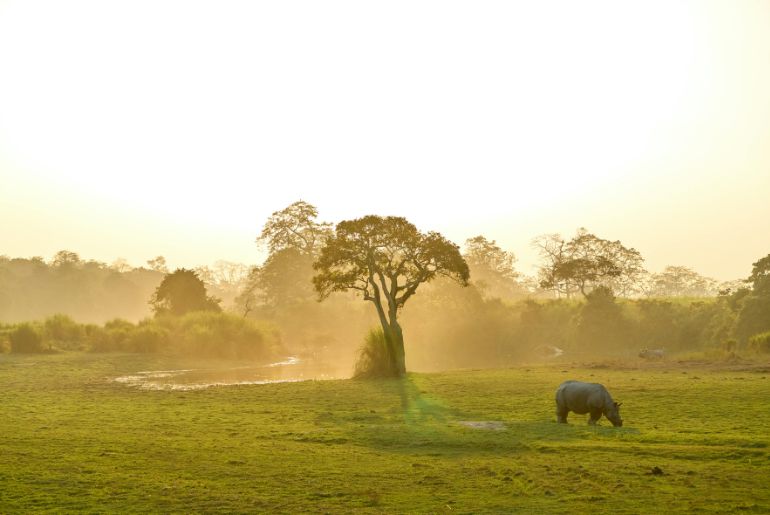
Day 1: Arrive in Guwahati. Take plenty of rest and ensure that your body is acclimatized to the region. You can either take it easy for the first day by going out for walks near your stay or jump straight into adventure mode. If the latter, you can head to Lachit Nagar and try the local street food for a flavorful welcome!
You can even head to the tiny isle of Umananda. Surrounded by the flowing waters of the Brahmaputra River, Umananda is known for its tranquil vibes and the temple of Shivji.
Day 2: Head to the famous Kaziranga National Park to witness some of the most unique animal species, like the great one-horned Indian rhinoceros, in the world. Taking an early morning public bus is the best way to reach the national park.
Day 3: You can spend some more time at the national park during the day. In the evening, you can begin your prep for transiting to the next destination on the list, i.e., the abode of clouds.
Day 4 To Day 8: Meghalaya, Canyons, Living Bridges, And Caves
Day 4: Reach Shillong. Explore the local cafe culture and its amazing rock music scene, especially around Police Bazaar.
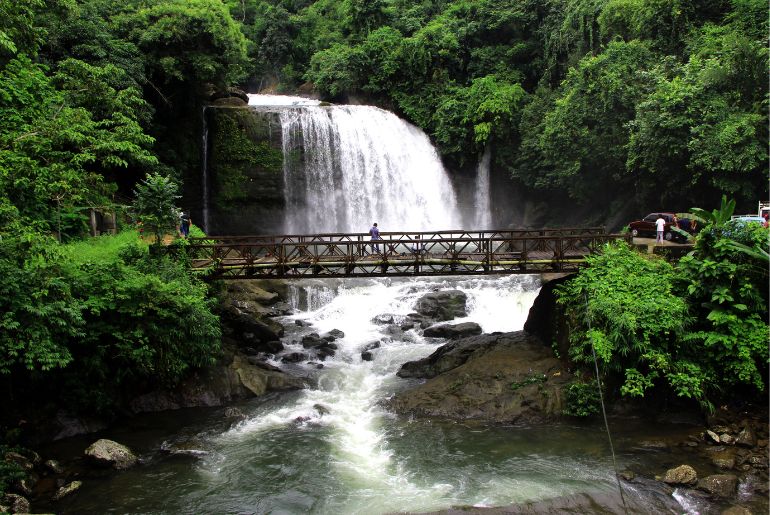
Day 5: Waterfall calls! Head to Cherrapunji (Sohra), and witness the majesty of the great Nohkalikai Falls! You can either stay at a local homestay or camp at a nice spot in the greenery.
Day 6: The massive trek downwards begins! A whopping 3,500 steps to head to the magnificent double-decker living bridge situated in Nongriat. If you still have energy, you can consider hiking further to the Rainbow Falls. Find a nice homestay to sleep like a log!
Day 7: Hike back up and head to the Shnongpdeng or Dawki regions. Dawki is more commercialized than Shnongpdeng. If you value quietude, Shnongpdeng might be for you, but if you’re looking for moe city-like amenities, Dawki might be a better option.
Spending the night camping under the stars by the crystal clear Umngot River is a must! The floating boat effect here is truly marvelous!
Day 8: Start your return journey to Guwahati via Jowai. On the way, you can stop at the beautiful Phe Phe Falls and enjoy a rejuvenating bath.
Also Read: Best Places In Northeast India To Visit In April
Day 9 To Day 12: Nagaland, Tribal Villages And Valleys
Note: Indian citizens require an Inner Line Permit (ILP) to visit Nagaland. You can get it by visiting the official Nagaland ILP website. It costs around INR 200 and is processed within four hours. Make sure you have multiple hard copies of the permit, as the police inspecting the permit at each checkpoint might end up keeping a copy for their records.
Foreign nationals need something called a Restricted Area Permit (RAP) or Protected Area Permit (PAP) instead of an ILP.
Day 9: Take an overnight bus from Guwahati to Dimapur. You can then take a shared Sumo up into the hills of Kohima.
Day 10: Experiencing the local tribal markets is an absolute must if you like quaint and unique trinkets. It is also an excellent opportunity to purchase souvenirs for your loved ones!
After you’re done, you can head to the Kohima War Cemetery and learn more about the local history.
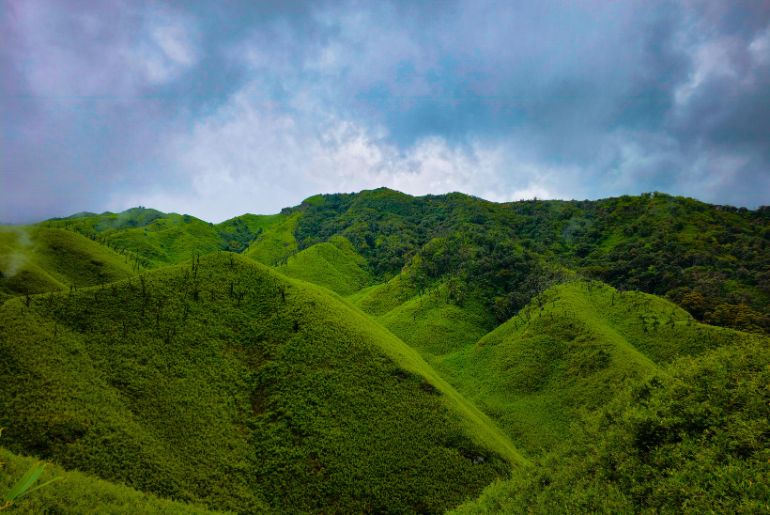
Day 11: Dzuko Valley calls! The serene, almost mystical landscape will take your breath away. Camping under the stars here is an absolutely unforgettable experience. What is more, it is also a great way to save money on stays!
Day 12: Descend further into the valley and witness the untainted beauty of the Khonoma Green Village
Day 13 To Day 14: The Return Loop
Day 13: Head back to Dimapur, and get a train or a bus to Guwahati.
Day 14: Spend a day in the city. You can rest or go shopping, or go to explore things you missed on your first visit.
Also Read: 10 Offbeat Places In Northeast India You Must Visit In 2026
Survival And Budget Guide For Backpackers
Traveling for 14 days is not cheap. However, you can always cut costs by sacrificing some comforts. For instance, instead of private cabs to get from one destination to another or to travel within a region, you can avail of shared cabs or buses. This will significantly cut costs and help you save for the experiences that you’re actually excited to spend on.
Furthermore, instead of plush hotel rooms, try opting for either backpackers’ hostels or locally-run homestays. Backpackers’ hostels are cheaper and are a great way to meet new people, especially if you’re traveling alone. It is also a great way to learn about undiscovered local spots. Homestays, too, make for a great way to support sustainable tourism. Your money goes directly to uplifting the local community, and it is a great way to be introduced to local cuisine!
Estimated Per Day Cost Including Food, Stays, And Conveyance: INR 2,000 to INR 2,500
Also Read: Awesome Places To Go Camping In Northeast India
Summing Up
One of the best things about traveling to places that aren’t explored that much is learning about the different local cultures. It also becomes the responsibility of the traveler to protect these places from pollution and overtourism so their beauty can be preserved for posterity. In 2026, the need for sustainable tourism has increased more than ever. Therefore, tourists and visitors who venture into remote Northeastern villages should keep in mind that they are just that – visitors in someone else’s home. Remember to stay respectful when interacting with local people, cultures, food, and traditions. The Northeastern parts of India are some of the most distinct, culturally, and as such, respect is more a non-negotiable than a basic courtesy.



2 Responses