


Zuluk is a small mountain village in East Sikkim that sits along the historic Old Silk Route, once used by traders traveling between Tibet and India through the Jelep La pass. At roughly 3,000 meters, or 10,000 feet, the village is now known for its winding mountain roads, quiet homestays, high-altitude scenery, and the famous 32 hairpin bends climbing above it.
Unlike a regular Gangtok vacation, a Zuluk trip requires some planning. The region falls within a protected border area, permits are necessary, and weather conditions can affect access to the higher sections of the route. A four-night, five-day trip is a practical way to experience Zuluk without rushing between destinations.
What Is The Best Route For A Zuluk Trip?
For travelers arriving in Sikkim by air or train, the journey can begin from Bagdogra Airport or New Jalpaiguri railway station. From there, the route heads toward Zuluk through Rangpo and Rongli. The first day’s drive is approximately 130 km and can take six to seven hours, including time required at the permit checkpoint.
A five-day itinerary can be planned like this:
- Day 1: Bagdogra or NJP to Zuluk via Rongli
- Day 2: Sunrise at Thambi Viewpoint and time in Zuluk
- Day 3: Nathang Valley, Kupup Lake and Old Baba Mandir
- Day 4: Zuluk to Gangtok
- Day 5: Gangtok sightseeing followed by departure
The complete circuit covers approximately 300 km. Travelers can also reach Zuluk from Gangtok, which is around 90 km away, although the exact route may depend on the permits available at the time.
What Should You See Around Zuluk?
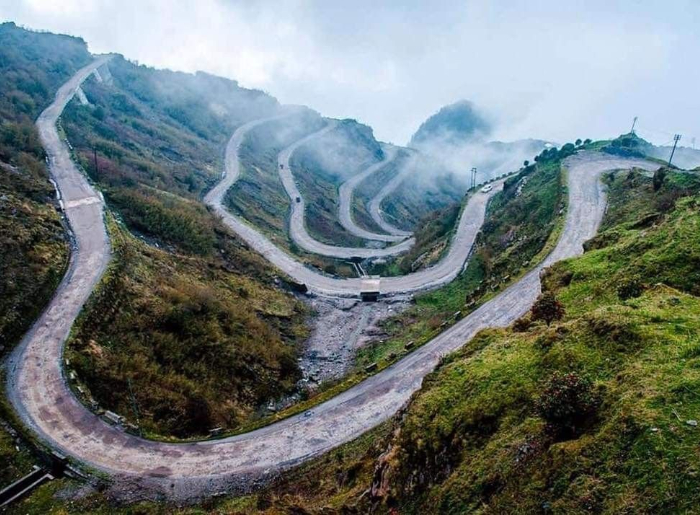
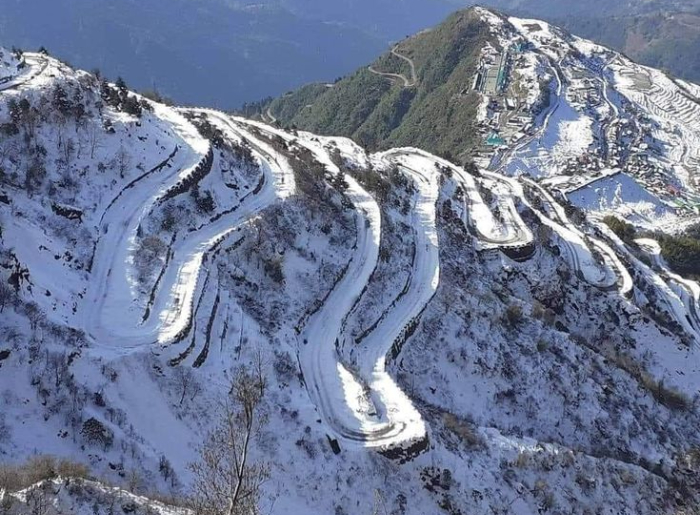
Thambi Viewpoint is one of the highlights of the trip. Located approximately 14 km above Zuluk, it provides the classic view of the road’s 32 hairpin bends stacked across the mountainside. Sunrise is usually the best time to visit because Kanchenjunga is more likely to be visible before clouds begin moving into the valley.
The route continues into higher terrain toward Nathang Valley, which sits at approximately 4,100 meters. Other major stops include Kupup Lake, also known as Elephant Lake because of its shape, Old Baba Mandir, and the Yak Golf Course near Kupup. The golf course sits at roughly 4,000 meters and is recorded as one of the world’s highest.
Do You Need A Permit To Visit Zuluk?
The Zuluk-Nathang-Kupup corridor lies within a protected area close to the India-China border. Indian travelers require an East Sikkim Protected Area Permit, which, according to the supplied information, must be arranged through a registered Sikkim tour operator before travel.
Travelers should keep their original photo identification with them and carry the required photocopies and passport-size photographs. The permit is checked at Rongli and may be checked again while traveling through the high-altitude route. Before departing, confirm that your documents are ready, as foreign nationals are generally not permitted to travel on the Zuluk-Nathang-Kupup circuit under the restrictions outlined in the provided information.
Where Should You Stay In Zuluk?
Zuluk does not have the conventional hotels that travelers may expect in larger destinations in Sikkim. Accommodation is mainly provided through family-run homestays, which are an important part of the experience.
Rooms tend to be simple, with heavy blankets for cold nights. Some properties have attached bathrooms and geysers, while others provide shared bathrooms or bucket hot water. Electricity can occasionally be unreliable, and mobile connectivity becomes increasingly limited as you travel higher. Before arriving, charge a power bank and download anything important.
When Is The Best Time To Visit Zuluk?
September to November is one of the best times to visit Zuluk for the first time. Autumn generally offers clearer views of Kanchenjunga, changing colors around Nathang Valley, and relatively stable road conditions. April and May are another good option, particularly for travelers interested in spring landscapes and rhododendrons.
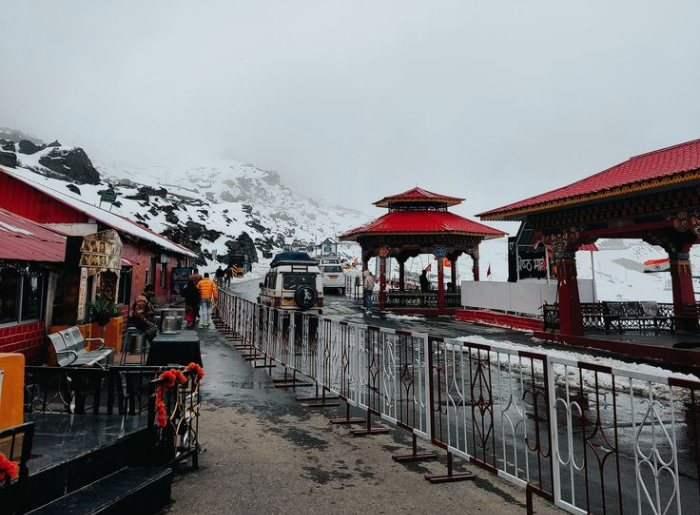
December to February is better suited to travelers specifically looking for snow. The hairpin bends and Nathang Valley can turn white in winter, making road closures more likely. June to August is generally best avoided because monsoon rain can bring heavy fog, landslides, poor visibility, and temporary road disruptions.
Wondering when to plan your trip? Here’s the best time to visit Sikkim with a month-by-month guide to help you decide.
How Much Does A Zuluk Trip Cost?
According to the supplied 2026 itinerary, a standard four-night, five-day Zuluk package costs around INR 12,000 per person for Indian travelers on a twin-sharing basis. This includes the protected area permit, Zuluk homestay accommodation, one night at a Gangtok hotel, transportation in a registered vehicle, breakfast and dinner, and the main sightseeing excursions.
Once GST, lunches, tips, and smaller personal expenses are included, a more realistic budget is approximately INR 14,000 to INR 15,500 per person, excluding flights or trains to Bagdogra or NJP.
What Should You Know Before Going?
Zuluk is best approached as a mountain road trip rather than a comfortable hill-station vacation. Weather can change quickly, mobile connectivity is patchy, accommodation is basic, and the journey reaches elevations of around 4,100 meters. Before you go, pack warm layers even outside winter and keep some flexibility in your sightseeing plans.
The higher altitude also means there is value in taking the journey slowly. Staying in Zuluk at around 3,000 meters before visiting Nathang and Kupup gives travelers time to adjust to the altitude before spending the day at higher elevations.
Curious about Sikkim’s approach to sustainable tourism? Discover why Sikkim is India’s only fully organic destination and what makes it unique.
Author’s Note
Zuluk is not the kind of trip to plan around comfort or a packed sightseeing list. The mountain roads, changing weather, simple homestays, and limited connectivity are all part of the experience. Keep the itinerary flexible, prepare properly for the altitude and cold, and give yourself enough time to enjoy the journey through the Old Silk Route rather than rushing between stops.
Summing Up
A Zuluk trip combines mountain scenery, history, village stays, and one of Sikkim’s most memorable road journeys. Four nights and five days provide enough time to see the 32 hairpin bends, Thambi Viewpoint, Nathang Valley, Kupup, and Old Baba Mandir without making the itinerary unnecessarily rushed. It is a trip best enjoyed with a little extra time, a flexible plan, and an appreciation for the journey itself.
For most travelers, September to November offers the best balance of clear views and dependable road conditions. Winter is worth considering for snow, but flexibility becomes much more important. Before traveling, arrange the required permit and prepare for simple accommodation, cold mountain weather, and limited connectivity. With the right timing and expectations, Zuluk becomes a rewarding mountain journey rather than just another stop on the route. In short, plan ahead, travel with flexibility, and expect a basic mountain experience.