

The Total Solar Eclipse 2026 is set to take place on August 12, bringing one of the year’s most anticipated astronomical events to parts of the Northern Hemisphere. The path of totality will cross northern Russia, Greenland, Iceland, the Atlantic Ocean, Spain, and a small corner of Portugal. Beyond this narrow path, a partial solar eclipse will be visible across a much larger region, including parts of North America, Europe, and northwestern Africa.
For travelers planning to witness the total solar eclipse in August 2026, choosing the right destination will be essential. Totality will last less than two minutes across most locations, although areas close to the center of the eclipse path may experience it for slightly longer, but still under two and a half minutes. In parts of Spain and Portugal, the eclipse will occur shortly before sunset, creating the possibility of seeing an eclipsed Sun close to the horizon.
What Is A Total Solar Eclipse?
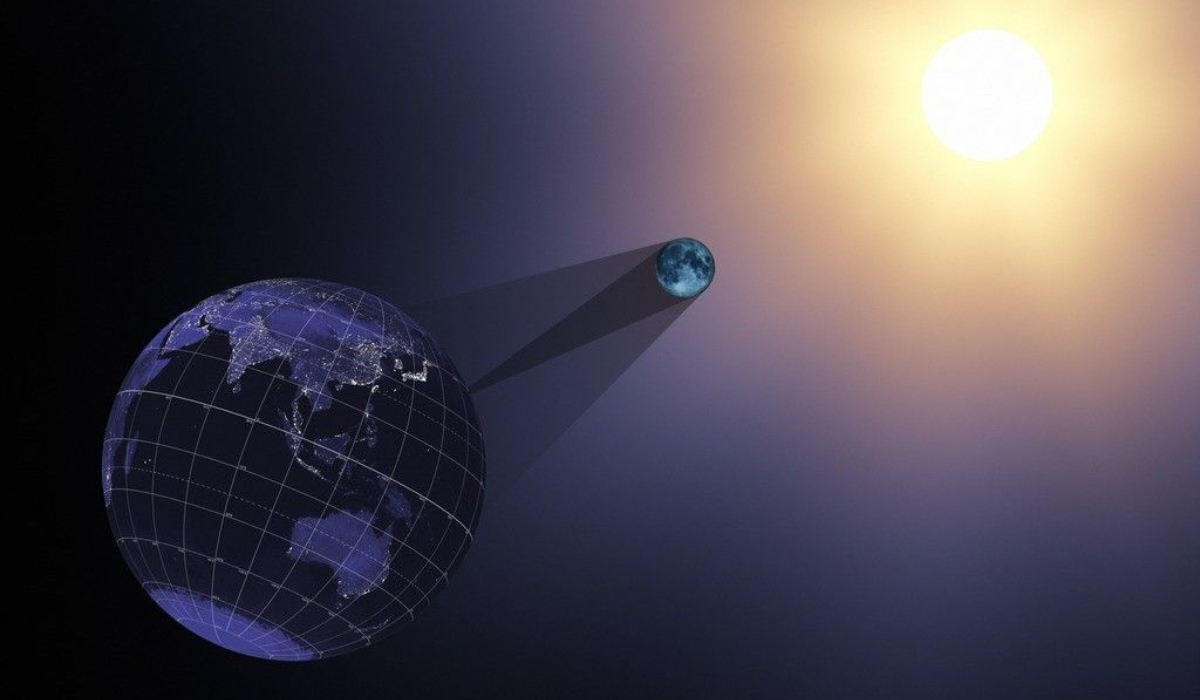
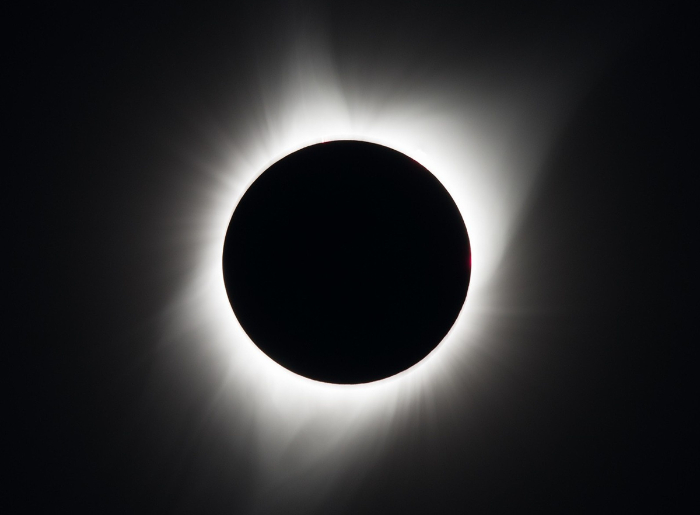
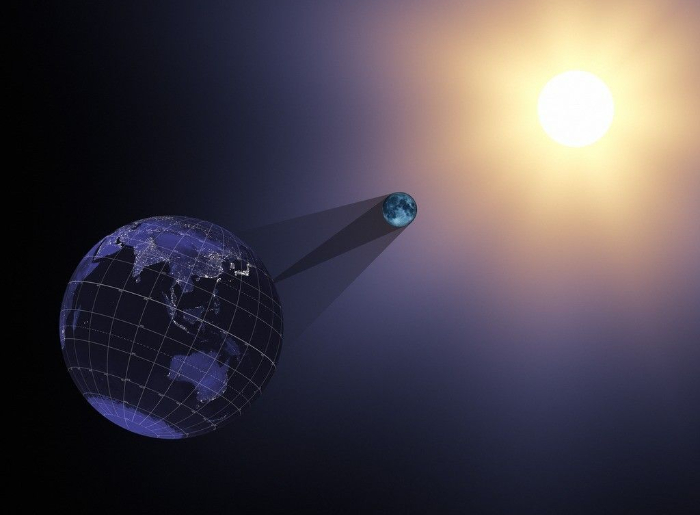
A total solar eclipse occurs when the Moon passes directly between the Sun and Earth, completely covering the Sun for observers positioned within a specific part of the Moon’s shadow. The darkest central section of this shadow is called the umbra, and the narrow region it traces across Earth is known as the path of totality. Only people located within this path experience a total eclipse.
During a total eclipse, the Moon blocks the Sun’s bright disk and briefly reveals the corona, its faint outer atmosphere. This remarkable sight is possible because of an astronomical coincidence. Although the Sun is roughly 400 times larger than the Moon, it is also around 400 times farther away, making the two appear nearly the same size when viewed from Earth.
Also Read: Sunita Williams on Space Tourism: From Moon To Mars and Beyond
When Is The Total Solar Eclipse 2026?
The Total Solar Eclipse 2026 date is Wednesday, August 12, 2026. The eclipse will travel across the Northern Hemisphere, with the exact timing and duration varying according to location. Greenland and Iceland will experience totality during the late afternoon or early evening, while Spain and the northwestern tip of Portugal will experience it later in the evening, shortly before sunset.
For most observers within the 2026 eclipse path, totality will last less than two minutes. Those positioned closer to the center of the eclipse path across Greenland, northern Russia, or the North Atlantic nations may experience a slightly longer total phase, although it will still remain under two and a half minutes.
Will The Total Solar Eclipse Be Visible In India?
No, the Total Solar Eclipse 2026 will not be visible from India. The path of totality does not pass through the country, and India also falls outside the region where the August 12 eclipse will be visible as a partial solar eclipse. Travelers from India who want to experience totality in person will therefore need to travel to a destination within the eclipse path.
For those looking for information about solar eclipse 2026 India visibility, watching an official live broadcast is the most convenient alternative. NASA is scheduled to begin its live coverage at 1:15 PM EDT on August 12, allowing viewers outside the visibility zone to follow the eclipse as it unfolds.
Solar Eclipse 2026 Date, Timings And Best Places To Watch
The Total Solar Eclipse 2026 will take place on Wednesday, August 12, 2026. The exact eclipse timings will vary by location, but some of the most notable viewing destinations fall directly within the path of totality, where the Moon will completely cover the Sun for a brief period.
- Reykjavík, Iceland: The partial eclipse begins at 4:47 PM, with totality from approximately 5:48 PM to 5:49 PM. Reykjavík is one of the most appealing places to watch the eclipse because Iceland sits directly in the path of totality and offers a dramatic natural setting for the event.
- León, Spain: The partial phase begins at 7:32 PM, followed by totality from approximately 8:28 PM to 8:30 PM. León is one of the strongest options in mainland Europe because it will experience close to two minutes of totality shortly before sunset, creating especially striking viewing conditions.
- Valencia, Spain: The eclipse begins at 7:38 PM, with totality expected between approximately 8:32 PM and 8:33 PM. Valencia stands out because the eclipse will unfold close to sunset, giving travelers a chance to see the Sun low on the horizon during the event.
For most places within the 2026 eclipse path, totality will last less than two minutes. Locations closer to the center of the path may experience a slightly longer total phase, although it will still remain under two and a half minutes. All timings listed above are in local time
How To Watch The Total Solar Eclipse 2026 Safely
Proper eye protection is essential when viewing any partial phase of a solar eclipse. Regular sunglasses are not safe, regardless of how dark they are. Eclipse viewers should use solar viewing glasses or handheld viewers designed specifically for looking at the Sun. NASA’s guidance states that safe solar viewers should comply with the ISO 12312-2 international standard.
Only observers within the path of totality can briefly remove their eclipse glasses, and only when the Moon has completely covered the Sun’s bright face. Eye protection must be put back on as soon as any part of the bright Sun reappears. Anyone experiencing only a partial eclipse must keep appropriate solar eye protection on throughout the event.
- Use Proper Solar Viewing Glasses: Regular sunglasses cannot safely filter the intense light from the Sun. Use eclipse glasses or an appropriate handheld solar viewer.
- Protect Cameras And Optical Equipment: Never look at the Sun through binoculars, telescopes, or camera lenses while wearing eclipse glasses. Optical equipment requires a specialized solar filter fitted to the front.
- Consider Indirect Viewing: A pinhole projector can project an image of the Sun onto another surface, allowing the eclipse to be observed without looking directly at it.
Also Read: Astro-Tourism Emerging As A New Trend In India
Why Doesn’t A Solar Eclipse Happen Every Month?
A solar eclipse can only occur during a new moon, but that does not mean every new moon produces one. The Moon’s orbit is tilted by approximately five degrees compared with the plane of Earth’s orbit around the Sun. During most new moons, the Moon therefore passes slightly above or below the Sun from our perspective, causing its shadow to miss Earth.
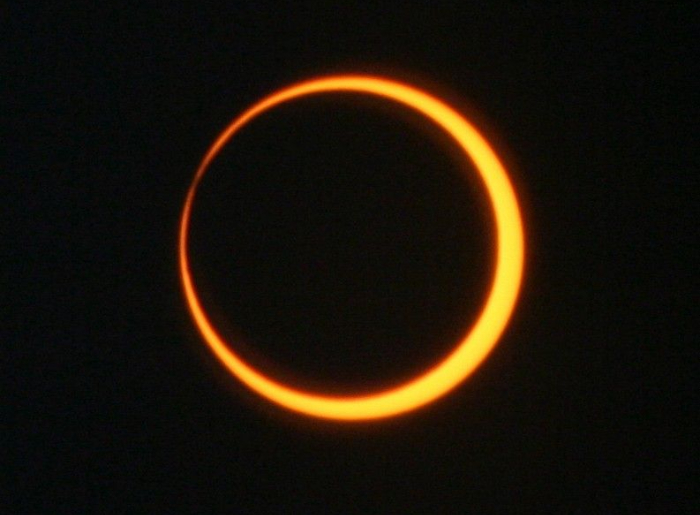
Solar eclipses become possible during periods known as eclipse seasons, when the alignment of the Sun, Moon, and Earth is favorable. The precise positions and distances involved then determine whether observers experience a total, partial, annular, or hybrid solar eclipse.
Summing Up
The Total Solar Eclipse 2026 on August 12 will offer travelers a rare opportunity to witness complete totality across parts of northern Russia, Greenland, Iceland, Spain, and Portugal. For most locations within the path, complete darkness will last less than two minutes, making both the choice of destination and advance planning especially important.
While the Solar Eclipse 2026 will not be visible in India, travelers can head to destinations such as Iceland or Spain to experience totality in person, while those staying home can follow an official broadcast. Across much of Europe and northwestern Africa, the partial eclipse will also be impressive, with several major cities experiencing more than 90 percent coverage. Wherever you watch it, proper solar eye protection remains essential during every partial phase of the eclipse.