
The Rath Yatra in Puri is one of the most anticipated religious events in India – organized on a magnanimous scale in the state of Odisha. However, the state of West Bengal is home to a newly-inaugurated Jagannath Temple in Digha, similar to the original Jagannath Temple. The new temple has replicated the original temple’s style and rituals and will also replicate the original temple’s revered Rath Yatra. Despite the many similarities between the two temples, there are a few differences between the two, so here’s the team unstumbled over the differences between Rath Yatra in Puri vs Rath Yatra in Digha.
Rath Yatra In A Glimpse
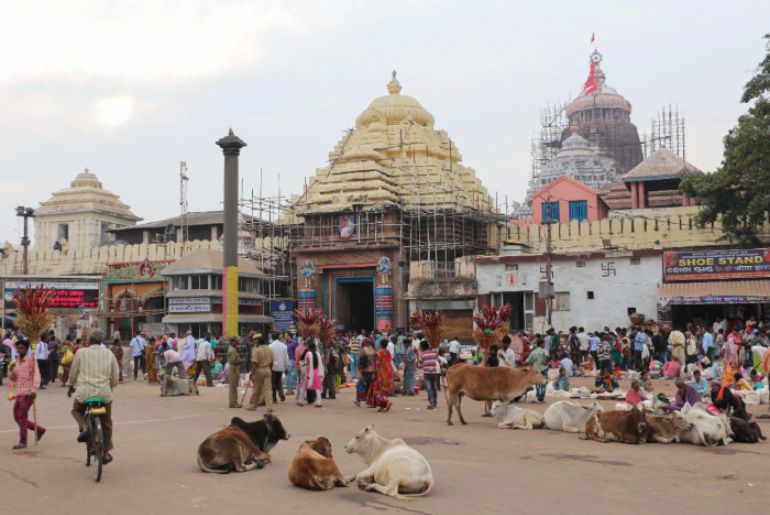
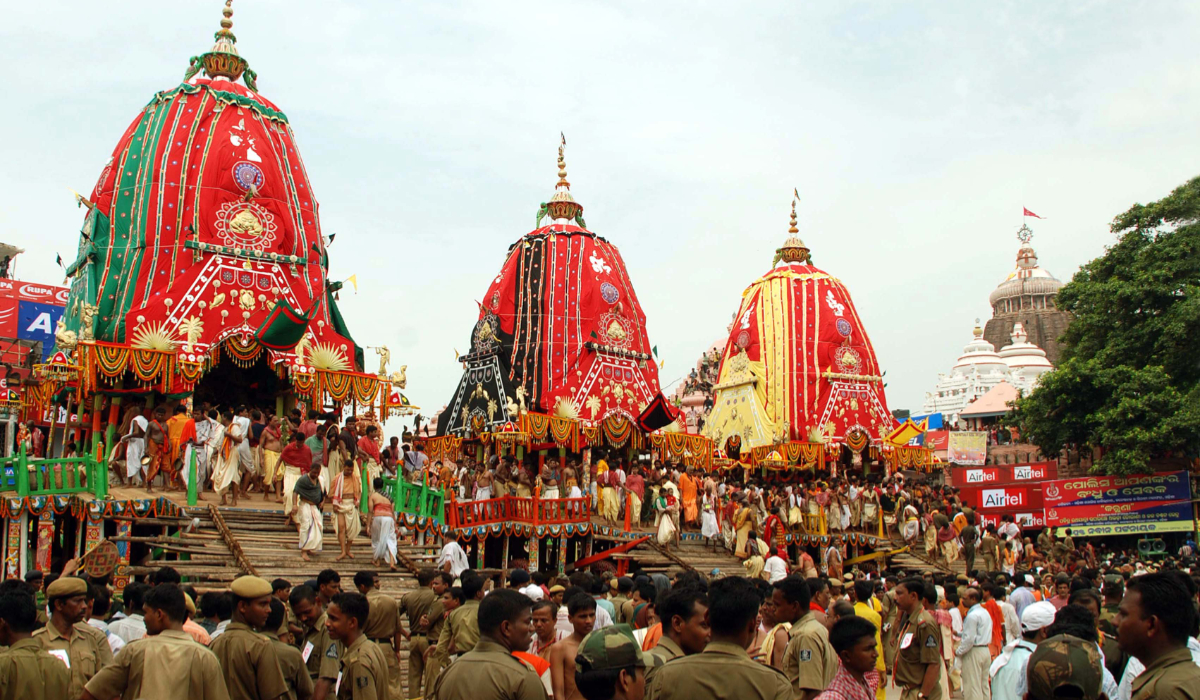
Before we explore the differences between the Rath Yatra in Puri and the Rath Yatra in Digha, let’s first understand what Rath Yatra is. During this festival, the three primary deities — Lord Jagannath, along with his siblings, Lord Balaram (also known as Balabhadra) and Goddess Subhadra — are carried in grand processions. In the original Rath Yatra of Puri, this procession moves from the main temple to the Gundicha Temple, which is considered the residence of the deities’ aunt.
Every year, the procession grabs eyeballs for its grandeur – mainly captured through the enormous raths or chariots. The deities are placed on these chariots and then taken out for the Rath Yatra. These chariots are ornately decorated with wooden carvings, flowers, as well as other decorations and are pulled by thousands of devotees. It is believed that pulling these chariots cleanses one of their sins and frees them from the cycle of birth and death.
Rath Yatra In Puri Vs Rath Yatra In Digha: Key Differences
Rath Yatra Footfall
A key difference between the two temples lies in how long they’ve been hosting the Rath Yatra. The original temple has been hosting the Rath Yatra for centuries, while the new temple hosted its first Rath Yatra only last year, in 2025. It is natural for the old temple to attract significantly more visitors compared to the newer one. The Puri Jagannath Temple is estimated to receive between 1.5 and 2.5 million devotees just during the annual Rath Yatra. In contrast, the Digha Jagannath Temple has seen approximately 1.3 crore visitors to date.
Route Distance
While both the temples follow similar rituals, the Rath Yatras of both the temples will slightly differ in the route distance they follow. During the Puri Jagannath Rath Yatra, devotees pull the deities’ chariots over a 3-kilometer-long stretch from the main temple to the Gundicha temple. On the other hand, the new Digha Jagannath Rath Yatra will see devotees pull the chariots over just a kilometer from the main temple to Mamar Bari.
Entry Restrictions
The new Digha Jagannath Temple follows a more liberal temple access policy compared to that of the original Puri Jagannath Temple. The latter has maintained a strict policy of only allowing Hindu devotees inside the temple and disallowing those of any other religion. On the other hand, the new Digha temple has no restrictions whatsoever – devotees hailing from all kinds of religious backgrounds are allowed entry inside the temple.
Rebuilding The Chariots
The traditionally decked-up chariots you see every year in the Puri Jagannath Rath Yatra are made and rebuilt every year. This is a tradition that has been ardently followed for centuries. However, it hasn’t been confirmed whether the new Digha Jagannath temple will follow suit and rebuild its chariots each year.
Key Differences Between Puri Jagannath And Digha Jagannath Temples
| Key Differences | Puri Jagannath Temple | Digha Jagannath Temple |
| Built In | 12th Century | 2025 |
| Administered by | Gajapati Maharaja of Odisha | West Bengal Government, and partly overlooked by ISKCON (International Society for Krishna Consciousness) |
| Architecture | Traditional Kalinga style | Built by HIDCO as an exact visual replica of the Puri temple, strictly embodying the traditional Kalinga architectural style (Nagara style) |
| Location | Puri, Odisha | Digha, West Bengal |
Rath Yatra in Puri vs Rath Yatra in Digha: The Stirring Controversy
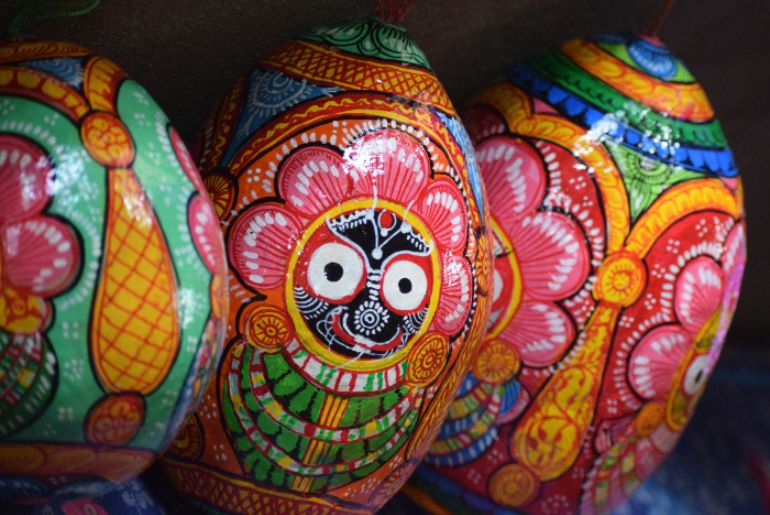
Since the announcement of a new replica of Puri Jagannath Temple in Digha, the move has received widespread criticism from Odisha’s government and its people. Following the West Bengal assembly elections, the newly formed state government under Chief Minister Suvendu Adhikari officially agreed to a formal request from Odisha Chief Minister Mohan Charan Majhi to drop the word “Dham.” The complex has been officially renamed the “Shri Shri Jagannath Cultural Centre” to preserve the unique religious exclusivity of Puri as one of the four original holy Dhams.
There were also objections raised regarding the use of the sacred neem wood that is traditionally reserved for the deities of the Puri temple. However, a subsequent investigation officially rebutted the allegations that the wood was illegally or improperly procured from Puri’s strictly guarded reserves, clearing the Digha shrine of that specific logistical violation.
Also Read: Jagannath Puri Rath Yatra Itinerary: Complete 2-Day And 3-Day Plans
Summing Up
Did you notice the differences between Rath Yatra in Puri Vs Rath Yatra in Digha? Despite many similarities, there are certain differences that make the Puri and Digha Rath Yatras different from each other. Be it the yatra route or the ritual of rebuilding chariots, we hope you’ve understood the key differences that make these processions distinctly unique.