

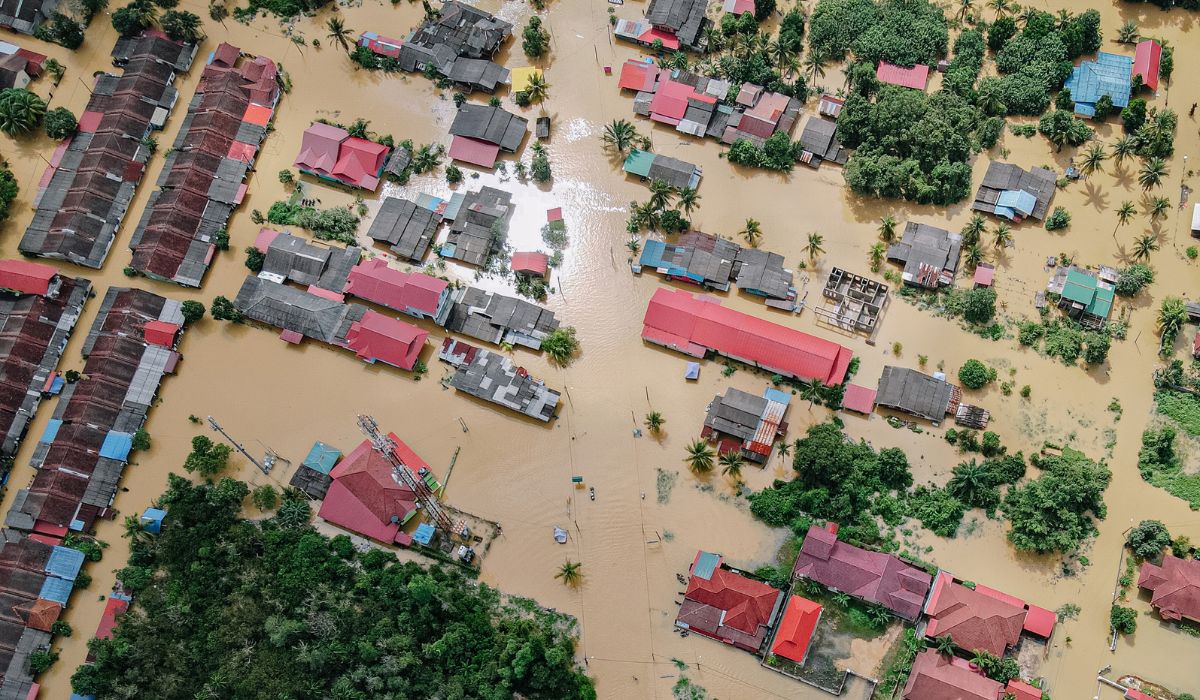
Nepal is currently grappling with a flash flood that is said to have been a result of Glacial Lake Outburst Flood (GLOF) activity and seismic shifts near the Nepal-China border. This has subsequently wreaked havoc on the northern districts of Nepal as major Himalayan Rivers flow directly into the Gangetic plains from the south of Nepal. Surge warnings have been issued for a number of Indian states as well. Here is all we know so far.
Nepal Flash Floods: High-Risk Indian Regions
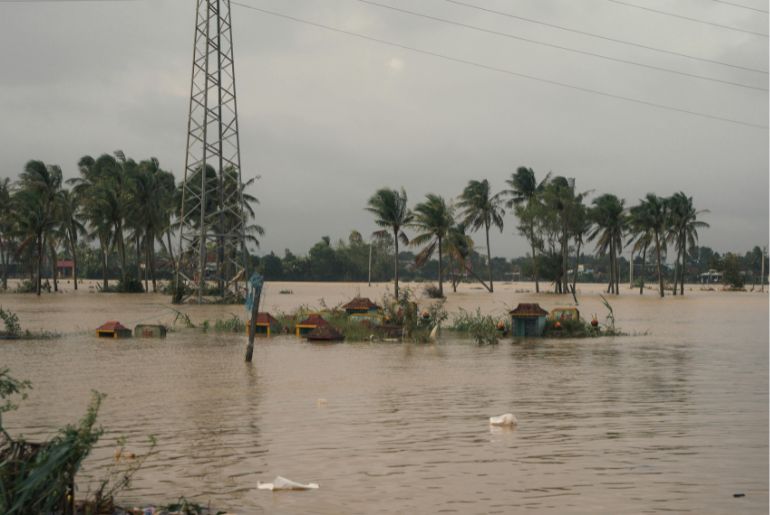
There are a few Indian regions that might be affected owing to the flash floods in Nepal.
Bihar
The region at the highest risk is Bihar. Regions like West Champaran, East Champaran, Gopalganj, Supaul, Muzaffarpur, Saran, and Vaishali are on high alert.
The major threat is of increased water discharge from the Valmikinagar Barrage on the Gandak River. If this happens, low-lying areas and their agrarian communities could be devastated. As such, monitoring along the Gandak River has been increased, and evacuations have also been ordered.
Uttar Pradesh (UP)
Most vulnerable regions include Maharajganj, Kushinagar, and Deoria. Major threats here are the rising levels of the Gandak, Ghagara, and Rapti river basins. Both the Sashastra Seema Bal or the Border police and the National Disaster Response Force or the NDRF units have deployed rapid response teams along the border.
Uttarakhand
Uttarakhand’s border regions like Chamoli and districts connected to Ghagra-Karnali and Mahakali river basins are at risk and under close surveillance of authorities.
Also Read: Vaishno Devi Yatra Suspended: Pilgrims To Get Full Refund Amidst Catastrophic Rain And Flooding
How You Can Help Those Who Are Affected
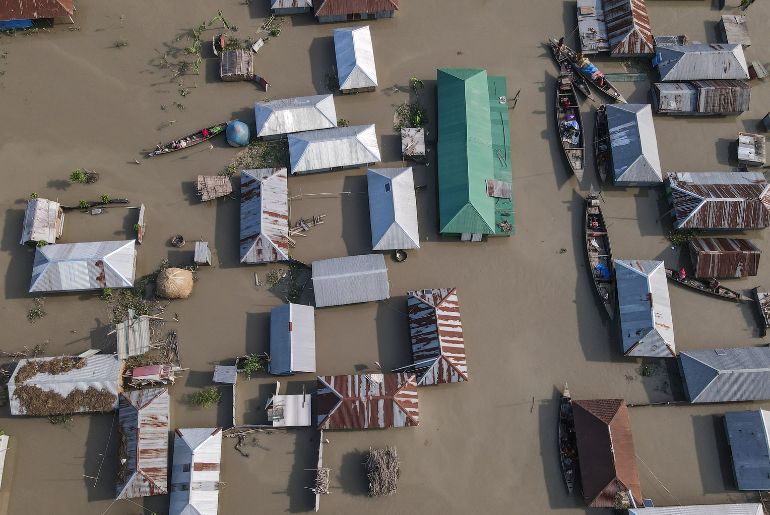
There are a number of ways in which you can help those affected, including assisting displaced local populations in border districts and aiding direct response in Nepal.
Donate To Verified Relief Organizations
If you’re financially able, you can donate to verified and reputable relief organizations that are providing supplies like clean water, medical kits, and dry ration packs. Here are a few organizations you can consider donating to:
- Indian Red Cross Society (IRCS) and Nepal Red Cross Society (NRCS)
- OXFAM India or UNICEF South Asia Crisis Fund
- PM National Relief Fund or State-level disaster relief funds like Bihar/UP Chief Minister’s Relief Funds
Utilize Government Emergency Helplines
If you know someone who is stranded in the border region or was in Nepal last you checked, direct them to the emergency helplines:
- National Emergency Number (India): 112
- State Control Rooms: 1070 (Disaster Management helpline)
- Indian Embassy Helpline in Kathmandu: +9779851316807; +9779709107500; +9779810326117
You can reach out to embassy emergency desks for missing person updates.
Another way to help would be to share only verified updates of the floods to avoid causing panic and misinformation.
Also Read: Planning to Travel? IMD Issues Heavy Rainfall & Flood Alerts In These States
Summing Up
These flash floods in Nepal, so far, have claimed the lives of around 160 people. Hundreds, in addition, are missing. 133 of those missing are Indians, and 37 are NRIs. It is hoped that the situation will improve soon.