Is Kartik Purnima The Same As Dev Deepawali? The Difference Explained
Are Kartik Purnima and Dev Deepawali the same? Understand their meaning, religious significance, rituals and the 2026 celebration date.
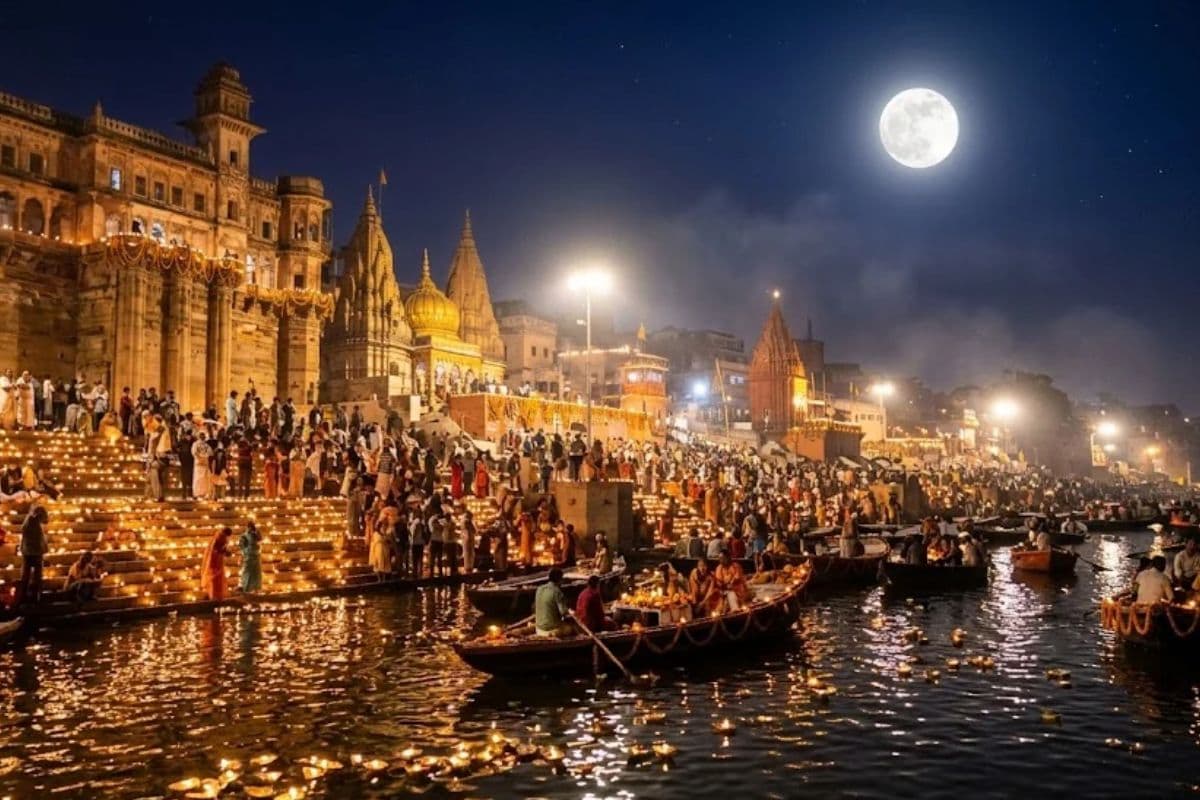
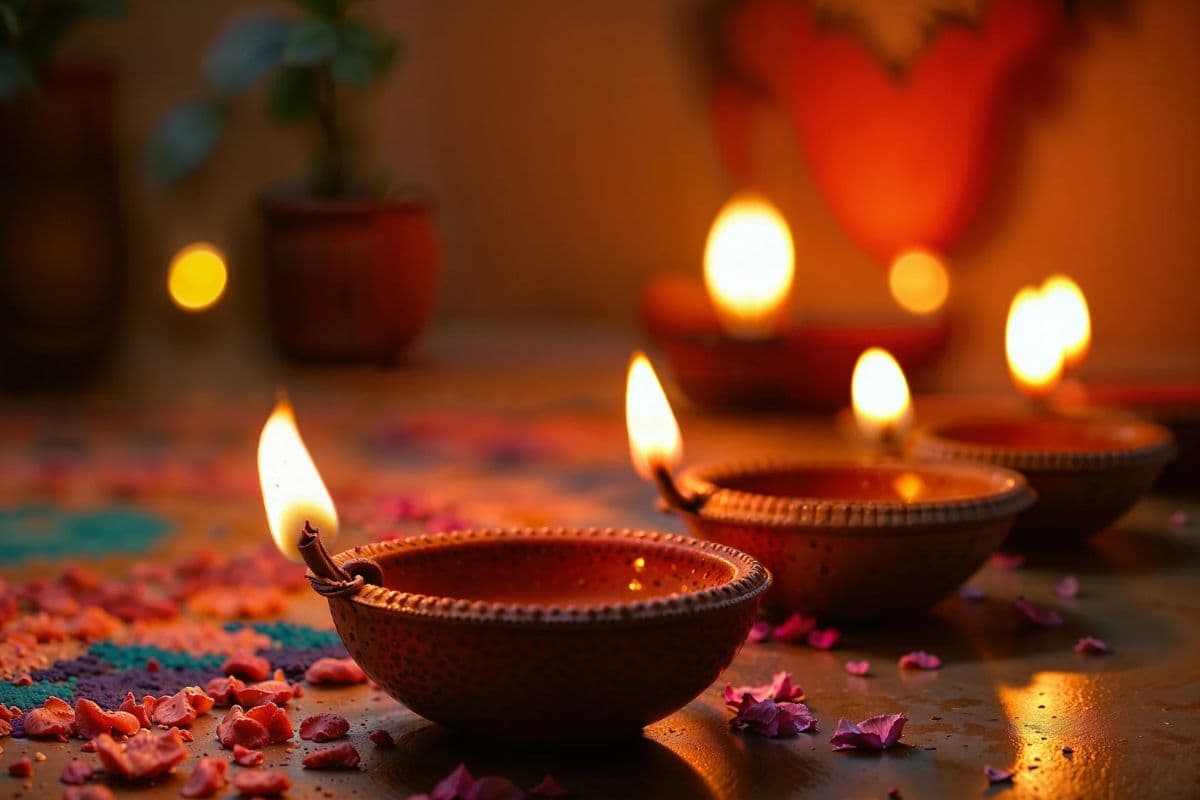
Dev Deepawali | Photo Credits: Gemini AI
When the air starts becoming cool and crisp, the festival calendar approaches its grand transition. Among these festivals, two occasions come together in the sacred month of Kartik on the full moon night: Kartik Purnima and Dev Deepawali. These two occasions often cause a lot of confusion as to whether these two events are the same or represent distinct celebrations. Well, the answer is that they occur on the same calendar day but have distinct identities. Let's understand the difference in detail.
Is Kartik Purnima The Same As Dev Deepawali?
Meaning
Kartik Purnima is the lunar day or tithi, which is basically the full moon day of the Hindu month Kartik. This special occasion is celebrated across India with a holy bath or snan, Vishnu and Shiva worship, charity or daan, and evening lamp lighting. It is also known as Tripurari Purnima. It is a religious day that marks the end of the holy month of Kartik.
Dev Deepawali literally translates to “the Diwali of Gods”. It is a name given to the grand celebration of this same full moon night that is known as Kartik Purnima. Dev Deepawali is actually a luminous festival centered in Varanasi. The riverbanks or Ganga ghats are illuminated with lakhs of diyas to celebrate Dev Deepawali. It is believed that on this day the Devas, or gods, descend to Earth to bathe in the holy Ganga River and celebrate their own Diwali.
Kartik Purnima | Photo Credits: Needpix
Also Read: Here’s Where You Can Eat, Sip And Socialize This Diwali 2026 In Mumbai
Significance & Story
The full moon of Kartik is considered to be one of the most spiritually charged nights of the year. There are many mythological stories related to this one single day, and this itself explains how special this full moon in the month of Kartik is.
Tripurari Purnima & Dev Deepawali are associated with the demon Tripurasura and Lord Shiva. According to the Shiva Purana, a demon named Tripurasura built three indestructible cities which were collectively called Tripura. He terrorized the universe and defeated all the devas one by one. Unable to defeat him, all the gods ran to Lord Shiva and asked for his help.
It is believed that on Kartik Purnima, Lord Shiva took the form of Tripurari and destroyed all three cities using a single arrow. As the cosmic threat was neutralized, the gods descended to earth, specifically to Shiva’s eternal city, Varanasi, out of joy and relief to celebrate this victory by lighting lamps.
The next story speaks about how Lord Vishnu took his first incarnation, Matsya Avatar, on this exact full moon. Matsya Avatar is the horned divine fish incarnation that rescued the sages, medicinal herbs, and the sacred Vedas from the Pralaya, or cosmic deluge. The day of Kartik Purnima also celebrates the birth of Lord Shiva’s son, Lord Kartikeya or Murugan. He is known as the commander of the divine army.
The month of Kartik is also deeply tied to Lord Vishnu. The protector of this universe is believed to sleep during Chaturmas, which begins on Shayani Ekadashi and ends on Prabodhini Ekadashi. This Ekadashi occurs a few days before Kartik Purnima. By the time the full moon occurs, the cosmos gets fully active again and auspicious energies peak.
Also Read: What Is Diwali Faral? A Guide To Maharashtra’s Festive Snacks
Celebrations Across India
Dev Deepawali is concentrated in Varanasi (Kashi) and northern Ganga riverfronts. It evokes a spellbinding visual of Varanasi’s riverfront glowing with a million clay lamps on the banks or floating in the river. From Assi Ghat to Rajghat, more than 80 historic stone ghats are decorated with thousands of mustard-oil lamps. The revered Maha Aarti is performed at the Dashashwamedh Ghat amid brass braziers, Vedic chants, and conch shells. It is said to be a spectacle that is specially designed for the gods who are believed to be descending on earth in Varanasi.
Kartik Purnima, on the other hand, is celebrated in different ways in different regions.
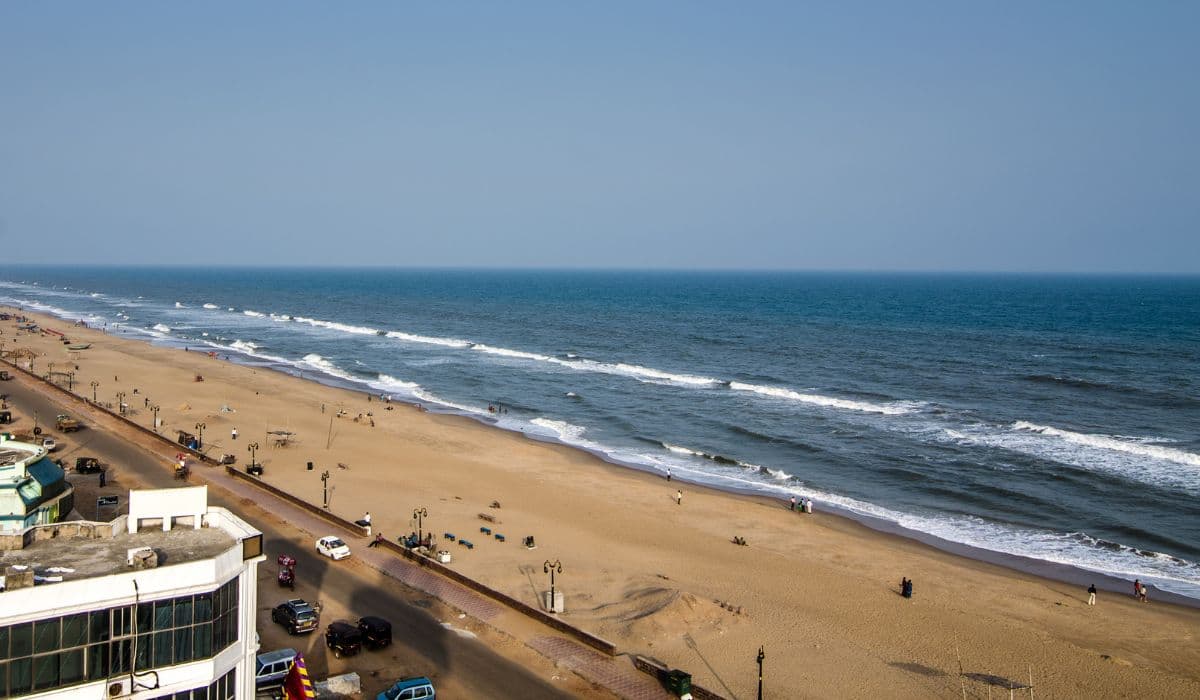
In coastal Odisha, Kartik Purnima is celebrated as Boita Bandana. At sunrise, thousands of people gather along the Mahanadi River, Puri’s sea coast, or local ponds. They float tiny toy boats made out of cork, banana bark, and colored paper, carrying brass lamps, coins, and betel leaves.
In Maharashtra, families visit temples featuring tall Deepastambhas. The wick lamps are lit by the devotees to honor Lord Shiva’s victory over Tripurasura.
Kartik Purnima is celebrated as the grand finale of the world-famous Pushkar Camel Fair. Many people take a dip in the sacred Pushkar lake in order to cleanse themselves of a lifetime of sins.
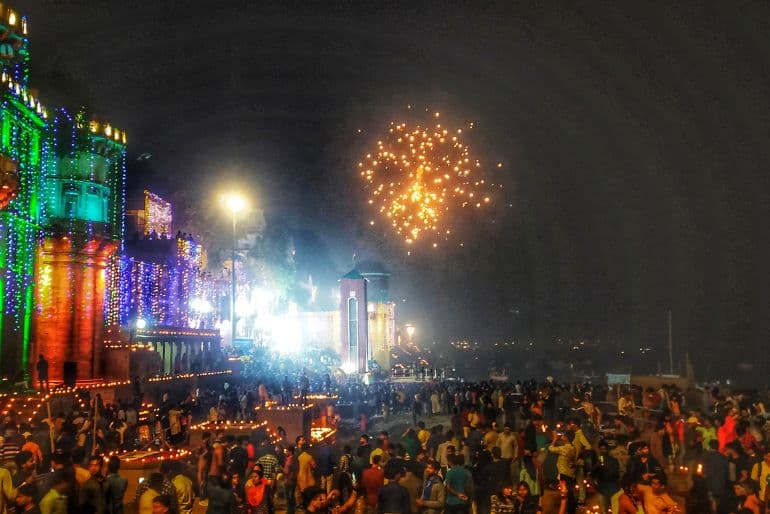
Dev Diwali | Photo Credits: Wikimedia Commons
Note: This article was compiled after verifying current publicly available information.
Also Read: What To Gift This Diwali? Unique Ideas Beyond Mithai And Dry Fruits
Summing Up
While calling Kartik Purnima Dev Deepawali is common in modern conversations, the difference is simply beautiful. While Kartik Purnima is an auspicious day or lunar tithi, Dev Deepawali is an observance that occurs on this day.
- Published:
- Updated: