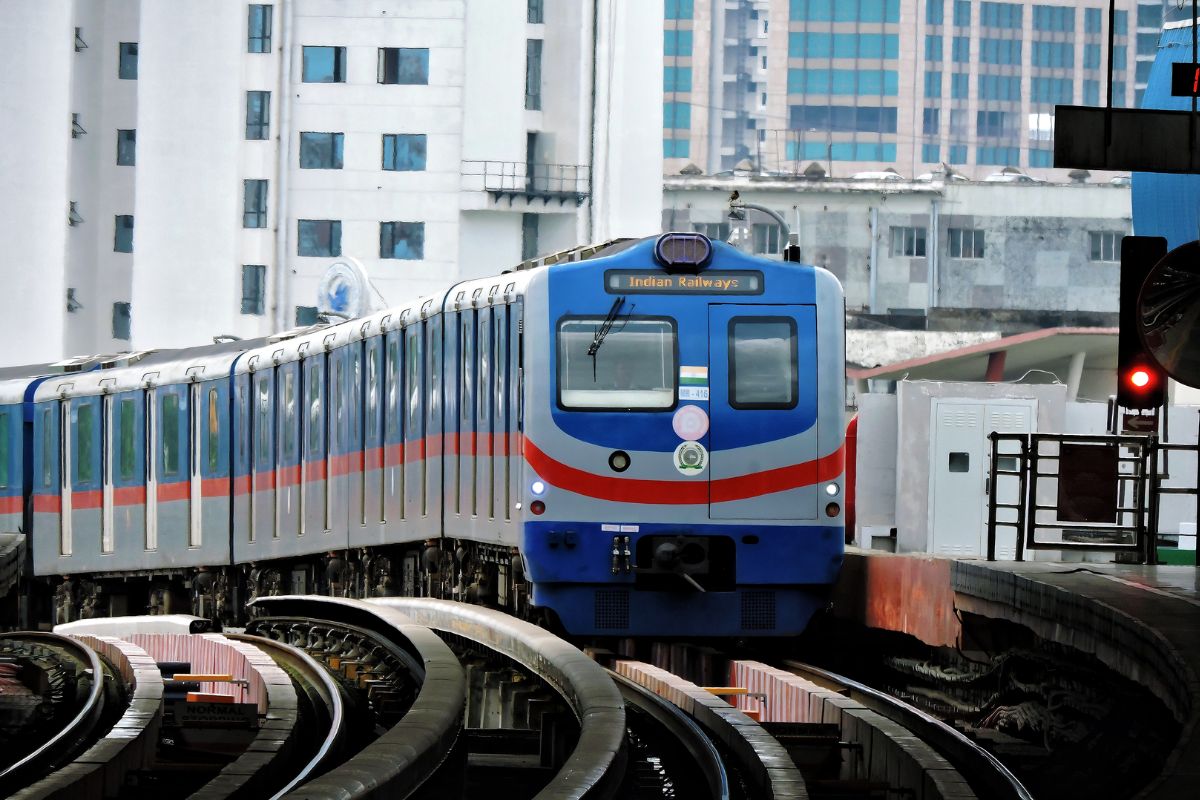

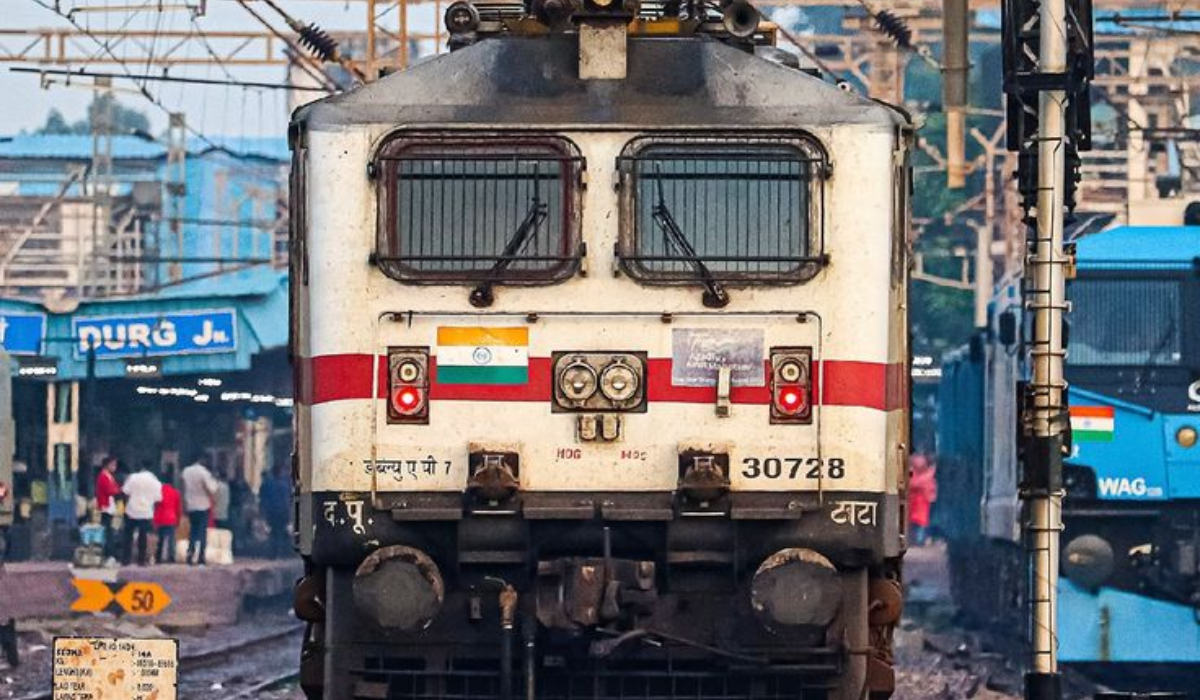
Railway ticket booking in India has changed a lot for millions of passengers, moving from long lines at counters to mostly digital bookings. The Passenger Reservation System (PRS) has been the main technology behind computerized ticketing since 1986. Indian Railways is updating this system with a new PRS made by the Centre for Railway Information Systems (CRIS). The upgrade began in August 2026 and is being tested gradually with different numbers of users before completely replacing the old system. The new IRCTC beta website is also part of this update.
What Is the Passenger Reservation System?
The Passenger Reservation System or PRS is a computer system that handles reserved ticket services for Indian Railways. It manages bookings, cancellations, changes, seat assignments, waitlists, RAC tickets, reservation charts, and passenger questions. The system connects reservation counters with digital platforms so that passengers can use services at counters, on websites, or through mobile apps.
Railway Ticket Booking Changed Over the Years?
Since computerized reservations began, Indian Railways’ ticket reservation system has seen many big changes.
- 1986: PRS was introduced, indicating the start of computerized railway reservations in India.
- 1990s: The PRS network expanded across railway zones, creating an interconnected nationwide reservation system.
- 2002: Internet-based ticket booking was introduced, extending reservations beyond physical counters.
- 2014: The Next Generation e-Ticketing system was launched to improve online booking capacity and passenger experience.
- 2025: RailOne was launched, while the development of a next-generation PRS with significantly higher booking and enquiry capacity was announced.
- August 2026: Phased migration to the upgraded PRS began.
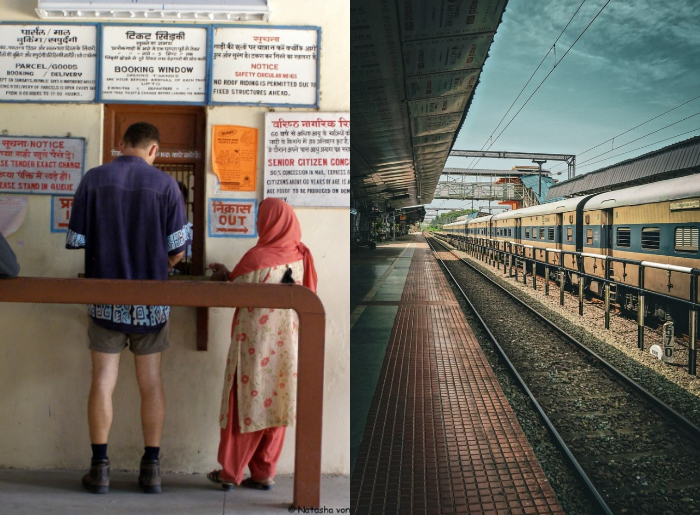
Why Does Indian Railways Need a New PRS?
Most reserved railway tickets are now booked online. From June 2025 to June 2026, passengers booked 65.08 crore reserved tickets through PRS, and 57.90 crore of these, or 89 per cent, were booked online.
The scale of the current reservation ecosystem includes:
- More than 6,900 manual reservation counters
- Over 20.5 lakh passengers booked daily
- More than 5.72 crore online user accounts
- Over 5 lakh concurrent users or sessions
- Around 73 per cent cashless transactions
- Three major booking channels covering counters, websites and apps, and authorized agents
With more people booking online, especially during Tatkal times, the system needs to handle many more transactions while staying reliable.
How Much Faster Will The Next-Generation PRS Be?
The new PRS is built to handle many more bookings and enquiries, and to give passengers a better online experience, with the ability to process more than 1.5 lakh bookings per minute.
- Enquiry capacity will rise from over 4 lakh to more than 40 lakh enquiries per minute.
- Passengers will have an easy-to-use interface available in multiple languages.
- The platform will use cloud technology and be flexible and able to grow as needed.
- The system’s better flexibility and reliability will help it serve more passengers as demand increases.
IRCTC Beta Website Shows Faster Tatkal Bookings
The IRCTC beta website, launched on July 15, 2026, is part of the transition. It has a simpler design, fewer steps to book tickets, and lets users check seat availability in different classes:
- Bookings completed within the first three minutes increased by more than 5 per cent.
- Bookings completed within five minutes increased by 3 percent.
- Bookings completed within 30 minutes increased by more than 2 percent.
- Online bookings accounted for 89.84 percent of reservations in July 2026.
What Other Passenger-Focused Changes Have Been Introduced?
Indian Railways has made several changes as part of its wider move to digital systems to match passenger booking patterns. OTP-based verification was subsequently added to curb misuse by automated bots and unauthorised agents. These steps aim to make railway reservations clearer and to adjust the system as passengers’ booking habits change.
From RailConnect to RailOne
CRIS has also created electronic platforms that changed how passengers use railway services. RailConnect, launched in 2017, brought PRS services to smartphones and allowed ticket booking, cancellations, and PNR enquiries. RailOne, launched in July 2025, goes further by bringing many railway services together in one mobile app.
- RailOne had recorded more than 4.55 crore Android and iOS downloads as of July 22.
- The app was facilitating around 9.65 lakh ticket bookings every day.
- Its AI-based waitlist confirmation prediction tool.: The app has an AI tool that predicts whether a waitlisted ticket will be confirmed when you book it, improving accuracy from 53 per cent to 94 per cent. Artificial Intelligence, Machine Learning, Big Data, Cloud Computing, Blockchain, the Internet of Things, and Augmented and Virtual Reality are being used to modernize railway operations.
These technologies are being applied to:
- Predict train delays and waitlist confirmations.
- Improve train routes and timetables.
- Forecast energy consumption.
- Allow predictive maintenance of railway assets.
- Improve planning and operational decision-making.
The new PRS will use this technology base, combining cloud systems with advanced digital tools.
Summing Up
With the introduction of Centre for Railway Information Systems (CRIS) new PSR framework, passengers will mainly notice faster and more reliable service. With higher booking capacity, busy times like Tatkal reservations should be smoother, and more people will be able to access railway information at the same time. The upgrade is happening gradually, letting Indian Railways test the new platform with different numbers of users. Once fully in place, the next-generation PRS is expected to offer a faster, more flexible, and easier-to-use base for India’s growing digital railway reservation system.