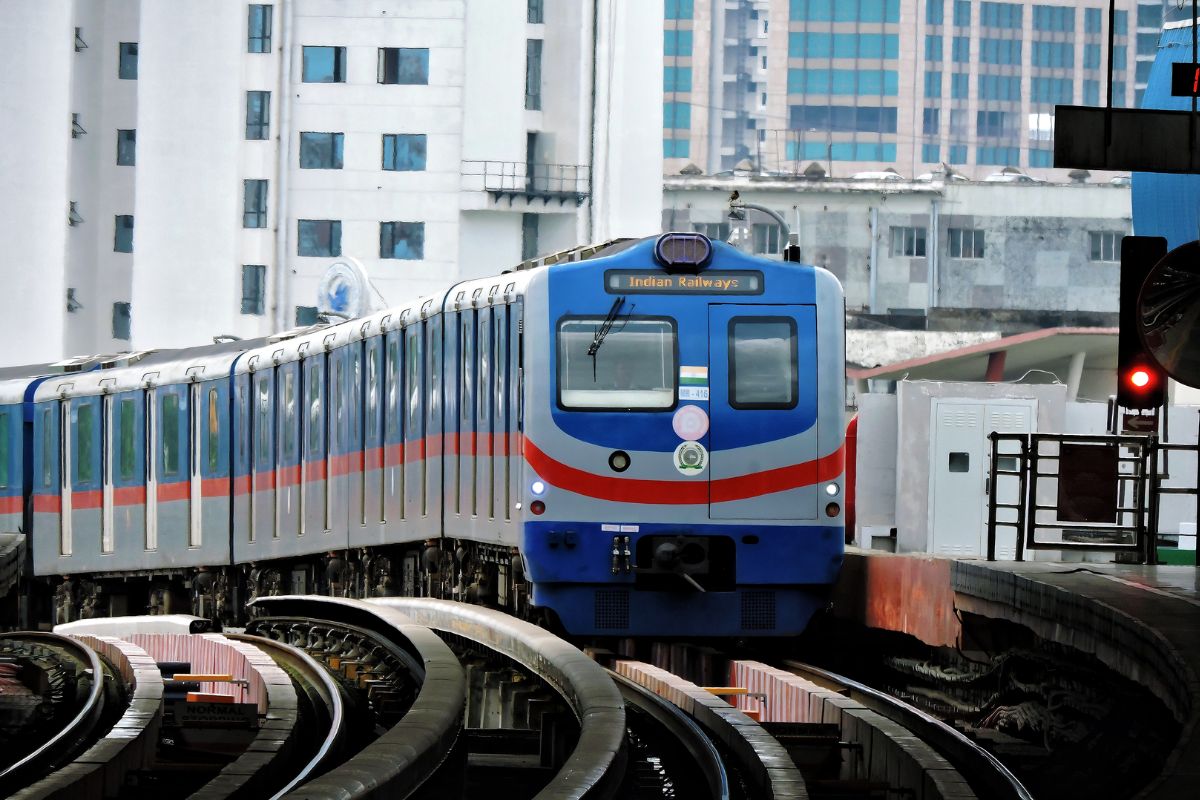

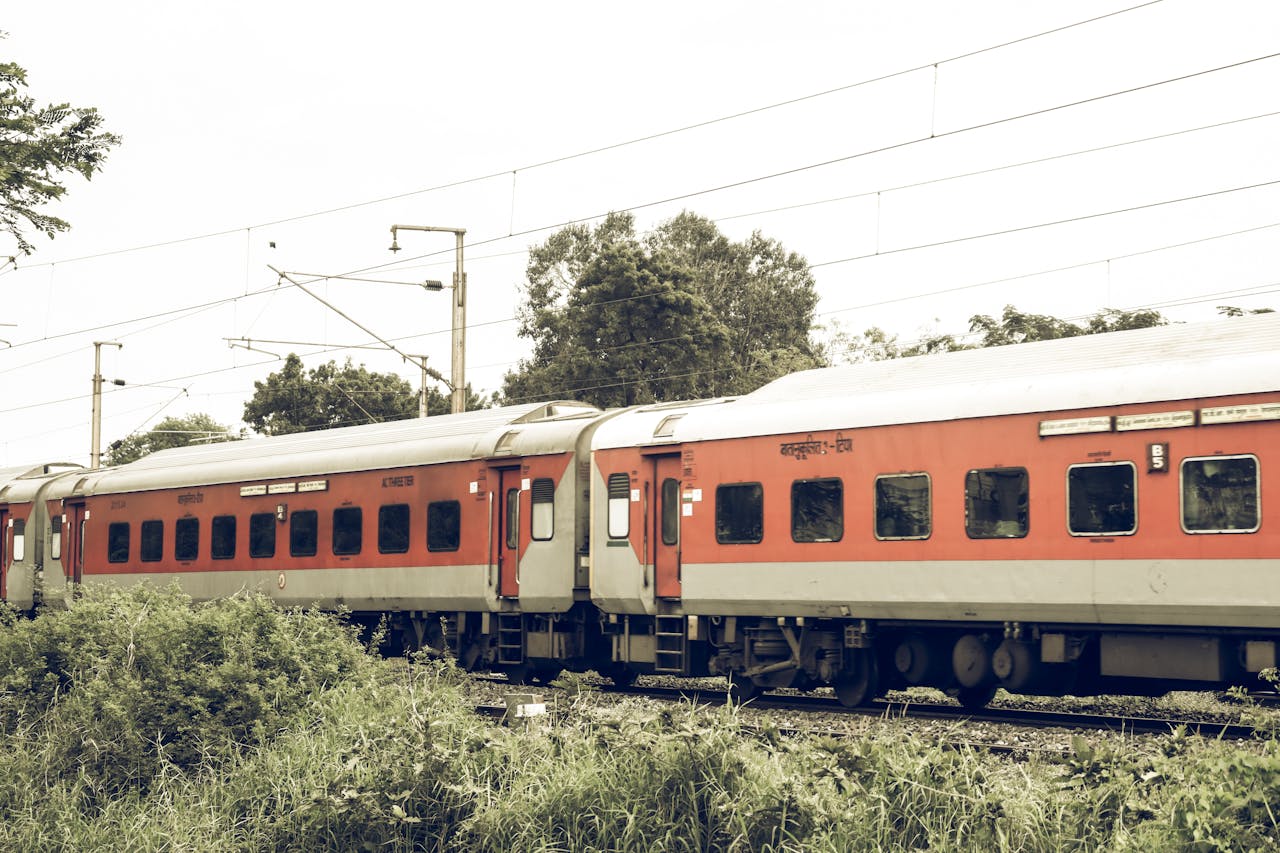
In a significant move to improve connectivity across India, the Indian Railways has announced a major expansion initiative. The Indian government has approved the three multitracking projects that will span 19 districts in Madhya Pradesh, Rajasthan, Uttar Pradesh, Karnataka, Andhra Pradesh, and Telangana. This expansion will add approximately 901 kilometers to the existing railway network, with a total investment of around ₹23,437 crore expected to be completed by 2030-31.
Also Read: Indian Railways Tightens Luggage Rules With Weight Caps And Penalties
The Cabinet Committee on Economic Affairs, under the leadership of Prime Minister Narendra Modi, has approved these three railway projects, which include the construction of the 3rd and 4th lines for the following routes: Nagda–Mathura, Guntakal–Wadi, and Burhwal–Sitapur. This additional capacity is designed to strengthen mobility and improve the operational efficiency and reliability of Indian Railways. The multitracking efforts aim to streamline operations and reduce congestion on current lines.
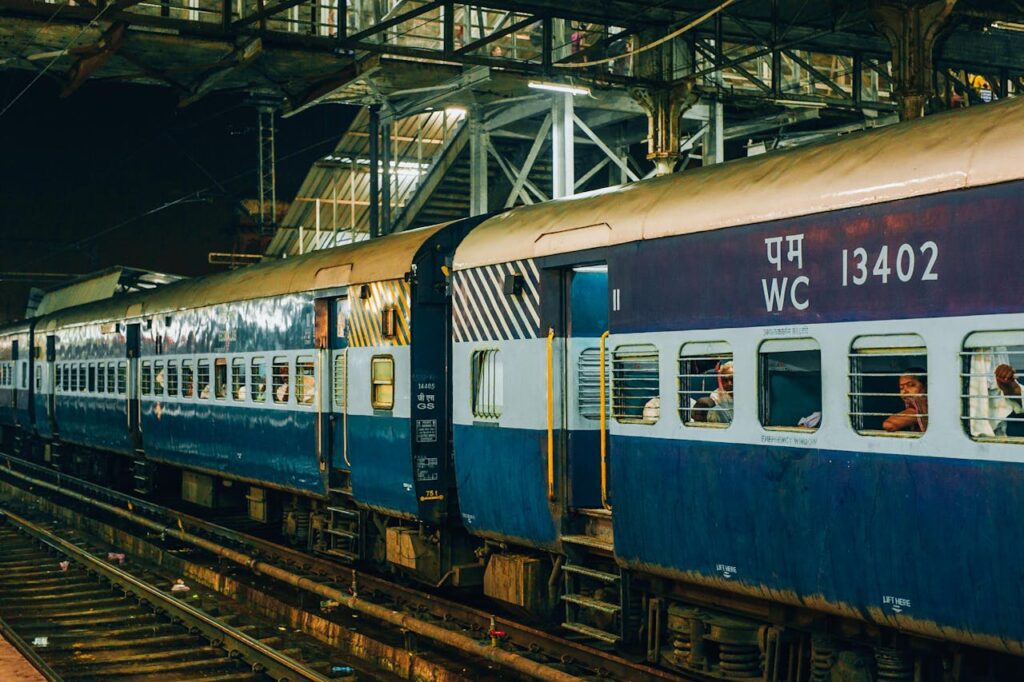
What To Know About Indian Railways’ New Expansion Project
The proposed capacity enhancement projects are designed under the PM-Gati Shakti National Master Plan, aiming to improve multi-modal connectivity and logistics efficiency through collaborative planning and engagement with stakeholders.
The expansion will also connect about 4,161 villages with a combined population of around 8.3 million. Improved rail connectivity will make travel easier to various prominent tourist spots such as Mahakaleshwar, Ranthambore National Park, Kuno National Park, Keoladeo National Park, Mathura, Vrindavan, Mantralayam (Sri Raghavendra Swamy Mutt), Sri Nettikanti Anjaneya Swamy Vari Temple (Kasapuram), Shyamnath Temple, Naimisharanya (Neemsar), and more.
Also Read: Indian Railways Announces Major Changes In Ticket Cancellation, Refund & Boarding Rules
These important projects will also enable the movement of essential goods like coal, food grains, and cement, leading to an anticipated increase in freight traffic of approximately 60 million tonnes per year. By supporting an eco-friendly mode of transport, the expansion will also contribute to lowered logistics costs, reduced oil imports, and decreased carbon emissions, equivalent to the planting of 7 crore trees.