

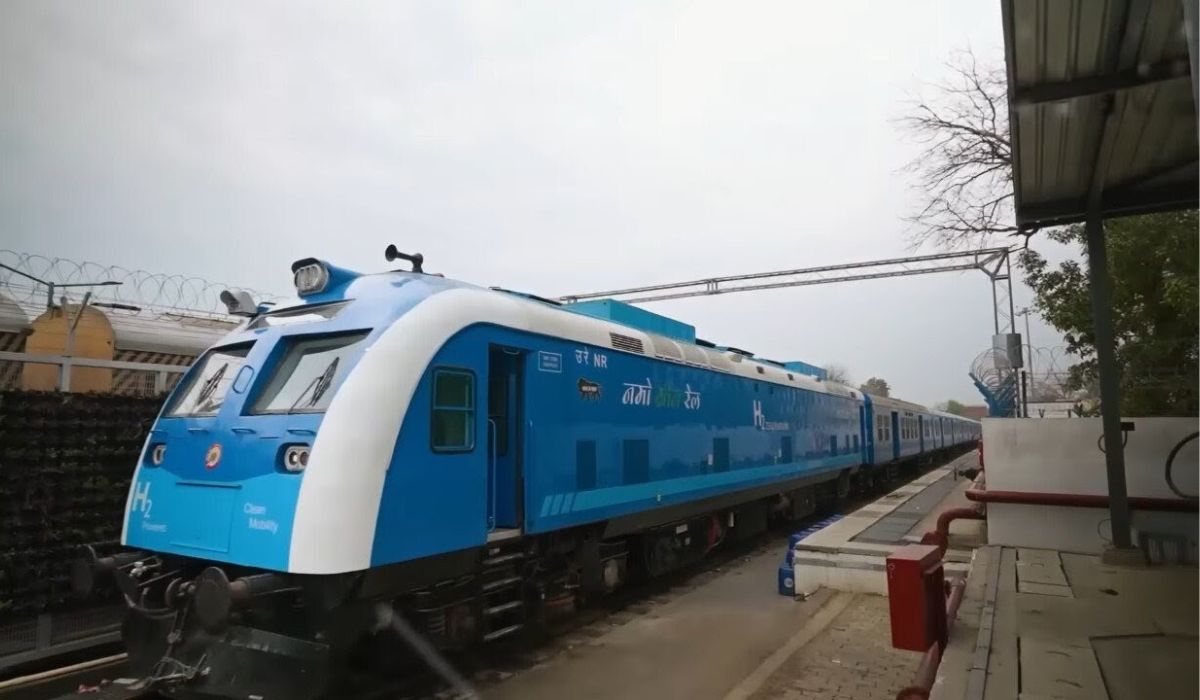
On July 17, 2026, Prime Minister Narendra Modi flagged off India’s first hydrogen-powered passenger train from Jind railway station in Haryana, marking a major milestone in the country’s transition towards cleaner rail transportation. The 10-coach train will operate on the 89-km Jind–Sonipat section and has been designed, engineered and integrated in India.
What Is The Fare Ticket Cost For India’s First Hydrogen Train
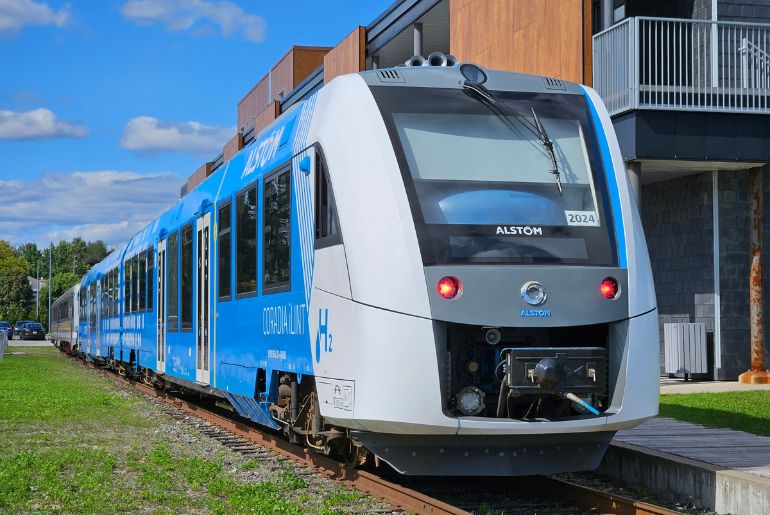
One of the most impressive aspects of this newly launched service is its low ticket prices. Tickets for India’s first hydrogen train start at just Rs 5, with a maximum fare of Rs 25, depending on the distance. This pricing structure is a surprise, especially when compared to platform ticket prices at many railway stations across the country. Those who took part in the inaugural journey also purchased the tickets at the minimal cost of Rs 5.
Train Schedule And Route Of India’s First Hydrogen Train
The hydrogen-powered train operates under the designation 74010, departing from Jind at 7:40 AM and reaching Sonipat by 9:40 AM. For the return journey, train number 74009 leaves Sonipat at 10:40 AM and arrives back at Jind by 1:00 PM. This route connects key stations, including Jind Junction, Gohana Junction, and Sonipat, while also stopping at several intermediate stations.
Proposed halts include Jind City, Pandu Pindara Junction, Lalit Khera Halt, Bhambhewa, Isapur Kheri Halt, Butane Halt, Khandrai Halt, Rabrah Halt, Lath Halt, Mohana, Barwasni Halt, and Sonipat New.
Hydrogen Train की technology में भारत ने आज एक ऐतिहासिक उपलब्धि हासिल की है।
📍जींद, हरियाणा pic.twitter.com/f31f4xvv64
— Ashwini Vaishnaw (@AshwiniVaishnaw) July 17, 2026
Innovative Features Of The Hydrogen Train
This train comprises a 10-car hydrogen fuel cell-based trainset powered by a robust 1200 kW hydrogen fuel cell propulsion system. It has been approved to reach a maximum speed of 75 km/h, though it has a design speed of 110 km/h. With a passenger capacity of around 2,600, this train is designed to accommodate a significant number of travelers.
Unlike traditional trains that depend on diesel or overhead electric lines, the hydrogen train generates its electricity onboard. The process involves a reaction between hydrogen and oxygen, producing electricity while generating only water vapor and heat as by-products. This innovation positions it as a cleaner alternative in the realm of rail transport.
Also Read: PM Modi To Launch India’s First Hydrogen Train On July 17: All You Need To Know
Is The Hydrogen Train Safe?
Safety is a top priority for the hydrogen train project. Various safety measures have been implemented, including hydrogen leak detectors and flame monitoring systems installed at production and refueling stations.
Continuous air ventilation within the train ensures a safe environment, and should any irregularities be detected, the system can automatically stop the hydrogen supply. Additionally, the Loco Pilot’s cabin is equipped with features that allow for emergency handling.
Also Read: Indian Railways Doubles Penalty For Ticketless Travel
How To Book The Ticket For Hydrogen Train In India?
Passengers can easily purchase standard tickets at local railway station counters or through authorized mobile applications like RailOne.
Also Read: India’s First Hydrogen Train To Be World’s Longest And Most Powerful
Summing Up
After India’s first hydrogen-powered train was flagged off on July 17, 2026, it marked a major milestone in the country’s transition towards cleaner and more sustainable rail transport. Developed indigenously by Indian Railways, the train uses hydrogen fuel cells to generate electricity, producing only water vapour during operation. The 10-coach train has already covered more than 1,200 kilometers while saving over 3,200 litres of diesel. With plans to explore wider deployment, the initiative strengthens India’s green mobility ambitions and highlights its growing capabilities in hydrogen technology and low-carbon transportation.