
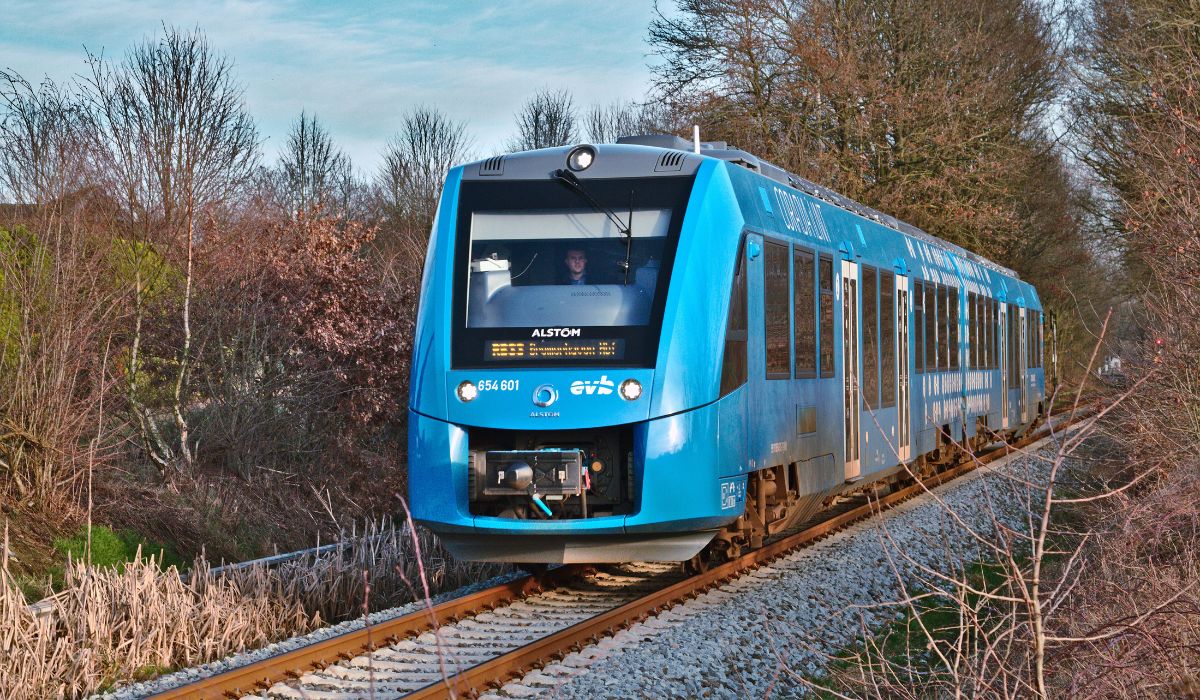
India is all set to up its train game. Soon, India’s first hydrogen train will begin operations between Jind and Sonipat. After successful test runs, the Railway Board (RB) of India has approved it for official operations. The test runs were conducted by Research Designs and Standard Organization (RDSO) as part of its evaluation procedure. The RB wrote to the RDSO as well as the Northern Railway and gave its approval in a letter.
India’s First Hydrogen Train: Composition And Speed
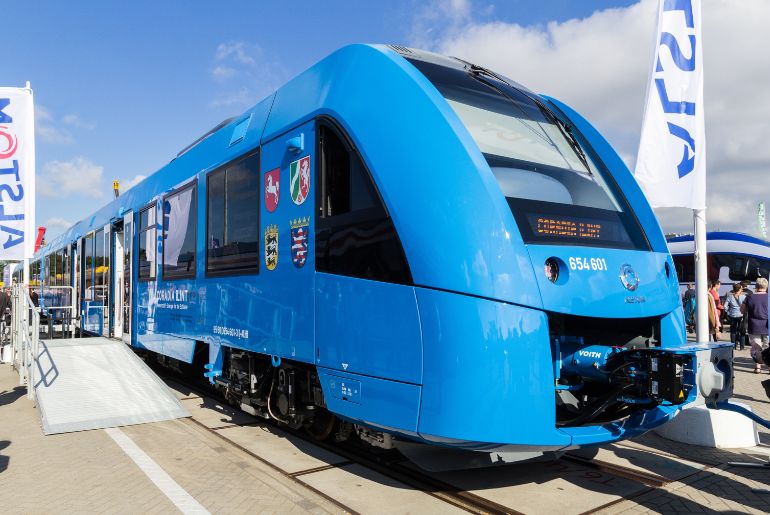
As per the letter of approval sent by the Board, the train is slated to run at a maximum speed of 75 kilometers per hour. It will consist of a total of ten cars and 2,400 kW engines, making it the world’s longest and most powerful hydrogen train set on broad gauge platforms.
Also Read: Delhi Metro Rail Corporation Launches Hydrogen-Powered Shuttle Buses
The train set also comprises two driving power cars (DPCs) of 1,200 kW each. What is perhaps the most remarkable feature of this train is that it will have zero CO2 emissions. All it will emit is water vapour.
Also Read: India’s First Hydrogen Vessel To Sail On The Ganga From 11 Dec
Jind-Sonipat Train: World’s Longest, Most Powerful
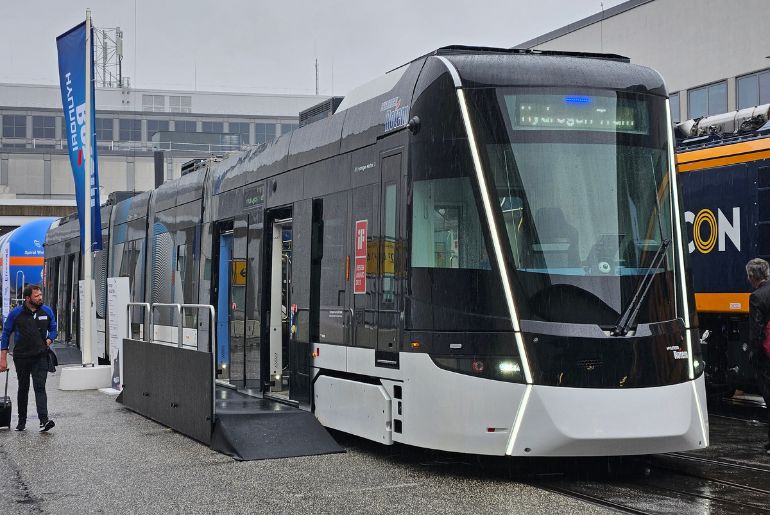
The Hydrogen train will ply on the Jind-Sonipat section of the Northern Railway. Once it is launched, India will join countries like China, Japan, Sweden, and Germany as the only ones to have an operational hydrogen train route.
Also Read: Delhi Metro To Run Extra Trains Every Monday To Encourage Public Transport Use
The train’s scheduled maintenance of the trainset has been designated at Shakurbasti. This train marks a significant milestone in the history of Indian Railways. It is hoped that it aids commuters and helps make their travel more seamless by offering smoother journeys.
Also Read: Delhi-Varanasi Bullet Train: Lucknow In 2 Hours, Varanasi In 4 Hours
Summing Up
The Hydrogen train on the Jind-Sonipat section will be India’s first, once it is launched. It will also be the world’s longest and most powerful hydrogen train to ply on broad gauge platforms. Once launched, it will make train travel even more sustainable than before.